Head Motion in fMRI: Impacts on Functional Connectivity and Strategies for Robust Biomarker Development
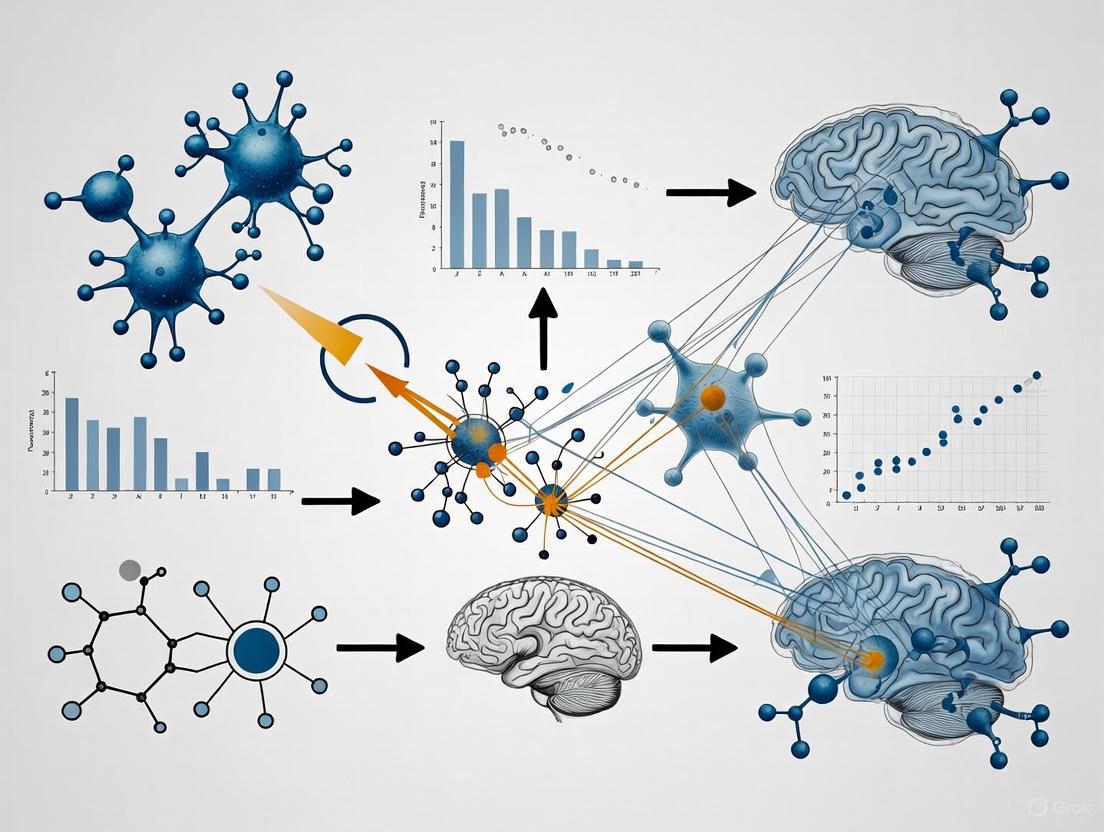
Head motion is a pervasive and systematic source of artifact in functional MRI that confounds estimates of functional connectivity, threatening the validity of neuroimaging biomarkers, especially in clinical and developmental...
Head Motion in fMRI: Impacts on Functional Connectivity and Strategies for Robust Biomarker Development
Abstract
Head motion is a pervasive and systematic source of artifact in functional MRI that confounds estimates of functional connectivity, threatening the validity of neuroimaging biomarkers, especially in clinical and developmental populations. This article synthesizes current evidence on how motion induces spurious, distance-dependent changes in connectivity, inflating short-range and diminishing long-range connections. We review established and emerging denoising methodologies, including confound regression, censoring, and novel omnibus models, evaluating their performance in mitigating these artifacts. A critical focus is on motion's confounding role in studies of aging, psychiatric disorders, and cognition, and the resulting selection bias from excluding high-motion participants. Finally, we provide a framework for validating motion correction pipelines and discuss the implications for developing reliable biomarkers in neuroscience research and drug development.
The Fundamental Problem: How Head Motion Systematically Biases Functional Connectivity
Within the context of research on the impact of head motion on functional connectivity estimates, characterizing the resulting artifacts is a critical first step. Head motion is a dominant source of artifact in functional MRI (fMRI) signals, profoundly impacting measures of intrinsic functional connectivity [1]. Its systematic effects can mimic or obscure genuine neuronal effects, posing a significant threat to the validity of brain-wide association studies [2] [3]. This is particularly problematic when studying populations prone to greater movement, such as children, older adults, or individuals with certain neurological or psychiatric disorders, as spurious group differences can be easily mistaken for neuronal effects [2] [3]. This technical guide details the types and spatial signatures of motion-induced noise to equip researchers with the knowledge to identify and mitigate these confounds.
The Spatial Profiles of Motion-Induced Noise
The influence of head motion on functional connectivity is not random; it exhibits specific, systematic spatial patterns that can be identified and measured.
Systematic Alterations in Network Connectivity
Head motion systematically affects functional coupling in a manner that depends on the spatial distribution of the brain network in question. The table below summarizes the documented effects:
Table 1: Documented Effects of Head Motion on Functional Connectivity Networks
| Brain Network | Effect of Increased Motion | Key Characteristics |
|---|---|---|
| Default Network | Decreased functional coupling [2] [3] | Distributed regions of association cortex [2] |
| Frontoparietal Control Network | Decreased functional coupling [2] [3] | Distributed regions of association cortex [2] |
| Local/Short-Range Networks | Increased functional coupling [2] [3] | - |
| Motor Network | Increased coupling between left/right motor regions [2] | Sometimes used as a control in studies [2] |
These motion-related effects are spatially systematic, consistently causing decreased long-distance connectivity and increased short-range connectivity [1]. The strength of functional connections tends to be uniformly weaker in participants who move more compared to those who move less [1].
Manifestation in ICA Components
At the single-subject level, spatial Independent Component Analysis (ICA) is a powerful tool for blind source separation, decomposing fMRI data into spatial maps and time courses. A "noise component" (N-IC) characterizes a noise/artefact effect [4]. The following diagram illustrates the general workflow for identifying motion-induced noise components via ICA.
The identification of N-ICs relies on assessing specific spatial and temporal features. Spatially, motion-related artifacts often exhibit specific patterns that differ from neural signals [4].
Quantitative Frameworks for Assessing Motion Impact
Quantifying the extent of motion artifact is essential for ensuring robust findings. Recent large-scale studies provide concrete data on the scale of this problem and methods to assess it.
The Scale of Residual Motion Post-Denoising
Even after standard denoising procedures, a significant amount of variance in the fMRI signal can be attributed to head motion. An analysis of the Adolescent Brain Cognitive Development (ABCD) Study data quantified this as follows:
Table 2: Efficacy of Denoising in Reducing Motion-Related Variance
| Processing Stage | Variance Explained by Head Motion | Relative Reduction vs. Minimal Processing |
|---|---|---|
| Minimal Processing | 73% [1] | Baseline |
| ABCD-BIDS Denoising | 23% [1] | 69% [1] |
This demonstrates that while modern denoising pipelines are effective, they do not eliminate motion-related variance entirely. The residual motion effect on functional connectivity (FC) is large; the motion-FC effect matrix has a strong negative correlation (Spearman ρ = -0.58) with the average FC matrix, meaning connections are systematically weaker in participants who move more [1].
The SHAMAN Framework for Trait-Specific Motion Impact
The Split Half Analysis of Motion Associated Networks (SHAMAN) method was developed to assign a motion impact score to specific trait-FC relationships [1]. It distinguishes whether motion causes overestimation or underestimation of a trait's true effect on functional connectivity. The following diagram outlines the SHAMAN workflow.
Applying SHAMAN to the ABCD dataset revealed that after standard denoising but without aggressive motion censoring, a substantial number of traits were affected by residual motion: 42% (19/45) of traits had significant motion overestimation scores, and 38% (17/45) had significant underestimation scores [1]. This underscores that motion artifact can bias results in both directions, complicating simple interpretations.
Experimental Protocols for Characterizing Motion Artifacts
Protocol 1: Quantifying Motion-FC Relationships in Large Cohorts
This methodology, used in a seminal study of 1,000 subjects, provides a framework for establishing the systematic effects of motion [2] [3].
- Subject Population & Grouping: A large sample of healthy controls is selected. Subjects are binned into groups (e.g., 10 groups) representing a continuum from least to most head motion. Groups should be balanced for age and sex where possible to isolate the effect of motion [2].
- Data Acquisition: Data should be acquired on matched MRI scanners using identical sequences. A resting-state fMRI protocol with parameters such as TR=3000 ms, TE=30 ms, and 3×3×3 mm voxels is typical. Head motion is restrained using foam padding and head clamps [2].
- Preprocessing: Standard preprocessing includes discarding initial volumes, slice-time correction, motion correction via rigid body registration, atlas registration, spatial smoothing (e.g., 6-mm FWHM), and temporal band-pass filtering (e.g., below 0.08 Hz) to remove high-frequency noise [2].
- Motion and FC Quantification: Head motion is quantified using mean displacement (frame-to-frame). Functional connectivity is calculated using correlation between regional time courses. Group difference maps are constructed to illustrate how functional connectivity varies between high-motion and low-motion groups [2].
Protocol 2: Simulated Motion and Validation of Correction Algorithms
This approach, also used in SPECT imaging, involves simulating motion to study its impact and test correction methods [5].
- Subject Data: Start with projection datasets from subjects with no motion and normal scan findings [5].
- Motion Simulation: Artificially introduce motion into the raw projection data. Simulations should include:
- Artifact Assessment: Reconstruct the images with simulated motion. Quantify the resulting artifactual perfusion defects using a validated quantitative scoring system (e.g., a 20-segment, 5-point scoring system) [5].
- Correction Validation: Apply the motion-correction algorithm to the simulated data. The efficacy of correction is measured by the significant improvement or normalization of the artificially induced defects [5].
The Scientist's Toolkit: Essential Research Reagents and Materials
Table 3: Key Reagents and Tools for Motion Artifact Research
| Item Name | Function/Description | Relevance to Motion Research |
|---|---|---|
| Optical Motion Tracking System | Tracks head position in real-time using a marker attached to the subject. | Enables prospective motion correction (PMC) and quantitative assessment of head motion trajectories [6]. |
| Moiré Phase Tracking Marker | A specific type of MR-compatible optical marker. | Used with in-bore camera systems for high-precision head motion tracking [6]. |
| Marker Fixations (Mouth Guard, Nose Bridge) | Devices to rigidly attach the optical marker to the subject's head. | Critical for robust PMC; fixation type (e.g., mouth guard vs. nose bridge) impacts correction performance due to skin slippage [6]. |
| Foam Head Pads & Head Clamps | Physical restraints to limit head movement inside the coil. | Standard issue to minimize subject motion during scanning [2]. |
| Framewise Displacement (FD) | A scalar quantity summarizing frame-to-frame head movement. | The primary metric for quantifying the degree of head motion in a scan; used for censoring (scrubbing) [1]. |
| Independent Component Analysis (ICA) | A blind source separation algorithm (e.g., as implemented in FSL, GIFT). | Decomposes fMRI data to allow for identification and removal of motion-related noise components (N-ICs) [4]. |
| Motion Impact Score (SHAMAN) | A statistical software method for quantifying trait-specific motion confounds. | Determines if a specific trait-FC relationship is spuriously influenced by motion, indicating over- or underestimation [1]. |
Functional connectivity MRI (fcMRI) has become a cornerstone technique for exploring the functional architecture of the brain, widely applied to study differences across the lifespan, clinical diagnoses, and individual traits [2]. However, a significant confounding factor in fcMRI research is in-scanner head motion, which introduces systematic bias into connectivity estimates that is not completely removed by standard denoising algorithms [2] [1]. This artifact is particularly problematic because head motion varies considerably among individuals within the same population and is often correlated with traits of interest; for instance, children move more than adults, older adults more than younger adults, and patient populations often move more than controls [2]. The resulting distance-dependent effect—where motion artifact systematically inflates short-range functional connectivity while diminishing long-range connectivity—can produce difference maps that could be mistaken for genuine neuronal effects [2] [1]. This technical review examines the mechanisms, evidence, and methodological implications of this distance-dependent effect within the broader context of head motion impact on functional connectivity research.
Quantitative Evidence of Distance-Dependent Effects
Empirical studies across large datasets consistently demonstrate that head motion has systematic, spatially-specific effects on fcMRI network measures. The core finding is an inverse relationship between motion and connection length.
Table 1: Observed Effects of Head Motion on Functional Connectivity Measures
| Network Measure | Direction of Change with Motion | Effect Size Characteristics | Primary Brain Networks Affected |
|---|---|---|---|
| Long-Range Connectivity | Decrease [ [2] [1] | Strong negative correlation (Spearman ρ ≈ -0.58) with average FC [1] | Default Network, Frontoparietal Control Network [2] |
| Short-Range Connectivity | Increase [2] | Local functional coupling elevated | Local/Regional Circuits [2] |
| Interhemispheric Homotopic Connectivity | Variable | Increase in motor regions [2] | Motor Network [2] |
Analysis of the Adolescent Brain Cognitive Development (ABCD) Study (n = 7,270) reveals that after standard denoising, the motion-FC effect matrix shows a strong negative correlation (Spearman ρ = -0.58) with the average FC matrix, indicating that connections stronger in low-motion participants are precisely those most diminished in high-motion participants [1]. This effect persists even after rigorous motion censoring at framewise displacement (FD) < 0.2 mm (Spearman ρ = -0.51) [1].
The decrease in FC due to head motion is often larger than trait-related FC changes, potentially obscuring or mimicking genuine effects [1]. Group comparisons show that differences in motion levels alone can yield FC difference maps resembling neuronal effects, with motion-associated decreases particularly prominent in default and frontoparietal control networks—networks characterized by coupling among distributed association cortex regions [2].
Methodological Protocols for Motion Effect Characterization
Experimental Design and Data Acquisition
Characterizing motion effects requires carefully controlled datasets. Key protocols include:
- Participant Selection: Large samples (n > 1000) of healthy young adults minimize confounding clinical factors while capturing natural motion variability [2]. The ABCD Study leverages n = 11,874 children aged 9-10 for developmental motion analysis [1].
- MRI Acquisition Parameters: Data should be collected on matched scanners using identical sequences. Standard parameters include: TR = 3000 ms, TE = 30 ms, flip angle = 85°, 3×3×3 mm voxels, 47 slices aligned to AC-PC plane [2]. Multi-echo T1-weighted structural images support registration [2].
- Motion Restriction: Foam pillows and extendable padded head clamps minimize movement while earplugs attenuate scanner noise [2].
- Resting-State Protocol: Two BOLD runs of 124 volumes each after discarding first 4 volumes for T1-equilibration, with instructions to rest with eyes open while staying still [2].
Functional MRI Data Preprocessing
Standard preprocessing pipelines include:
- Motion Correction: Rigid body translation and rotation from each volume to the first volume using algorithms like FSL's MCFLIRT [2].
- Spatial Processing: Slice-time correction, atlas registration to MNI space via affine and non-linear transforms, resampling to 2-mm isotropic voxels, spatial smoothing (6-mm FWHM Gaussian kernel) [2].
- Temporal Filtering: Band-pass filtering retaining frequencies below 0.08 Hz to remove constant offsets and linear trends [2].
- Nuisance Regression: Removing spurious variance via regression of motion parameters, white matter, and cerebrospinal fluid signals [2].
Motion Quantification Approaches
- Framewise Displacement (FD): Summarizes volume-to-volume head displacement by combining translational and rotational movement [1].
- Motion Impact Score (SHAMAN): A novel method applying Split Half Analysis of Motion Associated Networks to quantify trait-specific motion effects on FC, distinguishing between overestimation and underestimation of trait-FC relationships [1].
Signaling Pathways and Experimental Workflows
The following diagram illustrates the conceptual pathway through which head motion introduces distance-dependent artifacts in functional connectivity estimates:
Diagram 1: Motion Artifact Propagation Pathway
The experimental workflow for detecting and quantifying motion-related artifacts in large datasets follows a systematic pipeline:
Diagram 2: Motion Artifact Detection Workflow
The Scientist's Toolkit: Essential Research Reagents and Materials
Table 2: Key Methodological Components for Motion-Related FC Research
| Tool/Resource | Function/Role | Implementation Examples |
|---|---|---|
| ABCD-BIDS Pipeline | Comprehensive denoising algorithm incorporating multiple artifact removal techniques | Global signal regression, respiratory filtering, motion timeseries regression, despiking/interpolation [1] |
| Framewise Displacement (FD) | Quantifies volume-to-volume head movement | Summarizes translational and rotational displacement; used for censoring threshold determination [1] |
| SHAMAN Methodology | Quantifies trait-specific motion impact on FC | Split Half Analysis of Motion Associated Networks; distinguishes overestimation vs. underestimation [1] |
| Motion Censoring (Scrubbing) | Removes high-motion volumes from analysis | Exclusion of frames exceeding FD threshold (e.g., 0.2 mm); balances artifact reduction with data retention [1] |
| Alternative FC Metrics | Reduces motion sensitivity compared to Pearson correlation | Partial correlation, coherence, information theory-based measures offer different motion sensitivity profiles [7] |
| HCP & ABCD Datasets | Large-scale reference datasets for motion artifact characterization | Human Connectome Project (HCP), Adolescent Brain Cognitive Development (ABCD) Study provide normative motion data [1] [7] |
Discussion and Research Implications
The distance-dependent effect of head motion on functional connectivity represents a fundamental methodological challenge with substantive implications for interpretation of neuroimaging findings. The systematic inflation of short-range connections and diminution of long-range connections creates a distinct spatial signature that can mimic or obscure genuine neurobiological effects, particularly in studies comparing groups with inherent motion differences (e.g., children vs. adults, patients vs. controls) [2] [1].
The SHAMAN framework represents a significant methodological advance by enabling researchers to assign a motion impact score to specific trait-FC relationships, distinguishing between situations where motion causes overestimation versus underestimation of effects [1]. Application to the ABCD dataset revealed that even after standard denoising, 42% of traits exhibited significant motion overestimation scores and 38% had significant underestimation scores [1].
Choice of functional connectivity metric significantly influences motion sensitivity. Studies comparing eight different FC measures report that full correlation has relatively high residual distance-dependent relationship with motion compared to partial correlation, coherence, and information theory-based measures [7]. However, this disadvantage may be offset by higher test-retest reliability and fingerprinting accuracy, creating a trade-off that researchers must consider based on study-specific priorities [7].
Future methodological development should focus on integrated approaches that combine optimized denoising pipelines with trait-specific motion impact assessments. The convergence of large-scale datasets like ABCD and HCP with machine learning approaches offers promising avenues for developing more robust motion correction strategies that preserve neural signals while effectively removing motion-related artifacts [1].
In-scanner head motion represents a significant and pervasive confound in neuroimaging, systematically biasing estimates of functional and structural connectivity. This artifact is not random; it exhibits strong correlations with participant characteristics such as age, clinical status, and cognitive traits, potentially leading to spurious findings in brain-behavior association studies. For researchers investigating neurological or psychiatric disorders, failure to adequately account for motion can result in false positive results where observed group differences reflect motion artifact rather than genuine neurobiological phenomena [1]. This technical guide examines the mechanisms through which motion introduces bias, details its specific correlations with subject traits, and provides evidence-based methodologies for its detection and mitigation within the broader context of connectivity research.
The Systematic Nature of Motion Artifact
Head motion is the largest source of artifact in functional and structural MRI signals, introducing non-random, systematic bias that persists despite standard denoising algorithms [1]. The impact of motion on resting-state functional connectivity MRI (rs-fcMRI) is particularly pronounced because the timing of underlying neural processes is unknown, making it difficult to distinguish neural signal from artifact [1] [8].
Spatial and Temporal Characteristics of Motion Artifacts
Motion artifacts demonstrate consistent spatial patterns in functional connectivity data. Analyses of large datasets, including the Adolescent Brain Cognitive Development (ABCD) Study, reveal that head motion decreases long-distance connectivity while increasing short-range connectivity [1]. This pattern is most notable in default mode network regions [1]. The motion-FC effect matrix shows a strong negative correlation (Spearman ρ = -0.58) with the average FC matrix, indicating that participants who moved more consistently showed weaker connection strengths across functional connections [1].
In diffusion MRI for structural connectivity, motion introduces length-dependent biases. Increased head motion is associated with reduced structural connectivity estimates for high-consistency network edges (both short- and long-range), while inflating estimates for low-consistency edges that are primarily shorter-range [9]. This occurs because motion can promote spurious streamline propagation in low-fractional anisotropy regions while causing premature streamline termination in high-FA regions [9].
Table 1: Characteristics of Motion Artifacts in Functional and Structural Connectivity
| Feature | Impact on Functional Connectivity | Impact on Structural Connectivity |
|---|---|---|
| Spatial Pattern | Decreased long-distance connectivity; Increased short-range connectivity [1] | Reduced connectivity for high-consistency edges; Inflated connectivity for low-consistency edges [9] |
| Network Effects | Most pronounced in default mode network [1] | Biases both local and global network topology [9] |
| Effect Size | Larger than trait-FC effect sizes of interest [1] | Significant enough to confound developmental inferences [9] |
| Persistence | Remains after denoising and motion censoring [1] [8] | Persists after quality assurance and retrospective correction [9] |
Motion Correlations with Demographic and Clinical Variables
Age and Motion
Substantial evidence demonstrates a strong correlation between age and in-scanner head motion, creating a critical confound in developmental neuroimaging studies. Younger participants consistently exhibit greater head motion than older participants, which can create the false appearance of developmental changes in connectivity [9]. This relationship is so pronounced that studies specifically must match age across high-motion and low-motion groups to avoid confounding [8]. In one study of 348 adolescents, researchers created age- and gender-matched high-motion and low-motion subsamples to isolate motion effects from developmental effects [8].
Clinical Status and Motion
Numerous clinical populations characterized by behavioral regulation difficulties show elevated motion during scanning. Research has specifically identified that "study participants with attention-deficit hyperactivity disorder or autism have higher in-scanner head motion than neurotypical participants" [1]. This association creates a systematic bias where clinical groups appear to have altered connectivity patterns that may actually reflect motion artifacts rather than neuropathology [1]. For example, early studies concluding that autism decreases long-distance FC may have actually detected confounding from increased head motion in autistic participants [1].
Table 2: Populations with Systematic Motion Correlations and Associated Risks
| Population | Motion Relationship | Potential for Spurious Findings |
|---|---|---|
| Children & Adolescents | Significantly higher motion than adults [8] [9] | False developmental trends; Exaggerated age effects [9] |
| Autism Spectrum Disorder | Elevated motion compared to neurotypical controls [1] | Artificial reduction in long-distance connectivity [1] |
| ADHD | Elevated motion compared to neurotypical controls [1] | Misattributed functional connectivity patterns [1] |
| Psychiatric Disorders | Generally elevated motion (multiple disorders) [1] | False positive group differences in network architecture [1] |
Quantifying Motion and Its Impact
Motion Quantification Metrics
Framewise displacement (FD) provides a scalar value in millimeters of how much a participant moves from one volume to the next [10]. Mean FD values allow classification of scans as high-motion or low-motion, with thresholds typically set at 0.10-0.20 mm [10]. The DVARS metric quantifies the rate of change of BOLD signal across the entire brain at each frame [8]. Both metrics are routinely calculated during quality assessment of fMRI data.
The SHAMAN Framework for Trait-Specific Motion Impact
The Split Half Analysis of Motion Associated Networks (SHAMAN) framework represents a novel approach for assigning a motion impact score to specific trait-FC relationships [1]. Unlike generic motion quantification, SHAMAN distinguishes between motion causing overestimation or underestimation of specific trait-FC effects by capitalizing on the observation that traits are stable over the timescale of an MRI scan while motion varies from second to second [1].
The method works by measuring differences in correlation structure between split high- and low-motion halves of each participant's fMRI timeseries. When trait-FC effects are independent of motion, the difference between halves will be non-significant. A significant difference indicates that state-dependent motion impacts the trait's connectivity. A motion impact score aligned with the trait-FC effect direction indicates overestimation, while an opposite score indicates underestimation [1].
Application of SHAMAN to 45 traits from n=7,270 participants in the ABCD Study revealed that after standard denoising without motion censoring, 42% (19/45) of traits had significant motion overestimation scores and 38% (17/45) had significant underestimation scores [1].
Mitigation Strategies and Experimental Protocols
Pre-Scan Motion Reduction Protocols
Implementing a mock scan protocol prior to actual scanning significantly reduces head motion in pediatric participants [10]. This approach involves placing participants in an environment designed to mimic the real scanning environment, desensitizing them, and training them to limit movement. When combined with in-scan methods like weighted blankets and incentive systems, mock scanning enables acquisition of low-motion fMRI data even during extended 60-minute scan protocols in children ages 7-17 [10].
Comparative studies show formal mock scan protocols dramatically reduce high-motion scans. At a threshold of 0.10 mm mean FFD, 71.4% of scans from an informal mock scan group were classified as high-motion, compared to only 32.3% from the formal mock scan group [10]. This difference was statistically significant (Pearson Chi-square = 21.76, P < 0.001), demonstrating the efficacy of structured preparation protocols [10].
Post-Hoc Processing and Denoising Methods
Multiple denoising approaches have been developed to mitigate motion artifacts in post-processing. The ABCD-BIDS pipeline, which includes global signal regression, respiratory filtering, spectral filtering, despiking, and motion parameter timeseries regression, achieves a 69% relative reduction in motion-related signal variance compared to minimal processing alone [1]. However, even after this comprehensive denoising, 23% of signal variance remains explained by head motion [1].
Motion censoring (or "scrubbing") involves excluding high-motion fMRI frames from analysis. This approach significantly reduces spurious findings, but creates tension between removing motion-contaminated volumes and retaining sufficient data, particularly for individuals with high motion who may exhibit important variance in traits of interest [1]. Censoring at framewise displacement < 0.2 mm reduces significant motion overestimation from 42% to 2% of traits, though it does not decrease the number of traits with significant motion underestimation scores [1].
Table 3: Efficacy of Motion Mitigation Strategies Across Studies
| Mitigation Strategy | Protocol Details | Efficacy & Limitations |
|---|---|---|
| Mock Scanner Training | Environment mimicking real scanner; Desensitization training; Typically 20-40 minutes [10] | Reduces high-motion scans (>0.10mm FFD) from 71.4% to 32.3%; Effective in children with ASD [10] |
| ABCD-BIDS Denoising | Global signal regression, respiratory filtering, spectral filtering, despiking, motion parameter regression [1] | 69% relative reduction in motion-related variance; 23% variance remains [1] |
| Motion Censoring (FD < 0.2mm) | Exclusion of high-motion frames from analysis [1] | Reduces motion overestimation from 42% to 2% of traits; Does not address underestimation [1] |
| FIRMM (Real-time Monitoring) | Real-time head motion analysis; Scan until sufficient low-motion data acquired [10] | Effective for resting-state; Limited utility for task-based fMRI with fixed timing [10] |
The Scientist's Toolkit: Essential Research Reagents and Solutions
Table 4: Essential Tools for Motion Confound Research
| Tool/Reagent | Function/Purpose | Implementation Examples |
|---|---|---|
| Framewise Displacement (FD) | Quantifies head motion between consecutive volumes | Primary metric for motion censoring; Thresholds typically 0.1-0.2mm [10] |
| SHAMAN Framework | Assigns trait-specific motion impact scores | Distinguishes overestimation vs. underestimation; Requires split-half analysis [1] |
| Mock Scanner Environment | Acclimates participants to scanning environment | Reduces motion in pediatric and clinical populations; Critical for long protocols [10] |
| ABCD-BIDS Pipeline | Comprehensive denoising pipeline | Open-source standardized processing; Includes multiple regression approaches [1] |
| FIRMM Software | Real-time motion monitoring during acquisition | Enables scanning until sufficient low-motion data acquired; Limited for task fMRI [10] |
| Motion Censoring (Scrubbing) | Removes high-motion frames from analysis | Powerful for reducing false positives; Risk of biasing sample distribution [1] |
In-scanner head motion remains a critical confound in neuroimaging research, exhibiting systematic correlations with age, clinical status, and cognitive traits that threaten the validity of brain-behavior associations. The spatial, temporal, and spectral characteristics of motion artifacts introduce non-random bias that persists despite sophisticated denoising approaches. Researchers must implement comprehensive mitigation strategies spanning pre-scan preparation, in-scan monitoring, and post-hoc processing while quantitatively evaluating trait-specific motion impacts using frameworks like SHAMAN. As the field moves toward larger datasets and more diverse populations, acknowledging and addressing motion as a confound rather than mere noise is essential for generating valid neurobiological insights.
Within the field of functional connectivity magnetic resonance imaging (fcMRI), head motion is recognized not as a mere nuisance, but as a significant confounding variable that can systematically bias estimates of brain network organization [11]. The persistence of motion artifacts, even after standard preprocessing, poses a particular threat to the validity of studies investigating individual differences, such as those related to clinical status, aging, or genetics [2] [3]. This technical guide provides a quantitative synthesis of the effect sizes associated with head motion on functional connectivity measures and contrasts them with effects attributed to neurobiological traits. Furthermore, it details rigorous experimental protocols and analytical toolkits essential for mitigating motion-related bias, thereby bolstering the reliability of neuroimaging findings in basic research and drug development.
Quantitative Data Synthesis: Motion vs. Trait Effects
The following tables summarize key quantitative findings from the literature, comparing the effect sizes of head motion on functional connectivity with those of representative neurobiological traits.
Table 1: Effect Sizes of Head Motion on Functional Connectivity Metrics
| Functional Connectivity Metric | Reported Effect Size / Correlation | Population | Citation |
|---|---|---|---|
| Default Network Connectivity | Decreased coupling with higher motion | Healthy Adults (n=1000) | [2] [3] |
| Frontoparietal Control Network | Decreased coupling with higher motion | Healthy Adults (n=1000) | [2] [3] |
| Local/Short-Range Connectivity | Increased coupling with higher motion | Healthy Adults (n=1000) | [2] [3] |
| Inter-hemispheric Motor Connectivity | Increased coupling with higher motion | Healthy Adults (n=1000) | [2] [3] |
| Whole-Brain Functional Connectivity | FC profiles significantly predict motion (r = 0.09 ± 0.08; p < 10⁻³) after regression | Human Fetuses (n=120 scans) | [12] |
| Sensory & Default Mode Networks | Significant affectation by head motion; direction of effect varied across brain | Newborns (n=575) | [13] |
Table 2: Effect Sizes of Representative Neurobiological Traits on Functional Connectivity
| Neurobiological Trait | Reported Effect Size / Correlation | Population | Citation |
|---|---|---|---|
| Autistic Traits (AQ) - Social Reward | Attenuated preference for biological motion with higher AQ scores | Neurotypical Adults (n=105) | [14] |
| Autistic Traits (AQ) - Attention Switching | Robust association with biological motion naturalness perception | Neurotypical Adults | [15] |
| Gestational Age at Scan | Improved prediction from FC data after motion censoring (Accuracy: 55.2% with vs. 44.6% without censoring) | Human Fetuses (n=120 scans) | [12] |
| Biological Sex | Improved prediction from FC data after motion censoring | Human Fetuses (n=120 scans) | [12] |
Experimental Protocols for Motion Impact Quantification
Large-Sample Group Comparison Protocol
This protocol, derived from Van Dijk et al. (2012), is designed to systematically quantify motion effects across a large cohort [2] [3].
- Subject Selection & Grouping: Acquire a large sample of healthy control subjects (e.g., n > 1000). Characterize the distribution of head motion, typically summarized as Mean Frame-Wise Displacement (Mean FD). Divide the sample into deciles or similar groups based on Mean FD, from the least (Group 1) to the most (Group 10) motile subjects. Ensure age is evenly distributed across groups; sex distribution may require statistical control.
- MRI Acquisition: Data should be collected on matched scanners using identical sequences. A typical resting-state fMRI protocol uses a gradient-echo echo-planar imaging (EPI) sequence with parameters: TR = 3000 ms, TE = 30 ms, flip angle = 85°, and isotropic voxels (e.g., 3mm³). Two resting-state runs of ~124 volumes each are acquired while participants fixate on a cross, with head motion restrained using foam padding and cushions.
- Data Preprocessing:
- Basic Preprocessing: Discard initial volumes for T1 equilibration. Perform slice-timing correction and rigid-body realignment of all volumes to a reference volume to generate 6 head motion parameters (3 translation, 3 rotation).
- Spatial Processing: Register functional data to a standard template space. Apply spatial smoothing (e.g., 6mm FWHM Gaussian kernel).
- Temporal Filtering: Apply a band-pass filter (e.g., 0.008-0.08 Hz) to retain low-frequency fluctuations.
- Functional Connectivity Analysis: Extract mean BOLD time series from pre-defined regions of interest (ROIs) encompassing major functional networks (e.g., Default Mode, Frontoparietal, Motor). Compute pairwise correlation coefficients between all ROIs, then apply Fisher's z-transformation to improve normality.
- Quantification of Motion Effects: Calculate functional connectivity metrics for each network (e.g., mean within-network correlation). Correlate these metrics with continuous measures of head motion (e.g., Mean FD) across the entire sample. Alternatively, compute group difference maps (e.g., Group 1 vs. Group 10) to visualize networks most susceptible to motion artifacts.
Censoring (Scrubbing) Efficacy Protocol
This protocol, validated in neonates, fetuses, and adults, assesses the utility of volume censoring for mitigating motion effects [13] [12].
- Data Foundation: Start with preprocessed data that has undergone realignment and nuisance regression (including 6 motion parameters and their derivatives, and optionally, physiological signals).
- Frame-Wise Displacement (FD) Calculation: Compute FD for every volume in the time series. FD is the sum of the absolute derivatives of the 3 translational and 3 rotational motion parameters. Rotational displacements are converted from radians to millimeters by assuming a brain radius (e.g., 50 mm for adults, or a fetal-specific estimate).
- Censoring Threshold Application: Identify and flag volumes where FD exceeds a predefined threshold. Common thresholds in adult literature are 0.2-0.5 mm [13]. Fetal and neonatal studies may use higher thresholds (e.g., 1.5 mm) due to greater inherent motion [12].
- Data Exclusion: Remove all flagged high-motion volumes from the time series analysis. Interpolating across large censored segments is not recommended; instead, analyses are performed on the retained "clean" data.
- Efficacy Benchmarking:
- Motion-FC Correlation: Correlate subject-level mean FD with whole-brain FC matrices after preprocessing with and without censoring. Effective censoring should reduce this correlation to near zero.
- Neurobiological Prediction: Use machine learning models to predict neurobiological traits (e.g., gestational age, sex) from FC data. Improved prediction accuracy with censored data indicates enhanced signal-to-noise ratio.
Signaling Pathways and Workflow Visualization
The following diagram illustrates the conceptual pathway through which head motion introduces artifact into functional connectivity estimates and the primary intervention points for mitigation strategies.
Diagram: Pathway of Motion Artifact and Mitigation in fcMRI. This workflow outlines how physical head motion introduces non-biological signal changes that propagate through data processing, ultimately biasing connectivity estimates. Key mitigation strategies (green) intervene at critical points to restore validity.
The Scientist's Toolkit: Essential Research Reagents & Materials
Table 3: Key Reagents and Computational Tools for Motion Mitigation Research
| Item / Software Tool | Function / Purpose | Relevance to Motion Research |
|---|---|---|
| Frame-Wise Displacement (FD) | A scalar summary metric of volume-to-volume head motion. | Primary quantitative measure for motion magnitude; used to define censoring thresholds and correlate with FC outcomes [13] [11]. |
| Nuisance Regressors (6-36 parameters) | Time series of head position (translation, rotation) and their temporal derivatives, squares, and lagged values. | Model widespread motion effects via regression, removing variance associated with motion parameters from BOLD signal [2] [12]. |
| Volume Censoring (Scrubbing) | The process of identifying and excluding high-motion volumes (based on FD) from analysis. | Targets focal, high-motion artifacts that nuisance regression fails to fully remove, crucial for reducing motion-FC correlations [13] [12]. |
| ANTHROPOMETRIC BRAIN RADIUS | A assumed radius (e.g., 50 mm) to convert rotational parameters from radians to millimeters. | Essential for FD calculation, ensuring rotational and translational motions are combined on a consistent scale. Values may vary for pediatric populations. |
| High-Quality T1-Weighted Anatomical | High-resolution structural scan (e.g., MP-RAGE). | Serves as registration target for functional data, improving cross-subject alignment and reducing misregistration artifacts exacerbated by motion. |
| Software (e.g., AFNI, FSL, BioImage Suite) | Suites for neuroimaging data preprocessing and analysis. | Implement standard pipelines for realignment, regression, censoring, and connectivity analysis [13] [12]. |
| eXtensible Connectivity Pipeline (XCP) | A dedicated software pipeline for fcMRI confound regression and denoising. | Implements validated, high-performance denoising strategies that combine multiple model features to target motion artifacts [16]. |
The quantitative evidence is unequivocal: head motion induces systematic and spatially complex artifacts in functional connectivity, with effect sizes substantial enough to mimic or obscure genuine neurobiological effects [2] [3] [11]. The persistence of motion-FC correlations after standard nuisance regression underscores the necessity of advanced mitigation strategies, with volume censoring emerging as a particularly effective tool [13] [12]. For the research and drug development community, rigorous motion correction is no longer optional but fundamental to data integrity. Adopting standardized protocols that combine nuisance regression with stringent censoring, benchmarking efficacy via motion-FC correlations and neurobiological prediction accuracy, and transparently reporting motion metrics are critical steps toward generating reliable, reproducible, and interpretable functional connectivity findings.
Motion Correction Arsenal: From Confound Regression to Censoring and Real-Time Monitoring
In resting-state functional magnetic resonance imaging (fMRI), the correlation between blood oxygenation level dependent (BOLD) time courses from different brain regions serves as a fundamental metric for estimating functional connectivity (FC) [17]. However, the reliability and robustness of these measurements are critically dependent on minimizing the influence of confounding noise, with in-scanner head motion representing the most significant source of artifact [1] [13]. Even sub-millimeter head movements—as small as 0.1 mm—can systematically bias both within- and between-group effects during fMRI analysis [18]. This problem is particularly acute in studies of populations with naturally higher motion characteristics, such as children, older adults, or patients with neurological or psychiatric disorders, where motion can spuriously influence trait-FC relationships and lead to false positive results [1].
The confounding effects of motion on functional connectivity are spatially systematic, often causing decreased long-distance connectivity and increased short-range connectivity, most notably within the default mode network [1]. In large-scale brain-wide association studies (BWAS) involving thousands of participants, such as the Adolescent Brain Cognitive Development (ABCD) Study, the need for rigorous motion correction is paramount, as residual motion artifacts can persist even after extensive denoising pipelines [1]. The challenge is further compounded in dynamic functional connectivity (DFC) studies, where temporal fluctuations in correlation estimates may reflect nuisance effects rather than genuine neural dynamics [17]. Within this context, nuisance regression emerges as an essential preprocessing step to mitigate these artifacts and ensure the validity of functional connectivity findings.
Core Nuisance Regression Methodologies
Motion Parameter Regression
Volume realignment, which aligns reconstructed volumes by calculating motion parameters based on a solid-body model of the head and brain, represents the initial step in addressing head motion [18]. Following this realignment, the calculated motion parameters can be incorporated as regressors in general linear model (GLM) analyses to statistically remove motion-related artifacts from the BOLD signal [18]. Two primary parameter sets are commonly used:
- 6-Parameter Model: Includes three translation (x, y, z) and three rotation (pitch, roll, yaw) parameters derived from volume realignment [18].
- Friston 24-Parameter Model: Expands on the basic model by including the 6 motion parameters from both the current and preceding volumes, plus each of these values squared [18].
Framewise displacement (FD) and DVARS are complementary measures used to identify volumes contaminated by excessive motion. FD is computed from derivatives of the six rigid-body realignment parameters and provides a single index of head displacement, while DVARS represents the root mean squared change in BOLD signal from volume to volume [18]. These metrics facilitate the implementation of censoring (or "scrubbing") techniques, where volumes exceeding predetermined thresholds (typically FD > 0.2-0.5 mm) are excluded from analysis [18] [1]. It is important to note that scrubbing disrupts the temporal structure of data, precluding frequency-based analyses but remaining effective for seed-based correlation approaches [18].
Global Signal Regression
Global signal regression (GSR) involves removing the global mean signal—computed as the average signal across all voxels within the brain for each time point—from the BOLD time series via linear regression [18] [19]. The global signal is assumed to reflect a combination of resting-state fluctuations, physiological noise, and other non-neural signals [18]. Despite ongoing controversy in the field, GSR has been shown to facilitate the detection of localized neuronal signals and improve the specificity of functional connectivity analysis [18].
The computation of the global signal varies across studies, with some calculating it after minimal preprocessing (image registration, slice-timing correction, spatial smoothing) and others deriving it after removing additional nuisance regressors [19]. Normalization approaches also differ, with some studies employing per-voxel percent signal change calculations and others using grand-mean scaling across all voxels and time points [19]. The effect of GSR on connectivity measures is complex, with evidence suggesting it can increase the detection of system-specific correlations and enhance anatomical specificity, though it may also introduce artificial negative correlations [19].
Physiological Signal Regression
Physiological noise originating from cardiac and respiratory cycles represents another significant confound in fMRI data. Several strategies have been developed to address these artifacts:
Anatomical CompCor (aCompCor) identifies noise regions-of-interest (ROIs) in areas unlikely to be modulated by neural activity, primarily white matter (WM) and cerebral spinal fluid (CSF) [18]. Principal component analysis (PCA) is applied to the time series data from these noise ROIs, and the significant components are included as covariates in a GLM to estimate and remove physiological noise [18]. This approach offers advantages over simple mean WM/CSF signal regression by better accounting for voxel-specific phase differences in physiological noise.
Temporal CompCor (tCompCor) operates on a similar principle but identifies noise ROIs based on temporal characteristics rather than anatomy, specifically selecting voxels with high temporal standard deviation that are likely dominated by physiological noise [18].
RETROICOR represents another physiological noise correction approach that uses external measurements of cardiac and respiratory activity to create regressors that model these periodic physiological processes [20]. Implementation considerations include whether to apply RETROICOR before or after motion correction, with some evidence supporting its application before motion correction to maintain accurate slice timing information [20].
Quantitative Comparisons of Nuisance Regression Efficacy
Table 1: Impact of Different Denoising Strategies on Motion-Related Variance
| Denoising Approach | Variance Explained by Motion | Key Findings | Reference/Study |
|---|---|---|---|
| Minimal Processing (motion correction only) | 73% of signal variance | Motion is the dominant source of artifact without comprehensive denoising | [1] |
| ABCD-BIDS Pipeline (GSR, respiratory filtering, motion regression, despiking) | 23% of signal variance (69% relative reduction) | Significant improvement but substantial residual motion influence remains | [1] |
| Motion Censoring (FD < 0.2 mm) + Denoising | Reduced significant overestimation from 42% to 2% of traits | Highly effective against motion overestimation but less impact on underestimation | [1] |
| JumpCor (for large, infrequent motions) | Significant reduction in motion artifacts | Particularly effective for infant data with occasional large movements | [21] |
Table 2: Comparison of Nuisance Regression Method Strengths and Limitations
| Method | Primary Application | Advantages | Limitations |
|---|---|---|---|
| Motion Parameter Regression | General head motion artifacts | Directly addresses motion confounds; multiple parameter options (6, 24) | Cannot completely remove systematic motion effects on FC [13] |
| Global Signal Regression | Whole-brain signal fluctuations | Improves detection of localized signals; enhances specificity | Controversial; may introduce artificial negative correlations [18] [19] |
| aCompCor | Physiological noise from WM/CSF | Accounts for voxel-specific phase differences; data-driven | Requires accurate tissue segmentation |
| tCompCor | Physiological noise (temporal features) | No tissue segmentation needed; data-driven | May capture neural signal in high-variance voxels |
| Volume Censoring (Scrubbing) | High-motion time points | Effectively removes severely contaminated data | Reduces data length; disrupts temporal structure [18] |
| JumpCor | Occasional large movements | Preserves data in high-motion subjects (e.g., infants) | Segment-dependent baselines may complicate interpretation [21] |
Advanced Considerations and Integrated Methodologies
Dynamic Functional Connectivity and Nuisance Regression
In dynamic functional connectivity (DFC) studies, where sliding window correlations reveal temporal fluctuations in brain connectivity, nuisance regression faces additional challenges. Research shows that DFC estimates can be significantly correlated with temporal fluctuations in the magnitude (norm) of various nuisance regressors, even when correlations between the nuisance and seed time courses are relatively small [17]. Importantly, standard nuisance regression applied to the entire scan does not necessarily eliminate the relationship between DFC estimates and nuisance norms [17]. This persistence occurs because nuisance regression affects the signal space, altering the relationship between time courses in ways that may not uniformly benefit DFC estimates.
Theoretical bounds on the difference between DFC estimates obtained before and after nuisance regression reveal fundamental limitations in the efficacy of standard approaches for dynamic analyses [17]. Specifically, the difference in sliding window correlations before and after regression depends on the norms of the nuisance regressors and their relationship to the seed time courses within each window [17]. This understanding has led to investigations of window-specific nuisance regression, where regression is performed separately within each sliding window, though this approach introduces its own complexities and may not fully resolve the issues [17].
Motion Impact Assessment in Large-Scale Studies
The development of trait-specific motion impact scores, such as the Split Half Analysis of Motion Associated Networks (SHAMAN), represents an advance in quantifying residual motion effects on specific trait-FC relationships [1]. SHAMAN capitalizes on the relative stability of traits over time by measuring differences in correlation structure between split high- and low-motion halves of each participant's fMRI timeseries [1]. This method can distinguish between motion causing overestimation or underestimation of trait-FC effects and assigns statistical significance to these motion impacts [1].
Application of this approach to the ABCD Study revealed that after standard denoising without motion censoring, 42% (19/45) of traits had significant motion overestimation scores and 38% (17/45) had significant underestimation scores [1]. Censoring at FD < 0.2 mm reduced significant overestimation to 2% (1/45) of traits but did not decrease the number of traits with significant motion underestimation scores, highlighting the complex relationship between censoring and different types of motion bias [1].
Special Considerations for Pediatric and Special Populations
In neonatal and infant populations, head motion presents unique challenges due to more frequent and larger movements during nonsedated sleep [21] [13]. Studies with 1-month-old infants have reported occasional large head motions of 1-24 mm (median 3.0 mm) separated by relatively quiet periods, which conventional exclusion criteria would improperly eliminate from analysis [21]. In these populations, censoring of high-motion volumes using framewise displacement significantly reduces the confounding effects of head motion on functional connectivity estimates [13].
The JumpCor technique has been developed specifically to address the pattern of infrequent large motions observed in infant data [21]. This approach identifies large jumps where volume-to-volume displacement exceeds a defined threshold (typically 1 mm) and generates regressors for every segment between these large jumps [21]. These segment regressors are then included as additional nuisance terms in the GLM, effectively modeling separate baselines for each stable segment between major movements [21].
Experimental Protocols and Implementation
Integrated Nuisance Regression Pipeline
A comprehensive nuisance regression protocol typically incorporates multiple strategies in sequence. The following workflow represents a robust approach for resting-state fMRI data:
- Volume Realignment: Perform rigid-body motion correction using 6-parameter model [18].
- Motion Parameter Calculation: Compute framewise displacement (FD) and DVARS for quality assessment and censoring decisions [18].
- Tissue Segmentation: Generate accurate white matter and cerebrospinal fluid masks [18] [22].
- Noise Component Extraction: Calculate principal components from WM and CSF masks for aCompCor [18].
- Global Signal Calculation: Compute whole-brain mean signal time course [18] [19].
- Integrated Regression: Perform a single regression step incorporating motion parameters, aCompCor components, global signal, and other relevant nuisances [20].
- Temporal Filtering: Apply band-pass filter (typically 0.008-0.1 Hz) to remove slow drifts and high-frequency noise [18].
- Volume Censoring: Remove volumes with FD exceeding threshold (e.g., 0.2-0.5 mm) from analysis [18] [1].
Figure 1: Comprehensive Nuisance Regression Workflow
Table 3: Essential Tools for Nuisance Regression in Functional Connectivity Research
| Tool/Resource | Primary Function | Application Context |
|---|---|---|
| fMRIPrep [22] | Automated preprocessing pipeline | Generates standardized preprocessed data and confound regressors; provides anatomical and functional derivatives |
| AFNI [21] [13] | MRI data analysis and visualization | Implements volume realignment, censoring, and various regression techniques |
| ABCD-BIDS Pipeline [1] | Standardized denoising for large datasets | Incorporates GSR, respiratory filtering, motion regression, and despiking |
| CompCor Implementation [18] | Physiological noise component extraction | Identifies noise components from WM/CSF regions via PCA |
| SHAMAN Framework [1] | Trait-specific motion impact scoring | Quantifies residual motion effects on specific trait-FC relationships |
| JumpCor Algorithm [21] | Segment-based baseline correction | Addresses infrequent large motions in special populations |
| FD/DVARS Calculators [18] | Motion metric computation | Quantifies framewise displacement and BOLD signal change for censoring |
Nuisance regression strategies for addressing motion parameters, global signal, and physiological artifacts remain essential yet imperfect tools in functional connectivity research. The persistent influence of head motion on FC estimates, even after extensive denoising, underscores the need for continued methodological refinement [1] [17]. No single approach provides a complete solution, with each method introducing different trade-offs between artifact removal and signal preservation.
The emerging consensus supports integrated pipelines that combine multiple regression strategies with appropriate censoring thresholds tailored to specific research questions and population characteristics [18] [1] [13]. Furthermore, the development of trait-specific motion impact assessments represents a promising direction for quantifying and communicating residual confounding in brain-behavior association studies [1]. As the field advances, increased transparency in reporting preprocessing choices and their potential impacts on functional connectivity estimates will be crucial for interpreting and replicating findings across the research landscape.
The Role and Trade-offs of Censoring ('Scrubbing') High-Motion Volumes
In-scanner head motion presents a formidable methodological challenge in functional magnetic resonance imaging (fMRI), particularly for studies of functional connectivity (FC). Motion artifacts have the potential to introduce systematic bias and produce spurious findings, especially when comparing groups that inherently differ in their motion characteristics, such as children versus adults or clinical populations versus healthy controls [11] [23]. Among the numerous strategies developed to mitigate these effects, censoring, or "scrubbing," has emerged as a widely used technique. This whitepaper provides an in-depth examination of the role, methodological implementation, and critical trade-offs associated with the practice of scrubbing high-motion volumes in fMRI data analysis. Framed within broader research on motion's impact on FC estimates, this guide details experimental protocols, summarizes quantitative performance data, and outlines a practical toolkit for researchers and drug development professionals navigating the complexities of fMRI preprocessing.
The Problem of Head Motion in fMRI
Spatial and Temporal Characteristics of Motion Artifacts
Head motion systematically corrupts the blood-oxygen-level-dependent (BOLD) signal in a non-random manner. Its effects are spatially heterogeneous; motion is typically minimal near the atlas vertebrae and increases with distance from this point, with frontal cortex often showing the greatest displacement due to the biomechanics of "nodding" movements [11]. This results in a distance-dependent bias on functional connectivity metrics, artificially inflating short-range correlations and attenuating long-range connections [23] [1]. This specific pattern poses a grave threat to the validity of network-level analyses, particularly affecting key networks like the default mode network (DMN) which involves long-range connections between medial prefrontal and posterior cingulate regions [23].
Temporally, motion artifacts manifest as both circumscribed, high-amplitude signal changes immediately following a movement event and longer-duration signal fluctuations that may persist for 8-10 seconds [11]. These nonlinear signal alterations arise from complex physical interactions including spin excitation history effects, interpolation artifacts during image reconstruction, and magnetic field interactions [11] [24]. Critically, because certain subject populations (e.g., children, elderly individuals, and those with neuropsychiatric conditions such as ADHD) tend to move more during scans, motion artifacts can introduce systematic confounds that are deeply entangled with the very effects researchers seek to discover [11] [23] [1].
Quantifying Head Motion
The first step in any scrubbing protocol is the quantification of in-scanner head motion. This is typically achieved through volume-based realignment procedures that generate several key metrics:
- Realignment Parameters (RPs): Six parameters (3 translations, 3 rotations) describing the rigid-body transformation needed to align each volume to a reference volume [11].
- Framewise Displacement (FD): A scalar index that summarizes the volume-to-volume displacement by combining the derivatives of the six realignment parameters [11] [25]. Different implementations exist (e.g., Power vs. Jenkinson formulations), with the Jenkinson variant from FSL better aligning with voxel-specific displacement measures [11].
- DVARS: Measures the root mean square of the voxel-wise differentiated signal between consecutive volumes, capturing the rate of change of BOLD signal across the entire brain [26].
It is crucial to note that FD measures derived from volume-based realignment have limitations. They possess temporal resolution equivalent to the repetition time (TR) and thus cannot effectively capture within-volume motion. Furthermore, realignment estimates themselves may be inaccurate in images substantially corrupted by motion [11]. These limitations have motivated the development of more sophisticated motion quantification approaches, including slice-based motion parameters and data-driven measures [26] [24].
Scrubbing Methodologies and Experimental Protocols
Motion-Based Scrubbing
The conventional scrubbing approach identifies and removes volumes affected by excessive motion based on directly measured head motion parameters.
Table 1: Standard Motion-Based Scrubbing Protocol
| Step | Description | Key Parameters & Considerations |
|---|---|---|
| 1. Motion Estimation | Calculate Framewise Displacement (FD) and DVARS from realigned functional data. | FD threshold typically ranges from 0.2-0.5 mm; multiple implementations exist (Power, Jenkinson) [25] [1]. |
| 2. Threshold Selection | Define motion thresholds for identifying corrupted volumes. | Stringent thresholds (e.g., FD < 0.2 mm) reduce false positives but increase data loss; optimal threshold may be study-dependent [1]. |
| 3. Volume Censoring | Generate a temporal mask to exclude identified volumes from analysis. | Often includes one preceding and two subsequent volumes to account for spin-history effects [27]. |
| 4. Data Analysis | Perform functional connectivity or task analysis using censored data. | General Linear Model (GLM) estimation omits censored volumes; can use interpolation or model discontinuous data [27]. |
The experimental validation of this protocol demonstrated that motion censoring in task fMRI data decreases variance in parameter estimates within- and across-subjects, reduces residual error in GLM estimation, and increases the magnitude of statistical effects [27]. These benefits were consistent across different subject cohorts (children, adolescents, and adults) and outperformed various motion regression techniques [27].
Data-Driven Scrubbing Approaches
Recent methodological advances have introduced data-driven scrubbing techniques that identify artifactual volumes based on patterns within the BOLD signal itself, rather than relying solely on motion estimates.
Projection Scrubbing is a novel, statistically-principled method that operates within an outlier detection framework. It employs strategic dimension reduction techniques, including Independent Component Analysis (ICA), to isolate artifactual variation in the data [26]. The method flags a volume as an outlier when its projection onto an artifactual component exceeds a certain statistical threshold (e.g., median absolute deviation). This approach specifically targets volumes that display abnormal signal patterns, potentially capturing motion-related artifacts that traditional FD thresholds might miss while avoiding unnecessary censoring of high-motion but usable data [26].
DVARS-based scrubbing identifies corrupted volumes based on the global signal change between consecutive time points. This measure captures abrupt signal changes that may result from motion or other sources of artifact. A key advantage is that DVARS can be calculated directly from the processed fMRI timeseries without requiring additional motion parameters [26].
Table 2 provides a comparative analysis of scrubbing methods based on empirical evaluations:
Table 2: Performance Comparison of Scrubbing Methods
| Method | Residual Motion Artifact | Test-Retest Reliability | Fingerprinting Accuracy | Data Retention | Key Strengths |
|---|---|---|---|---|---|
| Motion Scrubbing (FD) | Moderate to High [7] | High [7] | High [7] | Low [26] | Directly targets high-motion volumes; well-established. |
| Projection Scrubbing | Low [26] | Moderate [26] | Moderate to High [26] | High [26] | Detects various artifact types; avoids unnecessary censoring. |
| DVARS | Low to Moderate [26] | Moderate [26] | Moderate [26] | High [26] | Computationally simple; requires no motion parameters. |
The following workflow diagram illustrates the decision process for implementing these different scrubbing methodologies:
The Critical Trade-offs: Data Retention versus Noise Reduction
The Fundamental Tension in Scrubbing
The central challenge in implementing scrubbing procedures lies in balancing two competing objectives: removing enough data to eliminate motion artifacts while retaining enough data to preserve statistical power and avoid biasing sample composition. Overly aggressive censoring (e.g., using very low FD thresholds) can result in the exclusion of a substantial portion of the dataset and potentially the systematic removal of participants from specific populations who move more, such as children or individuals with certain clinical conditions [26] [1]. This introduces a selection bias that threatens the external validity of study findings. Conversely, overly lenient censoring fails to adequately remove motion artifacts, resulting in residual spatial correlations between motion and functional connectivity that can produce both false positive and false negative results [1].
Quantitative Evidence of Trade-offs
Empirical research has quantified these trade-offs. In the large-scale Adolescent Brain Cognitive Development (ABCD) Study, even after comprehensive denoising (ABCD-BIDS pipeline), residual motion artifacts persisted, with the motion-FC effect matrix showing a strong negative correlation (Spearman ρ = -0.58) with the average FC matrix [1]. This indicates that participants who moved more exhibited systematically weaker long-range connections. Implementing censoring at FD < 0.2 mm reduced the number of traits with significant motion overestimation scores from 42% (19/45) to just 2% (1/45) of examined traits [1]. However, this same stringent censoring threshold did not reduce the number of traits with significant motion underestimation scores [1], highlighting the complex relationship between censoring and different types of bias.
Data-driven scrubbing methods like projection scrubbing have demonstrated the ability to dramatically increase data retention while maintaining or improving data quality. These approaches censor significantly fewer volumes and consequently exclude far fewer entire participants from analysis compared to conventional motion scrubbing [26]. This has major implications for statistical power in population neuroscience studies, particularly for investigations of motion-correlated traits.
The Scientist's Toolkit: Research Reagent Solutions
Successful implementation of scrubbing procedures requires familiarity with both software tools and quantitative metrics. The following table details essential components of the scrubbing toolkit:
Table 3: Essential Research Reagents and Tools for Scrubbing Implementation
| Tool/Reagent | Type | Primary Function | Implementation Considerations |
|---|---|---|---|
| Framewise Displacement (FD) | Metric | Quantifies volume-to-volume head motion. | Multiple calculation methods (Power vs. Jenkinson); threshold selection critical (0.2-0.5mm common) [11] [25]. |
| DVARS | Metric | Measures rate of BOLD signal change across brain. | Useful complement to FD; can detect artifacts not captured by motion parameters [26]. |
| fMRIPrep | Software | Robust preprocessing pipeline for fMRI data. | Standardizes preprocessing including motion correction; generates quality metrics and visual reports [28]. |
| SLOMOCO | Software | Implements slice-wise motion correction. | Addresses intravolume motion; can be combined with scrubbing [24]. |
| FIRMM | Software | Real-time motion monitoring. | Enables prospective quality control during scanning sessions [29]. |
| SHAMAN | Analytical Method | Quantifies trait-specific motion impact. | Helps determine if trait-FC relationships are confounded by motion [1]. |
Scrubbing represents a crucial defense against motion-induced artifacts in fMRI research, but its implementation requires careful consideration of fundamental trade-offs between noise reduction and data retention. The evidence indicates that while conventional motion-based scrubbing effectively reduces certain types of bias, it can introduce sample composition biases by disproportionately excluding data from high-motion participants. Emerging data-driven approaches like projection scrubbing offer promising alternatives that better balance these competing concerns. Future methodological developments will likely focus on improving the specificity of artifact detection, perhaps through the integration of multi-echo fMRI sequences, more sophisticated physiological noise modeling, and machine learning approaches that can better distinguish neural signal from complex motion-related artifacts. For researchers and drug development professionals, the optimal scrubbing strategy must be guided by the specific research question, participant population, and the particular vulnerability of the functional connectivity measures of interest to motion-related bias. As large-scale neuroimaging studies continue to grow in scope and importance, refining these methods to maximize both validity and inclusivity remains a critical frontier in the field.
Head motion presents a significant threat to the validity of functional connectivity estimates in neuroimaging research. Even small movements can induce spurious signal fluctuations that systematically bias findings, particularly in studies involving populations prone to greater motion such as children, elderly individuals, or those with neurological disorders [30] [11]. These motion-induced artifacts can create a systematic confound that correlates with variables of interest, potentially leading to false conclusions about brain development, clinical status, or treatment effects [11]. The problem is particularly acute in resting-state functional connectivity studies where no task model exists to guide the separation of signal from noise.
Independent Component Analysis (ICA) and Principal Component Analysis (PCA) have emerged as powerful data-driven approaches for mitigating these artifacts. Unlike simple motion regression or scrubbing techniques, these multivariate decomposition methods can identify and isolate complex, structured noise patterns that persist after standard preprocessing [31] [32]. ICA separates mixed signals into statistically independent components, effectively acting as a "cocktail party" solution that can distinguish neural signals from various noise sources [31]. PCA operates on a similar principle but separates signals based on orthogonal variance, making it particularly effective for capturing dominant noise patterns. When properly implemented, these techniques can significantly improve the sensitivity and specificity of functional connectivity measures, thereby enhancing the reliability of neuroscientific findings in both basic research and drug development contexts.
Theoretical Foundations of ICA and PCA for Artifact Removal
Core Mathematical Principles
Independent Component Analysis operates on the principle of blind source separation, aiming to decompose a multivariate signal into statistically independent non-Gaussian components. The fundamental model assumes that observed fMRI data ( X ) can be expressed as a linear mixture of independent sources ( S ) through a mixing matrix ( A ), such that ( X = AS ). The goal is to find a separating matrix ( W ) that approximates the independent sources as ( \hat{S} = WX ). Algorithms like Infomax maximize the mutual information between inputs and outputs, while other approaches minimize Gaussianity through measures of kurtosis or negentropy [33].
Principal Component Analysis employs an orthogonal transformation to convert potentially correlated observed signals into a set of linearly uncorrelated variables called principal components. This transformation is defined such that the first principal component accounts for the largest possible variance in the data, with each succeeding component accounting for the highest remaining variance under the constraint of orthogonality to preceding components. PCA can be computed through eigenvalue decomposition of the data covariance matrix or via singular value decomposition (SVD) of the data matrix itself.
Spatial and Temporal Characteristics of Artefactual Components
The effective application of ICA and PCA for artifact removal relies on recognizing the distinctive spatial and temporal signatures of motion-related components. Motion artifacts typically exhibit specific spatial patterns including:
- Edge effects with high values at brain boundaries where tissue-air interfaces create susceptibility artifacts [11]
- Ventricle and vascular dominance in components representing cardiac and respiratory pulsations [34]
- Global brain coverage indicative of bulk head movement [30]
Temporal characteristics of artifactual components include:
- High-frequency spikes corresponding to sudden head movements [35]
- Correlation with motion parameters derived from realignment data [32]
- Spectral properties dominated by physiological frequencies (cardiac, respiratory) or their aliased versions [36]
Table 1: Comparative Analysis of ICA and PCA for Artifact Removal
| Characteristic | Independent Component Analysis (ICA) | Principal Component Analysis (PCA) |
|---|---|---|
| Basis of Separation | Statistical independence | Orthogonal variance |
| Component Statistics | Non-Gaussian, independent | Uncorrelated, Gaussian |
| Spatial Patterns | Can be overlapping or focal | Global, distributed patterns |
| Temporal Structure | Preserves autocorrelation | White noise characteristics |
| Computational Load | Higher | Lower |
| Effect on Signal | Targets specific noise components | Removes dominant variance |
ICA-Based Methodologies and Experimental Protocols
ICA Denoising in Presurgical Planning
The application of ICA denoising in preoperative fMRI for glioma patients demonstrates its clinical utility and methodological robustness. In a comprehensive study involving 35 functional runs across 12 consecutive glioma patients, ICA denoising significantly outperformed standard motion correction approaches [31]. The experimental protocol involved acquiring both motor and language task-based fMRI data on a 3T Siemens Verio scanner with tight head immobilization. Data processing compared four distinct approaches: (1) realignment alone, (2) motion scrubbing, (3) ICA denoising, and (4) combined ICA denoising with motion scrubbing.
The implementation utilized FSL's MELODIC ICA tool followed by manual component classification through visual inspection by an experienced operator [31]. The critical step involved identifying nuisance components based on spatial and temporal characteristics, which were then regressed out using the fsl_regfilt command. Results demonstrated that ICA denoising reduced false-positives in 63% of studies compared to realignment alone, revealed new expected activation areas (previous false-negatives) in 34.4% of cases, and rescued 65% of studies previously deemed nondiagnostic [31]. This approach proved particularly valuable in clinical contexts where accurate localization of eloquent cortex is essential for surgical planning.
Automated ICA Component Classification with ICA-AROMA
The ICA-based Automatic Removal of Motion Artifacts (ICA-AROMA) protocol represents a significant advancement in automated component classification. This method uses a robust set of four theoretically motivated features to distinguish motion-related components from neural signals without requiring classifier retraining for different datasets [32]. The algorithm evaluates each independent component based on its high-frequency content, correlation with motion parameters, edge fraction, and CSF fraction.
The experimental workflow for ICA-AROMA implementation involves:
- Standard preprocessing including motion correction, spatial smoothing, and high-pass filtering
- ICA decomposition using standard algorithms (e.g., Infomax ICA)
- Feature extraction for each component based on the four classification criteria
- Component classification using a pre-trained classifier
- Data reconstruction after removing components classified as motion artifacts
Validation studies demonstrate that ICA-AROMA effectively reduces motion-induced signal variations in both resting-state and task-based fMRI data while preserving temporal degrees of freedom and maintaining the autocorrelation structure of the data [32]. Unlike scrubbing approaches that remove entire volumes, ICA-AROMA selectively targets artifact-related variance, making it particularly suitable for studies where maintaining temporal continuity is essential.
ICA-AROMA Automated Classification Workflow
Multi-Center Studies and Scanner Effect Mitigation
ICA-based denoising has demonstrated particular utility in multi-center research, where scanner-related differences can introduce systematic variance that confounds true biological effects. In a landmark study comparing resting-state fMRI data from 72 subjects across two different sites (Philips Achieva in the Netherlands and Siemens Trio in the UK), ICA denoising using FIX (FMRIB's ICA-based X-noiseifier) significantly reduced scanner-related differences [37].
The experimental protocol involved:
- Site-specific acquisitions with differing parameters (eyes closed vs. eyes open)
- Individual ICA decomposition for each subject's data
- FIX classification trained on manual component labels from 12 subjects per group
- Group-level analysis comparing spatial maps before and after FIX cleaning
Results demonstrated that large significant differences in resting-state networks between study sites were largely reduced to non-significant after applying FIX, with the exception of the medial/primary visual network difference presumably reflecting the eyes open/closed protocol variation [37]. This highlights how ICA denoising can facilitate the pooling of data across sites, enabling larger sample sizes for studying rare diseases or evaluating drug effects in multi-center trials.
Table 2: Quantitative Performance Metrics of ICA Denoising in Preoperative fMRI
| Performance Measure | Realignment Alone | Motion Scrubbing | ICA Denoising | ICA + Motion Scrubbing |
|---|---|---|---|---|
| False-Positive Reduction | Baseline | Intermediate | 63% improvement | Highest improvement |
| True-Positive Recovery | Baseline | Limited | 34.4% new expected areas | Combined benefit |
| Z-score Enhancement | Baseline | Variable | 71.4% of studies | Maximum enhancement |
| Diagnostic Rescue Rate | Baseline | Limited | 65% of nondiagnostic studies | Comprehensive improvement |
| Motion Parameter Correlation | High | Reduced | Significantly reduced | Minimal correlation |
PCA-Based Approaches and Hybrid Methodologies
PCA for Physiological Noise Removal
Principal Component Analysis offers a complementary approach to artifact removal, particularly effective for addressing physiological noise and global signal fluctuations. In contrast to ICA, which identifies statistically independent sources, PCA operates by capturing orthogonal dimensions of variance, making it particularly suitable for removing widespread, spatially coherent noise patterns. The implementation typically involves performing PCA on noise-rich regions of interest, such as white matter and cerebrospinal fluid masks, then regressing the dominant components from the global signal.
The experimental protocol for PCA-based denoising includes:
- Noise ROI definition - creating masks for white matter and CSF compartments
- Principal component extraction - performing PCA on the time series from these regions
- Component selection - identifying noise-related components based on variance explained
- Regression - removing selected components from the entire brain signal
This approach effectively targets physiological noise sources including cardiac pulsations, respiratory cycles, and blood pressure fluctuations that manifest as global signal variations [34]. Studies have demonstrated that PCA-based noise removal from white matter and CSF compartments can significantly reduce motion-related variance while preserving neural-related signals, though careful component selection is crucial to avoid removing neural signals of interest.
Hybrid ICA-PCA Frameworks
Advanced artifact removal pipelines often combine the strengths of both ICA and PCA in hybrid frameworks that leverage the complementary advantages of each approach. One common implementation involves using PCA for dimensionality reduction prior to ICA decomposition, particularly in high-dimensional data scenarios. This two-stage approach first reduces the data to a manageable number of principal components, then applies ICA to these components to separate neural signals from artifacts.
The logical relationship between different decomposition techniques can be visualized as a decision process for selecting the optimal artifact removal strategy:
Decomposition Technique Selection Guide
The Scientist's Toolkit: Research Reagent Solutions
Table 3: Essential Software Tools and Analytical Resources for ICA/PCA Implementation
| Tool/Resource | Primary Function | Application Context | Implementation Considerations |
|---|---|---|---|
| FSL MELODIC | ICA decomposition and visualization | General purpose fMRI denoising | Integrated in FSL pipeline; supports manual and automated component classification |
| ICA-AROMA | Automated motion component classification | Task and resting-state fMRI | Robust across datasets; no retraining required; preserves temporal structure [32] |
| FIX (FMRIB's ICA-based X-noiseifier) | Automated component classification | Resting-state fMRI; multi-center studies | Requires initial training; high accuracy after training; reduces scanner effects [37] |
| EEGLAB | ICA for electrophysiological data | EEG, fNIRS artifact removal | Extensible toolbox; multiple algorithm options; visualization capabilities [33] |
| AFNI | PCA-based noise removal | General fMRI preprocessing | Integrated motion parameter regression; complements ICA approaches |
| Homer2/3 | fNIRS-specific artifact handling | fNIRS motion correction | Includes PCA, ICA, and hybrid methods tailored for optical data [38] |
Advanced decomposition techniques represent a critical methodology for addressing the persistent challenge of motion artifacts in functional connectivity research. ICA and PCA offer complementary strengths - with ICA excelling at identifying specific structured noise sources and PCA effectively capturing global variance patterns. The growing availability of automated implementations like ICA-AROMA and FIX has made these powerful techniques accessible to researchers without requiring specialized expertise in component classification.
In the context of drug development research, where multi-center trials and longitudinal designs are common, robust artifact removal is essential for detecting subtle treatment effects against background noise. The quantitative evidence demonstrates that ICA-based approaches can significantly reduce false positives while recovering true neural signals that might otherwise be lost to motion contamination. As the field moves toward increasingly standardized preprocessing pipelines, incorporating these advanced decomposition techniques will enhance the sensitivity, reliability, and reproducibility of functional connectivity measures across basic and clinical neuroscience applications.
Head motion during functional Magnetic Resonance Imaging (fMRI) acquisition represents one of the most significant obstacles in neuroscience research and clinical applications, systematically distorting clinical and research MRI data [39]. Even very small, sub-millimeter head movements (micromovements) can significantly contaminate the neural signal, introducing spurious, distance-dependent changes in functional connectivity (FC) estimates [40] [2]. This contamination poses a particularly severe confound in studies comparing populations with inherent differences in motion tendencies, such as children, elderly individuals, or patients with neurological or psychiatric disorders [40] [2]. Consequently, researchers risk identifying false "biomarkers" of disease that actually reflect motion artifacts rather than true neurobiological phenomena [40]. This technical overview examines two emerging methodological approaches that address this challenge: omnibus regression models for enhanced post-processing correction and real-time monitoring solutions exemplified by FIRMM (Framewise Integrated Real-time MRI Monitoring).
Omnibus Regression Models for Motion Correction
Theoretical Foundation and Limitations of Sequential Regression
Traditional fMRI preprocessing pipelines employ sequential regression of nuisance covariates, where each correction step (e.g., for head motion parameters, physiological noise, etc.) is applied consecutively, with the residuals from one step used as input for the next [40]. However, this approach has a critical theoretical flaw: sequential linear filtering operations can reintroduce artifacts removed in prior preprocessing steps [40]. Mathematically, each regression step constitutes a geometric projection of the data onto a subspace. A sequence of such projections can eventually project the data into subspaces that are no longer orthogonal to those previously removed, thereby reintroducing signal related to the very nuisance covariates that were meant to be eliminated [40].
The Omnibus (Concatenated) Regression Approach
To overcome this fundamental limitation, the omnibus (or concatenated) regression model proposes simultaneous regression of all nuisance artifacts using a single unified linear model [40] [41]. This approach combines state-of-the-art artifact suppression algorithms into a single processing step, avoiding the artifact reintroduction problem inherent to sequential methods [40].
The mathematical formulation is as follows. Let ( y ) be an ( n )-dimensional vector containing the fMRI signal from a specific voxel. The nuisance regressors are defined as:
- ( X_{HMP} ): an ( n \times 24 ) design matrix containing 24 head motion parameter regressors (6 rigid-body parameters plus their squares and temporal derivatives) [40]
- ( X_{AROMA} ): an ( n \times p ) design matrix containing ( p ) ICA-AROMA noise components [40]
- ( X_{Physio} ): an ( n \times 2 ) design matrix containing 2 physiological regressors (mean signals from eroded white matter and non-brain tissue masks) [40]
The omnibus model simultaneously regresses out all nuisance variables: [ e = y - [X{HMP} | X{AROMA} | X{Physio}]\beta7 ] where ( [\ ] ) represents concatenation of nuisance regressors into a single matrix, and ( e ) represents the residual signal used for subsequent analysis [40].
Table 1: Nuisance Regressors in the Omnibus Model
| Regressor Category | Components | Estimation Method | Rationale |
|---|---|---|---|
| Head Motion Parameters (HMP) | 24 regressors (6 rigid-body parameters, their squares, and derivatives) | MCFLIRT affine realignment [40] | Captures motion-related spin history effects |
| ICA Motion Components | Variable number (( p )) of noise components | ICA-AROMA in "nonaggressive" mode [40] | Identifies and removes motion-related independent components |
| Physiological Regressors | 2 signals (white matter and non-brain tissue) | Anatomical segmentation with eroded masks [39] | Accounts for non-neuronal physiological fluctuations |
Experimental Validation and Performance Metrics
The omnibus regression pipeline has been quantitatively evaluated against traditional sequential regression approaches using a large, heterogeneous dataset (n=151) from the Parkinson's Progression Markers Initiative (PPMI), which included subjects with Parkinson's disease, prodromal subjects, SWEDD subjects, and controls, representing a spectrum of motion artifact phenotypes [40].
Performance was assessed using two quality control (QC) metrics derived from functional connectivity (FC) matrices [40]:
- QC-FC correlation: Pearson's correlation between mean framewise displacement (mFD) and FC values for each connection (edge) across subjects. Values closer to zero indicate successful motion-FC decoupling.
- QC-FC distance dependence: Spearman's correlation between QC-FC values and the Euclidean distance between brain regions. This captures the problematic distance-dependent motion artifact.
Table 2: Quantitative Performance Comparison of Motion Correction Pipelines
| Pipeline Approach | QC-FC Correlation (Closer to 0 is better) | QC-FC Distance Dependence (Reduction is better) | Key Advantage |
|---|---|---|---|
| Sequential: HMP > AROMA > Physio | Higher association | Less reduction of distance-dependent artifact | Traditional approach |
| Sequential: AROMA > HMP > Physio | Higher association | Less reduction of distance-dependent artifact | Alternative ordering |
| Omnibus: [AROMA, HMP, Physio] | Significantly reduced association | Significantly outperforms sequential pipelines | Eliminates artifact reintroduction |
The results demonstrated that the concatenated regression pipeline significantly reduces the association between head motion and functional connectivity while significantly outperforming traditional sequential regression pipelines in eliminating distance-dependent head motion artifacts [40].
Real-Time Motion Correction with FIRMM
Principles and Implementation of Real-Time Monitoring
While post-processing approaches like omnibus regression address motion artifacts after data collection, FIRMM (Framewise Integrated Real-time MRI Monitoring) represents a complementary prospective approach that aims to reduce head motion during scanning itself [39]. FIRMM provides scanner operators with real-time head motion analytics, enabling them to scan each subject until the desired amount of low-movement data has been collected—a paradigm termed "scanning-to-criterion" [39].
The FIRMM software suite operates through a sophisticated technical pipeline. As each frame/volume of echo planar imaging (EPI) data is acquired and reconstructed into DICOM format, it is immediately transferred to a pre-designated folder monitored by FIRMM [39]. The software reads DICOM headers and processes images in temporal order, converting them to 4dfp format then performing rapid realignment using an optimized crossrealign3d4dfp algorithm [39]. This computational optimization prioritizes speed by disabling frame-to-frame image intensity normalization and only saving alignment parameters rather than the entire realigned dataset [39].
FIRMM's core output is framewise displacement (FD), a validated metric quantifying total head movement between consecutive frames. FD is calculated as the sum of absolute displacements across the three translation (dx, dy, dz) and three rotation (θx, θy, θz) parameters, with rotations converted to millimeters by multiplying by an approximate brain radius of 50 mm [40] [39]. The formula is expressed as: [ FD(t) = |dx(t)-dx(t-1)| + |dy(t)-dy(t-1)| + |dz(t)-dz(t-1)| + |θx(t)-θx(t-1)| + |θy(t)-θy(t-1)| + |θz(t)-θz(t-1)| ]
FIRMM Workflow and Applications
The following diagram illustrates the real-time monitoring process implemented by FIRMM:
FIRMM Real-Time Monitoring Workflow
Experimental Evidence for FIRMM Efficacy
FIRMM has been validated across multiple large resting-state fMRI datasets totaling 1134 scan sessions, including cohorts with Autism Spectrum Disorder (ASD), Attention Deficit Hyperactivity Disorder (ADHD), Family History of Alcoholism (FHA), and control participants [39]. The software demonstrates accurate FD calculations comparable to standard offline post-processing streams while enabling significant reductions in total scan times and associated costs—by 50% or more in many applications [39] [42].
Notably, FIRMM's utility extends beyond resting-state paradigms to task-based fMRI. A recent study involving 78 participants during an auditory word repetition task demonstrated that real-time motion feedback significantly reduced head motion, with a small-to-moderate effect size (average FD reduction from 0.347 mm to 0.282 mm) [43]. Reductions were most apparent for high-motion events, confirming participants could beneficially utilize motion feedback even while engaged in cognitive tasks [43].
FIRMM has also incorporated advanced filtering capabilities to address respiratory artifacts that contaminate motion estimates. By applying a band-stop filter to remove respiratory-frequency artifacts from motion parameters, FIRMM improves the accuracy of motion estimates and subsequent data quality [29].
Table 3: Key Research Reagents and Software Solutions
| Tool/Resource | Type | Primary Function | Application Context |
|---|---|---|---|
| FIRMM Software | Real-time monitoring suite | Provides real-time framewise displacement calculations and scan time predictions | Prospective motion reduction during scanning [39] [42] |
| ICA-AROMA | Post-processing algorithm | Identifies and removes motion-related independent components | Nuisance regressor estimation for omnibus regression [40] |
| FSL MCFLIRT | Motion correction tool | Performs affine realignment of fMRI frames and computes 6 motion parameters | Head motion parameter estimation [40] |
| FSL FAST | Segmentation tool | Segments anatomical images into gray matter, white matter, and CSF | Physiological regressor mask creation [40] |
| ANTs | Normalization tool | Performs spatial normalization using Symmetric Normalization algorithm | Spatial normalization to standard templates [40] |
| ABCD-BIDS Pipeline | Comprehensive denoising | Applies global signal regression, respiratory filtering, motion regression | Standardized preprocessing for large datasets [1] |
Implications for Research and Drug Development
The implications of improved motion correction extend beyond basic neuroscience to include significant applications in clinical drug development. Functional MRI holds promise for enhancing various phases of drug development, from Phase 0 studies testing novel imaging methods to Phase 2-3 trials confirming therapeutic efficacy [44]. However, motion-related artifacts pose particular challenges for detecting subtle drug-induced changes in brain function and for longitudinal studies tracking treatment effects over time.
Robust motion correction methods like omnibus regression and FIRMM monitoring address key requirements for fMRI as a biomarker in drug development, particularly the needs for reproducibility and sensitivity to pharmacological modulation [44]. Regulatory agencies including the FDA and EMA have established pathways for qualifying biomarkers like fMRI for specific contexts in drug development, though the burden of proof remains high [44]. The improved reliability afforded by advanced motion correction methods may help position fMRI as a more trusted tool for demonstrating target engagement and disease modification in clinical trials.
Head motion remains one of the most significant technical challenges in fMRI research, particularly for studies of development, aging, and neuropsychiatric disorders where motion may systematically differ between groups. The emerging methods of omnibus regression models and real-time correction with FIRMM represent complementary approaches addressing different aspects of this problem. Omnibus regression provides a superior post-processing solution that avoids the theoretical pitfalls of sequential regression, while FIRMM enables prospective motion reduction through real-time monitoring and feedback. Together, these methodologies offer researchers powerful tools for mitigating motion-related artifacts, enhancing data quality, and strengthening the validity of functional connectivity findings across basic and clinical neuroscience applications.
Optimizing Pipelines and Avoiding Pitfalls in Real-World Studies
Resting-state functional magnetic resonance imaging (rs-fMRI) has become a pivotal tool for mapping the brain's intrinsic functional architecture and its relationship to behavior. However, the blood-oxygenation-level-dependent (BOLD) signals measured in rs-fMRI are contaminated by multiple non-neuronal noise sources, with in-scanner head motion representing perhaps the most significant confound. This technical review comprehensively evaluates current denoising strategies aimed at mitigating motion-related artifacts while preserving neurally-derived signals. We synthesize evidence from recent large-scale benchmarks examining the efficacy of various pipelines, including tissue-based regression, independent component analysis, global signal regression, and volume censoring. Our analysis reveals that no single pipeline universally excels across all contexts, with performance varying according to specific data acquisition parameters, subject populations, and analytical goals. We provide evidence-based recommendations for selecting and implementing denoising approaches that optimally balance artifact removal with signal preservation in the context of functional connectivity research.
In-scanner head motion represents one of the most substantial methodological challenges in functional connectivity MRI (fcMRI) research. Even submillimeter movements systematically alter fMRI data through complex mechanisms including spin-history effects, magnetic field inhomogeneities, and partial volume effects [2]. The confounding influence of motion is particularly problematic because certain populations—including children, older adults, and individuals with neurological or psychiatric conditions—tend to move more during scanning [2] [45]. This creates a systematic bias that can produce spurious group differences if not adequately addressed.
Motion artifacts manifest in fcMRI as distance-dependent effects, characterized by decreased long-range connectivity (particularly in higher-order association networks like the default mode and frontoparietal control networks) and increased short-range connectivity [2] [45]. This spatial pattern of motion artifacts is particularly concerning because it mirrors the genuine neurodevelopmental changes reported in youth, where maturation is associated with strengthened long-distance connections and refined local connections [45]. Without effective denoising, motion-related artifacts can therefore inflate, obscure, or even reverse legitimate effects of interest.
The pervasive nature of motion artifacts necessitates rigorous denoising strategies, yet these approaches present their own challenges. Different denoising methods vary considerably in their ability to remove non-neural contaminants while preserving neurally-relevant signals. Moreover, aggressive denoising may inadvertently remove biological signals of interest or introduce new statistical biases [46] [47]. Thus, the fundamental challenge in fcMRI denoising lies in balancing efficacy (maximal noise removal) with preservation of neurally-derived BOLD fluctuations.
Methodological Approaches to fMRI Denoising
Taxonomy of Denoising Strategies
Multiple denoising approaches have been developed to mitigate motion-related artifacts in fcMRI, each with distinct theoretical foundations and implementation considerations.
Table 1: Major Categories of fMRI Denoising Strategies
| Strategy Category | Representative Methods | Theoretical Basis | Key Considerations |
|---|---|---|---|
| Tissue-Based Regression | WM/CSF regression [48] [46] | Signals from white matter (WM) and cerebrospinal fluid (CSF) primarily reflect non-neuronal noise | May not capture region-specific noise variations; potential signal loss if WM contains neural information |
| Component-Based Methods | aCompCor, tCompCor [46] [49] | Uses principal component analysis (PCA) on noise ROIs to extract confounding signals | aCompCor uses anatomical masks; tCompCor uses high-variance voxels irrespective of location |
| ICA-Based Approaches | ICA-AROMA, ICA-FIX [48] [46] | Identifies noise components based on spatial, temporal, and spectral features | ICA-AROMA provides automatic classification without training; can preserve neural signals when using non-aggressive approach |
| Global Signal Regression | GSR [50] [46] | Removes global signal average, assuming widespread noise distribution | Controversial due to potential removal of neural signals; can introduce negative correlations |
| Volume Censoring | Scrubbing, spike regression [48] [1] | Removes motion-contaminated volumes exceeding framewise displacement threshold | Effective but reduces temporal degrees of freedom; may bias sample by excluding high-motion subjects |
Experimental Protocols for Denoising Evaluation
Benchmarking studies employ standardized protocols to evaluate denoising performance across multiple dimensions. The following protocol outlines key methodological considerations:
Data Acquisition Parameters:
- Utilize datasets with varying motion characteristics and acquisition parameters (e.g., HCP: TR=720ms; GSP: TR=3000ms) [50]
- Include both high-temporal resolution data (for precise physiological noise assessment) and conventional acquisition protocols [46]
- Incorporate physiological recordings (cardiac, respiratory) when available for ground-truth comparison [47]
Performance Metrics and Benchmarks:
- Residual motion-FC relationship: Correlation between head motion and functional connectivity after denoising [48]
- Distance-dependent effects: Strength of association between motion and connectivity as a function of distance between brain regions [48] [49]
- Network identifiability: Ability to recover known resting-state networks [49]
- Test-retest reliability: Consistency of connectivity measures across repeated sessions [48]
- Brain-behavior associations: Strength and validity of correlations between connectivity and behavioral measures [50] [1]
Implementation Considerations:
- Processing should be conducted using standardized software (e.g., fMRIPrep) to enhance reproducibility [51]
- Pipeline performance should be evaluated across multiple datasets to assess generalizability [51]
- Version control for software implementations is essential due to potential performance differences across updates [51]
Comparative Performance of Denoising Pipelines
Efficacy in Motion Artifact Reduction
Recent large-scale benchmarks have revealed substantial heterogeneity in the ability of different denoising pipelines to mitigate motion-related artifacts.
Table 2: Performance of Denoising Pipelines Across Key Metrics
| Pipeline | Residual Motion-FC Correlation | Distance-Dependence Reduction | Network Identifiability | Temporal Degrees of Freedom Lost |
|---|---|---|---|---|
| Minimal Processing | High [1] | Minimal | Moderate | Minimal |
| WM/CSF Regression | Moderate-High [48] | Limited | Moderate | Low |
| aCompCor | Variable (better in low-motion data) [48] | Limited | Moderate-High | Low |
| ICA-AROMA | Low-Moderate [48] [46] | Moderate | High | Moderate |
| GSR | Low-Moderate [48] | Can exacerbate distance-dependence [48] | High | Low |
| Volume Censoring (FD < 0.2mm) | Low [1] | Substantial [48] [49] | Moderate | High (data loss) |
| Combined Pipelines | Lowest (e.g., ICA-FIX+GSR) [50] | Variable | High | Variable |
Volume censoring (scrubbing) consistently demonstrates superior efficacy in reducing motion-related artifacts, particularly for mitigating distance-dependent effects [48] [49]. However, this approach comes at the cost of significant data loss, which can reduce statistical power and potentially bias samples by systematically excluding high-motion individuals [1]. ICA-AROMA provides a favorable balance for many applications, offering substantial motion reduction with less data loss than scrubbing [48]. Simple regression-based approaches (e.g., WM/CSF regression) generally show limited efficacy when used alone [48].
Impact on Biological Signal Preservation
A critical consideration in denoising strategy selection is the impact on preservation of neurally-derived signals and biologically meaningful effects.
Age-Related Differences: Different denoising approaches substantially impact the detection of age-related connectivity differences. ICA-AROMA and GSR remove the most physiological noise but also remove more low-frequency signals, resulting in substantially lower age-related fcMRI differences [46]. In contrast, aCompCor and tCompCor retain more low-frequency power and are associated with relatively higher age-related fcMRI differences [46].
Brain-Behavior Associations: Denoising strategies significantly influence the strength and validity of brain-behavior correlations. Pipelines combining ICA-FIX and GSR demonstrate a reasonable trade-off between motion reduction and behavioral prediction performance [50]. However, no single pipeline universally excels at augmenting brain-behavior associations across different cohorts and behavioral measures [50].
Subject Identifiability: Connectivity-based "fingerprinting" approaches are influenced by denoising strategy choice. While physiological processes and motion contribute to subject identifiability, removing these confounds generally improves identifiability, suggesting a neural basis for individual connectivity patterns [47].
Integrated Decision Framework for Denoising Strategy Selection
Based on the accumulated evidence from benchmarking studies, we propose a structured approach for selecting denoising strategies tailored to specific research contexts.
Decision Framework for Denoising Strategy Selection
Special Considerations for Clinical and Developmental Populations
In populations with inherently higher motion (e.g., children, elderly, clinical groups), denoising strategy selection requires additional considerations:
Motion Impact Scores: Recently developed methods like SHAMAN (Split Half Analysis of Motion Associated Networks) can assign trait-specific motion impact scores to identify whether motion causes overestimation or underestimation of brain-behavior relationships [1]. After standard denoising without censoring, 42% of traits showed significant motion overestimation scores, while 38% showed significant underestimation scores [1].
Censoring Thresholds: For studies of motion-correlated traits, censoring at FD < 0.2mm reduces significant motion overestimation from 42% to 2% of traits, though it does not decrease motion underestimation effects [1].
Sample Bias: When using censoring, researchers should assess whether excluding high-motion participants systematically biases the sample composition for traits of interest [1].
Table 3: Essential Tools and Resources for fMRI Denoising Research
| Resource Category | Specific Tools | Primary Function | Application Context |
|---|---|---|---|
| Preprocessing Software | fMRIPrep [51], HCP Pipelines | Automated preprocessing and confound generation | Standardized preprocessing across studies; generates comprehensive confound matrices |
| Denoising Implementation | ICA-AROMA [48] [46], ICA-FIX [50] | Automatic component classification and noise removal | Specialized denoising without requiring training data (AROMA) or with classifier training (FIX) |
| Connectivity Analysis | Nilearn [51], CONN Toolbox [46] | Denoising application and connectivity estimation | Flexible implementation of denoising strategies and functional connectivity estimation |
| Performance Evaluation | SHAMAN [1], custom benchmarks | Motion impact quantification | Trait-specific motion effect estimation; pipeline performance assessment |
| Data Resources | ABCD Study [1], HCP [50], OpenNeuro [51] | Standardized reference datasets | Method evaluation across diverse datasets with varying motion characteristics |
Effective denoising of rs-fMRI data requires careful consideration of the trade-offs between motion artifact removal and neural signal preservation. Based on current evidence, no universal optimal pipeline exists; rather, strategy selection should be guided by specific research questions, sample characteristics, and analytical requirements. Volume censoring demonstrates superior motion reduction but sacrifices substantial data, while ICA-AROMA and combined approaches (e.g., ICA-FIX with GSR) often provide favorable balances for many research contexts.
Future methodological developments should focus on creating more adaptive denoising approaches that automatically adjust to specific data characteristics and research goals. Additionally, the field would benefit from standardized reporting of denoising efficacy metrics in published research to enhance comparability across studies. As large-scale datasets continue to grow and computational methods advance, continuous benchmarking—such as that enabled by reproducible frameworks using fMRIPrep and Nilearn—will remain essential for providing current denoising recommendations to the neuroimaging community [51].
For researchers studying populations with motion-correlated traits or clinical conditions, implementing trait-specific motion impact assessments [1] is recommended to quantify and address potential confounding. Through thoughtful application of these principles and tools, researchers can significantly enhance the validity and reproducibility of functional connectivity findings.
In-scanner head motion represents the largest source of artifact in functional magnetic resonance imaging (fMRI) signals, introducing systematic bias into resting-state functional connectivity (FC) estimates that cannot be completely removed by standard denoising algorithms [1]. This technical challenge is particularly acute for researchers studying traits inherently associated with movement, such as psychiatric disorders, where failure to account for residual motion artifacts can lead to false positive results and spurious brain-behavior associations [1]. The problem is especially pronounced in resting-state fMRI compared to task-based fMRI because the timing of underlying neural processes is unknown, making it more vulnerable to motion-induced artifacts [1].
Even with highly compliant participants, involuntary sub-millimeter head movements systematically alter fMRI data through spatially systematic effects, notably causing decreased long-distance connectivity and increased short-range connectivity, most evidently in the default mode network [1]. Early studies of children, older adults, and patients with neurological or psychiatric disorders have demonstrated that motion artifacts can produce spuriously significant findings, such as the erroneous conclusion that autism decreases long-distance FC when the results were actually driven by increased head motion in autistic participants [1]. These concerning findings have motivated the development of numerous mitigation approaches and, more recently, specialized tools like SHAMAN that quantify trait-specific motion impacts on FC analyses [1].
The SHAMAN Framework: Principles and Methodology
Theoretical Foundation and Core Innovation
The Split Half Analysis of Motion Associated Networks (SHAMAN) framework represents a novel methodological approach designed to assign a motion impact score to specific trait-FC relationships. Unlike standard motion quantification methods that are agnostic to the research hypothesis, SHAMAN specifically addresses the critical need to understand how motion affects inferences about traits correlated with movement levels [1]. The method capitalizes on a fundamental observation about the temporal stability of different variables: traits (e.g., weight, intelligence) remain stable over the timescale of an MRI scan, while motion is a state that varies from second to second [1].
This theoretical foundation enables SHAMAN to distinguish between motion causing overestimation or underestimation of trait-FC effects—a crucial advancement beyond previous methods that could not account for this directional impact [1]. When trait-FC effects are independent of motion, the difference in connectivity between high- and low-motion halves of the timeseries will be non-significant because traits remain stable over time. A significant difference emerges only when state-dependent motion variations impact the trait's connectivity measures [1].
Experimental Protocol and Workflow
The SHAMAN methodology operates through a structured analytical process that can be adapted to model covariates and can function with one or more resting-state fMRI scans per participant [1]. The core protocol involves:
Data Acquisition and Preprocessing: Acquisition of resting-state fMRI data followed by standard denoising procedures. In validation studies using the Adolescent Brain Cognitive Development (ABCD) Study dataset, which includes 11,874 children ages 9-10 years, researchers applied the ABCD-BIDS denoising algorithm as the default preprocessing approach [1]. This includes global signal regression, respiratory filtering, spectral filtering, despiking, and regressing out motion parameter timeseries.
Timeseries Segmentation: Splitting each participant's fMRI timeseries into high-motion and low-motion halves based on framewise displacement (FD) metrics.
Connectivity Calculation: Computing functional connectivity matrices separately for the high-motion and low-motion segments.
Motion Impact Scoring: Measuring differences in correlation structure between the split halves. A motion impact score aligned with the direction of the trait-FC effect indicates motion overestimation, while a score opposite the trait-FC effect direction indicates motion underestimation.
Statistical Significance Testing: Permutation of the timeseries and non-parametric combining across pairwise connections yields a motion impact score with an associated p-value distinguishing significant from non-significant motion impacts on trait-FC effects [1].
Table: SHAMAN Analytical Outputs and Interpretation
| Output Metric | Calculation | Interpretation |
|---|---|---|
| Motion Overestimation Score | Positive alignment with trait-FC effect | Motion artificially inflates the observed trait-FC relationship |
| Motion Underestimation Score | Negative alignment with trait-FC effect | Motion artificially suppresses the true trait-FC relationship |
| Statistical Significance (p < 0.05) | Permutation testing with non-parametric combining | Indicates a significant motion impact on the trait-FC association |
SHAMAN Workflow: From raw data to motion impact scores
Quantitative Evidence of Motion Impact from Large-Scale Studies
Efficacy of Denoising and Residual Motion Effects
Validation studies using the ABCD dataset (n = 7,270 participants with at least 8 minutes of rs-fMRI data) have quantified the substantial residual motion effects that persist even after comprehensive denoising procedures [1]. After minimal processing involving only motion correction by frame realignment, 73% of signal variance was explained by head motion. Following denoising with ABCD-BIDS (including respiratory filtering, motion timeseries regression, and despiking/interpolation of high-motion frames), motion still explained 23% of signal variance [1]. This represents a 69% relative reduction in motion-related variance compared to minimal processing alone, but demonstrates that substantial motion-related artifacts persist despite state-of-the-art denoising.
The residual motion-FC effect was quantified by regressing each participant's average framewise displacement against their functional connectivity, generating a motion-FC effect matrix with units of change in FC per mm FD [1]. This analysis revealed a strong negative correlation (Spearman ρ = -0.58) between the motion-FC effect matrix and the average FC matrix, indicating that across all functional connections, connection strength tended to be weaker in participants who moved more [1]. This negative correlation persisted even after aggressive motion censoring at FD < 0.2 mm (Spearman ρ = -0.51), demonstrating the tenacity of motion artifacts.
Trait-Specific Motion Impacts in the ABCD Study
Applying SHAMAN to assess 45 behavioral and demographic traits from the ABCD Study revealed widespread motion impacts after standard denoising without motion censoring [1]. The quantitative findings demonstrated:
Table: Trait-Specific Motion Impacts in ABCD Study (n=7,270)
| Motion Impact Type | Percentage of Traits Affected | Number of Traits (out of 45) | Effect of Censoring (FD < 0.2 mm) |
|---|---|---|---|
| Significant Overestimation | 42% | 19/45 | Reduced to 2% (1/45) |
| Significant Underestimation | 38% | 17/45 | No decrease in number of affected traits |
| Total Traits with Significant Motion Impact | 80% | 36/45 | Reduced to 40% (18/45) |
These findings highlight several critical insights: First, motion impacts are pervasive across diverse traits, affecting the majority of trait-FC relationships studied. Second, motion censoring effectively addresses overestimation artifacts but fails to resolve underestimation problems. Third, the persistence of significant underestimation effects even after aggressive censoring indicates that certain genuine brain-behavior relationships may be systematically suppressed by motion artifacts [1].
Practical Implementation and Research Applications
Research Reagent Solutions for Motion Impact Analysis
Table: Essential Materials and Analytical Tools for SHAMAN Implementation
| Research Reagent | Function/Application | Implementation Example |
|---|---|---|
| High-Quality RS-fMRI Data | Foundation for split-half analysis; minimum 8 minutes per participant | ABCD Study dataset: n=7,270 participants with 8+ minutes of rs-fMRI |
| Framewise Displacement (FD) | Quantifies head motion between volumes; basis for timeseries splitting | Mean FD calculated from translation/rotation parameters |
| Denoising Algorithms | Reduces motion artifacts prior to SHAMAN analysis | ABCD-BIDS pipeline: global signal regression, respiratory filtering, motion parameter regression |
| Motion Censoring Thresholds | Optional additional processing to reduce residual motion | Censoring at FD < 0.2 mm significantly reduces overestimation |
| Permutation Testing Framework | Non-parametric significance testing for motion impact scores | Non-parametric combining across pairwise connections |
| Covariate Modeling Capability | Accounts for potential confounding variables | Adaptable to include demographic, clinical, or technical covariates |
Interpreting Motion Impact Results in Research Context
The SHAMAN framework produces two distinct types of motion impact scores that require different interpretations and methodological responses. Understanding the directional nature of these impacts is essential for appropriate implementation in research settings.
Interpreting motion impact directions
Motion overestimation occurs when the motion impact score aligns with the direction of the trait-FC effect, potentially creating artificially inflated findings. This type of motion impact is effectively addressed by applying motion censoring, which significantly reduces overestimation artifacts [1]. In contrast, motion underestimation occurs when the motion impact score opposes the trait-FC effect direction, indicating that genuine biological relationships may be systematically suppressed by motion. This more insidious form of motion impact cannot be resolved through standard censoring approaches and requires alternative methodological solutions [1].
Implications for Neuroimaging Research and Drug Development
Enhancing Reliability in Brain-Wide Association Studies
The development and validation of SHAMAN comes at a critical time for brain-wide association studies (BWAS), which increasingly involve many thousands of participants through initiatives like the ABCD Study, Human Connectome Project, and UK Biobank [1]. These large-scale datasets have revealed that the true effect sizes in BWAS are smaller than previously thought due to sampling variability, and failure to adequately account for head motion represents another significant source of inconsistent results [1]. SHAMAN provides a targeted approach to quantify and address trait-specific motion impacts, thereby enhancing the reliability of brain-behavior associations.
The strong negative correlation observed between motion-FC effects and average FC matrices (Spearman ρ = -0.58) demonstrates that motion artifacts are not random noise but rather introduce systematic biases in connectivity estimates [1]. This systematic nature of motion artifacts means that failing to account for them can produce consistently erroneous conclusions across studies, particularly for traits strongly correlated with movement tendencies, such as attention-deficit hyperactivity disorder, autism, and other conditions where patient populations typically exhibit higher in-scanner motion [1].
Applications in Pharmaceutical Development and Clinical Trials
In pharmaceutical development and clinical trials for psychiatric disorders, neuroimaging faces pressing needs to improve probability of success, increase mechanistic diversity, and enhance clinical efficacy [52]. Functional connectivity measures are increasingly used as pharmacodynamic biomarkers to demonstrate brain penetration, functional target engagement, dose-response relationships, and indication selection [52]. The confounding influence of head motion on these measures poses significant challenges for interpreting drug effects, particularly when patient populations may systematically differ in motion characteristics from control groups.
SHAMAN provides a framework to de-risk neuroimaging biomarkers by quantifying and accounting for motion impacts on trait-FC relationships, thereby reducing spurious conclusions in early-phase trials that might otherwise lead to costly late-phase failures [1] [52]. This is particularly relevant for disorders where motion-correlated traits are central to the clinical presentation, and where traditional denoising approaches may insufficiently address residual motion artifacts that bias key outcome measures.
The SHAMAN framework represents a significant methodological advancement for addressing one of the most persistent challenges in functional connectivity research: distinguishing genuine brain-behavior relationships from motion-induced artifacts. By providing trait-specific motion impact scores that differentiate between overestimation and underestimation effects, SHAMAN enables researchers to make more informed judgments about the validity of their findings and implement appropriate corrective measures. As neuroimaging continues to expand into large-scale population studies and pharmaceutical development applications, rigorous methods for quantifying and addressing motion impacts will be essential for producing reliable, reproducible findings that advance our understanding of brain function and dysfunction.
Selection bias arising from systematic differences in head motion during functional Magnetic Resonance Imaging (fMRI) represents a significant threat to the validity of brain-behavior association studies. This technical guide examines the cognitive and clinical profile of "high-movers" - individuals who exhibit greater in-scanner motion - and details methodologies to detect and mitigate associated confounds. Evidence synthesized from major cohort studies indicates that motion is not random but is systematically linked to specific clinical, developmental, and cognitive traits. We provide a comprehensive framework featuring standardized experimental protocols, analytical workflows, and reagent solutions to address this pervasive challenge in neuroimaging research, with particular relevance for drug development and clinical studies.
In-scanner head motion is the largest source of artifact in fMRI signals, introducing systematic bias not completely removed by standard denoising algorithms [1]. The confounding effect of motion is particularly problematic because it is differentially distributed across populations: children move more than adults, older adults more than younger adults, and individuals with certain psychiatric or neurological conditions move more than healthy controls [2]. This non-random distribution creates a selection bias wherein studies of motion-correlated traits risk reporting spurious findings.
Recent evidence from large-scale datasets like the Adolescent Brain Cognitive Development (ABCD) Study reveals that even after rigorous denoising, residual motion artifacts significantly impact trait-functional connectivity (FC) relationships. After standard denoising without motion censoring, 42% (19/45) of traits had significant motion overestimation scores and 38% (17/45) had significant underestimation scores [1]. This technical guide addresses this challenge by characterizing the high-mover phenotype and providing actionable methodological solutions.
Clinical and Cognitive Characteristics of High-Movers
Cognitive Profile
High-movers frequently exhibit characteristic cognitive profiles that must be considered when interpreting neuroimaging data. Studies of help-seeking youth at ultra-high risk (UHR) for psychosis demonstrate significant impairments in core cognitive domains compared to healthy controls, with particular deficits in:
- Speed of processing (p < 0.001)
- Working memory (p = 0.042)
- Verbal learning, reasoning, and problem solving (p = 0.007) [53]
Spatial skills and visual problem-solving appear less affected in these populations. The pattern of cognitive impairment in UHR individuals is similar to but less severe than in recent-onset schizophrenia, suggesting a continuum of cognitive deficit that parallels clinical severity [53].
In Huntington's disease (HD) research, cognitive impairment is a core feature preceding motor symptoms, with deficits predominantly found in attention, executive function, and psychomotor speed [54]. Nearly 40% of so-called "prediagnosed" HD gene-expansion carriers had cognitive impairment corresponding to mild cognitive impairment (MCI), emphasizing that these patients are not premanifest in cognitive terms [54].
Clinical and Demographic Correlates
The high-mover profile is associated with specific clinical and demographic characteristics that researchers must account for in study design and analysis:
Table: Clinical and Demographic Correlates of In-Scanner Head Motion
| Domain | Characteristic | Research Context |
|---|---|---|
| Developmental Stage | Children and older adults | General fMRI research [2] |
| Clinical Status | Attention-deficit hyperactivity disorder (ADHD), autism spectrum conditions, neurological disorders | Case-control studies [1] |
| Psychiatric Symptoms | Ultra-high risk for psychosis, Huntington's disease gene carriers | Clinical neuroscience [53] [54] |
| Cognitive Traits | Lower performance on attention measures and executive function | Brain-wide association studies [1] |
Experimental Protocols for Motion Assessment
Quantifying Head Motion
Framewise displacement (FD) represents the most widely adopted metric for quantifying head motion in fMRI studies. FD calculates the summed absolute displacement of the head across translational (x, y, z) and rotational (pitch, roll, yaw) parameters between consecutive volumes, typically thresholded at 0.2-0.3mm for censoring applications [1].
Calculation Method: FD = |Δx| + |Δy| + |Δz| + |Δα| + |Δβ| + |Δγ| Where Δx, Δy, Δz represent translational changes, and Δα, Δβ, Δγ represent rotational changes (converted to millimeters by assuming a brain radius of 50-80mm).
The SHAMAN Framework for Trait-Specific Motion Impact
The Split Half Analysis of Motion Associated Networks (SHAMAN) framework provides a novel method for computing trait-specific motion impact scores [1]. This approach capitalizes on the observation that traits (e.g., cognitive measures) are stable over the timescale of an MRI scan, whereas motion is a state that varies from second to second.
Table: SHAMAN Protocol Workflow
| Step | Procedure | Output |
|---|---|---|
| 1. Data Splitting | Divide each participant's fMRI timeseries into high-motion and low-motion halves based on median Framewise Displacement | Paired datasets |
| 2. Connectivity Calculation | Compute functional connectivity matrices separately for high-motion and low-motion halves | FC-high and FC-low matrices |
| 3. Trait-FC Correlation | Calculate correlation between trait measures and FC for each half | Trait-FC effect sizes for each half |
| 4. Impact Score Calculation | Compute difference in trait-FC effects between halves; align with trait-FC effect direction | Motion overestimation and underestimation scores |
| 5. Significance Testing | Permutation testing with non-parametric combining across connections | p-values for motion impact |
Key Interpretation:
- Motion impact score aligned with trait-FC effect direction indicates motion overestimation
- Motion impact score opposite to trait-FC effect direction indicates motion underestimation
Systematic Effects of Motion on Functional Connectivity
Head motion has spatially systematic effects on functional connectivity measures that can be mistaken for neuronal effects. Research with 1,000 healthy young adults demonstrates that motion is associated with:
- Decreased functional coupling in the default and frontoparietal control networks - characterized by coupling among distributed regions of association cortex [2]
- Increased local functional coupling and coupling between left and right motor regions [2]
- Strong, negative correlation (Spearman ρ = -0.58) between motion-FC effects and average FC matrix, indicating that connection strength tends to be weaker in participants who move more [1]
These systematic effects create a fundamental challenge for studies comparing groups with different motion characteristics, as the observed differences may reflect motion artifact rather than true neurobiological differences.
Figure 1: Systematic Impact of Head Motion on Functional Connectivity (FC). Head motion introduces spatially systematic biases in FC estimates, particularly affecting long-distance connections in major networks and creating spurious brain-behavior associations.
Methodological Solutions and Mitigation Strategies
Data Acquisition and Preprocessing
Effective motion mitigation begins during data acquisition through behavioral interventions and real-time motion tracking software [1]. During preprocessing, multiple denoising strategies can be employed:
Table: Motion Mitigation in fMRI Processing
| Strategy | Method | Considerations |
|---|---|---|
| Motion Parameter Regression | Include 6-24 motion parameters as nuisance regressors | May introduce artifacts; insufficient alone |
| Global Signal Regression | Remove global mean signal across brain | Controversial due to potential biological validity of global signal |
| Motion Censoring (Despiking) | Remove volumes exceeding FD threshold (e.g., 0.2mm) | Creates unequal data length across participants |
| Component-Based Correction | Identify motion-related components via ICA | Requires careful manual classification |
| Multi-Echo Sequences | Acquire data at multiple TEs to distinguish BOLD from motion | Requires specialized sequences |
The ABCD-BIDS denoising pipeline exemplifies a comprehensive approach, incorporating global signal regression, respiratory filtering, spectral filtering, despiking, and motion parameter timeseries regression. This pipeline achieves a 69% relative reduction in motion-related signal variance compared to minimal processing alone, though 23% of signal variance remains explained by motion [1].
Analytical Approaches
Beyond preprocessing, analytical strategies can address residual motion effects:
Proactive Design Solutions:
- Group matching on motion parameters in case-control studies
- Inclusion of motion as a covariate in statistical models
- Motion impact scores for specific trait-FC relationships using SHAMAN [1]
Censoring Threshold Considerations: There exists a natural tension between removing motion-contaminated volumes to reduce spurious findings and retaining sufficient data to avoid biasing sample distributions. Power et al. and Pham et al. note that excluding too many volumes may systematically exclude individuals with important variance in the trait of interest [1]. Framewise displacement thresholds of 0.2-0.3mm typically balance this tradeoff.
The Scientist's Toolkit: Essential Research Reagents
Table: Essential Reagents for Motion Impact Research
| Reagent/Solution | Function/Application | Implementation Considerations |
|---|---|---|
| Framewise Displacement (FD) | Primary metric for quantifying head motion between volumes | Requires conversion of rotational parameters to millimeters; multiple calculation variants exist |
| SHAMAN Framework | Method for computing trait-specific motion impact scores | Distinguishes overestimation vs. underestimation; requires sufficient within-scan motion variance [1] |
| ABCD-BIDS Pipeline | Integrated denoising pipeline for resting-state fMRI | Includes respiratory filtering, motion regression, despiking; reduces but doesn't eliminate motion effects [1] |
| Motion-FC Effect Matrix | Quantifies systematic relationship between motion and functional connectivity | Reveals characteristic pattern of decreased long-distance and increased short-distance connectivity [1] |
| Censoring (Despiking) Algorithms | Identifies and removes high-motion volumes from analysis | Optimal threshold depends on research question; FD < 0.2mm common for stringent criteria [1] |
Figure 2: Comprehensive Workflow for Addressing Motion-Related Bias. An integrated approach spanning study design to result interpretation is essential for mitigating motion confounds in functional connectivity research.
Addressing selection bias related to head motion requires recognizing that "high-movers" represent a distinct population with characteristic cognitive and clinical profiles. Systematic differences in motion across populations introduce methodological confounds that can invalidate research findings if not properly addressed. The frameworks and protocols outlined in this guide provide a comprehensive approach for identifying, quantifying, and mitigating motion-related bias in functional connectivity research.
Future methodological developments should focus on real-time correction approaches, individualized motion thresholds, and standardized reporting of motion mitigation strategies. For drug development professionals and clinical researchers, incorporating these practices is essential for ensuring that reported effects represent true neurobiological phenomena rather than motion-induced artifacts.
Functional connectivity (FC) research provides invaluable insights into the brain's functional organization by measuring temporal correlations in neural activity between different brain regions. However, the validity of these findings is critically threatened by a pervasive confound: head motion. Even small, sub-millimeter movements of a participant's head inside the scanner introduce systematic artifacts that can profoundly bias FC estimates, leading to spurious results and false positive conclusions [1]. These motion-induced artifacts are not random noise; they manifest as a characteristic pattern of decreased long-distance connectivity and increased short-range connectivity, most notably within the default mode network [1]. The challenge is particularly acute when studying populations who tend to move more, such as children, older adults, or individuals with certain neurological or psychiatric disorders, potentially creating a false impression of group differences that are actually driven by motion [1].
Proactive participant preparation and acclimation are, therefore, not merely procedural niceties but foundational methodological necessities. While post-processing denoising techniques can mitigate some motion effects, they are imperfect. For example, even after extensive denoising with a standard pipeline, head motion can still explain 23% of the signal variance in resting-state fMRI data [1]. This paper details a comprehensive study design framework to proactively minimize head motion at its source, thereby safeguarding the integrity of functional connectivity research.
Core Principles of Proactive Participant Management
Effective participant management is rooted in understanding the causes of motion and systematically addressing them before and during the scanning session. The core principles are:
- Mitigating Anxiety and Enhancing Comfort: Unfamiliarity with the MRI environment and scanner-related anxiety are primary drivers of involuntary movement. A thorough, empathetic preparation process is crucial for reducing this anxiety.
- Optimizing Physical Comfort and Stabilization: Discomfort from prolonged stillness is a direct cause of motion. A focus on personalized physical comfort and effective immobilization strategies is key.
- Implementing Behavioral Training and Real-Time Feedback: Providing clear instructions and, where possible, using real-time feedback mechanisms can empower participants to consciously control their movement.
- Rigorous Quality Control and Data Monitoring: Establishing clear, quantitative metrics for acceptable motion levels allows for the real-time assessment of data quality and the potential need for reacquisition.
Experimental Protocols for Preparation and Acclimation
This section provides detailed, actionable methodologies for preparing participants, derived from established quality control procedures and neuroimaging studies [55] [56].
Pre-Scanning Session Protocol
The foundation for a successful scan is laid before the participant ever enters the scanner room.
- Comprehensive Pre-Screening: Identify potential contraindications for MRI (e.g., metallic implants, claustrophobia, pregnancy) via a detailed phone or electronic screening form. For specific populations (e.g., children, cognitively impaired), assess factors like ability to follow instructions and tolerate confinement.
- Detailed Preparation Materials: Send participants an information packet ahead of their appointment. This should include:
- Visual aids: Photographs or videos of the scanner, the bore, and a person lying on the table.
- Explanation of sounds: A description of the loud knocking noises, with an offer to provide earplugs or headphones in advance.
- Behavioral instructions: Clear guidance on the importance of staying still, with tips like "focus on your breathing" or "think of a relaxing place."
- Mock Scanner Session: Whenever feasible, conduct a practice session using a simulated (dummy) scanner. This environment should replicate the real scanner's physical constraints and acoustic properties. Use this session to:
- Acclimatize the participant to the environment.
- Practice the task they will perform.
- Provide real-time feedback on head movement, training them to recognize and correct minor motions.
Scanning Session Protocol
The procedures executed on the day of the scan are critical for ensuring data quality.
- Informed Consent and Reiteration: Before entering the scanning suite, review the consent form with the participant, answer any final questions, and re-emphasize the critical importance of remaining still.
- Optimal Positioning and Padding:
- Use foam pillows, pads, and adjustable head restraints to comfortably but firmly immobilize the head. Place padding under the knees for lumbar support.
- Ensure the participant is warm enough, offering a blanket if necessary, as shivering from cold is a source of motion.
- Clear Communication Systems: Ensure the intercom system is working and provide the participant with a squeeze-ball emergency alert button. Explain that you will be in constant communication.
- Pilot Scans with Real-Time QC: Before acquiring the main resting-state or task-based runs, conduct a brief structural and functional pilot scan.
- Visual Inspection: In real-time, inspect the raw T1-weighted and initial EPI images for obvious artifacts, signal dropouts, or poor coverage [56].
- Motion Tracking: Use the scanner's real-time motion tracking software to establish a baseline framewise displacement (FD). If motion exceeds a pre-set threshold (e.g., FD > 0.5 mm), pause and reiterate instructions before proceeding.
- Briefing and Debriefing Between Runs: Between scan acquisitions, briefly communicate with the participant, praise them for holding still, and provide encouragement for the next run.
Quantitative Benchmarks and Quality Control
Establishing and monitoring quantitative benchmarks is essential for objective quality control. The following table summarizes the key QC metrics and recommended thresholds derived from the literature [1] [55] [56].
Table 1: Key Quantitative Metrics for In-Scanner Head Motion Quality Control
| Metric | Description | Calculation | Recommended Threshold | Rationale |
|---|---|---|---|---|
| Framewise Displacement (FD) | Volume-to-volume head movement, summarizing translational and rotational displacements [55]. | FD = (\sum |\Delta transl| + \sum |\Delta rot \times r|) where (r) is the head radius (e.g., 50 mm). | Censor > 0.2 mm [1] | A threshold of 0.2 mm significantly reduces the number of traits with motion-overestimated FC effects [1]. |
| Mean Framewise Displacement | The average FD over an entire scan run. | Mean of all volume-to-volume FD values. | Mean FD < 0.1 - 0.2 mm | Serves as a global indicator of a low-motion scan. Useful for participant-level inclusion/exclusion. |
| Outlier Scans (% Censored) | The proportion of volumes identified as high-motion and censored (scrubbed) from analysis. | (Number of censored volumes / Total volumes) × 100. | < 10-20% of total volumes [55] | Retaining too many high-motion volumes can invalidate denoising. Excluding participants with excessive censoring may be necessary. |
| Global Signal Change (GSChange) | The volume-to-volume change in the global signal, sensitive to large, abrupt motion. | The derivative of the global mean signal. | Censor > 3-5% | Complements FD for identifying motion-contaminated volumes. |
| tSNR (temporal Signal-to-Noise Ratio) | The mean BOLD signal divided by its standard deviation over time. | (tSNR = \frac{\mu{signal}}{\sigma{noise}}) | Higher is better; study-specific baseline. | A low tSNR can indicate excessive motion or other artifacts, reducing power to detect true FC. |
The impact of motion on final results is profound. As demonstrated in a large-scale analysis of the ABCD Study, the motion-FC effect matrix—showing how connectivity changes with increased motion—has a strong negative correlation (Spearman ρ = -0.58) with the average FC matrix [1]. This means participants who move more show systematically weaker long-range connections, a pattern that can be mistaken for a genuine biological effect. Applying a censoring threshold of FD < 0.2 mm was shown to reduce the number of traits with significant motion overestimation from 42% (19/45) to just 2% (1/45) [1]. This quantitative evidence underscores the non-negotiable nature of rigorous motion control and censoring.
The Scientist's Toolkit: Essential Research Reagents and Materials
This table details the key materials and tools required for implementing the protocols described in this guide.
Table 2: Essential Research Reagents and Solutions for Participant Preparation
| Item | Function / Purpose | Specifications / Notes |
|---|---|---|
| Mock MRI Scanner | Acclimates participants to the scanner environment; used for behavioral training to reduce anxiety and motion. | Should replicate the bore dimensions, bed, and sounds of the real scanner. Can be a decommissioned scanner or a high-fidelity simulator. |
| Head Stabilization System | Physically minimizes head movement during scanning. | Includes foam pads of various sizes, adjustable head holders, and vacuum-based immobilization bags for a customized, comfortable fit. |
| Real-Time Motion Tracking Software | Provides immediate feedback on participant head motion during the scan, allowing for intervention. | Software such as "Framewise displacement real-time" or scanner-integrated tools (e.g., "GO RT" on Siemens) that calculate and display FD. |
| Visual and Auditory Aids | Prepares the participant psychologically, reducing surprise and anxiety. | Includes photographs/videos of the scanner, and a recording of scanner noises for pre-exposure. |
| Quality Control Pipelines & Scripts | Automates the computation of QC metrics (FD, tSNR, etc.) for post-processing and participant inclusion decisions. | Implemented in tools like CONN [55], AFNI [56], or fMRIPrep. Scripts should generate summary reports for the entire dataset. |
| Motion Impact Score Tool (e.g., SHAMAN) | Quantifies the trait-specific impact of residual motion on functional connectivity results, identifying over- or underestimation of effects [1]. | A novel method (Split Half Analysis of Motion Associated Networks) that operates on resting-state data and can be adapted to include covariates. |
Visualization of Participant Preparation Workflow
The following diagram illustrates the end-to-end protocol for proactive participant preparation and acclimation, integrating both pre-scan and in-scanner procedures.
Diagram 1: Participant Prep and Acclimation Workflow.
Within the broader thesis on the impact of head motion on functional connectivity estimates, proactive participant preparation and acclimation emerge as the first and most critical line of defense. While advanced denoising algorithms are indispensable, they cannot fully remove the systematic bias introduced by motion, as evidenced by the persistent spurious brain-behavior associations in large, denoised datasets [1]. The protocols, benchmarks, and tools outlined in this guide provide a scientifically-grounded framework for researchers to minimize this confound at its source. By investing in rigorous participant management, the scientific community can enhance the validity, reproducibility, and interpretability of functional connectivity research, ensuring that reported findings reflect genuine neural phenomena rather than artifacts of head movement.
Validation Frameworks and Comparative Performance of Correction Tools
The study of functional connectivity using resting-state functional magnetic resonance imaging (rs-fMRI) provides critical insights into the intrinsic organization of the human brain. However, estimates of functional connectivity are acutely sensitive to artifacts, with in-scanner head motion representing one of the most significant sources of systematic bias [57] [2]. This confounding factor is particularly problematic in studies comparing populations with inherent differences in motion, such as children versus adults, healthy controls versus clinical populations, or longitudinal studies of development and aging [2] [1]. As functional connectivity increasingly informs our understanding of brain function in health and disease—including applications in drug development—the need for robust quantitative metrics to validate data quality has become paramount.
Within this context, two sophisticated metrics have emerged as essential tools for quantifying data quality and validating denoising strategies: the correlation between Framewise Displacement (FD) and DVARS, and network identifiability. These metrics move beyond simple motion quantification to provide sensitive measures of residual motion artifact and the functional fidelity of processed data [30]. This technical guide provides an in-depth examination of these validation metrics, their methodological foundations, computational implementation, and application within a comprehensive framework for mitigating motion-related artifacts in functional connectivity research.
Fundamental Concepts of Motion Artifacts in fMRI
Characterization of Motion Artifacts
Head motion during fMRI acquisition induces complex spatiotemporal artifacts that manifest differently across the brain. The taxonomy of motion artifacts categorizes these effects into three primary types:
- Type 1 (Localized Effects): Movement drives signal in proximal voxels homogeneously, resulting in spuriously inflated correlations among nearby regions [30].
- Type 2 (Widespread Effects): Movement globally drives the BOLD signal homogeneously, inducing widespread inflation of correlations throughout the brain [30].
- Type 3 (Heterogeneous Effects): Movement induces heterogeneous signal fluctuations across the brain, particularly disrupting correlations between distal regions [30].
These artifact types exhibit distinct spatial profiles, with motion generally inflating short-distance connections more than long-distance connections, creating a characteristic distance-dependent bias [30] [11]. Even small head movements in the range of 0.5-1 mm can induce systematic biases in correlation strength that profoundly influence final estimates of functional connectivity [57].
Basic Motion Quantification
Before examining the advanced validation metrics, understanding basic motion quantification is essential:
- Framewise Displacement (FD): FD quantifies volume-to-volume head movement by consolidating translational and rotational realignment parameters into a single scalar value [11]. Different implementations exist, with the Jenkinson et al. formulation aligning best with voxel-specific measures of displacement [11].
- DVARS: This metric represents the temporal derivative of the root mean square variance of the signal, indexing the frame-to-frame change in signal intensity across the entire brain [58]. DVARS is computed as the root mean square of the difference in signal intensity between consecutive volumes.
These basic metrics provide the foundation for the more sophisticated validation approaches discussed in this guide.
FD-DVARS Correlation
Conceptual Foundation
The correlation between Framewise Displacement (FD) and DVARS represents a sophisticated quality index that quantifies the extent to which signal fluctuations in the BOLD data relate to subject movement [30]. In ideal circumstances with minimal motion artifact, head movement and changes in BOLD signal should be independent. However, motion induces signal changes that manifest as elevated correlations between FD and DVARS.
This metric provides crucial information beyond what either measure offers independently. While FD estimates physical head movement, and DVARS reflects signal changes, their correlation indicates how much of the BOLD signal variance is attributable to motion rather than neural activity [30]. Higher FD-DVARS correlations indicate stronger motion contamination in the data, suggesting that denoising procedures have been insufficient in removing motion-related variance.
Computational Methodology
The computation of FD-DVARS correlation involves a multi-step process:
Calculate FD timeseries: Compute frame-wise displacement from the 6 realignment parameters (3 translations + 3 rotations) using the formula:
FD_t = |Δx_t| + |Δy_t| + |Δz_t| + |Δα_t| + |Δβ_t| + |Δγ_t|where Δ represents the volume-to-volume difference in each parameter [11]. Rotational displacements are converted to millimeters by calculating the arc length on a sphere of radius 50 mm [11].
Calculate DVARS timeseries: Compute the RMS of the temporal derivative of the data:
DVARS_t = sqrt(mean((dI_t/dx)^2))where I_t represents the BOLD signal at time t [58].
Compute correlation: Calculate the correlation coefficient between the FD and DVARS timeseries, typically using Spearman's rank correlation to account for potential non-linear relationships.
This correlation metric can be implemented using available software packages, including the XCP engine's featureCorrelation.R script [30].
Interpretation Guidelines
Interpreting FD-DVARS correlation values requires understanding expected ranges and thresholds:
- Low correlation (< 0.2): Suggests successful mitigation of motion artifacts, with minimal relationship between head movement and BOLD signal changes.
- Moderate correlation (0.2-0.4): Indicates residual motion contamination that may confound functional connectivity estimates, particularly for motion-correlated traits.
- High correlation (> 0.4): Signifies substantial motion-related artifacts that likely introduce systematic bias and threaten validity of functional connectivity measures.
Notably, the precise threshold for acceptable FD-DVARS correlation may vary based on acquisition parameters, participant population, and research questions. However, this metric serves as a sensitive indicator of denoising efficacy across contexts.
Experimental Applications
Studies implementing FD-DVARS correlation have demonstrated its utility for evaluating denoising performance. For instance, benchmarking studies have revealed that nuisance regression models relying exclusively on frame-to-frame head movement estimates fail to adequately reduce FD-DVARS correlations, while models incorporating global signal regression (GSR) or signal decomposition techniques show marked improvements [30].
The metric is particularly valuable for comparing denoising pipelines, as it quantifies a key aspect of performance that simpler metrics like mean FD cannot capture. Furthermore, monitoring FD-DVARS correlation throughout the preprocessing workflow can identify stages where motion artifacts are most effectively addressed.
Network Identifiability
Conceptual Foundation
Network identifiability represents a fundamentally different approach to validation, assessing the extent to which functional connectivity matrices retain individual-specific features after denoising [30]. This metric leverages the principle that functional connectivity patterns are unique to individuals, resembling "fingerprints" that can reliably identify participants across scanning sessions [59].
Motion artifacts disrupt these individual patterns by introducing non-neural variance, thereby reducing the distinguishability of individuals based on their connectivity profiles. Network identifiability thus serves as a measure of functional fidelity, quantifying how well denoising procedures preserve neurally-derived connectivity patterns while removing noise [30] [59].
Computational Methodology
The assessment of network identifiability typically follows this protocol:
Define connectivity matrices: For each participant and session, compute functional connectivity matrices representing pairwise correlations between brain regions.
Calculate similarity matrix: Compute the similarity between all pairs of connectivity matrices using an appropriate metric. While Pearson correlation is sometimes used, the geodesic distance between correlation matrices has demonstrated superior performance due to better accounting for the nonlinear space of correlation matrices [59].
Compute identifiability score: The primary metric is the differential identifiability score, calculated as:
I = (mean(self-similarity) - mean(cross-similarity)) × 100where self-similarity represents the similarity between connectivity matrices from the same individual across sessions, and cross-similarity represents similarity between matrices from different individuals [59].
Higher differential identifiability scores indicate better preservation of individual-specific connectivity patterns, suggesting more successful denoising that removes artifacts while preserving neural signal.
Interpretation Guidelines
Network identifiability scores provide a direct measure of how well individual neural signatures are preserved:
- Low identifiability (< 50): Suggests that excessive removal of neural signal or insufficient removal of noise has compromised individual connectivity patterns.
- Moderate identifiability (50-70): Indicates reasonable preservation of individual patterns, with some room for improvement in denoising specificity.
- High identifiability (> 70): Reflects excellent preservation of individual neural signatures alongside effective noise removal.
In high-quality data with effective denoising, identification accuracy based on functional connectivity can approach 99.9% with fMRI [59], demonstrating the remarkable specificity of individual connectivity patterns when adequately preserved.
Experimental Applications
Network identifiability has been applied across diverse research contexts to evaluate denoising efficacy. For example, simultaneous fNIRS-fMRI studies have used identifiability metrics to demonstrate that fNIRS can achieve classification accuracy of 75-98% under optimal conditions, approaching fMRI performance when spatial coverage and signal quality are sufficient [59].
This metric is particularly valuable for comparing different denoising strategies, as it directly measures the balance between artifact removal and signal preservation that is crucial for valid functional connectivity measurement.
Integrated Experimental Protocols
Protocol for Evaluating Denoising Strategies
Comprehensive validation of denoising pipelines requires an integrated approach assessing both FD-DVARS correlation and network identifiability:
Data Acquisition: Acquire resting-state fMRI data with sufficient duration (typically ≥ 10 minutes) to reliably estimate functional connectivity [57]. Include multiple sessions for the same participants when possible to assess identifiability.
Preprocessing: Apply standard preprocessing steps including slice-time correction, motion realignment, and normalization [2] [30].
Denoising Implementation: Apply the denoising strategies under evaluation. Common approaches include:
- Nuisance regression (e.g., motion parameters, physiological signals)
- Global signal regression (GSR)
- Component-based methods (ICA, PCA)
- Censoring (scrubbing) of high-motion volumes [30]
Metric Computation: Calculate FD-DVARS correlation and network identifiability for each denoising approach.
Comparative Analysis: Evaluate the performance of different denoising strategies based on both metrics, seeking approaches that minimize FD-DVARS correlation while maximizing network identifiability.
Table 1: Benchmark Values for Validation Metrics Across Denoising Strategies
| Denoising Strategy | Targeted Artefacts | Expected FD-DVARS Correlation | Expected Network Identifiability |
|---|---|---|---|
| Minimal Processing | None | High (> 0.5) | Low (< 50) |
| Motion Regression | Type 1, Type 3 | Moderate (0.3-0.5) | Low-Moderate (50-60) |
| Global Signal Regression | Type 2 | Low-Moderate (0.2-0.4) | Moderate-High (60-80) |
| Component-Based (ICA/PCA) | Type 1, Type 3 | Low-Moderate (0.2-0.4) | Moderate-High (60-80) |
| Censoring (FD < 0.2 mm) | All types | Low (< 0.2) | High (> 70) |
| Combined Approaches | All types | Lowest (< 0.2) | Highest (> 80) |
Protocol for Trait-Specific Motion Impact Assessment
Recent methodologies enable trait-specific assessment of motion impacts, particularly relevant for clinical and drug development applications:
Split-Half Analysis: Divide each participant's timeseries into high-motion and low-motion halves based on FD values [1].
Trait-FC Effect Calculation: Compute the correlation between trait measures and functional connectivity separately for high-motion and low-motion halves.
Motion Impact Score: Calculate the difference in trait-FC effects between high-motion and low-motion halves, with positive scores indicating motion overestimation and negative scores indicating motion underestimation of trait effects [1].
Statistical Testing: Use permutation testing to evaluate the significance of motion impact scores, identifying traits particularly vulnerable to motion-related bias.
This approach was applied in the ABCD Study, revealing that 42% of traits exhibited significant motion overestimation and 38% showed significant underestimation after standard denoising, highlighting the pervasive nature of residual motion effects [1].
Visualization of Methodological Workflows
FD-DVARS Correlation Assessment Workflow
The following diagram illustrates the sequential workflow for computing and interpreting FD-DVARS correlation:
Diagram 1: FD-DVARS correlation assessment workflow. This process evaluates the relationship between physical head movement (FD) and signal changes (DVARS) to quantify residual motion contamination.
Network Identifiability Assessment Workflow
The following diagram illustrates the workflow for computing network identifiability:
Diagram 2: Network identifiability assessment workflow. This process evaluates how well individual-specific connectivity patterns are preserved after denoising.
Table 2: Essential Computational Tools and Resources for Motion Metric Validation
| Tool/Resource | Type | Primary Function | Implementation Examples |
|---|---|---|---|
| Framewise Displacement Calculators | Software Module | Quantifies volume-to-volume head motion | FSL: fsl_motion_outliers, mcflirt; XCP: fd.R [30] |
| DVARS Computation | Software Module | Calculates rate of BOLD signal change | FSL: fsl_motion_outliers; XCP: dvars [30] |
| FD-DVARS Correlation | Validation Metric | Quantifies motion-BOLD relationship | XCP: featureCorrelation.R [30] |
| Network Identifiability Framework | Validation Framework | Assesses individual fingerprint preservation | Custom implementations using geodesic distance [59] |
| Data Censoring Tools | Preprocessing Tool | Removes high-motion volumes from analysis | AFNI: 3dTqual, 3dToutcount [30] |
| Confound Regression Tools | Denoising Tool | Removes nuisance variance from BOLD data | FSL: fsl_glm; AFNI: 3dTfitter [30] |
| DSE Component Analysis | Advanced Analysis | Partitions BOLD variability into components | Custom implementations based on sum of squares decomposition [58] |
Discussion and Future Directions
The combined assessment of FD-DVARS correlation and network identifiability provides a robust framework for validating denoising efficacy in functional connectivity studies. These complementary metrics address different aspects of data quality: FD-DVARS correlation quantifies residual motion artifact, while network identifiability assesses preservation of neural signal.
Future methodological developments will likely focus on dynamic measures that track how motion impacts vary throughout scanning sessions, as well as trait-specific approaches that quantify motion impacts for particular clinical or cognitive variables of interest [1]. Additionally, as large-scale datasets become more common, standardized benchmarking of denoising strategies using these metrics will be essential for establishing best practices.
For drug development professionals and clinical researchers, implementing these validation metrics provides critical assurance that functional connectivity measures reflect neural phenomena rather motion-induced artifacts. This is particularly important when studying populations with inherent movement differences or when evaluating longitudinal change in response to interventions.
FD-DVARS correlation and network identifiability represent essential quantitative metrics for validating functional connectivity data quality in the context of head motion artifacts. Through integrated implementation of these measures, researchers can make informed decisions about denoising strategies, identify residual contamination in processed data, and ultimately increase the validity and reproducibility of functional connectivity findings. As the field moves toward more standardized quality control procedures, these validation metrics will play an increasingly important role in ensuring the reliability of functional connectivity measures for basic research and clinical applications.
Comparative Analysis of Software Packages (e.g., FSL, AFNI, SPM) and Algorithms
Functional magnetic resonance imaging (fMRI) has become a cornerstone technique for investigating human brain function in both health and disease. The analysis of fMRI data, whether task-based or resting-state, relies on a complex processing pipeline to extract meaningful neural signals from raw data. Within this domain, several major software packages—including Statistical Parametric Mapping (SPM), the FMRIB Software Library (FSL), and the Analysis of Functional NeuroImages (AFNI)—have been developed to perform these essential computations [60]. A critical and pervasive challenge that all these packages must address is head motion, which is one of the largest sources of artifact in fMRI data [1] [2]. Even small, sub-millimeter movements can systematically alter the fMRI signal, potentially inducing structured spatio-temporal noise that leads to spurious results [1] [61]. This challenge is particularly acute in studies of populations prone to greater movement, such as children, older adults, or individuals with certain neurological or psychiatric disorders, and can severely confound estimates of functional connectivity if not properly corrected [1] [2]. This whitepaper provides a comparative analysis of leading fMRI software packages, with a specific focus on their methodologies for mitigating the impact of head motion, a context of paramount importance for robust functional connectivity research.
The neuroimaging field is supported by several comprehensive, open-source software suites, each with a unique history and areas of specialized strength.
SPM (Statistical Parametric Mapping): One of the earliest packages, SPM was created by Karl Friston and is now developed at the Wellcome Trust Centre for Neuroimaging at University College London. It is a free, open-source package that requires MATLAB to run. SPM's foundational philosophy is based on the use of generative models and parametric statistics based on rigorous mathematics to test hypotheses about the underlying causes of data [62]. Its primary analytic framework is the General Linear Model (GLM) applied at the voxel level, and it has been a pioneer in incorporating Random Field Theory (RFT) for multiple comparison corrections [62] [60].
FSL (FMRIB Software Library): Developed by the Oxford Centre for Functional MRI of the Brain (FMRIB), FSL is a comprehensive library of tools for fMRI, MRI, and DTI data analysis. It is particularly renowned for its robust probabilistic methods and its suite of tools for functional and structural analysis. Key modules include FEAT for model-based fMRI analysis, MELODIC for model-free analysis (ICA), BET for brain extraction, and MCFLIRT for motion correction [60]. A flagship tool for diffusion MRI head motion correction is Eddy, which uses a Gaussian Process model to correct for motion and eddy currents in shelled acquisitions [63].
AFNI (Analysis of Functional NeuroImages): An extensive set of C-based programs for the processing, analysis, and display of fMRI data, originally developed by Robert Cox. AFNI supports a wide range of analytic approaches, including univariate and multivariate modeling, connectivity analysis, and graph-theoretical measures. It runs primarily on Unix-like systems and is known for its flexibility and scripting capabilities [60].
Table 1: Key Characteristics of Major fMRI Software Packages
| Software | Primary Institution | Core Analytic Framework | Notable Motion Correction Features |
|---|---|---|---|
| SPM | University College London | Generative Models, General Linear Model (GLM), Random Field Theory (RFT) | Realign & Unwarp tool; outputs realignment parameters (rp_*.txt) for GLM inclusion [61] |
| FSL | University of Oxford (FMRIB) | Probabilistic Methods, Independent Component Analysis (ICA) | MCFLIRT for rigid-body correction; Eddy for dMRI; ICA-AROMA for noise removal [63] [64] |
| AFNI | National Institute of Mental Health (NIMH) | Univariate & Multivariate Modeling | 3dVolreg for volume registration; extensive regression modeling capabilities [60] |
| FreeSurfer | Harvard/MGH Martinos Center | Surface-Based Analysis | Specialized in cortical surface reconstruction and surface-based fMRI analysis [60] |
Comparative Analysis of Algorithms and Performance
Core Motion Correction Algorithms
At the most fundamental level, head motion is corrected using rigid-body registration, where each volume in the fMRI time series is aligned to a reference volume (often the first one) by estimating a six-parameter transformation (three translations and three rotations) [61] [2]. All major packages perform this operation, though the underlying algorithms and implementations differ.
SPM's Realign: The SPM realignment tool uses a least-squares approach to estimate the six rigid-body parameters that maximize the similarity between each image and the reference. The default similarity metric is the mean-squared difference for within-modality registration [62] [61]. After estimation, SPM can reslice the images using sinc interpolation, creating a realigned time series. A critical output is the
rp_*.txtfile, which contains the six time series of estimated motion parameters for later use as nuisance regressors in the GLM [61].FSL's MCFLIRT: This tool is a robust and widely used motion correction algorithm that performs rigid-body registration. It is integrated into FSL's fMRI processing pipeline, FEAT, and is known for its accuracy and efficiency [2].
Beyond this basic step, more advanced strategies are employed to handle residual motion artifacts, particularly those related to spin-history effects and stimulus-correlated motion.
Quantitative Comparisons of Sensitivity and Specificity
Direct, quantitative comparisons of software packages are complex but invaluable. One study used computer-generated phantoms with known, realistic subject motion and activation to compare the sensitivity of SPM2, FSL, and AFNI [65].
Table 2: Performance Comparison Based on Phantom Studies [65]
| Analysis Strategy | Relative Sensitivity (Area under ROC Curve) | Key Finding |
|---|---|---|
| No Motion Correction | Low | Baseline; high susceptibility to motion-induced false positives. |
| Motion Correction Only | Medium | Improves specificity but may not fully recover sensitivity. |
| Motion Correction + Motion Parameters as GLM Regressors | Highest | The most sensitive technique across packages; effectively mitigates motion confounds. |
| Overall Package Performance (SPM2, FSL, AFNI) | Similar | All four packages performed similarly, with SPM2 showing slightly higher sensitivity in this specific evaluation [65]. |
The study concluded that the most sensitive analysis technique across all packages was to perform motion correction and then include the estimated realignment parameters (and their derivatives, in some implementations) as regressors of no interest in the GLM [65]. This approach is particularly beneficial for reducing false positives caused by stimulus-correlated motion, where a participant's movement is time-locked to the experimental task [65].
Specialized Motion Correction in Diffusion MRI
The problem of motion correction is even more challenging in diffusion MRI (dMRI) due to drastic changes in image contrast between volumes with different diffusion weightings (b-values) and directions. This precludes the use of a single reference volume for registration.
FSL's Eddy: The current dominant method for dMRI motion correction, Eddy uses a Gaussian Process model to generate a reference volume for each diffusion-weighted image based on other images with similar contrast from the same shell in q-space. It simultaneously estimates and corrects for eddy current-induced distortions and head motion [63]. Recent benchmarking demonstrates that Eddy performs "remarkably well," though its performance can be influenced by the acquisition scheme and the extent of head motion [63].
SHORELine: A newer algorithm designed to work with any dMRI sampling scheme, including non-shelled acquisitions like diffusion spectrum imaging (DSI). SHORELine uses the 3dSHORE basis set to generate a prediction for each left-out image from all other images, which serves as its registration target. It provides a flexible alternative to Eddy, particularly for non-standard acquisition protocols [63].
Impact of Head Motion on Functional Connectivity Estimates
In resting-state functional connectivity (fcMRI) research, head motion has been identified as a critical and systematic confound that can produce both false positive and false negative findings [1] [2].
Systematic Biases Introduced by Motion
Research has shown that head motion introduces a systematic spatial bias in functional connectivity measures. Even after standard preprocessing that includes rigid-body motion correction, residual motion artifacts persist and are strongly correlated with connectivity metrics [1] [2]. Specifically:
- Decreased long-distance connectivity: Participants who move more show systematically lower functional coupling in widely distributed networks like the default mode network and the frontoparietal control network [2].
- Increased short-range connectivity: Motion artifacts are associated with increased local functional coupling and higher connectivity between homotopic regions, such as the left and right motor cortices [2].
- Spurious group differences: Comparisons between groups with subtly different motion levels (e.g., patients vs. controls) can produce difference maps that are indistinguishable from neuronal effects. For example, early studies attributing reduced long-distance connectivity in autism to neurobiology were likely confounded by greater head motion in the autistic participants [1].
Quantifying the Residual Confound
The scale of this problem is substantial. A 2025 study on the large Adolescent Brain Cognitive Development (ABCD) dataset found that even after extensive denoising (including global signal regression, motion parameter regression, and despiking), 23% of the signal variance was still explained by head motion [1]. Furthermore, the motion-FC effect matrix showed a strong negative correlation (Spearman ρ = -0.58) with the average FC matrix, meaning participants who moved more had systematically weaker connectivity across the brain [1]. This effect was larger than the trait-FC effects of interest for the majority of behavioral traits studied.
Strategies for Mitigation in Functional Connectivity
Beyond standard motion correction and regression, additional strategies have been developed to combat motion in fcMRI:
- Motion Censoring ("Scrubbing"): This involves removing (censoring) individual volumes where the framewise displacement (FD) exceeds a threshold (e.g., 0.2 mm). While effective at reducing motion-related false positives, it can bias sample distributions by disproportionately excluding data from participants who move more, who may be a clinically important subgroup [1].
- Trait-Specific Motion Impact Scores: New methods like SHAMAN have been developed to assign a motion impact score to specific trait-FC relationships. This helps researchers determine if a finding of interest is likely to be overestimated or underestimated by residual motion artifact, providing a more nuanced tool for quality control [1].
- Advanced Acquisition and Denoising: Techniques like multiband multi-echo (MBME) imaging, when combined with denoising algorithms like multi-echo ICA (ME-ICA), have been shown to increase the sensitivity and reproducibility of functional connectivity measures, in part by better isolating and removing non-BOLD noise components, including those related to motion [64].
Experimental Protocols for Benchmarking
To objectively evaluate the performance of motion correction algorithms, well-designed experimental protocols using phantoms and simulations are essential.
Protocol 1: Computer-Generated fMRI Phantom with Real Motion
This protocol, used in [65], provides a ground truth for evaluating activation sensitivity in the presence of motion.
- Phantom Creation: A base gradient-echo EPI volume is denoised and copied to create a 100-volume fMRI time series.
- Activation Addition: Predefined 3D regions have signal increases (e.g., 0.5-6%) added according to a block design paradigm, convolved with a canonical hemodynamic response function.
- Motion Incorporation: Both rigid-body and non-rigid body motion time series, estimated from a real human subject, are applied to the phantom data.
- Noise Addition: Rician noise, comparable to the original image noise, is added independently at each time point.
- Analysis: The phantom dataset is processed through different software packages (SPM, FSL, AFNI) using various motion correction strategies (no correction, correction only, correction + motion regressors).
- Evaluation: Sensitivity is quantified using Receiver Operating Characteristic (ROC) analysis, comparing the detected activations against the known ground-truth activation locations.
Protocol 2: Realistic dMRI Software Phantom
This protocol, detailed in [63], benchmarks dMRI head motion correction accuracy.
- Simulation: A software fiber phantom is used to simulate dMRI data with known, ground-truth head motion.
- Data Acquisition Variants: Simulations are run for different dMRI sampling schemes (e.g., single-shell, multi-shell, DSI) and with varying levels of head motion.
- Preprocessing: The simulated data is processed with and without prior denoising (e.g., using MP-PCA) to test for interactions.
- Motion Correction: The data is processed through different motion correction algorithms (Eddy, SHORELine).
- Evaluation: The accuracy of each method is measured by comparing its estimated motion parameters to the known, simulated ground truth.
Visualization of Experimental Workflows
The following diagram illustrates the logical workflow for evaluating motion correction algorithms in fMRI, as described in the experimental protocols.
Graph 1: Workflow for benchmarking fMRI motion correction algorithms. The process begins with creating a phantom with known properties, introducing controlled motion, processing data through different software, and comparing results to ground truth to generate performance metrics.
The Scientist's Toolkit: Essential Research Reagents and Materials
Table 3: Essential Software and Methodological "Reagents" for fMRI Motion Research
| Item / Method | Function / Purpose | Example Use Case |
|---|---|---|
| Framewise Displacement (FD) | A scalar quantity summarizing volume-to-volume head motion. | Used as a quality metric and for motion censoring (scrubbing) [1]. |
| Realignment Parameters | The 6 time series (3 translations, 3 rotations) from rigid-body motion correction. | Included as nuisance regressors in the GLM to model out motion-related variance [65] [61]. |
| Computer-Generated Phantom | A simulated dataset with known ground-truth activation and motion. | Objective benchmarking and comparison of software package sensitivity [65]. |
| Motion Impact Score (e.g., SHAMAN) | A trait-specific metric quantifying how much a brain-behavior association is influenced by motion. | Identifying spurious trait-FC relationships in large-scale datasets like ABCD [1]. |
| Denoising Algorithm (e.g., ICA-AROMA, ME-ICA) | Data-driven methods to identify and remove noise components, including motion. | Improving the specificity of functional connectivity estimates [64]. |
| Multiband Multi-Echo (MBME) Sequence | An advanced acquisition sequence that increases temporal resolution and BOLD sensitivity. | Enhancing the reproducibility and sensitivity of resting-state fMRI [64]. |
Large-scale neuroimaging datasets such as the Adolescent Brain Cognitive Development (ABCD) Study, UK Biobank, and the Human Connectome Project (HCP) have revolutionized the study of human brain function. A critical methodological challenge confronting research using these resources is the pervasive influence of in-scanner head motion on functional connectivity (FC) estimates. This technical guide synthesizes current evidence on motion artifacts, detailing their systematic effects on resting-state fMRI data, quantifying their impact across major datasets, and presenting robust methodological frameworks for their mitigation. We provide quantitative comparisons of motion characteristics across populations, outline standardized processing pipelines, and introduce a novel trait-specific motion impact assessment tool. For researchers, scientists, and drug development professionals, this whitepaper serves as an essential resource for designing motion-resilient neuroimaging studies and accurately interpreting brain-behavior associations in large-scale data.
Head motion during functional magnetic resonance imaging (fMRI) represents one of the most significant sources of artifact in functional connectivity research. Even sub-millimeter movements introduce systematic biases that persist after standard preprocessing pipelines, particularly affecting resting-state fMRI due to the absence of known timing for underlying neural processes [1]. The confounding influence of motion is especially problematic in developmental, clinical, and aging populations where motion is more prevalent and often correlates with the traits of interest [2]. For instance, children move more than adults, older adults more than younger adults, and patients with neurological or psychiatric conditions often move more than controls [2] [1]. This creates a situation where spurious group differences can be mistakenly attributed to neuronal effects.
The scale of modern neuroimaging datasets like ABCD (n > 11,000), UK Biobank (n > 40,000), and HCP (n > 1,200) has revealed that the true effect sizes of brain-wide association studies are smaller than previously thought, making proper motion mitigation essential to avoid false positive results [1]. Motion artifacts exhibit spatially systematic patterns, consistently decreasing long-distance connectivity while increasing short-range connectivity, most notably within the default mode network (DMN) [2] [1]. Understanding and addressing these artifacts is thus prerequisite for any meaningful analysis of functional connectivity in large-scale datasets.
Quantitative Impact of Head Motion Across Major Datasets
Motion Characteristics and Prevalence
Table 1: Head Motion Metrics Across Large-Scale Datasets
| Dataset | Sample Size | Age Range | Primary Motion Metric | Key Motion Associations |
|---|---|---|---|---|
| ABCD | 9,652-11,874 children | 9-10 years | Framewise displacement (FD) | 73% signal variance explained by motion post-minimal processing; reduced to 23% after ABCD-BIDS denoising [1] |
| UK Biobank | 40,969 adults | 54.9±7.5 years | Mean displacement (MCFLIRT) | BMI strongest indicator (βadj=.050); 51% increase in motion with 10-point BMI increase; ethnicity (βadj=0.068) [66] |
| Human Connectome Project | 414-864 adults | 22-37 years | Frame-wise displacement (Δd) | Motion prediction higher for task-fMRI than rest-fMRI; cerebellum and DMN key predictors [67] |
The table above illustrates the varying motion profiles across three major neuroimaging datasets. In the ABCD study, which focuses on child development, motion accounts for a substantial proportion of signal variance even after extensive denoising [1]. The UK Biobank data reveals that physiological factors like Body Mass Index (BMI) serve as stronger motion predictors than disease status or age in middle-aged to older adults [66]. HCP data demonstrates state-dependent motion effects, with task-based fMRI showing different motion predictability compared to resting-state conditions [67].
Systematic Effects on Functional Connectivity Estimates
Table 2: Motion-Induced Effects on Functional Connectivity Metrics
| Connectivity Measure | Effect of Increased Motion | Networks Most Affected | Magnitude of Effect |
|---|---|---|---|
| Long-distance connectivity | Decrease | Default Mode Network (DMN), Frontoparietal Control Network | Strong negative correlation (Spearman ρ = -0.58) between motion-FC effect matrix and average FC matrix [1] |
| Short-range connectivity | Increase | Local/regional networks | Distance-dependent effect; more pronounced in short-range connections [2] |
| Between-network connectivity | Decrease | DMN-LFPN coupling | Altered brain-behavior associations; varies by socioeconomic status in children [68] |
| Within-network connectivity | Variable decrease | Default Mode Network | Significant reduction in functional coupling [2] |
Head motion systematically distorts functional connectivity estimates in a distance-dependent manner. Analysis of ABCD data reveals that after standard denoising with ABCD-BIDS, the motion-FC effect matrix still shows a strong negative correlation (Spearman ρ = -0.58) with the average FC matrix, indicating that participants who move more show consistently weaker connection strength across the brain [1]. This effect persists even after rigorous motion censoring at FD < 0.2 mm (Spearman ρ = -0.51) [1]. The default mode network and frontoparietal control networks appear particularly vulnerable to motion artifacts, showing decreased functional coupling with increased motion [2].
Methodological Frameworks for Motion Mitigation
The IVEPR Framework for Robust Subtyping
The Identification, Validation, Evaluation, Prediction, and Replication (IVEPR) framework provides a standardized approach for identifying functional connectivity subtypes while accounting for motion-related artifacts [69]. This methodological pipeline combines existing methodologies into a cohesive procedure for rigorous subtype identification:
- Identification Phase: Leiden Community Detection (LCD) defines RSFC subtypes based on resting-state functional connectivity patterns.
- Validation Phase: Split-sample techniques confirm subtype reproducibility across independent subsamples.
- Evaluation Phase: Cognitive and mental health profiles are associated with each subtype.
- Prediction Phase: Subtype predictive power compared to individual RSFC connections.
- Replication Phase: Bootstrapping and down-sampling methods substantiate subtype reproducibility [69].
This framework addresses robustness and reproducibility issues common in data-driven clustering research, enhancing credibility for identifying neurodevelopmental subtypes in motion-prone populations like children [69].
SHAMAN: Motion Impact Scoring for Trait-FC Associations
The Split Half Analysis of Motion Associated Networks (SHAMAN) approach provides a novel method for computing trait-specific motion impact scores that can distinguish between motion causing overestimation or underestimation of trait-FC relationships [1]. The method capitalizes on the observation that traits (e.g., cognitive ability) are stable over the timescale of an MRI scan, while motion is a state that varies second-to-second.
SHAMAN Workflow:
- Split each participant's fMRI timeseries into high-motion and low-motion halves
- Measure differences in correlation structure between halves
- Compute motion impact score based on trait-FC effect direction
- Permutation testing and non-parametric combining across connections yields significance values [1]
Application in ABCD data revealed that after standard denoising without motion censoring, 42% (19/45) of traits had significant motion overestimation scores, while 38% (17/45) had significant underestimation scores. Censoring at FD < 0.2 mm reduced significant overestimation to just 2% (1/45) of traits but did not decrease the number of traits with significant motion underestimation scores [1].
Connectome-Based Predictive Modeling for Motion
Connectome-Based Predictive Modeling (CPM) represents another advanced approach for quantifying motion-related effects on functional connectivity. In HCP data, CPM has demonstrated strong linear associations between observed and predicted values of head motion, with higher prediction accuracy for task-fMRI than rest-fMRI [67]. The cerebellum and default-mode network regions consistently forecast individual differences in motion parameters across multiple task conditions, suggesting these regions may partially reflect functional signals pertaining to inhibitory motor control during fMRI [67].
Experimental Protocols for Motion Management
Standardized Denoising Pipelines
Large-scale datasets implement comprehensive denoising pipelines to address motion artifacts:
ABCD-BIDS Pipeline:
- Global signal regression
- Respiratory filtering (RETROICOR)
- Spectral (low-pass) filtering
- Despiking and interpolation of high-motion frames
- Motion parameter timeseries regression [1]
UK Biobank Pipeline:
- FMRIB's Biobank Pipeline (FBP) based on FSL software
- Generation of ~4,350 imaging-derived phenotypes (IDPs)
- Automated Quality Control using machine learning classification
- Multi-modal integration across T1, T2 FLAIR, swMRI, dMRI, rfMRI, tfMRI [70]
Performance Comparison: In ABCD data, minimal processing (motion-correction by frame realignment only) left 73% of signal variance explained by head motion. Application of ABCD-BIDS denoising reduced this to 23%, achieving a relative reduction in motion-related variance of 69% [1].
Motion Censoring Strategies
The decision regarding motion censoring thresholds represents a critical methodological consideration:
- Lenient censoring (FD < 0.5 mm): Retains more data but risks residual motion artifacts
- Stringent censoring (FD < 0.2 mm): Reduces artifacts but may bias sample composition by systematically excluding high-motion individuals [1]
In ABCD data, stringent censoring (FD < 0.2 mm) effectively eliminated motion overestimation artifacts (reducing significant cases from 42% to 2% of traits) but did not address motion underestimation effects [1]. This highlights the natural tension between reducing false positives and maintaining representative samples, particularly for traits correlated with motion (e.g., attention measures).
Alternative Functional Connectivity Metrics
Different functional connectivity measures exhibit varying sensitivity to motion artifact:
- Full correlation: High residual distance-dependent relationship with motion
- Partial correlation: Lower sensitivity to motion artifact with intermediate system identifiability
- Coherence and information theory-based measures: Lower motion sensitivity but variable reliability [7]
Intra-network edges in the default mode and retrosplenial temporal sub-networks show high motion correlation across all FC methods, indicating these regions require special attention in motion mitigation [7].
The Scientist's Toolkit: Essential Research Reagents and Solutions
Table 3: Essential Resources for Motion-Resilient Functional Connectivity Research
| Resource Category | Specific Tools/Methods | Function/Purpose | Example Implementation |
|---|---|---|---|
| Processing Pipelines | ABCD-BIDS, FSL, FreeSurfer, Connectome Computation System (CCS) | Standardized preprocessing, denoising, and artifact removal | UK Biobank's automated processing pipeline (~4,350 IDPs) [70] |
| Motion Quantification | Framewise displacement (FD), Mean displacement, Root mean square | Quantify degree of head motion for censoring and covariance adjustment | Power et al. (2012) method [71] |
| Statistical Frameworks | IVEPR, SHAMAN, Connectome-Based Predictive Modeling (CPM) | Identify subtypes, compute motion impact scores, predict motion from FC | SHAMAN for trait-specific motion impact scores [1] |
| Quality Control Metrics | Temporal SNR, FBP-QC, Visual inspection protocols | Identify problematic images, exclude low-quality data | Machine learning-based QC classification in UK Biobank [70] |
| Genetic Analysis Tools | Heritability estimation, Pleiotropy analysis | Quantify genetic contributions to motion and correlations with traits | Genetic correlation between BMI and head motion [71] |
Discussion and Future Directions
The pervasive influence of head motion on functional connectivity estimates necessitates rigorous methodological approaches across all stages of research design, from data acquisition to statistical analysis. Large-scale datasets provide both challenges and opportunities in this domain: the scale amplifies the consequences of improper motion handling, but simultaneously enables the development of more sophisticated mitigation approaches that capitalize on large sample sizes.
Future directions in the field include:
- Development of trait-specific motion correction approaches that account for differential vulnerability across populations
- Integration of real-time motion tracking and correction during data acquisition
- Advanced modeling of motion as a biologically informative trait rather than purely a confound
- Standardized reporting of motion mitigation strategies to enhance reproducibility
For drug development professionals and clinical researchers, proper accounting for motion artifacts is particularly crucial when studying populations with inherent movement differences, such as neurological or psychiatric disorders. The frameworks and methodologies outlined in this whitepaper provide essential tools for ensuring that reported effects reflect true neurobiological phenomena rather than motion-related artifacts.
As the field progresses toward even larger datasets and more precise brain-behavior associations, continued refinement of motion mitigation strategies will remain essential for advancing our understanding of human brain function.
In neuroimaging, particularly in studies examining functional connectivity (FC), head motion is a potent source of artifact that introduces systematic bias into the data. Even after applying standard denoising algorithms, residual motion artifacts can confound brain-behavior relationships, leading to both false positive and false negative findings [1]. This is especially critical when studying populations that may move more, such as children, older adults, or individuals with certain psychiatric or neurological disorders [1] [72]. Verifying the successful removal of motion artifacts is therefore not a mere data quality check but a fundamental step in ensuring the validity of scientific inferences. This guide provides a technical framework for assessing residual confounding due to motion in functional magnetic resonance imaging (fMRI) studies, framed within the context of research on the impact of head motion on functional connectivity estimates.
Quantitative Frameworks for Assessing Residual Motion
Simply denoising data is insufficient; the residual influence of motion on the final results must be quantified. The following table summarizes key quantitative metrics and their interpretations for assessing residual motion confounding.
Table 1: Quantitative Metrics for Assessing Residual Motion Confounding
| Metric / Method | Description | Threshold / Interpretation | Key Reference |
|---|---|---|---|
| Motion Impact Score (SHAMAN) [1] | Measures trait-specific motion artifact by comparing FC correlations between high- and low-motion halves of a participant's timeseries. | A significant positive score indicates motion overestimation of a trait-FC effect; a significant negative score indicates underestimation. | Nature Communications (2025) |
| Framewise Displacement (FD) Correlation [1] | Correlates participants' average FD with their FC matrices after denoising. | A strong, significant correlation (e.g., Spearman's ρ = -0.58) indicates residual systematic bias where motion weakens long-range connections. | Nature Communications (2025) |
| Split-Half Analysis (SHAMAN) [1] | A permutation-based non-parametric combining test across FC edges to generate a p-value for the motion impact score. | p < 0.05 signifies a statistically significant impact of residual motion on a specific trait-FC relationship. | Nature Communications (2025) |
| Image Quality Metrics (IQMs) [73] | Traditional machine learning can be trained on IQMs (e.g., sharpness, texture) to classify scans. | A support vector machine (SVM) model using IQMs can achieve ~88% balanced accuracy in identifying severely motion-corrupted scans. | NeuroImage (2023) |
Experimental Protocols for Validation
To ensure motion artifact removal is successful, specific experimental protocols and validation steps are necessary.
The SHAMAN Protocol for Trait-FC Studies
The Split Half Analysis of Motion Associated Networks (SHAMAN) provides a robust method for assigning a motion impact score to specific trait-FC relationships [1]. The workflow can be summarized as follows:
Key Experimental Steps:
- Data Preparation: Start with preprocessed resting-state fMRI (rsfMRI) data. Standard denoising (e.g., motion parameter regression, global signal regression, despiking) may be applied, but motion censoring (scrubbing) should be avoided at this stage to assess the full impact of residual motion [1].
- Framewise Displacement (FD) Calculation: Compute the FD time series for each participant as a measure of head motion at each timepoint.
- Timeseries Splitting: For each participant, split the preprocessed rsfMRI timeseries into two halves based on the FD trace: a high-motion half (timepoints with the highest FD) and a low-motion half (timepoints with the lowest FD).
- Functional Connectivity Calculation: Compute separate whole-brain FC matrices for the high-motion and low-motion halves for each participant.
- Trait-FC Effect Estimation: For the trait of interest (e.g., cognitive score, diagnostic status), calculate the correlation between the trait and each FC edge (connection) separately within the high-motion and low-motion halves.
- Motion Impact Score Calculation: The motion impact score is derived from the difference in trait-FC effects between the two halves. A score aligned with the direction of the overall trait-FC effect suggests motion-induced overestimation, while a score in the opposite direction suggests underestimation [1].
- Statistical Inference: Use permutation testing (e.g., shuffling the high/low motion labels) and non-parametric combining across edges to obtain a family-wise error corrected p-value for the motion impact score [1].
Protocol for Validating Motion Correction in Structural MRI
For structural MRI, validation often involves comparing corrected images to a ground truth or assessing quantitative morphometric outcomes.
Table 2: Validation Protocol for Structural MRI Motion Correction
| Step | Action | Metric for Success |
|---|---|---|
| 1. Data Acquisition | Acquire data with and without Prospective Motion Correction (PMC) under both motion and no-motion conditions [74]. | A factorial design (PMC on/off x motion/no motion) provides a robust baseline for comparison. |
| 2. Quantitative Mapping | Generate quantitative maps (e.g., R1 = 1/T1 for myelin) from the acquired data [74]. | PMC should improve the precision of maps, reflected by an 11-25% reduction in the coefficient of variation in cortical regions [74]. |
| 3. Morphometric Analysis | Estimate cortical volume and thickness from motion-corrected and uncorrected images [75]. | Effective correction shows a systematic recovery of estimated volume and thickness. Error relative to a motion-free reference can be reduced by up to 66% in white matter volume [75]. |
| 4. Qualitative Assessment | Have images reviewed by expert radiologists or trained imagers [74]. | Corrected images should show fewer visible artifacts and be ranked as clinically usable with high confidence. |
The Scientist's Toolkit: Essential Research Reagents and Materials
Successful motion artifact correction and validation rely on a suite of specialized tools and software.
Table 3: Research Reagent Solutions for Motion Correction and Validation
| Tool Category | Example | Function | Context of Use |
|---|---|---|---|
| Prospective Motion Correction (PMC) | Optical tracking system (e.g., KinetiCor) [74] | Tracks head motion in real-time with an optical camera and marker, updating the MRI FOV prospectively. | High-resolution quantitative MRI (e.g., MPM) to counter intra-scan motion. |
| Retrospective Motion Correction | SAMER-MPRAGE [75] | A retrospective method that corrects motion in 3D volumetric brain MRI within clinically acceptable computation times. | Structural MRI for morphometric analysis in patients unable to remain still (e.g., dementia). |
| Motion Detection & QC | Lightweight 3D CNN [73] | An end-to-end deep learning model for automatic quality control, classifying scans as clinically usable/unusable. | Rapid screening of large datasets (e.g., ABCD, UK Biobank) for severe motion artifacts. |
| Motion Detection & QC | SVM trained on Image Quality Metrics (IQMs) [73] | A traditional machine learning approach that uses quantitative image features to detect motion corruption. | An effective alternative to deep learning when computational resources or sample sizes are limited. |
| Physiological Artifact Removal | Automatic OPM-MEG artifact removal [76] | Uses magnetic reference signals and a channel attention mechanism to automatically identify and remove blink and cardiac artifacts. | Magnetoencephalography (MEG) studies with optically pumped magnetometers. |
| Validation & Analysis Framework | SHAMAN [1] | A statistical framework for computing a trait-specific motion impact score to quantify residual confounding in FC studies. | Essential for verifying successful motion artifact removal in brain-behavior association studies (BWAS). |
A Comprehensive Workflow for Verification
Integrating the above components into a coherent workflow is essential for thorough verification. The following diagram outlines a comprehensive strategy for any study investigating functional connectivity or brain structure.
Workflow Stages:
- Study Design & Data Acquisition: Whenever feasible, integrate Prospective Motion Correction (PMC) systems during scanning to minimize motion at the source [74]. For populations prone to motion, this is highly recommended.
- Preprocessing & Initial QC: Apply established denoising pipelines (e.g., ABCD-BIDS, which includes global signal regression, motion regression, and despiking) [1]. Follow this with automated quality control using a tool like a 3D CNN or an SVM on IQMs to flag and potentially exclude scans with severe, uncorrectable motion [73].
- Primary Analysis & Formal Confounding Test: Conduct the primary analysis (e.g., correlating FC with a behavioral trait). Crucially, follow this with a formal test for residual confounding using a method like SHAMAN [1]. This step determines if the significant findings from the primary analysis are likely genuine or biased by motion.
- Iterative Mitigation: If significant residual confounding is detected, employ mitigation strategies. These can include applying motion censoring (e.g., removing timepoints with FD > 0.2 mm), which has been shown to reduce motion overestimation from 42% to 2% of traits [1], including motion as a covariate in models, or re-processing data with more aggressive correction algorithms. After mitigation, re-run the test for residual confounding to verify its effectiveness.
Verifying the success of motion artifact removal is a critical, non-negotiable step in neuroimaging research that aims to draw meaningful conclusions about brain-behavior relationships. Relying solely on preprocessing pipelines is inadequate, as residual confounding is often systematic and pervasive [1]. By integrating the quantitative frameworks, experimental protocols, and tools outlined in this guide—particularly the SHAMAN method for assessing trait-specific motion impact and comprehensive quality control pipelines—researchers can robustly assess and confirm that their findings reflect genuine neural phenomena rather than artifacts of head motion. This rigorous approach is fundamental for advancing reliable and reproducible science in functional connectivity and beyond.
Conclusion
Head motion is not merely a nuisance but a central methodological challenge that can invalidate findings and impede the development of reliable neuroimaging biomarkers. A multifaceted approach is essential, combining rigorous study design, optimized processing pipelines that leverage high-performance denoising strategies, and robust post-hoc validation to quantify residual motion effects. Future directions must prioritize the development of transparent, standardized correction protocols accessible to the broader research community. For clinical and drug development applications, it is imperative to move beyond simple exclusion of high-motion participants and instead adopt methods that account for motion as a core confound, thereby reducing bias and enhancing the translational validity of functional connectivity measures.
References
- 1. Motion impact score for detecting spurious brain-behavior ... [https://www.nature.com/articles/s41467-025-63661-2]
- 2. The Influence of Head Motion on Intrinsic Functional ... [https://pmc.ncbi.nlm.nih.gov/articles/PMC3683830/]
- 3. The influence of head motion on intrinsic functional ... [https://www.sciencedirect.com/science/article/abs/pii/S1053811911008214]
- 4. Hand classification of fMRI ICA noise components - PMC [https://pmc.ncbi.nlm.nih.gov/articles/PMC5489418/]
- 5. Quantitative Assessment of Motion Artifacts and Validation of a ... [https://jnm.snmjournals.org/content/42/5/687]
- 6. Quantitative framework for prospective motion correction ... [https://pmc.ncbi.nlm.nih.gov/articles/PMC4567538/]
- 7. Evaluating the sensitivity of functional connectivity ... [https://www.sciencedirect.com/science/article/pii/S1053811921006832]
- 8. An Improved Framework for Confound Regression and ... [https://pmc.ncbi.nlm.nih.gov/articles/PMC3811142/]
- 9. The impact of in-scanner head motion on structural ... [https://pmc.ncbi.nlm.nih.gov/articles/PMC5911236/]
- 10. Low-motion fMRI data can be obtained in pediatric ... [https://www.nature.com/articles/s41598-020-78885-z]
- 11. Motion artifact in studies of functional connectivity [https://pmc.ncbi.nlm.nih.gov/articles/PMC5930165/]
- 12. Evaluating the effects of volume censoring on fetal ... [https://www.nature.com/articles/s41598-025-96538-x]
- 13. Systematic evaluation of head motion on resting‐state ... - PMC [https://pmc.ncbi.nlm.nih.gov/articles/PMC9980896/]
- 14. Decreased reward value of biological motion among ... [https://pmc.ncbi.nlm.nih.gov/articles/PMC5825385/]
- 15. Biological motion perception is differentially predicted by ... [https://www.nature.com/articles/s41598-019-47377-0]
- 16. Mitigating head motion artifact in functional connectivity MRI [https://www.nature.com/articles/s41596-018-0065-y]
- 17. Nuisance effects and the limitations of nuisance regression ... [https://www.sciencedirect.com/science/article/abs/pii/S1053811918308097]
- 18. Nuisance Signal Regression - C-PAC 1.8.7.dev1 Beta ... [https://fcp-indi.github.io/docs/latest/user/nuisance]
- 19. The Global Signal in fMRI: Nuisance or Information? - PMC [https://pmc.ncbi.nlm.nih.gov/articles/PMC5406229/]
- 20. Fmriprep + physiological denoising [https://neurostars.org/t/fmriprep-physiological-denoising/22863]
- 21. of Reduction in Motion Resulting... Artifacts Functional Connectivity [https://pmc.ncbi.nlm.nih.gov/articles/PMC9618388/]
- 22. Outputs of fMRIPrep [https://fmriprep.org/en/stable/outputs.html]
- 23. Head Motion and Correction Methods in Resting-state ... [https://pmc.ncbi.nlm.nih.gov/articles/PMC5600054/]
- 24. Estimation and Removal of Residual Motion Artifact in ... [https://apertureneuro.org/article/123369-estimation-and-removal-of-residual-motion-artifact-in-retrospectively-motion-corrected-fmri-data-a-comparison-of-intervolume-and-intravolume-motion-u]
- 25. A functional MRI pre-processing and quality control ... [https://www.frontiersin.org/journals/neuroimaging/articles/10.3389/fnimg.2022.1070151/full]
- 26. Less is more: balancing noise reduction and data retention ... [https://www.sciencedirect.com/science/article/pii/S1053811923001180]
- 27. Statistical improvements in functional magnetic resonance ... [https://pmc.ncbi.nlm.nih.gov/articles/PMC3895106/]
- 28. fMRIPrep: A Robust Preprocessing Pipeline for fMRI Data ... [https://fmriprep.org/]
- 29. Correction of respiratory artifacts in MRI head motion ... [https://www.sciencedirect.com/science/article/pii/S1053811919309917]
- 30. Mitigating head motion artefact in functional connectivity MRI [https://pmc.ncbi.nlm.nih.gov/articles/PMC8161527/]
- 31. Reduction of Motion Artifacts and Noise Using Independent ... [https://pmc.ncbi.nlm.nih.gov/articles/PMC7963830/]
- 32. A robust ICA-based strategy for removing motion artifacts ... [https://www.sciencedirect.com/science/article/abs/pii/S1053811915001822]
- 33. Independent Component Analysis for artifact removal [https://eeglab.org/tutorials/06_RejectArtifacts/RunICA.html]
- 34. ICA-based artefact and accelerated fMRI acquisition for ... [https://pmc.ncbi.nlm.nih.gov/articles/PMC4154346/]
- 35. Motion artifacts removal and evaluation techniques for ... [https://www.frontiersin.org/journals/neuroscience/articles/10.3389/fnins.2022.878750/full]
- 36. Automatic independent component labeling for artifact ... [https://www.sciencedirect.com/science/article/abs/pii/S1053811907009482]
- 37. ICA-based artifact removal diminishes scan site differences ... [https://www.frontiersin.org/journals/neuroscience/articles/10.3389/fnins.2015.00395/full]
- 38. Comparing different motion correction approaches for ... [https://www.spiedigitallibrary.org/journals/neurophotonics/volume-11/issue-4/045001/Comparing-different-motion-correction-approaches-for-resting-state-functional-connectivity/10.1117/1.NPh.11.4.045001.full]
- 39. Real-time motion analytics during brain MRI improve data ... [https://pmc.ncbi.nlm.nih.gov/articles/PMC5731481/]
- 40. Improved motion correction for functional MRI using an ... [https://pmc.ncbi.nlm.nih.gov/articles/PMC7990252/]
- 41. [1911.10229] Improved motion correction for functional MRI ... [https://arxiv.org/abs/1911.10229]
- 42. Framewise Integrated Real-time MRI Monitoring [https://www.nitrc.org/projects/firmm/,]
- 43. Real-time feedback reduces participant motion during task ... [https://pmc.ncbi.nlm.nih.gov/articles/PMC9882243/]
- 44. The role of fMRI in drug development - PMC - PubMed Central [https://pmc.ncbi.nlm.nih.gov/articles/PMC5931333/]
- 45. Impact of in-scanner head motion on multiple measures of ... [https://www.sciencedirect.com/science/article/abs/pii/S1053811911014650]
- 46. Comparing data-driven physiological denoising ... [https://www.frontiersin.org/journals/neuroscience/articles/10.3389/fnins.2024.1223230/full]
- 47. Physiological and motion signatures in static and time- ... [https://elifesciences.org/articles/62324]
- 48. An evaluation of the efficacy, reliability, and sensitivity ... [https://www.sciencedirect.com/science/article/pii/S1053811917310972]
- 49. Evaluation of denoising strategies for task‐based ... [https://pmc.ncbi.nlm.nih.gov/articles/PMC7978116/]
- 50. The efficacy of resting-state fMRI denoising pipelines for ... [https://pmc.ncbi.nlm.nih.gov/articles/PMC12336063/]
- 51. Continuous evaluation of denoising strategies in resting-state ... [https://journals.plos.org/ploscompbiol/article?id=10.1371/journal.pcbi.1011942]
- 52. Opportunities for use of neuroimaging in de-risking drug ... [https://www.nature.com/articles/s41386-024-01970-8]
- 53. Cognitive Profile in Ultra High Risk for Psychosis and ... [https://pmc.ncbi.nlm.nih.gov/articles/PMC6779770/]
- 54. A clinical classification acknowledging neuropsychiatric and ... [https://ojrd.biomedcentral.com/articles/10.1186/s13023-014-0114-8]
- 55. Functional connectivity MRI quality control procedures in CONN [https://pmc.ncbi.nlm.nih.gov/articles/PMC10076563/]
- 56. Quality control procedures and metrics for resting-state ... [https://www.frontiersin.org/journals/neuroimaging/articles/10.3389/fnimg.2023.1072927/full]
- 57. Typicality of functional connectivity robustly captures motion ... [https://pmc.ncbi.nlm.nih.gov/articles/PMC7670643/]
- 58. Insight and inference for DVARS [https://www.sciencedirect.com/science/article/pii/S1053811917311229]
- 59. a simultaneous fNIRS-fMRI study [https://www.spiedigitallibrary.org/journals/neurophotonics/volume-10/issue-1/013510/Revealing-the-spatiotemporal-requirements-for-accurate-subject-identification-with-resting/10.1117/1.NPh.10.1.013510.full]
- 60. What is the best software for processing fMRI data? [https://mriquestions.com/best-fmri-software.html]
- 61. Realignment - SPM Documentation [https://www.fil.ion.ucl.ac.uk/spm/docs/tutorials/fmri/block/preprocessing/realignment/]
- 62. SPM—30 years and beyond - PMC [https://pmc.ncbi.nlm.nih.gov/articles/PMC12421888/]
- 63. Diffusion MRI head motion correction methods are highly ... [https://pmc.ncbi.nlm.nih.gov/articles/PMC10826632/]
- 64. Improved resting state functional connectivity sensitivity ... [https://www.sciencedirect.com/science/article/pii/S1053811920309460]
- 65. Comparison of fMRI statistical software packages and ... [https://pmc.ncbi.nlm.nih.gov/articles/PMC2570159/]
- 66. Comparison of MRI head motion indicators in ... [https://www.nature.com/articles/s41598-024-79827-9]
- 67. Brain motion networks predict head motion during rest [https://pmc.ncbi.nlm.nih.gov/articles/PMC10126373/]
- 68. Brain network coupling associated with cognitive ... [https://www.nature.com/articles/s41467-021-27336-y]
- 69. Neurodevelopmental subtypes of functional brain ... [https://pmc.ncbi.nlm.nih.gov/articles/PMC11779700/]
- 70. Image processing and Quality Control for the first 10000 brain ... [https://pmc.ncbi.nlm.nih.gov/articles/PMC5770339/]
- 71. Shared Genetic Factors Influence Head Motion During MRI ... [https://pmc.ncbi.nlm.nih.gov/articles/PMC6075600/]
- 72. Associations Between Head Motion, Age, and Psychiatric ... [https://pmc.ncbi.nlm.nih.gov/articles/PMC12495084/]
- 73. Automatic brain MRI motion artifact detection based on end ... [https://www.sciencedirect.com/science/article/pii/S136184152300110X]
- 74. An evaluation of prospective motion correction (PMC) for ... [https://www.frontiersin.org/journals/neuroscience/articles/10.3389/fnins.2015.00097/full]
- 75. Quantitative evaluation of Scout Accelerated Motion ... [https://www.sciencedirect.com/science/article/pii/S1053811924003628]
- 76. Automatic Removal of Physiological Artifacts in OPM-MEG [https://pmc.ncbi.nlm.nih.gov/articles/PMC12564105/]