Research Articles
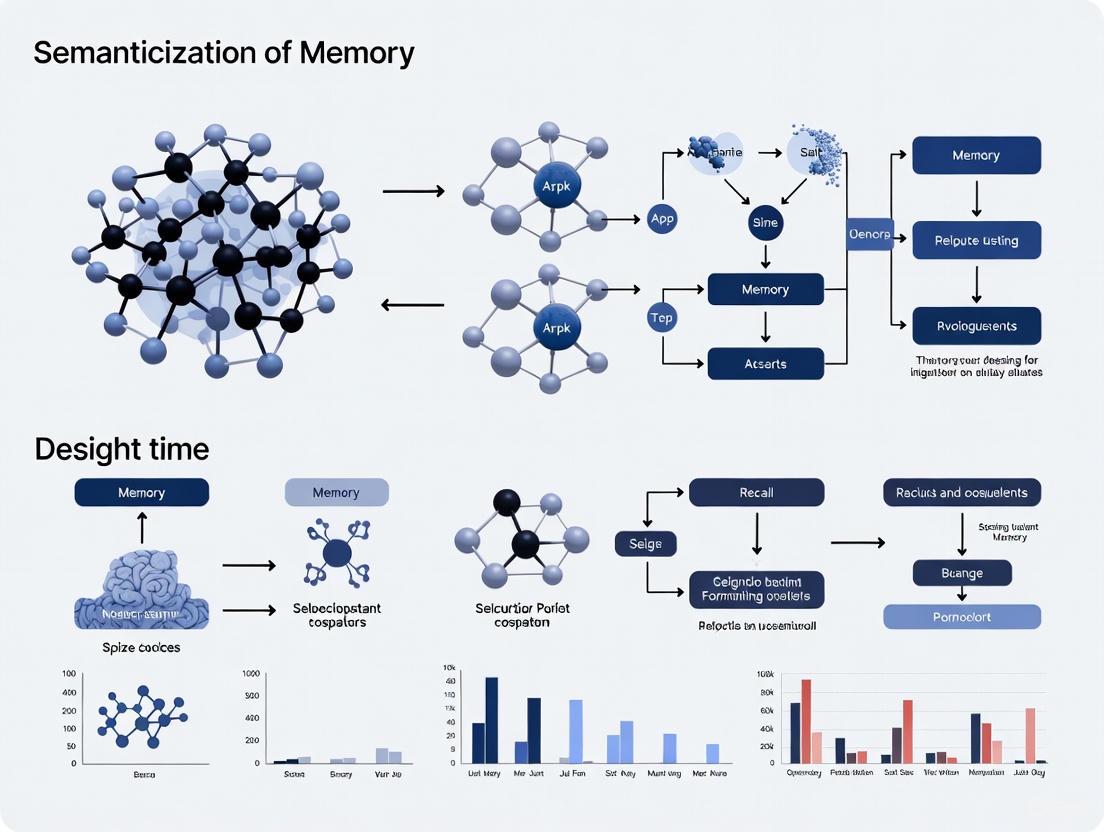
The Semanticization of Memory Over Time: Mechanisms, Network Resilience, and Therapeutic Implications
This article synthesizes current research on how declarative memories become increasingly semanticized—structured by meaning and gist—over time and across the adult lifespan.
The Neural Circuitry of Episodic Future Thinking: From Foundational Mechanisms to Clinical Translation in Addiction and Decision-Making
This article synthesizes contemporary research on the neural basis of episodic future thinking (EFT), the capacity for mental simulation of future events.
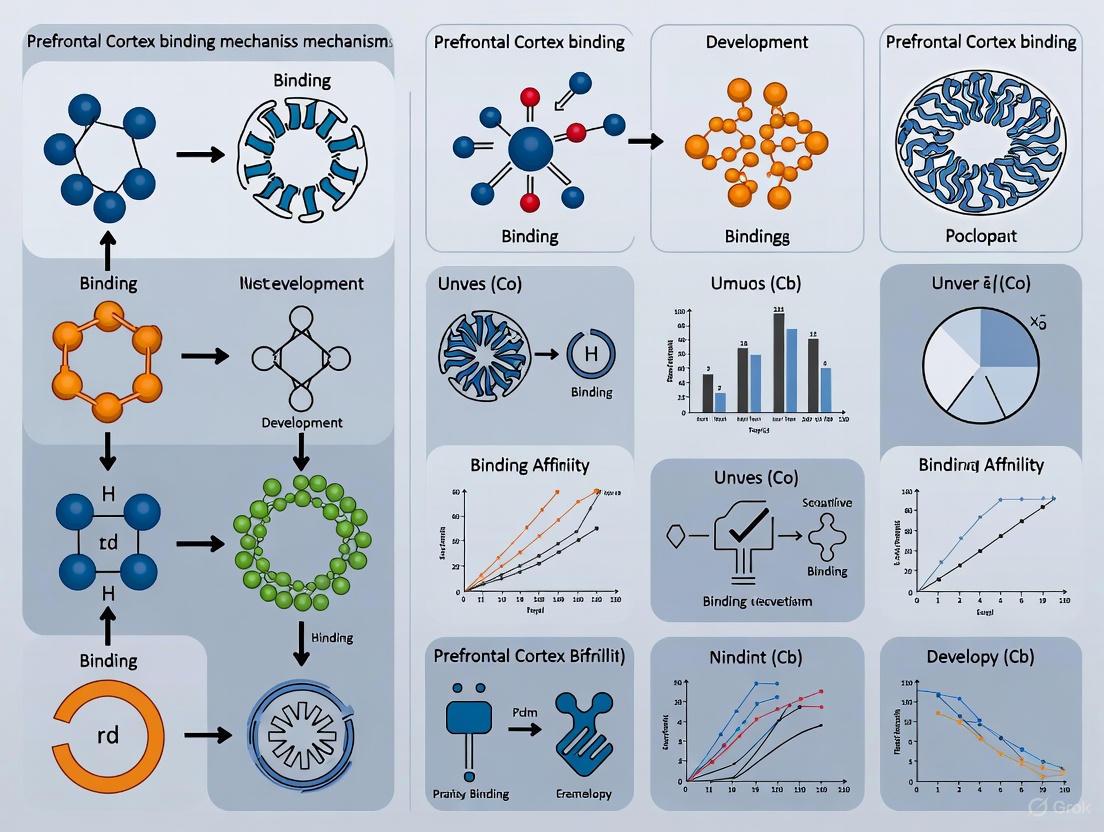
Prefrontal Cortex Binding Mechanisms in Development: Circuit Assembly, Critical Periods, and Therapeutic Implications
This article synthesizes current research on the cellular, synaptic, and circuit-level binding mechanisms that govern the protracted development of the prefrontal cortex (PFC).
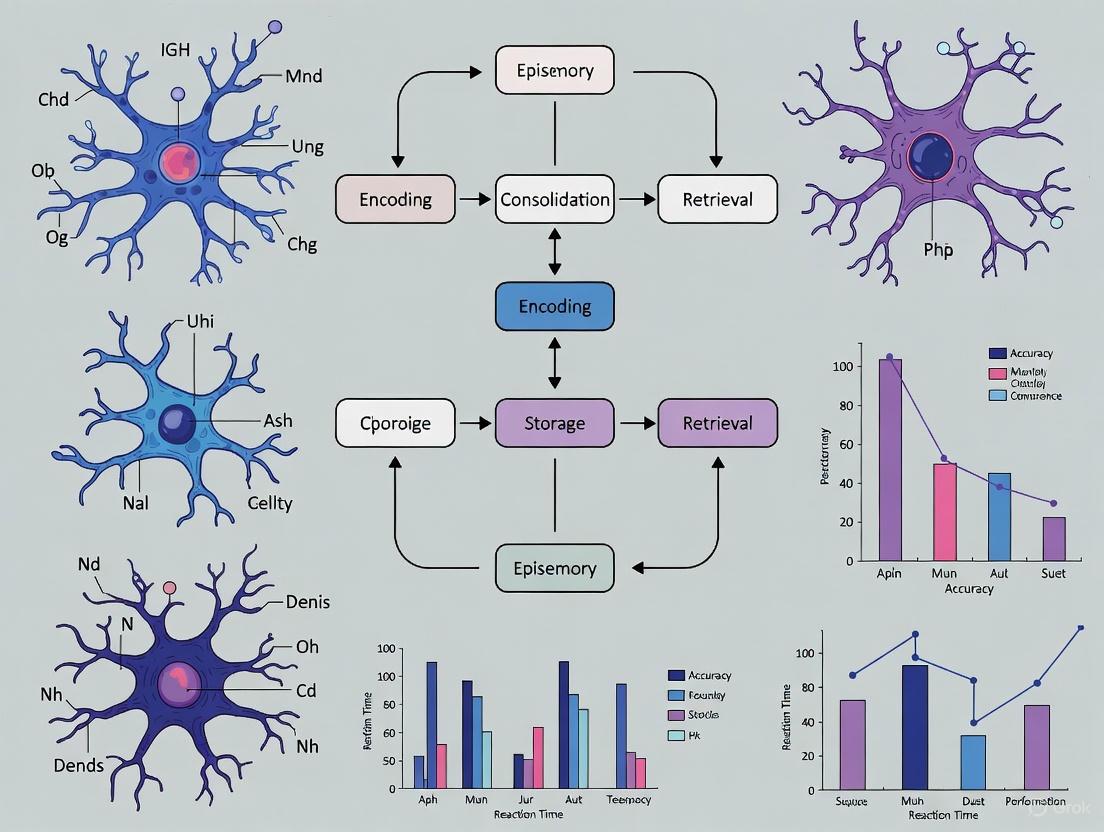
The Developing Brain: Unraveling the Mechanisms of Episodic Memory in Middle Childhood
This article provides a comprehensive synthesis of recent advances in understanding episodic memory development during middle childhood (ages 6-12), a period of significant cognitive maturation.
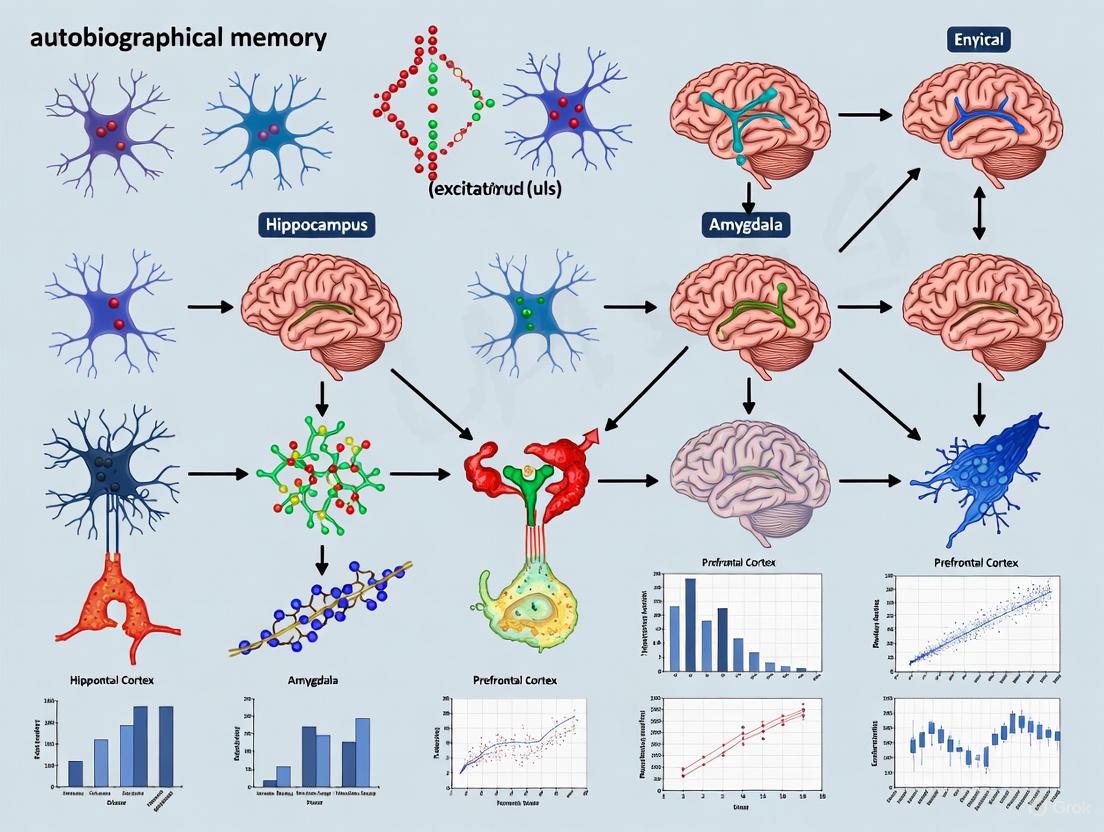
Mapping the Neural Substrates of Autobiographical Memory: From Core Networks to Clinical Applications
This article synthesizes current neuroimaging and neuropsychological research on the neural architecture of autobiographical memory (AM).
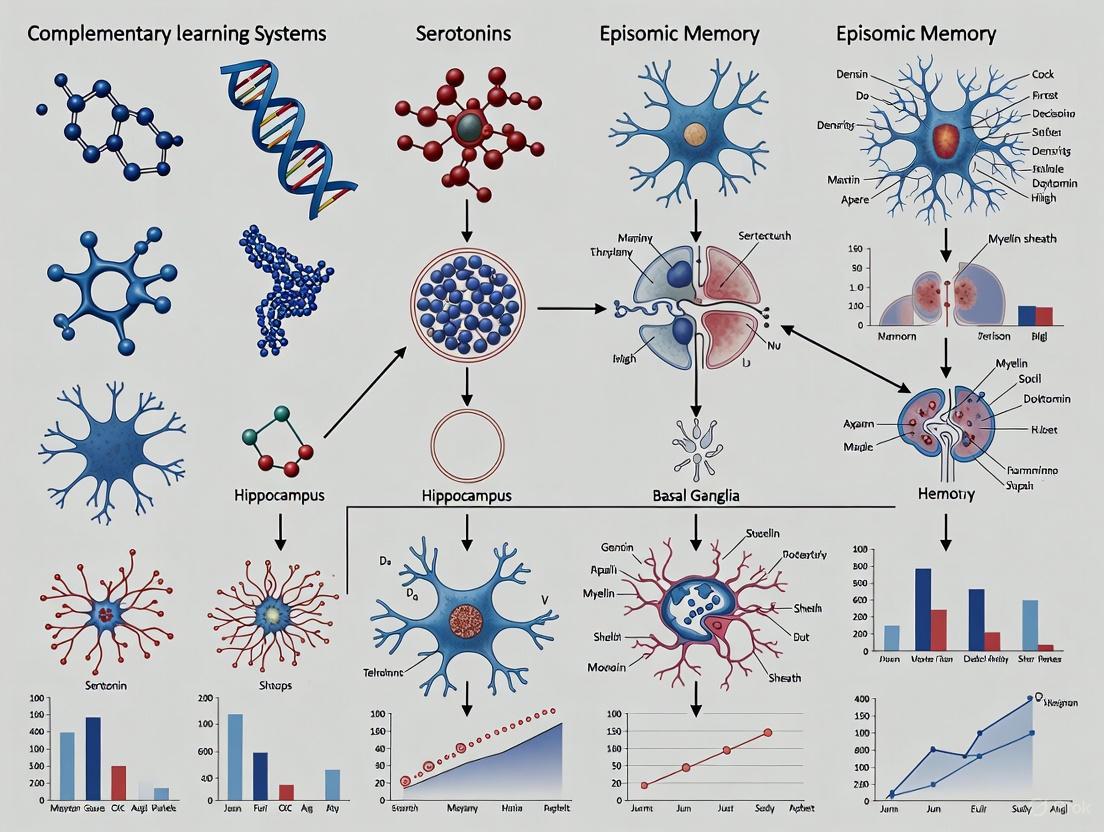
Complementary Learning Systems and Episodic Memory: A Neural Framework for Generalization in Intelligence and Clinical Translation
This article synthesizes current research on Complementary Learning Systems (CLS) theory and its interplay with episodic memory, addressing a critical gap between natural and artificial intelligence.
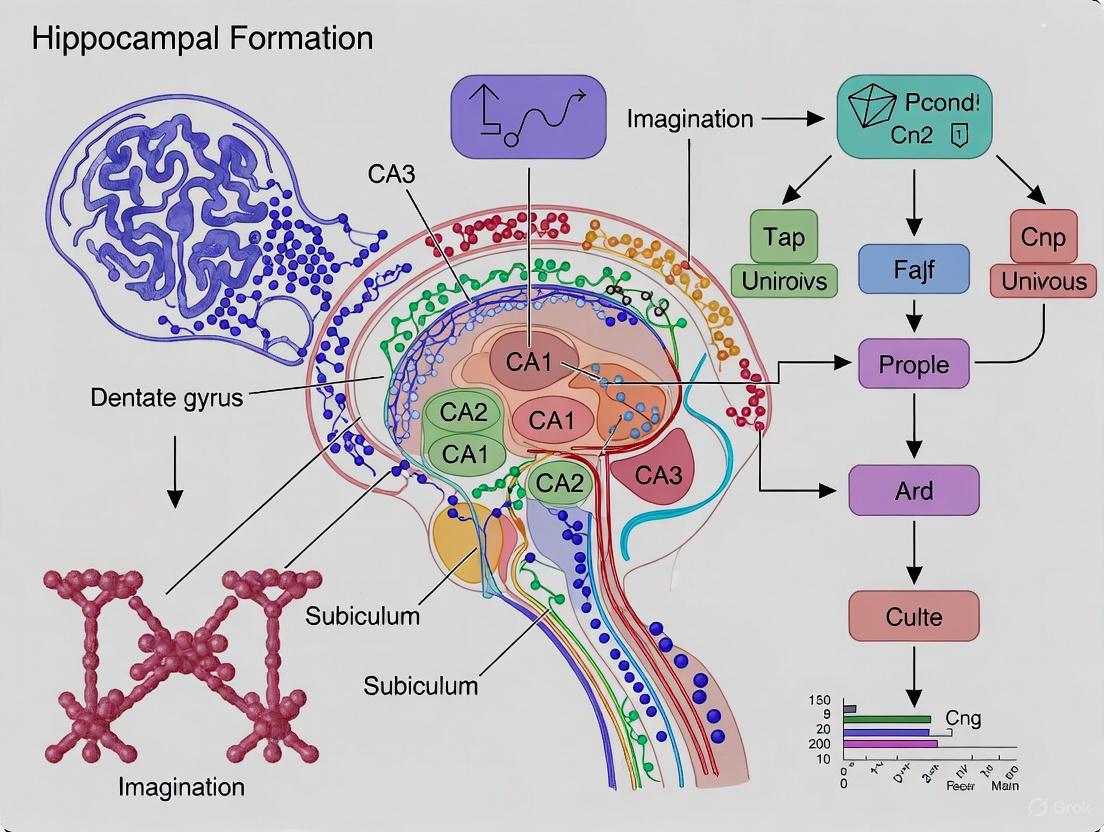
Beyond Memory: The Hippocampus as a Central Engine for Imagination and Future Thought
This article synthesizes contemporary neuroscience research to reposition the hippocampal formation from a mere memory archive to a dynamic generator of imagination.
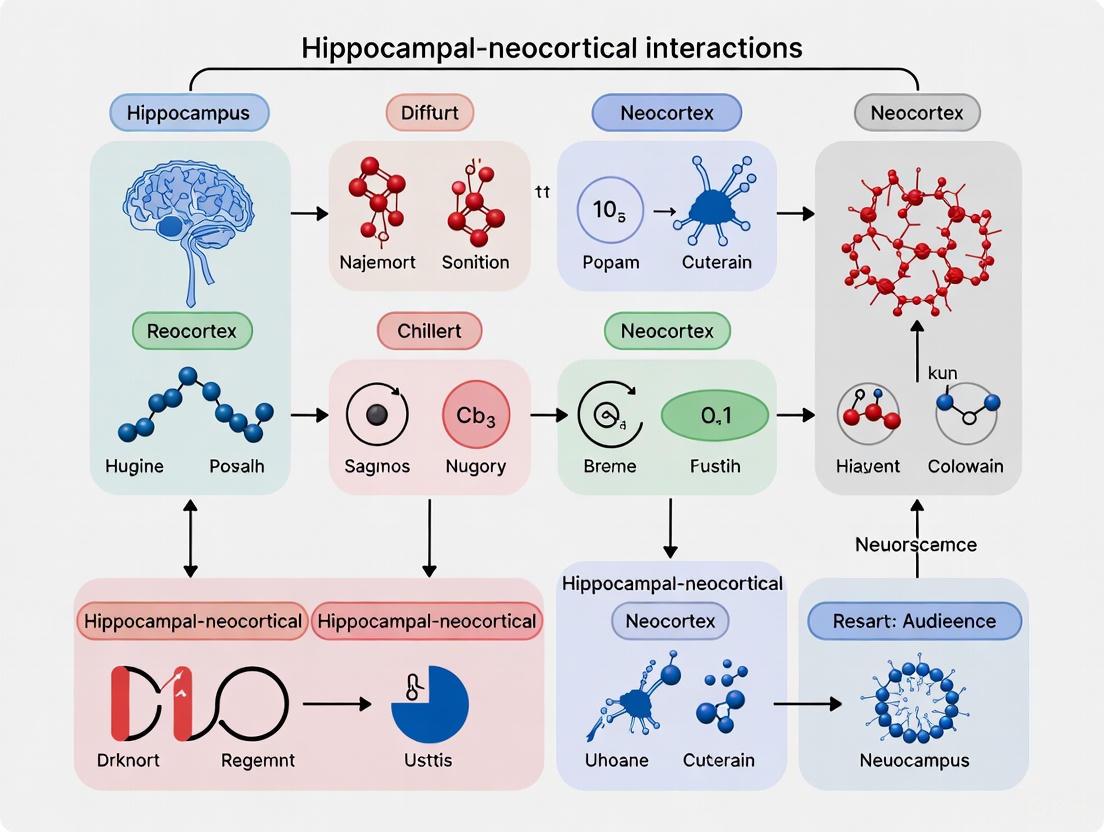
Hippocampal-Neocortical Interactions in Memory: From Foundational Mechanisms to Clinical Translation
This article synthesizes contemporary research on hippocampal-neocortical interactions, a dynamic circuit fundamental to memory formation, consolidation, and retrieval.
Schema-Based Distortions in Episodic Memory: Neural Mechanisms, Clinical Impacts, and Therapeutic Applications
This article synthesizes current research on how cognitive schemas distort the encoding and retrieval of episodic memories.
Latent Variables in the Entorhinal Cortex: Unlocking the Neural Code for Memory and Cognitive Disease
This article synthesizes contemporary research on the entorhinal cortex (EC) as a critical hub for latent variables underlying memory processes.