Functional Connectivity Analysis in Memory Networks: From Foundational Mechanisms to Clinical Translation in Neurology and Drug Development
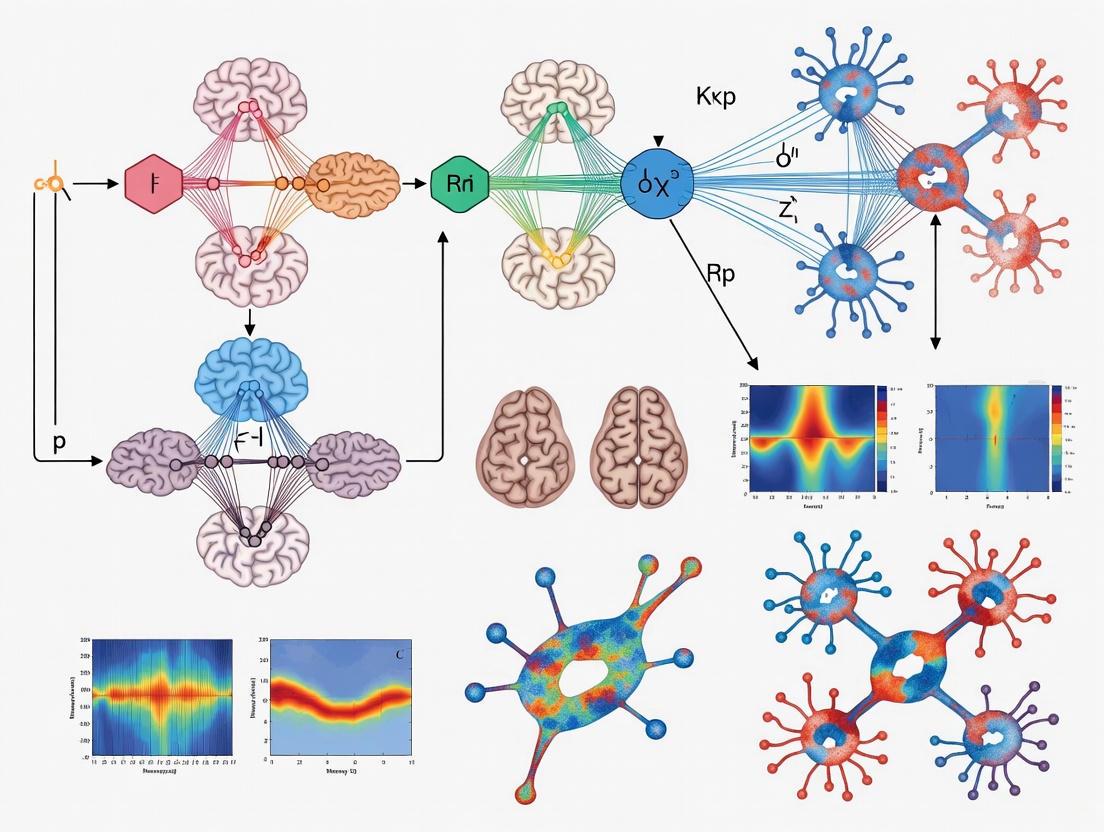
This article provides a comprehensive overview of functional connectivity (FC) analysis and its pivotal role in elucidating the neural underpinnings of memory.
Functional Connectivity Analysis in Memory Networks: From Foundational Mechanisms to Clinical Translation in Neurology and Drug Development
Abstract
This article provides a comprehensive overview of functional connectivity (FC) analysis and its pivotal role in elucidating the neural underpinnings of memory. It explores foundational discoveries, including the dynamic reorganization of brain networks supporting long-term memory persistence and its maladaptive counterparts in substance use disorders. We detail a suite of methodological approaches, from classic correlation analyses to advanced graph-theoretical and dynamic FC techniques, and address critical troubleshooting considerations for robust analysis. Furthermore, the review covers validation strategies and comparative findings across healthy aging, Alzheimer's disease, and mild cognitive impairment, highlighting the translational potential of FC biomarkers for diagnosing cognitive decline and evaluating novel therapeutics. This resource is tailored for researchers, neuroscientists, and drug development professionals seeking to leverage FC analysis in their work.
Mapping the Memory Connectome: From Network Reorganization to Maladaptive Plasticity
System Consolidation and Large-Scale Network Reorganization in Long-Term Memory
Application Notes: Core Principles and Quantitative Findings
This section details the core experimental findings and quantitative data on systems consolidation, the process through which new, labile memories become stable and integrated into long-term storage. This process is characterized by a time-dependent reorganization of brain networks, shifting reliance from the hippocampus to distributed neocortical regions [1] [2].
Table 1: Key Studies on Memory Trace Stabilization and Network Reorganization
| Study (Year) / Citation | Core Experimental Paradigm | Key Finding: Brain Activity/Connectivity Changes with Consolidation |
|---|---|---|
| Tallman et al. (2024) [1] | Verbal memory (sentences) retrieval tested at intervals from 1 hour to 1 month in older adults. | ↓ Hippocampal activity with memory age. ↑ Cortical activity in a "memory age network." ↑ vmPFC connectivity with posterior parietal cortex; ↓ hippocampal connectivity with vmPFC/OFC. |
| Takashima et al. (2007) [2] | Retrieval of well-learned face-location associations learned via massed (labile) vs. spaced (stabilized) training. | ↑ Activity for stabilized memories in precuneus, vmPFC, temporal pole. ↑ Functional connectivity between fusiform gyrus and precuneus. No change in fusiform or posterior parietal (representational areas). |
| Neuron Review (2023) [3] | Review of systems consolidation during sleep, specifically Slow-Wave Sleep (SWS). | Hippocampal memory replay coordinated with ripples, thalamic spindles, & neocortical slow oscillations. Transformation of episodic memory into neocortical schema. Synaptic rescaling and renormalization. |
Table 2: Behavioral and Performance Correlates of Consolidation
| Study | Task Performance (Stabilized vs. Labile) | Reaction Time | Confidence Ratings |
|---|---|---|---|
| Tallman et al. (2024) [1] | Memory accuracy changed with memory age. | Response times changed with memory age. | Confidence ratings changed with memory age. |
| Takashima et al. (2007) [2] | Equal, high retrieval success for both labile and stabilized associations. | Significantly faster for stabilized associations. | Not Reported |
Abbreviations: vmPFC: ventromedial Prefrontal Cortex; OFC: Orbitofrontal Cortex.
Experimental Protocols
This section provides detailed methodologies for key experiments investigating systems consolidation, designed to be replicated or adapted for future research.
1. Objective: To map changes in brain activity and functional connectivity associated with the consolidation of verbal memories over a one-month period.
2. Participants:
- Cohort: Older adults with normal cognition (e.g., N=24).
- Screening: Standard cognitive assessments to ensure normal function.
3. Stimuli and Task Design:
- Stimuli: Fact-like, three-word sentences.
- Learning Schedule: Participants study distinct sets of sentences at different intervals before a final fMRI scan (e.g., 1-month, 1-week, 1-day, and 1-hour pre-scan).
- fMRI Task: Inside the scanner, participants perform an old/new recognition memory test.
- Behavioral Data: Confidence ratings and response times are recorded for each trial.
4. Data Acquisition:
- Imaging: Whole-brain BOLD fMRI data acquired during the recognition task.
- Parameters: Standard EPI sequence; high-resolution T1-weighted anatomical scan.
5. Data Analysis:
- Preprocessing: Standard pipeline (realignment, normalization, smoothing).
- First-Level Analysis: General Linear Model (GLM) with events modeled by memory age (1-hour, 1-day, 1-week, 1-month).
- Contrasts: Identify voxels where retrieval-related activity increases or decreases as a function of memory age.
- Functional Connectivity: Seed-based connectivity analysis using the hippocampus and vmPFC as seeds. Test for changes in connectivity with memory age (e.g., using PPI or correlation analysis).
1. Objective: To identify large-scale network changes associated with memory stabilization using a spaced learning paradigm.
2. Participants:
- Cohort: Healthy young adults (e.g., N=22).
3. Stimuli and Task Design:
- Stimuli: Arbitrary face-location associations.
- Training Conditions:
- Stabilized Condition: One set of associations learned over one week with 3 training sessions spaced over 3 days (39 repetitions per pair).
- Labile Condition: A different set learned on the day of scanning in one massed session (39 repetitions per pair).
- fMRI Task: During the scan, cued recall is tested. Faces from both conditions are presented randomly, and participants retrieve the associated location.
4. Data Acquisition:
- Imaging: Event-related fMRI during cued recall.
5. Data Analysis:
- Main Contrast: Direct contrast of brain activity during successful retrieval of stabilized vs. labile associations.
- Functional Connectivity: Psycho-physiological interaction (PPI) analysis. Use the fusiform gyrus (identified from a localizer contrast) as a seed region to test for increased connectivity with other brain areas for stabilized memories.
1. Objective: To jointly map the neural basis of interactive language and episodic memory processes.
2. Participants:
- Cohort: Healthy, right-handed, native-language speakers.
3. Stimuli and Task Design (Three Runs):
- Run 1: Sentence Generation (GE) - Auditory Modality (Encoding)
- Task: Participants hear a noun and must generate a sentence incorporating it.
- Cognitive Processes: Simultaneous language production and episodic memory encoding.
- Run 2: Recognition (RECO) - Visual Modality (Retrieval)
- Task: Participants see sentences and must recognize哪些 were self-generated in Run 1.
- Cognitive Processes: Episodic memory retrieval (recognition) and language comprehension.
- Run 3: Recall of Sentences (RA) - Auditory Modality (Retrieval)
- Task: Participants hear the same nouns from Run 1 and must recall the exact sentence they generated.
- Cognitive Processes: Episodic memory retrieval (recall) and language production.
4. Data Acquisition and Analysis:
- Imaging: fMRI data acquired during all three runs.
- Analysis: GLM analysis for each run to identify activation in language (inferior frontal, temporal) and memory (medial temporal lobe, prefrontal, parietal) networks. Connectivity analysis can be performed to investigate network interactions.
Visualization of Experimental Workflows
The following diagrams illustrate the logical flow of the experimental protocols described above.
Diagram 1: Verbal Memory Consolidation Protocol
Diagram 2: Stabilized vs. Labile Memory Protocol
Diagram 3: Sleep-Dependent Consolidation
The Scientist's Toolkit: Research Reagent Solutions
Table 3: Essential Materials and Analytical Tools for Memory Network Research
| Item / Solution | Function / Application in Research |
|---|---|
| 3T MRI Scanner | High-field magnetic resonance imaging for acquiring BOLD fMRI data with sufficient spatial and temporal resolution to map brain networks. |
| Standardized Cognitive Batteries (e.g., ACE-R) | To screen participants for normal cognitive function and to correlate network integrity with global cognitive performance [4]. |
| Face-Location / Paired-Associate Paradigm | A well-controlled experimental task to probe associative memory, allowing dissociation of stimulus representation from associative binding [2]. |
| Verbal Memory Stimuli (e.g., fact-like sentences) | Ecologically valid stimuli for investigating the consolidation of complex, declarative memories in humans [1] [5]. |
| fMRI Analysis Software (e.g., FSL, SPM) | For preprocessing fMRI data, statistical modeling (GLM), and performing functional connectivity analyses (PPI, ICA) [1] [4]. |
| Independent Component Analysis (ICA) | A data-driven method to identify large-scale resting-state networks (RSNs) and examine their integrity and interactions without a priori seeds [4]. |
| Psycho-Physiological Interaction (PPI) | A seed-based connectivity analysis method to test how the functional coupling between a seed region and the rest of the brain changes with a specific task condition (e.g., memory stability) [2]. |
| Graph Theory Analysis | A mathematical framework to quantify the topology of brain networks (e.g., integration, segregation, efficiency) and its changes with age or consolidation [4]. |
Distinct Brain-Wide Activation Patterns in Short-Term vs. Long-Term Drug Memory Recall
Application Notes
This document provides a detailed overview of the distinct brain-wide networks supporting short-term versus long-term drug memory recall, with a specific focus on the dynamic reorganization of functional connectivity. The persistence of maladaptive drug memories is a core challenge in treating substance use disorders, as exposure to drug-associated cues can trigger relapse even after long periods of abstinence [6]. Emerging evidence from both rodent models and human studies indicates that the transition from short-term to long-term drug memory involves a systems-level consolidation process. This process is characterized by a large-scale reorganization of neural circuits, shifting from a more limited set of involved regions to a broader, more integrated, and highly coordinated brain-wide network [6] [7]. This application note synthesizes recent findings on these dynamic patterns and provides standardized protocols for investigating them within the broader context of functional connectivity analysis in memory networks research.
A key finding is that the recall of long-term cocaine memory is subserved by a more extensive and robustly synchronized brain network compared to its short-term counterpart. In a rodent model, while short-term memory recall activated 13 brain regions, long-term memory recall engaged a significantly broader network of 20 regions [6]. This expanded network in long-term recall includes strengthened recruitment of subcortical reward and motivation areas such as the nucleus accumbens core (NAcc), nucleus accumbens shell (NAcSh), and central amygdala (CeA) [6]. Furthermore, the functional connectivity between these regions—measured as interregional co-activation of the neuronal activity marker c-Fos—is significantly stronger during the recall of long-term drug memories. This indicates an enhancement of positive network coordination over time, a feature that is more pronounced for drug memories compared to neutral memories [6]. Within this reorganized long-term memory network, the retrosplenial cortex (RSC) has been identified as a critical hub, orchestrating the network's stability. Chronic inhibition of the RSC is sufficient to disrupt the entire network and impair the recall of long-term drug memory, highlighting its potential as a therapeutic target [6].
These network-level changes in drug memory parallel alterations observed in other conditions involving dysregulated reward and memory systems. For instance, abnormal functional connectivity in networks related to both drug and non-drug reward processing is a hallmark of stimulant use disorder [7]. Similarly, research on adolescents has shown that the resting-state functional connectivity of the hippocampus with networks like the default mode network is associated with impulsivity and can predict future substance use, emphasizing the role of pre-existing connectivity patterns in vulnerability [8]. The analysis of such complex brain networks requires sophisticated tools. Frameworks like ConnSearch have been developed to enhance the interpretability and effectiveness of functional connectivity analysis, particularly with limited sample sizes, by focusing on the predictive power of specific network components rather than just whole-brain classification [9].
Table 1: Regional Brain Activation During Short-Term vs. Long-Term Cocaine Memory Recall (c-Fos Expression) [6]
| Brain Region | Abbreviation | Activated in STM (Day 1) | Activated in LTM (Day 14) | Increased Activation in LTM vs. STM |
|---|---|---|---|---|
| Prelimbic Cortex | PrL | Yes | Yes | Yes |
| Infralimbic Cortex | IL | Yes | Yes | No |
| Anterior Cingulate Cortex | ACC | Yes | Yes | Yes |
| Dorsal Hippocampal CA1 | dCA1 | Yes | No | No |
| Dorsal Hippocampal CA3 | dCA3 | Yes | Yes | No |
| Basolateral Amygdala | BLA | Yes | Yes | No |
| Nucleus Accumbens Core | NAcc | No | Yes | Yes |
| Nucleus Accumbens Shell | NAcSh | No | Yes | Yes |
| Central Amygdala | CeA | No | Yes | Yes |
| Retrosplenial Cortex | RSC | No | Yes | Data Not Specified |
Table 2: Functional Connectivity and Network Properties in Long-Term Drug Memory [6]
| Metric | Description | Findings in Long-Term Cocaine Memory |
|---|---|---|
| Average Correlation (r-value) | Mean Pearson correlation of c-Fos between all brain region pairs. | Significantly higher than in short-term memory and home-cage controls. |
| Positive Coordination | Average of positive correlation coefficients between regions. | Significantly enhanced compared to short-term memory. |
| Network Hub | Brain region with high centrality and influence in the network. | Retrosplenial Cortex (RSC) identified as a key hub. |
| Network Stability | Resilience of the functional network to disruption. | More coordinated and stable network; inhibited by RSC suppression. |
Experimental Protocols
Protocol 1: Assessing Dynamic Brain-Wide Activation Patterns in a Rodent Model
This protocol outlines the procedure for comparing neural activation and functional connectivity during short-term and long-term drug memory recall using the cocaine-conditioned place preference (CPP) paradigm combined with c-Fos mapping [6].
Materials
- Subjects: Male Sprague-Dawley rats (e.g., 220-250 g upon arrival).
- Drugs: Cocaine HCl (dose as per institutional and ethical guidelines).
- Apparatus: CPP apparatus with distinct contextual chambers.
- Antibodies: Validated primary antibody for c-Fos protein, appropriate fluorescent secondary antibodies.
- Imaging System: Fluorescence microscope for whole-brain imaging.
Procedure
- Conditioned Place Preference (CPP) Training:
- Pre-test: Allow rats free access to all chambers for a set time (e.g., 15-20 min) to determine baseline chamber preference.
- Training (6 days): Administer cocaine and confine the animal to the non-preferred chamber. On alternate days, administer saline and confine the animal to the preferred chamber. This pairs the drug state with a specific context.
- Memory Recall Test:
- Short-Term Memory Recall: Conduct the CPP test 1 day after training completion (D1-Test). Place the rat in the neutral start area and allow free movement between all chambers for the test duration. Record the time spent in each chamber.
- Long-Term Memory Recall: Conduct an identical CPP test 14 days after training completion (D14-Test).
- Control Group: Include a home-cage control group (D14-No Test) that is not exposed to the CPP apparatus on day 14.
- Perfusion and Tissue Collection:
- Euthanize the animals 90 minutes after the start of the recall test to capture the peak of c-Fos expression.
- Transcardially perfuse with PBS followed by 4% paraformaldehyde (PFA). Extract the brain and post-fix in PFA, then cryoprotect in sucrose. Section brains coronally at 40 μm thickness using a cryostat.
- Immunofluorescence and c-Fos Mapping:
- Perform standard immunofluorescence staining for c-Fos on free-floating sections covering the entire forebrain and midbrain.
- Image stained sections using a fluorescence microscope. Quantify c-Fos-positive nuclei in 27+ pre-defined brain regions of interest (e.g., mPFC, hippocampus subregions, amygdala subnuclei, NAcc, RSC, VTA, etc.) using automated or semi-automated cell counting software.
- Functional Connectivity and Network Analysis:
- For each animal, create a vector of c-Fos counts across all analyzed regions.
- Construct Correlation Matrices: Calculate Pearson correlation coefficients (r) for c-Fos expression between every pair of brain regions within each experimental group (e.g., D1-Test, D14-Test). This creates a functional connectivity matrix.
- Graph Theory Analysis: Model the brain as a network where each region is a "node." Create edges between nodes if their correlation is statistically significant (p < 0.05). Calculate network metrics like degree centrality and betweenness centrality to identify hubs.
Protocol 2: Chemogenetic Inhibition of a putative Network Hub
This protocol describes the validation of a key network node (e.g., the Retrosplenial Cortex, RSC) using chemogenetics [6].
Materials
- Viral Vectors: AAV vectors carrying inhibitory DREADDs (Designer Receptors Exclusively Activated by Designer Drugs, e.g., AAV-hM4D(Gi)-mCherry) and a fluorescent control (e.g., AAV-mCherry).
- Drug: Clozapine-N-oxide (CNO), dissolved in sterile saline.
- Stereotaxic Surgery Equipment.
Procedure
- Stereotaxic Surgery:
- Anesthetize rats and secure them in a stereotaxic frame.
- Inject the AAV-hM4D(Gi)-mCherry or control virus bilaterally into the RSC using coordinates determined from a brain atlas (e.g., AP: -2.0 to -4.0 mm, ML: ±0.5 mm, DV: -1.5 mm from Bregma). Allow 3-4 weeks for viral expression.
- CPP Training and Recall:
- Train all animals in the cocaine CPP paradigm as described in Protocol 1.
- Before the long-term memory recall test on Day 14, administer CNO (e.g., 3 mg/kg, i.p.) 30-45 minutes prior to the test.
- Analysis:
- Compare the CPP score (time in drug-paired chamber) between the DREADD and control groups to assess the effect of RSC inhibition on memory recall.
- Perform c-Fos mapping and network analysis as in Protocol 1 to confirm that RSC inhibition disrupts the overall functional connectivity network.
Visualization of Signaling Pathways and Workflows
Experimental Workflow for Drug Memory Network Analysis
The Scientist's Toolkit: Research Reagent Solutions
Table 3: Essential Materials for Investigating Drug Memory Networks
| Item | Function/Application in Research | Example/Note |
|---|---|---|
| Cocaine CPP Paradigm | Establishes a robust model of drug-context associative memory in rodents. | Allows for controlled testing of short-term (1-day) and long-term (14-day) memory recall [6]. |
| c-Fos Immunofluorescence | Marks recently activated neurons, providing a snapshot of brain-wide activity patterns during memory recall. | A critical tool for mesoscale mapping of network engagement; quantified 90 mins post-recall [6]. |
| Chemogenetic Tools (DREADDs) | Allows reversible, targeted inhibition (or excitation) of specific neuronal populations in vivo. | Used to validate the functional role of network hubs like the RSC by disrupting its activity prior to memory recall [6]. |
| Functional Connectivity Analysis | Quantifies the interregional coordination of neural activity, moving beyond single-region analysis. | Calculated using Pearson correlation of c-Fos counts between brain regions; reveals network-level changes [6]. |
| Graph Theory Metrics | Provides quantitative descriptors of brain network topology, such as hub identity and efficiency. | Metrics like degree centrality and betweenness centrality identify critical hubs like the RSC [6]. |
| Advanced Analysis Frameworks (e.g., ConnSearch) | Enhances interpretability of functional connectivity findings, especially with limited sample sizes. | A machine learning framework that tests the predictive power of network sub-components rather than the whole connectome [9]. |
Enhanced Interregional Coordination and Network Stability as Hallmarks of Persistent Memory
Application Notes
This document synthesizes key findings from contemporary neuroscience research to provide application notes and detailed protocols for investigating persistent memory networks. The content is framed within the broader context of functional connectivity analysis, offering practical guidance for researchers, scientists, and drug development professionals working on memory persistence mechanisms, particularly in substance use disorders.
Recent research demonstrates that long-term persistent memories are characterized by a large-scale reorganization of brain networks toward a more integrated and stable state, distinct from the networks supporting short-term memory [6] [10]. Studies using cocaine conditioned place preference (CPP) models in rats reveal that the recall of long-term cocaine memory involves more extensive and stronger neuronal activation across brain regions, greater interregional co-activation, and a more coordinated and stable brain network compared to short-term cocaine memory [6]. Within this reorganized network, the retrosplenial cortex (RSC) has been identified as a critical hub, with chronic inhibition of RSC successfully disrupting network integrity and impairing long-term memory recall [6] [10].
Table 1: Dynamic Changes in Brain Network Properties During Memory Consolidation
| Network Property | Short-Term Memory | Long-Term Memory | Measurement Technique | Statistical Significance |
|---|---|---|---|---|
| Number of Activated Brain Regions | 13 regions | 20 regions | c-Fos immunohistochemistry | Significant increase [6] |
| Average Functional Connectivity (r-value) | Lower positive coordination | Significantly higher positive coordination | Pearson correlation of c-Fos expression | p < 0.05 [6] |
| Network Stability | Less stable | More coordinated and stable | Graph theory analysis | Enhanced in long-term memory [6] |
| Key Hub Regions | Hippocampal-centric | Retrosplenial Cortex (RSC) as critical hub | Degree/betweenness centrality | RSC inhibition disrupts recall [6] |
| Cognitive Control Association | Not directly measured | FPN segregation & CON flexibility correlate with better control | fMRI functional connectivity | Individual differences in adolescents [11] |
Research Reagent Solutions
Table 2: Essential Research Materials for Functional Connectivity Memory Research
| Research Reagent / Material | Application / Function | Example Use Case |
|---|---|---|
| c-Fos Immunohistochemistry Assays | Mapping neuronal activation patterns across brain regions | Identifying regions activated during memory recall in CPP models [6] |
| Chemogenetic Tools (DREADDs) | Targeted inhibition or activation of specific brain regions | Chronic inhibition of retrosplenial cortex to disrupt memory networks [6] |
| Functional Near-Infrared Spectroscopy (fNIRS) | Measuring cortical hemodynamic activity during cognitive tasks | Monitoring functional connectivity in human memory studies [12] |
| Cocaine Conditioned Place Preference (CPP) Model | Establishing drug-context associative memories in rodents | Studying persistence of drug-related memories [6] [10] |
| Graph Theory Analysis Software | Quantifying network properties (degree centrality, betweenness centrality) | Analyzing functional connectivity patterns in brain networks [6] |
| Independent Component Analysis (ICA) | Decomposing rs-fMRI data into functionally distinct networks | Identifying dynamic functional network connectivity states [13] |
Experimental Protocols
Protocol 1: Mapping Functional Connectivity in Persistent Memory Models
Objective: To characterize the dynamic functional connectivity patterns supporting persistent memory formation and recall using a rodent conditioned place preference model.
Materials:
- Adult male Sprague-Dawley rats (220-250g)
- Cocaine hydrochloride for CPP establishment
- Control saline solution for control groups
- Perfusion and immunohistochemistry equipment
- c-Fos primary and secondary antibodies
- Confocal microscopy system for whole-brain imaging
Procedure:
Conditioned Place Preference Training:
- Conduct pre-test session to establish baseline chamber preference
- Implement 6-day training protocol with alternating drug-paired and vehicle-paired chamber exposures
- Administer cocaine (dose: 10-15 mg/kg, i.p.) immediately before confinement in drug-paired chamber
- Administer saline before confinement in vehicle-paired chamber
- Conduct short-term memory test on day 1 post-training
- Conduct long-term memory test on day 14 post-training [6]
Neuronal Activation Mapping:
- Euthanize animals 90 minutes after memory recall tests
- Transcardially perfuse with 4% paraformaldehyde
- Process brain tissue for c-Fos immunohistochemistry
- Image and quantify c-Fos positive cells across 27 brain regions including mPFC, hippocampus, striatum, and amygdala subregions [6]
Functional Connectivity Analysis:
- Calculate Pearson correlation coefficients of c-Fos expression between all pairs of brain regions
- Construct functional networks with brain regions as nodes and significant correlations as edges
- Apply graph theory metrics: degree centrality, betweenness centrality, and global efficiency [6]
Chemogenetic Validation:
- Express inhibitory DREADDs in retrosplenial cortex
- Administer CNO prior to long-term memory testing
- Assess disruption of network connectivity and memory recall [6]
Experimental Workflow for Persistent Memory Connectivity Analysis
Protocol 2: Dynamic Functional Network Connectivity Analysis in Human Populations
Objective: To investigate dynamic functional network connectivity patterns associated with cognitive performance and memory function in human participants.
Materials:
- 3.0T MRI scanner with echo-planar imaging capability
- 100 patients with Alzheimer's disease and 69 healthy controls (as reference population)
- Neuropsychological assessment batteries (MMSE, MoCA, CAVLT, VFT)
- Data preprocessing pipelines (Graph Theoretical Network Analysis toolbox)
- Independent component analysis software (GIFT 4.0) [13]
Procedure:
Participant Screening and Assessment:
- Recruit participants meeting inclusion/exclusion criteria
- Administer comprehensive neuropsychological assessment
- Obtain informed consent following institutional guidelines [13]
MRI Data Acquisition:
- Acquire high-resolution T1-weighted structural images
- Collect resting-state fMRI data (echo-planar imaging sequence)
- Monitor and minimize head motion during scanning [13]
Data Preprocessing:
- Discard initial 10 volumes to ensure signal equilibrium
- Apply head motion correction using realignment to mean volume
- Perform nuisance regression (white matter, CSF, motion parameters)
- Normalize to standard Montreal Neurological Institute space
- Apply spatial smoothing (6mm Gaussian kernel) [13]
Dynamic Functional Connectivity Analysis:
- Perform group independent component analysis to extract functional networks
- Apply sliding window approach to capture temporal dynamics
- Cluster connectivity states using k-means algorithm
- Calculate dynamic metrics: mean dwell time, fractional occupancy, transition probabilities [13]
Clinical Correlation and Classification:
- Correlate dynamic connectivity measures with cognitive scores
- Perform support vector machine classification to distinguish clinical groups
- Validate findings through cross-validation techniques [13]
Dynamic Functional Network Connectivity Analysis Pipeline
Protocol 3: fNIRS Investigation of Short-Term Memory Functional Connectivity
Objective: To examine functional connectivity patterns during short-term memory tasks using functional near-infrared spectroscopy.
Materials:
- 41 healthy young adult participants (college students aged 18-22)
- fNIRS system with appropriate optode placement
- Memory challenge test materials (18-digit sequences)
- Facial expression analysis software
- Physiological monitoring equipment (heart rate) [12]
Procedure:
Experimental Setup:
- Conduct experiments in controlled environment (22±1°C, sound-attenuated)
- Ensure uniform lighting conditions (500 lux)
- Apply fNIRS optodes targeting prefrontal cortex, visual association cortex, pre-motor cortex
- Position facial recognition camera for expression monitoring [12]
Memory Task Protocol:
- Present 18-digit sequences for memorization (1-minute encoding)
- Implement 30-second pause followed by written recall
- Include 30-second rest period with eyes closed
- Repeat for four trials with different digit sequences [12]
Data Collection:
- Record hemodynamic responses via fNIRS throughout task
- Monitor facial expressions in real-time during memory challenge
- Record heart rate variability as indicator of cognitive load
- Group participants by performance (≤12 digits vs. >12 digits recalled) [12]
Functional Connectivity Analysis:
- Calculate correlations between hemodynamic time series from different regions
- Compare connectivity strength between high and low performers
- Analyze task-related changes in network organization
- Correlate physiological measures with memory performance [12]
Critical Methodological Considerations
The investigation of persistent memory networks requires careful attention to several methodological factors. For animal models, the selection of appropriate time points for assessing short-term versus long-term memory is crucial, with day 1 and day 14 post-training providing meaningful insights into network consolidation [6]. The combination of multiple techniques—including c-Fos mapping, correlation analysis, graph theory, and chemogenetic interventions—provides complementary evidence for network-level reorganization [6].
In human studies, accounting for dynamic state transitions in functional connectivity reveals important information about network flexibility and cognitive performance [13] [11]. The identification of critical hub regions like the retrosplenial cortex offers promising targets for therapeutic interventions aimed at disrupting maladaptive memory networks in substance use disorders [6] [10].
These protocols provide a comprehensive framework for investigating the enhanced interregional coordination and network stability that characterize persistent memory formation, with particular relevance for understanding and treating conditions involving maladaptive memory persistence.
The Retrosplenial Cortex as a Critical Hub in Orchestrating Long-Term Cocaine Memory
The retrosplenial cortex (RSC), a key node within the brain's default mode network, has emerged as a critical hub for the persistence of long-term maladaptive memories, including those associated with cocaine use [14] [15]. The persistence of drug memories is a major challenge in treating substance use disorders, as exposure to drug-associated cues can reactivate these memories and lead to relapse, even after long periods of abstinence [10] [16]. Recent research demonstrates that the consolidation of long-term cocaine memory is not reliant on a single brain region but involves a large-scale reorganization of functional brain networks, evolving from a limited set of regions into a more extensive and highly coordinated system [16]. Within this reorganized network, the RSC serves as an orchestrating hub, and its targeted inhibition has been shown to disrupt the recall of long-term cocaine memory, offering a promising target for novel relapse prevention strategies [10] [16].
Core Findings and Data Presentation
Dynamic Network Reorganization in Cocaine Memory
Research utilizing cocaine conditioned place preference (CPP) in rats combined with c-Fos mapping has delineated the dynamic changes in neural networks supporting short-term (1-day) versus long-term (14-day) cocaine memory.
Table 1: Neuronal Activation (c-Fos Expression) Across Key Brain Regions During Cocaine Memory Recall
| Brain Region | Short-Term Memory (1-day) Recall | Long-Term Memory (14-day) Recall | Notes |
|---|---|---|---|
| Prefrontal Areas | |||
| Prelimbic Cortex (PrL) | ↑ Activated | ↑↑ Activated | Stronger activation in long-term [16] |
| Anterior Cingulate Cortex (ACC) | ↑ Activated | ↑↑ Activated | Stronger activation in long-term [16] |
| Hippocampal Formation | |||
| Dorsal CA1 | ↑ Activated | Not Activated | Activated only in short-term [16] |
| Dorsal CA3 | ↑ Activated | ↑ Activated | [16] |
| Striatum & Amygdala | |||
| Nucleus Accumbens Core (NAcc) | Not Activated | ↑ Activated | Activated only in long-term [16] |
| Basolateral Amygdala (BLA) | ↑ Activated | ↑ Activated | [16] |
| Central Amygdala (CeA) | Not Activated | ↑ Activated | Activated only in long-term [16] |
| Other Regions | |||
| Retrosplenial Cortex (RSC) | Not Activated | ↑ Activated | Key hub, activated only in long-term [16] |
| Ventral Tegmental Area (VTA) | Not Activated | ↑ Activated | Activated only in long-term [16] |
The data reveals a dramatic expansion of the network involved in cocaine memory over time. While short-term memory recall activates approximately 13 brain regions, long-term memory recall involves about 20 regions [16]. This expansion is accompanied by a shift in regional importance, with the RSC emerging as a critical hub specifically for the persistence of the long-term memory [16].
Table 2: Functional Connectivity and Network Properties in Long-Term Cocaine Memory
| Network Property | Short-Term Memory | Long-Term Memory | Significance |
|---|---|---|---|
| Number of Activated Regions | ~13 | ~20 | More extensive network for long-term memory [16] |
| Average Positive Functional Connectivity | Lower | Significantly Higher | Enhanced inter-regional co-activation [16] |
| Network Coordination | Less coordinated | More coordinated and stable | Reorganization towards an integrated brain state [16] |
| Key Hub Region | Not identified | Retrosplenial Cortex (RSC) | RSC chronic inhibition disrupts network and impairs recall [10] [16] |
| RSC-Hippocampus Connectivity | - | Critical for episodic memory | RSC serves as gateway between medial temporal lobe and cortical DMN [14] |
The RSC as a Central Hub
The RSC is anatomically positioned to act as an intermediate layer, facilitating information transfer between the medial temporal lobe (e.g., the hippocampus) and other cortical regions of the default mode network [14]. Graph-theoretical analyses confirm that the RSC has high betweenness centrality, meaning a high proportion of short communication paths within the DMN pass through it [14]. In the context of cocaine memory, the RSC is not activated during short-term recall but becomes a critically engaged node during long-term recall. Chronic inhibition of the RSC during the long-term test disrupts the overall stability of the memory network and impairs memory recall, underscoring its essential role as a hub [16]. Furthermore, long-term cocaine use disrupts functional connectivity between the RSC and the anterior insular cortex, a change that is linked to difficulties in focusing, impulse control, and resisting cravings [17].
Experimental Protocols
Protocol 1: Mapping Cocaine Memory Networks with c-Fos and Functional Connectivity Analysis
This protocol outlines the procedure for identifying brain-wide networks activated by cocaine memory recall and analyzing their functional connectivity, as performed in [16].
Primary Objective: To delineate and compare the functional brain networks underlying short-term and long-term cocaine-associated memory recall.
Study Design:
- Subjects: Male Sprague-Dawley rats.
- Groups: Randomly assigned to Cocaine-CPP and Saline-CPP control groups, with testing at short-term (1-day) and long-term (14-day) time points.
- Design: Controlled laboratory experiment.
Methods and Procedures:
- Cocaine Conditioned Place Preference (CPP) Training:
- A 6-day protocol is used to establish association between a distinct context and cocaine administration.
- Pre-test: Rats explore a two- or three-chamber apparatus to establish baseline preference.
- Training: Over several days, rats are confined to a specific chamber after receiving cocaine and to another chamber after saline, strengthening the context-drug association.
- Post-test: Rats freely explore the apparatus, and time spent in the cocaine-paired chamber is quantified. A significant increase in time indicates successful memory formation.
Memory Recall Test:
- Short-term and long-term memory recall tests are conducted on day 1 and day 14 after training completion, respectively.
- Rats are placed back into the CPP apparatus without drug administration, and their behavior is recorded.
Tissue Collection and c-Fos Immunofluorescence:
- Ninety minutes after the recall test, rats are perfused, and brains are collected.
- Brain sections containing regions of interest are incubated with a primary antibody against c-Fos protein, followed by a fluorescently tagged secondary antibody.
- c-Fos-positive nuclei are quantified using fluorescence microscopy or automated cell counting software across 27+ brain regions.
Functional Connectivity and Network Analysis:
- Data Matrix Construction: For each group, a data matrix is created where rows represent individual animals and columns represent the c-Fos+ cell count in each brain region.
- Correlation Analysis: Pearson correlation coefficients (r) are computed between all pairs of brain regions across animals to create a functional connectivity matrix.
- Network Construction: A functional network is built using graph theory, where each brain region is a "node," and an "edge" is drawn if the correlation between two regions is statistically significant (p < 0.05).
- Network Metrics: The "degree centrality" of each node is calculated to identify hubs. The overall network density and stability are compared between groups.
Expected Results: It is anticipated that the long-term cocaine memory group will show a wider distribution of c-Fos activation, higher average functional connectivity, and a more coordinated network topology, with the RSC exhibiting high centrality.
Protocol 2: Chemogenetic Inhibition of the RSC to Probe Causal Role
This protocol describes the use of chemogenetics to test the causal role of the RSC in long-term cocaine memory persistence, based on [16].
Primary Objective: To determine whether chronic inhibition of the RSC during memory recall disrupts the long-term cocaine memory network and impairs recall.
Study Design:
- Subjects: Male Sprague-Dawley rats.
- Groups: Rats are randomly assigned to receive AAV vectors encoding either an inhibitory DREADD (hM4Di) or a control vector in the RSC.
- Design: Controlled, blinded laboratory experiment.
Methods and Procedures:
- Stereotaxic Surgery and Viral Vector Delivery:
- Rats are anesthetized and placed in a stereotaxic frame.
- AAV vectors (e.g., AAV8-CaMKIIa-hM4D(Gi)-mCherry for excitatory neurons) are bilaterally microinfused into the anterior RSC using precise coordinates.
- Animals are allowed to recover for several weeks to allow for full viral expression.
Cocaine CPP Training:
- The 6-day CPP training protocol is conducted as described in Protocol 1.
Chemogenetic Inhibition during Memory Recall:
- On day 14, prior to the long-term memory test, the DREADD ligand Clozapine-N-oxide (CNO) is administered systemically.
- CNO activates the inhibitory hM4Di DREADD, selectively silencing RSC neurons during the memory recall test.
Assessment of Memory and Network Function:
- Behavior: Cocaine memory strength is assessed by comparing CPP scores between CNO-treated DREADD and control groups.
- Network Verification: Ninety minutes after the recall test, brains are collected for c-Fos analysis. Successful network disruption is confirmed by a reduction in c-Fos expression not only in the RSC but also in its downstream target regions.
Expected Results: It is expected that rats with inhibited RSC will show significantly lower preference for the cocaine-paired context and a disrupted pattern of functional connectivity across the memory network compared to controls.
Visualization of Workflows and Pathways
Experimental Workflow for Network Analysis of Cocaine Memory
The following diagram illustrates the integrated experimental and computational pipeline for mapping memory networks.
RSC-Centric Model of Long-Term Cocaine Memory Network
This diagram conceptualizes the reorganization of the memory network and the central role of the RSC in long-term persistence.
The Scientist's Toolkit: Research Reagent Solutions
Table 3: Essential Research Reagents and Tools for Investigating RSC in Memory
| Item | Function/Application | Specific Example(s) |
|---|---|---|
| Chemogenetic Tools | Causally links RSC activity to memory function by reversibly inhibiting neurons during specific behavioral phases. | AAV vectors encoding inhibitory DREADDs (e.g., hM4Di) under CaMKIIa promoter; ligand Clozapine-N-oxide (CNO) [16]. |
| Activity Markers | Identifies and quantifies neurons activated during memory recall. | Antibodies against immediate early gene products (c-Fos, Fos) [16] [18]. |
| Spatial Transcriptomics | Reveals cell-type-specific gene expression patterns in the RSC following learning. | 10x Genomics Visium and Xenium platforms [18]. |
| Behavioral Paradigm | Establishes a robust, quantifiable associative memory between context and cocaine. | Cocaine Conditioned Place Preference (CPP) [10] [16]. |
| Functional Connectivity Analysis Software | Analyzes neural activity data to construct and quantify functional brain networks. | Custom scripts for Pearson correlation and graph theory metrics (degree, betweenness centrality) [16] [19]. |
| fMRI | Non-invasively measures changes in functional connectivity between brain networks in vivo. | Resting-state fMRI in rodent models [17]. |
Hyperconnectivity and Altered Dynamic States in Alzheimer's Disease and Aging
Functional connectivity analysis has emerged as a powerful approach for understanding neural network dysfunction in aging and Alzheimer's disease. Recent research reveals that Alzheimer's pathology involves not only connectivity loss but also complex patterns of hyperconnectivity and dynamic temporal alterations in network states [20] [21]. This Application Note synthesizes current findings and methodologies for investigating these phenomena, providing researchers with standardized protocols for data acquisition, analysis, and interpretation within the broader context of memory networks research.
Quantitative Findings in Alzheimer's Connectivity Dynamics
Dynamic Functional Network Connectivity (dFNC) States
Recent investigations using resting-state functional magnetic resonance imaging have identified characteristic dynamic functional network connectivity states that differentiate Alzheimer's disease patients from healthy controls. The table below summarizes key quantitative findings from recent studies.
Table 1: Dynamic Functional Network Connectivity Alterations in Alzheimer's Disease
| Metric | Patient Group | Healthy Controls | Significance | Clinical Correlation |
|---|---|---|---|---|
| State III Mean Dwell Time | Significantly longer [22] | Shorter dwell time [22] | p < 0.05 | Negative correlation with cognitive scores [22] |
| State III Fractional Time | Significantly higher [22] [13] | Lower fractional time [22] [13] | p < 0.05 | Negative correlation with cognitive scores [22] [13] |
| State IV Mean Dwell Time | Shorter dwell time [22] | Significantly longer [22] | p < 0.05 | Not specified |
| State IV Fractional Time | Lower fractional time [22] [13] | Significantly higher [22] [13] | p < 0.05 | Not specified |
| Anterior-Temporal Hyperconnectivity | Elevated in MCI and Alzheimer's dementia [20] | Lower connectivity | p < 0.05 | Associated with amyloid burden, glucose hypometabolism, hippocampal atrophy [20] |
| Classification Accuracy | Highest in State II (multiple network dysfunction) [22] | Accurate differentiation | Not specified | Characterized by intra- and inter-network dysfunction [22] |
Network-Specific Alterations Across the Aging Spectrum
Table 2: Network-Specific Connectivity Changes in Aging and Alzheimer's Disease
| Network | Aging Trajectory | Alzheimer's Alteration | Functional Implications |
|---|---|---|---|
| Anterior-Temporal | Subtle changes with age [20] | Hyperconnectivity [20] | Associated with faster progression to dementia [20] |
| Posterior-Medial | Lower connectivity with advancing age [20] | No global changes [20] | Not specified |
| Default Mode Network | Reduced functional connectivity [23] | Intra-network impairment [22] | Compromised system in healthy aging and AD [23] |
| Fronto-Parietal Network | Not specified | Not specified | Greater segregation associated with better cognitive control [11] |
| Cingulo-Opercular Network | Not specified | Not specified | More flexible connectivity associated with better cognitive control [11] |
Experimental Protocols
Protocol 1: Dynamic Functional Network Connectivity Analysis
Objective: To identify and characterize recurrent brain connectivity states in Alzheimer's disease using resting-state fMRI.
Participant Selection:
- Cohort: 100 Alzheimer's disease patients, 69 healthy controls (age-, sex-, and education-matched) [22]
- Inclusion Criteria: Probable AD diagnosis per NINCDS-ADRDA criteria; CDR scores 0.5-2; HC participants with Mini-Mental State Examination score ≥27 [22]
- Exclusion Criteria: Hearing/visual impairment, other dementia subtypes, psychiatric disorders, stroke, substance abuse, MRI contraindications [22]
MRI Acquisition Parameters:
- Scanner: 3.0T GE scanner [22]
- Sequence: Resting-state fMRI
- Preprocessing: Discard first 10 volumes, head motion correction, nuisance regression (white matter, CSF, Friston's 24 motion parameters), spatial normalization, spatial smoothing (6mm FWHM) [22]
Analytical Pipeline:
- Group Independent Component Analysis: Infomax algorithm in GIFT 4.0, 100 independent components [22]
- dFNC Calculation: Sliding window approach, post-processing (detrending, despiking, low-pass filtering <0.15Hz) [22]
- State Analysis: k-means clustering to identify recurrent states, calculation of mean dwell time and fractional occupancy [22]
- Statistical Analysis: Correlation between dFNC metrics and clinical scores, support vector machine classification [22]
Protocol 2: Anterior-Temporal Hyperconnectivity Assessment
Objective: To quantify hyperconnectivity within the anterior-temporal network and its association with Alzheimer's disease progression.
Participant Cohort:
- Sample: 261 participants spanning adult lifespan and Alzheimer's continuum [20]
- Groups: Cognitively unimpaired adults (n=209), amnestic MCI patients (n=26), Alzheimer's dementia patients (n=26) [20]
- Longitudinal Design: Up to three visits over 47 months maximum [20]
Multimodal Imaging:
- Structural and Resting-state fMRI [20]
- Florbetapir and 18F-fluorodeoxyglucose PET [20]
- Seed-based Analysis: Perirhinal and parahippocampal cortices as seeds within data-driven AT and PM network masks [20]
Statistical Modeling:
- Generalized additive and linear mixed models for age-specific effects and Alzheimer's-related alterations [20]
- Associations with cerebral amyloid uptake, glucose metabolism, hippocampal volume, global cognition, diagnostic staging, time to dementia onset [20]
Visualization of Experimental Workflows
dFNC Analysis Pipeline
Alzheimer's Connectivity Trajectory Model
The Scientist's Toolkit: Research Reagent Solutions
Table 3: Essential Research Materials for Functional Connectivity Studies
| Reagent/Resource | Specifications | Application | Key Function |
|---|---|---|---|
| GIFT Software Package | Version 4.0 [22] | Group ICA | Data-driven decomposition of fMRI data into functional networks |
| Graph Theoretical Network Analysis Toolbox | Version 2.0 in MATLAB [22] | fMRI preprocessing | Motion correction, normalization, smoothing |
| 3.0T MRI Scanner | GE Healthcare [22] | Data acquisition | High-resolution functional and structural imaging |
| AFNI 3dDespike Algorithm | Integrated in preprocessing [22] | Artifact removal | Elimination of outliers from artifacts or external interference |
| ICASSO | 20 repetitions [22] | Algorithm reliability | Enhancement of ICA reliability through repeated runs |
| Butterworth Filter | Fifth-order, low-pass <0.15Hz [22] | Signal processing | Removal of high-frequency noise while preserving low-frequency signals |
| Seed-based Analysis | Perirhinal/parahippocampal seeds [20] | Targeted connectivity | Assessment of specific network alterations |
| Support Vector Machine | Multivariate pattern analysis [22] | Classification | Differentiation of AD patients from controls |
The documented protocols and findings provide a framework for investigating hyperconnectivity and dynamic network states in Alzheimer's disease. The anterior-temporal hyperconnectivity pattern and altered temporal dynamics in States III and IV represent promising biomarkers for early detection and progression monitoring. These standardized methodologies enable consistent application across research sites, facilitating comparison across studies and accelerating the development of network-based diagnostic tools and therapeutic interventions.
The Methodological Toolkit: From fMRI and Graph Theory to Biomarker Discovery
Functional connectivity (FC) analysis is a cornerstone of modern neuroscience, providing critical insights into the functional communication between spatially separated brain regions. Within the specific context of memory networks research, quantifying these interactions is essential for understanding the neural underpinnings of memory formation, storage, and retrieval. The choice of FC metric can significantly influence the interpretation of brain network organization and dynamics. While numerous methods exist, Pearson correlation, coherence, and phase synchronization represent three fundamental and widely employed approaches for estimating FC. Each metric captures distinct aspects of neural interactions: Pearson correlation identifies linear, zero-lag temporal similarities; coherence measures frequency-specific linear correlations; and phase synchronization assesses the consistency of rhythmic coupling between signals regardless of amplitude. This application note provides a detailed comparison of these core metrics and offers standardized protocols for their application in memory-related research, enabling researchers to select and implement the most appropriate method for their specific scientific questions.
Quantitative Comparison of Core FC Metrics
The table below summarizes the key characteristics, advantages, and limitations of Pearson correlation, coherence, and phase synchronization for functional connectivity analysis.
Table 1: Core Functional Connectivity Metrics for Memory Networks Research
| Metric | Mathematical Basis | Sensitivity | Neurobiological Interpretation in Memory | Computational Complexity | Key Applications in Memory Research |
|---|---|---|---|---|---|
| Pearson Correlation | Linear, zero-lag covariance normalization [24] [19] | Linear, stationary relationships; Zero-lag co-activation [19] | Synchronous hemodynamic activity in networks like the Default Mode and Hippocampal-Cortical circuits [13] [25] | Low | Mapping static, resting-state networks; Identifying strong, stable connections [24] [19] |
| Coherence (e.g., Imaginary) | Frequency-domain correlation; magnitude-squared coherence [24] [26] | Linear correlations within specific frequency bands [26] | Coordinated neural oscillations at different frequencies (e.g., theta, alpha); Coupling of distributed brain rhythms [26] [27] | Medium | Studying task-induced oscillatory coupling; Analyzing frequency-specific network interactions [24] [26] |
| Phase Synchronization (e.g., PLI, PLV) | Consistency of phase difference between signals over time [27] [28] | Non-linear, lagged, and non-stationary interactions [27] [28] | Information exchange and communication efficiency between regions; Altered in Alzheimer's disease [27] | Medium to High | Tracking dynamic network reconfiguration; Assessing effective connectivity and information flow [27] [28] |
Table 2: Performance Benchmarks and Practical Considerations
| Metric | Robustness to Common Artifacts | Structure-Function Coupling (Typical R² Range*) | Individual Fingerprinting Capability | Recommended Data Preprocessing |
|---|---|---|---|---|
| Pearson Correlation | Low to Moderate (sensitive to motion, physiological noise) | ~0.10 - 0.20 [24] | High [24] | Global signal regression, band-pass filtering (e.g., 0.01-0.1 Hz), stringent motion scrubbing |
| Coherence (e.g., Imaginary) | Moderate (Imaginary Coherence is less sensitive to volume conduction) [24] | ~0.15 - 0.25 (Imaginary Coherence) [24] | Moderate to High [24] | Band-pass filtering tailored to frequency bands of interest (e.g., 0.01-0.1 Hz for fMRI) |
| Phase Synchronization (e.g., PLI, PLV) | High for PLI (immune to zero-lag, volume-conducted sources) [27] | Varies by method and band | High, especially for dynamic analyses [27] | Band-pass filtering is critical for valid phase estimation [28] |
*Based on benchmarking studies; actual values depend on data acquisition, preprocessing, and anatomical parcellation [24].
Experimental Protocols for FC Analysis in Memory Studies
Protocol 1: Seed-Based Pearson Correlation for Mapping Memory Networks
Objective: To identify brain regions that exhibit synchronous, zero-lag BOLD activity with a seed region located in a key memory area (e.g., hippocampus) during rest or a memory task.
Materials & Reagents:
- Preprocessed fMRI data (from resting-state or task paradigm).
- Anatomical atlas or predefined seed region coordinates.
- Computing environment (e.g., MATLAB, Python) with neuroimaging libraries (SPM, FSL, Nilearn).
Procedure:
- Data Preprocessing: Preprocess the fMRI data using a standard pipeline, including slice-timing correction, realignment, coregistration to structural images, normalization to standard space (e.g., MNI), and spatial smoothing. Nuisance regression (white matter, cerebrospinal fluid, motion parameters) and band-pass filtering (typically 0.01-0.1 Hz) are essential [19].
- Seed Selection: Define a seed Region of Interest (ROI). This can be a sphere centered on coordinates from a memory task meta-analysis or an anatomically defined mask (e.g., from the AAL atlas) for the hippocampus [19].
- Time Series Extraction: For the seed region, extract the BOLD time series by averaging the signal from all voxels within the ROI.
- Correlation Calculation: Compute the Pearson correlation coefficient between the seed time series and the time series of every other voxel in the brain [19].
- Statistical Inference: Convert correlation coefficients to Z-scores using Fisher's transformation. Perform group-level statistical analysis (e.g., one-sample t-test against zero) to identify significant connectivity patterns. Apply multiple comparison correction (e.g., FDR, FWE).
Data Interpretation: Significant positive correlations indicate regions that are functionally connected with the seed, forming a putative memory network. For example, hippocampal seed-based correlation often reveals connectivity with posterior cingulate, medial prefrontal, and lateral parietal cortices—components of the default mode network [13] [25].
Protocol 2: Coherence Analysis for Frequency-Specific Memory Network Interactions
Objective: To assess frequency-dependent functional connectivity between brain regions during a memory task, capturing oscillatory coupling that may be masked in full-bandwidth correlation analysis.
Materials & Reagents:
- Preprocessed fMRI or electrophysiology (EEG/MEG) data.
- Software for spectral analysis (e.g., MATLAB with Signal Processing Toolbox, FieldTrip, MNE-Python).
Procedure:
- Data Preparation and Filtering: Extract the regional time series from preprocessed data. While fMRI data is typically band-pass filtered, coherence analysis requires decomposition into frequency components. Methods like Multivariate Variational Mode Decomposition (MVMD) can decompose signals into data-driven, aligned oscillatory components across regions [26].
- Compute Coherence: For two time series, x(t) and y(t), calculate the magnitude-squared coherence, C~xy~(f): C~xy~(f) = |P~xy~(f)|² / (P~xx~(f) P~yy~(f)) where P~xy~(f) is the cross-power spectral density, and P~xx~(f) and P~yy~(f) are the auto-power spectral densities. This is typically estimated using Welch's method [26].
- Statistical Analysis: Use nonparametric permutation testing to establish significance of coherence values against a null distribution of coherence from surrogate data. Compare coherence in specific frequency bands (e.g., slow-5: 0.01-0.027 Hz; slow-4: 0.027-0.073 Hz for fMRI) between task conditions or groups [26].
Data Interpretation: High coherence in a specific frequency band suggests that two regions interact strongly at that oscillatory rhythm. In memory tasks, this might manifest as increased theta-band coherence between hippocampus and prefrontal cortex during encoding or retrieval [26].
Protocol 3: Phase Synchronization for Dynamic Memory Connectivity
Objective: To evaluate the dynamic alignment of oscillatory phases between brain regions, which is thought to reflect transient communication states crucial for working memory maintenance and long-term memory retrieval.
Materials & Reagents:
- Preprocessed, band-pass filtered fMRI or EEG data.
- Toolboxes for phase and connectivity analysis (e.g., Brainstorm, FieldTrip, in-house scripts for PLI/PLV).
Procedure:
- Band-Pass Filtering: Filter the regional time series into the frequency band of interest (e.g., alpha band: 8-13 Hz for EEG; 0.01-0.1 Hz for fMRI). This step is critical for obtaining a meaningful phase signal [28].
- Phase Extraction: Apply the Hilbert transform to each filtered signal to extract the instantaneous phase time series, φ(t).
- Calculate Phase-Locking Value (PLV): For each time point, compute the phase difference between two regions: Δφ(t) = φ~x~(t) - φ~y~(t). The PLV across a time window is: PLV = |(1/N) Σ~t=1~^N^ exp(i Δφ(t))| where N is the number of time points. PLV ranges from 0 (no synchronization) to 1 (perfect phase locking) [27].
- Calculate Phase Lag Index (PLI): PLI discounts phase differences centered around 0 mod π, making it robust to volume conduction. It is calculated as: PLI = |⟨sign[sin(Δφ(t))]⟩| where ⟨⟩ denotes the mean over time [27].
- Dynamic Analysis (For fMRI): Use a sliding window approach to compute PLI/PLV over time, then cluster the resulting connectivity matrices to identify recurring brain states [13] [28].
Data Interpretation: High PLV/PLI indicates stable phase synchronization, suggesting efficient communication. Studies show that Alzheimer's disease patients exhibit altered phase synchronization (e.g., in alpha band) compared to healthy controls, highlighting its sensitivity to memory network dysfunction [27].
Workflow Visualization: From Data to Functional Connectivity Metrics
The following diagram illustrates the general analytical workflow for applying the three core FC metrics in a memory study, from data acquisition to statistical inference.
Figure 1: Analytical workflow for functional connectivity analysis, showing the divergent paths for different core metrics and the optional dynamic analysis pathway.
Table 3: Key Research Reagents and Computational Tools for FC Analysis
| Category / Item | Specific Examples & Details | Primary Function in FC Analysis |
|---|---|---|
| Data Acquisition | 3T/7T fMRI Scanner; High-density EEG/fNIRS systems; HCP-style multi-echo sequences | Acquire high-quality BOLD, electrophysiological, or hemodynamic time series data. |
| Brain Atlases & Parcellations | Schaefer (100-1000 parcels); Automated Anatomical Labeling (AAL); Harvard-Oxford Atlas | Define network nodes (ROIs) for time series extraction by grouping voxels [24]. |
| Preprocessing Pipelines | fMRIPrep; DPABI; CONN; HCP Minimal Preprocessing Pipelines | Perform standardized data cleaning (motion correction, normalization, denoising). |
| FC Calculation Toolboxes | PySPI [24]; FieldTrip; Brainstorm; CONN; Nilearn | Implement algorithms for Pearson correlation, coherence, PLV, PLI, and other FC metrics. |
| Phase Synchronization Metrics | Phase-Locking Value (PLV); Phase Lag Index (PLI); Cosine of Relative Phase (CRP) [28] | Quantify the consistency of phase relationships between regional signals, robust to common artifacts [27]. |
| Dynamic FC Analysis Software | DynamicBC; GIFT; In-house scripts for sliding window & k-means clustering [13] | Model time-varying connectivity and identify recurring brain states. |
| Statistical & Modeling Platforms | R; Python (scikit-learn, nilearn); PALM; FSL's Randomize | Perform group-level inference, classification (e.g., SVM, GCN [27]), and multiple comparisons correction. |
The selection of a functional connectivity metric—Pearson correlation, coherence, or phase synchronization—is a fundamental methodological decision that directly shapes the interpretation of memory network organization and dynamics. Pearson correlation offers a robust and interpretable measure of static, zero-lag connectivity, ideal for mapping major network architecture. Coherence provides a spectral decomposition of linear interactions, revealing frequency-specific coupling that may be central to task-dependent memory processes. Phase synchronization metrics, such as PLV and PLI, capture non-stationary, dynamic communication patterns that underlie complex cognitive functions and are highly sensitive to clinical disruptions. By applying the standardized protocols and considerations outlined in this document, researchers can systematically leverage these core metrics to advance our understanding of the neural circuitry of memory in both health and disease.
Directed functional connectivity has emerged as a pivotal tool in neuroscience for deciphering the complex causal relationships and dynamic information flow between different brain regions. Unlike traditional correlation-based analyses, directed connectivity methods, primarily Granger Causality (GC) and Transfer Entropy (TE), can reveal the direction and timing of neural interactions, providing insights into how cognitive functions are controlled and coordinated. In memory networks research, understanding these directional influences is crucial for mapping information encoding, consolidation, and retrieval pathways. This article provides detailed application notes and protocols for implementing these powerful analytical techniques, framed within the context of functional connectivity analysis for memory research, to aid researchers, scientists, and drug development professionals in advancing neurological and psychiatric investigations.
Theoretical Foundations and Comparative Analysis
Granger Causality is based on a linear regressive model, operationalizing the principle that if the past of time series X can help predict the future of time series Y more accurately than using the past of Y alone, then X "Granger-causes" Y. It is typically implemented in a multivariate autoregressive (MVAR) framework, making it highly effective for modeling linear interactions in neural data. In contrast, Transfer Entropy is a model-free information-theoretic measure that quantifies the reduction in uncertainty about the future of Y given the past of both X and Y, beyond the information already contained in the past of Y alone. It is inherently nonlinear and can capture more complex, non-Gaussian relationships in neural signals, making it suitable for the noisy and non-stationary nature of brain data.
The table below summarizes the core characteristics, advantages, and limitations of each method.
Table 1: Comparative Analysis of Granger Causality and Transfer Entropy
| Feature | Granger Causality (GC) | Transfer Entropy (TE) |
|---|---|---|
| Theoretical Basis | Linear regression, predictive causality [29] [30] | Information theory, information transfer [31] [32] [33] |
| Measured Quantity | Improvement in prediction error | Reduction in uncertainty (in bits/nats) |
| Primary Strength | Computationally efficient; well-suited for linear systems. | Model-free; captures non-linear and complex interactions. |
| Primary Limitation | May fail to capture non-linear causal relationships [32]. | Requires substantial data for accurate estimation [33]. |
| Typical Applications | fMRI effective connectivity [30], EEG network dynamics [29] | EEG information flow [31] [34], cellular signaling pathways [33] |
Application Notes and Key Findings
Insights from Granger Causality
GC analysis has been successfully applied to reveal how expertise shapes brain dynamics. A study on intuitive driving used time-varying GC on source-domain EEG data to compare experienced and novice drivers. The results, derived from a sliding-window GC approach, showed that experienced drivers exhibited a more stable and dispersed connectivity pattern, particularly in the beta band, which was interpreted as evidence of more efficient neural strategies for rapid decision-making. In contrast, novice drivers showed more complex and less efficient connectivity patterns [29]. This demonstrates GC's utility in uncovering training- or experience-related plasticity in functional brain networks, which is highly relevant for understanding memory consolidation into automatic recall.
In another application, GC was integrated with graph-based deep learning for fMRI analysis. This framework used the Akaike Information Criterion (AIC) to optimize the lag order for the MVAR model. The resulting directed graph frameworks demonstrated robustness to hyperparameter variations and provided biologically plausible insights into brain function, preserving predictive performance in classification and regression tasks while offering a nuanced understanding of information flow [30].
Insights from Transfer Entropy
TE has proven valuable in characterizing brain state changes. A clinical EEG study investigating eyes-open (EO) versus eyes-closed (EC) conditions used a TE-based methodology to analyze information flow. The study found a significant increase in information transfer in the EC condition for the alpha, beta1, and beta2 frequency bands. Notably, no preferred direction of interhemispheric information flow was observed under either condition. This methodology was specifically designed to be viable under the technical constraints of a typical clinical setting, using short 24-channel EEG records sampled at 65 Hz [31].
Beyond neuroscience, TE's power is showcased in molecular biology. Researchers applied TE to analyze the information flow between SOS and RAF proteins in the RAS-MAPK signaling pathway, a critical system in cell growth and differentiation. The analysis detected significant amounts of TE in both directions, indicating feedback regulation. Furthermore, TE analysis identified the temporal switching in the primary reaction pathway and revealed the functional impairment caused by a SOS mutation linked to Noonan syndrome, demonstrating its potential as a model-free tool in pharmacology and pathology [33].
Advanced deep learning models are now being developed to leverage TE. The TEKTE-Net, an end-to-end deep learning model for motor imagery classification, integrates a kernelized TE estimator to infer directed functional connectivity from EEG signals. This architecture automatically highlights contralateral activations during motor imagery and shows spectral selectivity for beta and gamma bands, offering a robust and interpretable approach for brain-computer interface (BCI) applications [34].
Experimental Protocols
Protocol 1: Assessing Information Flow with Transfer Entropy in EEG
This protocol outlines the steps to characterize information flow between brain hemispheres during resting-state conditions using TE, based on the methodology from [31].
I. Research Reagent Solutions Table 2: Essential Materials for TE EEG Analysis
| Item | Function/Description |
|---|---|
| EEG System | A standard clinical EEG system with at least 24 channels, configured according to the 10-20 international system. |
| Electrodes/Cap | Disposable or reusable Ag/AgCl electrodes embedded in an electrocap to ensure consistent scalp positioning. |
| Conductive Gel | Electrolyte gel to maintain stable impedance (< 5 kΩ) throughout the recording session. |
| Preprocessing Software | Software (e.g., EEGLAB, FieldTrip) for filtering, artifact removal, and re-referencing. |
II. Step-by-Step Procedure
Participant Preparation & Data Acquisition:
- Recruit subjects according to inclusion/exclusion criteria (e.g., no neurological/psychiatric history).
- Fit the EEG cap and prepare scalp sites to achieve low impedance.
- Record EEG data under two conditions: Eyes-Closed (EC) and Eyes-Open (EO) resting state. Each condition should consist of at least 5 minutes of continuous recording. A sampling rate of 65 Hz is sufficient, mimicking clinical settings [31].
- Ensure the participant remains alert and minimizes movement during recordings.
Data Preprocessing:
- Filtering: Apply a bandpass filter (e.g., 0.5-45 Hz) to remove slow drifts and high-frequency noise.
- Artifact Removal: Manually or automatically identify and remove segments contaminated by muscle activity, eye blinks, or movement artifacts. Independent Component Analysis (ICA) can be used for ocular artifact correction.
- Re-referencing: Re-reference the data to a common average reference.
- Band Separation: Use a filter bank (e.g., Butterworth) to decompose the preprocessed data into standard frequency bands of interest: Delta (1-4 Hz), Theta (4-8 Hz), Alpha (8-13 Hz), Beta1 (13-20 Hz), Beta2 (20-30 Hz), and Gamma (30-45 Hz).
Transfer Entropy Calculation:
- For each subject, condition, and frequency band, calculate the TE for all pairwise combinations of EEG channels.
- The TE from channel X (source) to channel Y (target) is given by:
TE_{X→Y} = Σ p(y_{t+1}, y_t, x_t) * log2( p(y_{t+1} | y_t, x_t) / p(y_{t+1} | y_t) )wherepdenotes probability. - Implement a TE estimator that is robust to limited data, such as a Gaussian approximation [33]. Use open-source toolboxes like the TRENTOOL or JIDT for calculation.
Construction of Connectivity Indexes:
- From the full TE matrix, calculate the following summary indexes for intra- and inter-hemispheric analysis [31]:
- Total Activity: The sum of all TE values in the matrix, representing the global level of information transfer.
- Number of Active Connections: The count of connections where the TE value exceeds a statistically significant threshold (determined via surrogate data testing).
- Average Strength: The mean TE value across all active connections.
- Directionality Index:
(Σ(TE_{X→Y} - TE_{Y→X})) / Σ(TE_{X→Y} + TE_{Y→X})to quantify net information flow.
- From the full TE matrix, calculate the following summary indexes for intra- and inter-hemispheric analysis [31]:
Statistical Analysis:
- Use non-parametric statistical tests like the Wilcoxon signed-rank test to compare the connectivity indexes (e.g., Total Activity) between the EO and EC conditions for each frequency band.
- Apply a false discovery rate (FDR) correction for multiple comparisons across frequency bands.
Diagram 1: TE-EEG Analysis Workflow
Protocol 2: Dynamic Directed Connectivity with Granger Causality for fMRI
This protocol details the process of deriving effective connectivity between brain regions from fMRI data using GC, integrated into a graph convolutional network (GCN) as described in [30].
I. Research Reagent Solutions Table 3: Essential Materials for GC-fMRI Analysis
| Item | Function/Description |
|---|---|
| fMRI Scanner | A 3T or higher MRI scanner capable of acquiring T2*-weighted BOLD images. |
| Analysis Computer | A high-performance computer with sufficient RAM and CPU/GPU for time-series analysis and deep learning. |
| Software Platforms | Python with libraries like NumPy, SciPy, statsmodels for GC, and PyTorch/TensorFlow for GCN implementation. |
| Brain Atlas | A standardized brain parcellation atlas (e.g., AAL, Harvard-Oxford) to define Regions of Interest (ROIs). |
II. Step-by-Step Procedure
fMRI Data Acquisition & Preprocessing:
- Acquire resting-state or task-based fMRI data. Standard parameters include: TR = 2 seconds, voxel size = 3x3x3 mm³.
- Preprocess the data using a standard pipeline, which includes: slice-timing correction, realignment, co-registration, normalization to a standard space (e.g., MNI), and spatial smoothing.
Time Series Extraction:
- Using a brain atlas, extract the average BOLD time series from each Region of Interest (ROI). This results in a multivariate time series matrix
Xof dimensions[N, T], whereNis the number of ROIs andTis the number of time points.
- Using a brain atlas, extract the average BOLD time series from each Region of Interest (ROI). This results in a multivariate time series matrix
Granger Causality Graph Construction:
- Model Order Selection: For each ROI time series, determine the optimal lag order
pfor the MVAR model using the Akaike Information Criterion (AIC) [29] [30]. - MVAR Model Estimation: Fit a MVAR model of order
pto the full multivariate time series:X(t) = Σ_{k=1 to p} A_k * X(t-k) + ε(t)whereA_kare the coefficient matrices andε(t)is the residual noise. - Hypothesis Testing: For each pair of ROIs
(i, j), test if the past ofjGranger-causes the present ofi. This is done by comparing the full model (includingj) to a restricted model (omittingj) using an F-test on the variance of the residuals. - Graph Formation: Construct a directed adjacency matrix
A_GCwhere the elementA_GC[i, j]is the F-statistic (or the log of the p-value) from the GC test fromjtoi. This matrix represents the effective connectivity graph.
- Model Order Selection: For each ROI time series, determine the optimal lag order
Integration with Graph Neural Network:
- Use the directed graph
A_GCas the input structure for a Graph Convolutional Network (GCN). - The node features for the GCN can be the BOLD time series features or other regional descriptors.
- Train the GCN on a specific prediction task, such as classifying patient groups or predicting clinical scores. The GCN will learn to propagate information across the biologically plausible, causal network [30].
- Use the directed graph
Validation and Interpretation:
- Validate model performance using cross-validation.
- Interpret the model by examining which directed connections in
A_GCwere most influential for the prediction, providing insights into the causal architecture underlying the data.
Diagram 2: GC-fMRI GCN Integration
The Scientist's Toolkit
Table 4: Key Reagent Solutions for Directed Connectivity Research
| Category | Item | Specific Function in Research |
|---|---|---|
| Data Acquisition | High-Density EEG System | Captures neural electrical activity with high temporal resolution for TE or GC analysis of brain dynamics [31] [34]. |
| fMRI Scanner (3T+) | Measures Blood-Oxygen-Level-Dependent (BOLD) signals to infer neural activity with high spatial resolution for network-level GC [30]. | |
| Computational Tools | MVAR Model Packages (statsmodels) | Provides the statistical framework for fitting multivariate autoregressive models and performing Granger causality tests [29] [30]. |
| Information Theory Toolboxes (JIDT) | Offers implemented algorithms for calculating Transfer Entropy and other information-theoretic measures from neural time series [32] [33]. | |
| Analytical Frameworks | Graph Neural Networks (GCNs) | Deep learning architectures that operate on graph structures, enabling the integration of directed connectivity graphs for enhanced prediction and insight [35] [30]. |
| Dynamic Causal Modeling (DCM) | A Bayesian framework for inferring effective connectivity from fMRI or EEG/MEG data, often used in conjunction with or as a complement to GC [36]. |
Graph theory provides a powerful mathematical framework for modeling the brain as a complex network of interacting elements, enabling the quantitative analysis of its architectural principles. In functional connectivity (FC) research, graph theory concepts are instrumental for characterizing key organizational properties of functional brain networks, primarily integration, segregation, and hub structures [37] [38]. Network segregation refers to the brain's capacity for specialized information processing within densely interconnected groups of regions, often measured through clustering coefficients and modularity [37] [38]. Conversely, network integration reflects the ability to combine specialized information from distributed brain regions, typically quantified through global efficiency and path length metrics [37]. Hub structures represent highly connected or central nodes that facilitate efficient communication between different network components [24].
Within memory networks research, these graph theory metrics provide crucial insights into how functional brain organization supports memory processes and how this organization changes across the lifespan or in pathological conditions [39] [38]. Studies have demonstrated that decreased segregation in higher-order cognitive networks like the default mode network (DMN) and fronto-parietal network (FPN) is associated with poorer cognitive performance in domains including episodic memory [38]. The balance between integration and segregation in brain networks directly influences their dynamical properties, including multistability (switching between stable states) and metastability (transient stability over time), which are essential for flexible cognitive operations including memory formation and retrieval [37].
Quantitative Metrics for Network Analysis
Core Graph Theory Metrics
Table 1: Key Graph Theory Metrics for Functional Connectivity Analysis
| Metric Category | Specific Metric | Mathematical Definition | Neurobiological Interpretation | Reference |
|---|---|---|---|---|
| Segregation | Clustering Coefficient | Proportion of triangles around a node relative to maximum possible | Measures local specialization and information processing | [37] |
| Modularity (Q) | Strength of division of network into modules (0-1) | Quantifies system's separability into functional subsystems | [37] [38] | |
| Integration | Global Efficiency | Average inverse shortest path length between all node pairs | Reflects capacity for distributed information transfer | [37] |
| Characteristic Path Length | Average shortest path length between all node pairs | Measures overall routing efficiency of the network | [37] | |
| Hub Identification | Weighted Degree/Strength | Sum of weights of links connected to a node | Identifies highly connected regions | [24] |
| Participation Coefficient | Diversity of inter-modular connections of a node | Measures connector hub status across modules | [38] | |
| Small-World Organization | Small-World Index (ω) | Balance between local clustering and global efficiency | Quantifies optimal network organization | [37] |
Advanced and Composite Metrics
Table 2: Advanced Metrics for Dynamic and Multimodal Network Analysis
| Metric Category | Specific Metric | Application Context | Interpretation Guidance | Reference |
|---|---|---|---|---|
| Dynamic Metrics | Metastability (χ) | Time-varying functional connectivity | Variability in global synchrony over time | [37] |
| Mean Dwell Time | Dynamic state analysis | Time spent in specific connectivity states | [39] | |
| Structure-Function Coupling | SC-FC Correlation | Multimodal integration | Relationship between structural and functional connectivity | [24] |
| Multimodal Alignment | Biological Similarity Correlation | Cross-modal validation | Correspondence with gene expression, neurochemistry | [24] |
Application Notes for Memory Networks Research
Lifespan Changes in Network Organization
Research across the lifespan has revealed systematic changes in network segregation that impact cognitive function, including memory processes. Studies utilizing the Human Connectome Project (HCP) Lifespan dataset have demonstrated that older age is associated with decreased static connectivity between nodes of different canonical networks, particularly between the visual system and nodes in other networks [39]. This reflects an age-related reduction in network segregation, supporting the dedifferentiation hypothesis of cognitive aging [38]. Importantly, these changes are not uniform across all networks—while segregation generally decreases with age, some network states show increased mean dwell time in older individuals, particularly states reflecting high connectivity within and between sensorimotor and visual networks [39].
In the cognitively healthy oldest-old (85+ years), network segregation remains critically important for cognitive performance. Research has shown that segregation of the association system (including the fronto-parietal network, cingulo-opercular network, and default mode network) has strong associations with overall cognition and processing speed [38]. This finding is particularly significant as it demonstrates that maintained network differentiation supports successful cognitive aging even in very advanced age.
Dynamic Functional Network Connectivity (dFNC) in Memory Research
The dynamic Functional Network Connectivity (dFNC) framework provides powerful tools for analyzing time-varying properties of functional networks [40]. This approach typically employs sliding window correlations to capture transient connectivity patterns, followed by clustering analysis to identify reoccurring brain states [40]. For memory research, this is particularly valuable as memory processes involve dynamic interactions between networks rather than static configurations.
Two primary analysis strategies within the dFNC framework include:
- Hard Clustering State Analysis (HCS): Identifies discrete, reoccurring FNC states and measures temporal properties such as dwell time (duration in each state) and transition probabilities [40].
- Fuzzy Meta-State Analysis (FMS): Computes high-level state-space metrics based on the hypothesis that functional brain networks are formed by overlapping different FNC patterns [40].
Critical methodological considerations for dFNC analysis include window size selection (typically 30-60 seconds for robust estimation), physiological noise correction (particularly head motion), and reliability validation through surrogate data analysis [40].
Hub Vulnerability and Lesion Effects
Graph theory applications extend to understanding how focal damage affects global network organization. Studies of patients with focal frontal lobe lesions demonstrate that hub regions have disproportionate influence on network function [41]. Lesions to superior frontal gyrus (SFG) and inferior frontal gyrus (IFG) cause widespread grey matter loss at distal sites, yet leave white matter and resting-state networks relatively preserved [41]. This pattern highlights the complex relationship between structural damage and functional adaptation in brain networks.
Computational models suggest that functional connectivity is more significantly impacted by node deletion than structural integrity, with lesions involving only 5% of nodes having significant functional consequences [41]. Furthermore, lesion location determines the extent of network disruption—simulated lesions along the cortical midline (including superior frontal cortex) show profound and widely distributed impacts on network integrity, while lateral lesions result in more localized effects [41].
Experimental Protocols and Methodologies
Protocol 1: Dynamic Functional Network Connectivity Analysis
Purpose: To characterize time-varying properties of functional connectivity and identify transient brain states relevant to memory processes.
Workflow:
- Data Acquisition: Acquire resting-state fMRI data with appropriate temporal resolution (TR ≤ 2s recommended). The Human Connectome Project protocol (TR = 0.72s) provides optimal temporal resolution for dynamic analysis [39].
- Preprocessing: Implement comprehensive preprocessing pipeline including motion correction, normalization, and artifact removal. Regress out head motion parameters and apply frame-wise displacement censoring [40].
- Network Definition: Extract time courses from predefined regions of interest or intrinsic connectivity networks using group ICA [40].
- Sliding Window Analysis: Calculate dynamic FC using sliding window approach with window sizes of 30-60 seconds. Consider advanced methods like Local Polynomial Regression (LPR) for variable window size selection [40].
- Clustering Analysis: Apply k-means or similar clustering algorithms to windowed FC matrices to identify recurrent brain states [40].
- State Characterization: Quantify temporal properties including fractional occupancy, mean dwell time, and transition probabilities between states [40] [39].
- Statistical Analysis: Compare state dynamics between groups (e.g., memory-impaired vs. healthy) using non-parametric tests with appropriate multiple comparison correction.
Protocol 2: Multimodal Structure-Function Coupling Analysis
Purpose: To investigate the relationship between structural connectivity and functional network organization in memory-related networks.
Workflow:
- Multimodal Data Acquisition: Acquire both diffusion MRI (for structural connectivity) and resting-state fMRI (for functional connectivity) from the same participants.
- Structural Network Reconstruction: Reconstruct white matter pathways using tractography. Create structural connectivity matrices representing connection strengths between brain regions.
- Functional Network Construction: Compute functional connectivity matrices using multiple pairwise statistics (covariance, precision, distance correlation, etc.) [24].
- Structure-Function Coupling Quantification: Calculate correlation between structural and functional connectivity matrices. Use linear mixed models or Mantel tests for statistical evaluation.
- Hub Identification: Identify network hubs using weighted degree and participation coefficient metrics [24] [38].
- Multimodal Alignment: Assess correspondence between functional hubs and structural rich-club organization.
- Biological Validation: Evaluate alignment with neurotransmitter receptor similarity, gene expression profiles, and other biological similarity matrices [24].
Protocol 3: Network Segregation Analysis Across Lifespan
Purpose: To quantify age-related changes in network segregation and their relationship to memory performance.
Workflow:
- Participant Selection: Recruit participants across lifespan age bins (e.g., 8-9, 14-15, 25-35, 45-55, 65-75 years) [39].
- Data Acquisition and Preprocessing: Acquire resting-state fMRI data with consistent parameters across participants. Implement rigorous motion correction and artifact removal.
- Network Parcellation: Apply standardized brain parcellation (e.g., Schaefer-200) to define network nodes.
- Static FC Calculation: Compute static functional connectivity matrices using Pearson correlation or optimized pairwise statistics [24].
- Segregation Metric Computation: Calculate network segregation using modularity (Q), within-network connectivity, and system segregation indices [38].
- Cognitive Assessment: Administer standardized memory assessments and processing speed tasks.
- Cross-Sectional Analysis: Use multiple regression to evaluate relationships between age, segregation metrics, and memory performance, controlling for sex and other covariates [39].
The Scientist's Toolkit: Research Reagent Solutions
Table 3: Essential Tools and Resources for Functional Connectivity Network Analysis
| Tool Category | Specific Tool/Resource | Function/Purpose | Application Notes | Reference |
|---|---|---|---|---|
| Analysis Software | Brain Connectivity Toolbox (BCT) | Comprehensive graph theory metrics calculation | MATLAB and Python versions available | [37] |
| Homer2 Toolbox | fNIRS data preprocessing and analysis | Specialized for optical imaging data | [42] | |
| FSL Dual Regression | Resting-state network identification | Probabilistic network identification | [41] | |
| Pairwise Statistics | PySPI Package | 239 pairwise interaction statistics | Comprehensive FC method comparison | [24] |
| Precision/Inverse Covariance | Direct functional relationship estimation | Reduces common network influences | [24] | |
| Datasets | Human Connectome Project (HCP) | Multimodal neuroimaging database | Includes lifespan and young adult data | [39] [24] |
| McKnight Brain Aging Registry | Oldest-old (85+) cognitive aging data | Successful cognitive aging focus | [38] | |
| Computational Models | Wilson-Cowan Neural Mass Model | Simulating neural population dynamics | Homeostatic plasticity mechanism | [37] |
| Machine Learning Frameworks | ConnSearch | Interpretable connectivity analysis | Effective for limited sample sizes (N=25-50) | [9] |
Visualization and Interpretation Guidelines
Network Visualization and Communication
Effective visualization of graph theory results requires careful consideration of both technical accuracy and communicative clarity. For hub structures, use weighted degree maps superimposed on anatomical templates, with node sizes proportional to centrality metrics and colors representing network affiliation [24]. For dynamic analyses, FCD matrices should display temporal blocks of similar connectivity patterns, with color scales representing Euclidean distances between FC states [37].
When interpreting results, consider that different pairwise statistics yield substantially different FC organizations [24]. Precision-based statistics often show prominent hubs in default and frontoparietal networks, while covariance-based statistics tend to emphasize hubs in dorsal attention, ventral attention, visual, and somatomotor networks [24]. This variation should inform method selection based on specific research questions.
Statistical Reporting Standards
When reporting graph theory results, include the following essential information:
- Network construction parameters: Atlas used, thresholding method, and binarization criteria if applicable
- Metric selection rationale: Justification for chosen metrics based on research question
- Multiple comparison correction: Method used for addressing edge-wise or node-wise multiple comparisons
- Effect sizes: Report effect sizes alongside p-values for group differences or correlations
- Sensitivity analyses: Results of robustness checks for different preprocessing pipelines or analysis parameters
For clinical applications or drug development contexts, emphasize effect sizes and classification accuracy metrics (AUC, sensitivity, specificity) when relating network measures to clinical outcomes or treatment response [42].
Dynamic Functional Network Connectivity (dFNC) for Capturing Temporal Fluctuations
Dynamic Functional Network Connectivity (dFNC) is an advanced neuroimaging analysis technique that captures the temporal fluctuations in functional connectivity between brain networks over time [43]. Unlike static FNC, which assumes stable connectivity throughout a scanning session, dFNC recognizes that the brain is a dynamic system, with functional connections that evolve on the timescale of seconds to minutes [43]. This approach has revolutionized our ability to study underlying brain systems by providing information about temporal changes in brain connectivity and various types of brain dynamic properties [43]. In the context of memory networks research, dFNC offers a powerful framework for understanding how the coordination between brain regions supporting memory processes changes over time, and how these temporal patterns are altered in neurological and psychiatric conditions [13].
Key Concepts and Analytical Framework
Theoretical Foundations
The dFNC framework is built on the concept that functional networks, composed of spatially distributed brain regions, form the basis of brain dynamics, and their organization reflects the underlying neural architecture [43]. Functional connectivity refers to the functional coactivation of brain activity between spatially segregated brain regions regardless of their apparent physical connectedness [43]. Building on this, functional network connectivity refers to the interaction between spatially separable, temporally coherent brain networks [43]. The dynamic analysis of these interactions has demonstrated that the blood oxygenation level dependent (BOLD) signals measured during resting state include important spatiotemporal dynamic properties [43].
Dynamic States and Transitions
dFNC analysis typically identifies recurrent connectivity states—transient patterns of whole-brain connectivity that reoccur over time [13]. The brain transitions between these states, and alterations in these temporal patterns are associated with clinical conditions. In Alzheimer's disease (AD), for example, patients exhibit different dwell times (duration in a state) and transition probabilities compared to healthy controls [13]. AD patients show higher dwell times and increased self-transitions, indicating reduced neural flexibility, whereas cognitively normal individuals show more diverse and recurrent transitions, reflecting greater adaptability [44].
Application Notes: Insights from Memory Disorders Research
Alzheimer's Disease and Mild Cognitive Impairment
Research using dFNC has revealed significant alterations in temporal connectivity patterns in Alzheimer's disease and mild cognitive impairment (MCI). A recent study involving 100 AD patients and 69 healthy controls identified four recurrent connectivity states [13]. Patients with AD exhibited a significantly longer mean dwell time and higher fractional time in one particular state (State III) compared to healthy controls, while the opposite trend was observed in another state (State IV) [13]. Furthermore, both fractional time and mean dwell time in State III were negatively correlated with cognitive scores, establishing a direct relationship between dynamic connectivity patterns and clinical manifestations [13].
Table 1: dFNC State Characteristics in Alzheimer's Disease vs. Healthy Controls
| State | Group Differences | Clinical Correlations | Functional Implications |
|---|---|---|---|
| State III | AD patients show longer mean dwell time and higher fractional time [13] | Negative correlation with cognitive scores [13] | Associated with reduced neural flexibility |
| State IV | Healthy controls show higher occupancy compared to AD patients [13] | Positive correlation with cognitive performance | Associated with adaptive brain function |
| Primary State | AD/MCI show reduced diversity of primary state expression [44] | Correlates with overall cognitive status | Reflects dominant connectivity pattern |
| Secondary State | AD/MCI show reduced cross-state engagement [44] | Associated with cognitive flexibility | Reflects transitional or flexible connectivity |
Schizophrenia and Memory Networks
In schizophrenia research, dFNC analysis has revealed distinctive temporal patterns in memory and cognitive networks. Static connectivity analysis revealed significantly stronger connectivity between subcortical (SC), auditory (AUD), and visual (VIS) networks in patients, as well as hypoconnectivity in the sensorimotor (SM) network relative to controls [43]. Dynamic FNC gradient (dFNG) analysis suggested that SZ patients spend significantly more time in a subcortical/cerebellar (SC/CB) state, while healthy controls favor the sensorimotor/default mode network (SM/DMN) state [43]. The gradient synchrony analysis conveyed more shifts between SM/SC networks and transmodal cognitive control/DMN networks in patients [43].
Table 2: dFNC Findings Across Neuropsychiatric Disorders
| Disorder | Sample Size | Key dFNC Findings | Clinical Correlations |
|---|---|---|---|
| Alzheimer's Disease | 100 AD, 69 HC [13] | Altered dwell times in States III & IV; reduced neural flexibility [13] | Negative correlation between dwell time in State III and cognitive scores [13] |
| Mild Cognitive Impairment | Combined OASIS-3 and ADNI datasets [44] | Higher self-transitions; reduced cross-state engagement [44] | Associated with reduced cognitive flexibility [44] |
| Schizophrenia | 151 SZ, 160 HC [43] | Increased time in SC/CB state; reduced time in SM/DMN state [43] | Gradient synchrony shows altered network shifts [43] |
Experimental Protocols
Data Acquisition and Preprocessing
Resting-state fMRI Acquisition:
- MRI is conducted using a 3.0T GE scanner or equivalent [13]
- Functional and structural images are acquired from all participants
- Typical parameters: TR/TE = 2000/30 ms, flip angle = 90°, field of view = 220 × 220 mm², matrix = 64 × 64, slice thickness = 3-4 mm [13]
Preprocessing Pipeline:
- The first 10 volumes are discarded to ensure signal equilibrium [13]
- Slice acquisition follows an alternating sequence in the positive direction, beginning with odd-numbered slices [13]
- Head motion correction using realignment to the mean volume [13]
- Nuisance signal regression (removing white matter and cerebrospinal fluid signals, as well as Friston's 24 head motion parameters) [13]
- Spatial normalization to the standard Montreal Neurological Institute echo-planar imaging template [13]
- Resampling to a voxel size of 3 × 3 × 3 mm [13]
- Spatial smoothing with a 6 mm full-width at half-maximum Gaussian kernel [13]
- Exclusion of participants with head displacement exceeding 3.0 mm or angular rotation exceeding 3.0° [13]
Independent Component Analysis (ICA)
Spatial Group ICA:
- Spatial group ICA is conducted to extract functional brain networks using the Infomax algorithm within the GIFT 4.0 software package [13]
- Principal component analysis is applied to each participant's data for dimensionality reduction, yielding 120 components [13]
- Data from all participants are combined and further reduced using expectation maximization, resulting in 100 independent components (ICs) [13]
- The Infomax algorithm is executed 20 times in ICASSO to enhance reliability [13]
- The time series and spatial distribution of ICs for each participant are obtained using the group ICA inverse reconstruction algorithm [13]
Component Identification and Selection:
- Physiological noise, motion artifacts, and imaging irregularities are excluded through template recognition, visual inspection, and comparison with prior studies [13]
- Inclusion criteria for ICs: (1) peak coordinates primarily located in gray matter, (2) minimal overlap with blood vessels, white matter, ventricles, and limbic regions, (3) time series predominantly composed of low-frequency signals, and (4) a high dynamic range in the power spectrum [13]
Dynamic FNC Analysis
Sliding Window Approach:
- dFNC is computed through a sliding-window approach [44]
- A tapered window is created by convolving a rectangle with a Gaussian of σ = 3 TRs [43]
- Windowed FNC matrices are created by computing covariance between IC time courses within each window [43]
State Analysis:
- k-means clustering is applied to the windowed dFNC matrices to identify recurring brain states [13]
- The clustering is typically performed on a subset of windows to reduce computational complexity [43]
- The optimal number of clusters is determined using the elbow criterion or other validation indices [43]
State Transition Metrics:
- Dwell time: The duration a subject remains in a given state before transitioning [13]
- Occupancy rate (Fractional time): The percentage of total time spent in a particular state [13]
- Transition probability: The likelihood of moving from one state to another [44]
Visualization and Data Presentation
Workflow Diagram
State Transition Dynamics
The Scientist's Toolkit: Research Reagent Solutions
Table 3: Essential Tools for dFNC Analysis
| Tool/Software | Function | Application in dFNC |
|---|---|---|
| GIFT toolbox | Group ICA of fMRI data | Extracts functional networks from resting-state fMRI data [13] |
| Graph Theoretical Network Analysis Toolbox | fMRI data preprocessing | Performs motion correction, normalization, and smoothing [13] |
| ICASSO | Algorithm reliability enhancement | Enhances ICA reliability through multiple runs [13] |
| Sliding Window Algorithm | Dynamic connectivity estimation | Computes time-varying functional connectivity [43] |
| k-means Clustering | State identification | Identifies recurring connectivity states from windowed dFNC matrices [13] |
| Diffusion Map | Gradient computation | Computes functional network connectivity gradients for reordering [43] |
Advanced Analytical Approaches
State-Guided ICA
A novel state-guided ICA (St-cICA) approach has been developed to extract more biologically meaningful dynamic features [44]. This method involves:
- Applying ICA to concatenated dFNC matrices from a large normative dataset to identify canonical brain states
- Using these states as biologically informed priors in a state-constrained ICA
- Applying St-cICA to individual subjects to guide individual-level decomposition
- Extracting subject-specific dFNC features and associated weighted timecourses [44]
Dynamic FNC Gradients (dFNG)
The dFNG approach introduces dynamic gradient reordering, which provides a finer resolution of the brain's temporal dynamics compared to conventional methods [43]. This method:
- Reorders ICA components dynamically at each time point to optimize for a smooth gradient in the FNC
- Summarizes dynamic FNC gradients over time
- Models smooth, continuous transitions between brain states
- Offers a more holistic view of how functional networks evolve over time [43]
Data Presentation and Statistical Analysis
Quantitative Data Tables
Table 4: Dynamic FNC Metrics for Group Comparisons
| Metric | Definition | Analytical Method | Clinical Interpretation |
|---|---|---|---|
| Dwell Time | Mean duration of consecutive windows in one state [13] | Two-sample t-test between groups | Longer dwell times indicate reduced neural flexibility [13] |
| Occupancy Rate | Percentage of total time spent in a state [13] | Two-sample t-test between groups | Reflects preference for specific connectivity patterns [13] |
| Transition Probability | Likelihood of moving between states [44] | Chi-square tests or MANOVA | Altered transitions indicate disrupted network dynamics [44] |
| Fractional Time | Proportion of time spent in each state [13] | Correlation with clinical scores | Links state preference to symptom severity [13] |
| State Expression | Strength of state manifestation [44] | Regression analysis | Reflects fidelity of canonical state expression [44] |
Classification and Predictive Modeling
Machine learning approaches applied to dFNC data have shown promise for clinical classification:
- A support vector machine (SVM) classification applied to FC matrices across different states can provide insights into imaging characteristics associated with disease [13]
- A classification model trained on 6,960 dynamic features achieved strong performance in distinguishing AD/MCI from cognitively normal individuals (mean AUC ≈ 0.85) [44]
- Multivariate pattern analysis can classify disease states across different dFNC states, with varying accuracy depending on the state [13]
Interpretation and Clinical Applications
The application of dFNC analysis in memory disorders research has provided valuable insights into the neural mechanisms underlying conditions such as Alzheimer's disease and schizophrenia. The findings suggest that:
- Temporal dynamics of functional connectivity provide sensitive biomarkers of neural dysfunction
- Alterations in state transitions reflect reduced neural flexibility in clinical populations
- Specific state preferences are associated with particular symptom profiles
- dFNC measures can potentially serve as non-invasive biomarkers for early detection and monitoring of disease progression [13] [44]
The ability of dFNC to capture the temporal evolution of brain network interactions makes it particularly valuable for understanding memory function, which inherently involves dynamic coordination between distributed brain regions. As research in this area advances, dFNC is poised to contribute significantly to our understanding of the neural basis of memory and its disruption in neuropsychiatric disorders.
Network optimization models provide sophisticated computational frameworks for analyzing complex brain networks, offering significant advantages over traditional neuroimaging analyses. The k-Cardinality Tree (KCT) model represents a particularly advanced approach for investigating intra-regional functional connectivity, which examines the complex web of connections within a defined brain region rather than simply between different regions [45]. This methodological innovation addresses a critical gap in conventional functional magnetic resonance imaging (fMRI) studies of major brain networks like the default mode network (DMN), which often assume functional homogeneity within each region and consequently overlook potentially critical connectivity patterns at finer spatial scales [45].
The KCT approach is especially valuable for detecting subtle alterations in brain connectivity associated with cognitive decline and neurodegenerative diseases. Traditional fMRI group analyses often fail to detect statistically significant connectivity differences between normal aging and cognitively impaired subjects within DMN regions. In contrast, the KCT model has demonstrated superior sensitivity compared to state-of-the-art methods like regional homogeneity (ReHo) in detecting significant differences in both left and right medial temporal regions of the DMN [45]. This enhanced detection capability makes the KCT model particularly promising for early identification of mild cognitive impairment (MCI) and Alzheimer's disease (AD) pathology, potentially enabling earlier interventions and improving patient outcomes.
Theoretical Foundations and Mathematical Framework
The KCT Optimization Problem
The k-Cardinality Tree problem represents a specialized network optimization approach that identifies critical connectivity patterns within brain regions by incorporating sparsity constraints into connectivity modeling [45]. Unlike the traditional Minimum Spanning Tree (MST) which connects all nodes (voxels) in a network, the KCT model identifies the connected subgraph with exactly k nodes that minimizes the total connection cost, or alternatively, maximizes the total functional connectivity strength in the context of neuroimaging [45].
Formally, given a graph G = (V, E) with vertex set V (representing voxels), edge set E (representing potential connections), and weights w(e) representing the functional connectivity strength between voxels, the KCT problem seeks a subtree T = (Vₜ, Eₜ) with |Vₜ| = k that maximizes the sum of edge weights within the tree. This combinatorial optimization problem is classified as NP-hard, meaning that exact solutions become computationally infeasible for large networks, necessitating sophisticated heuristic approaches and mathematical programming formulations [45].
Advantages over Traditional Approaches
The KCT model offers several distinct advantages for intra-regional connectivity analysis:
- Robustness to Regional Variability: By not requiring connection of all voxels, the KCT accommodates the natural anatomical variability in size, shape, and location of functional regions across individuals [45].
- Identification of Critical Cores: The model can identify varying sizes of critical functional components within individual brain regions, revealing biologically informative sparse connectivity patterns [45].
- Flexibility in Analysis: Researchers can systematically vary the k parameter to investigate the robustness and stability of intra-regional functional connectivity across different spatial scales.
Table 1: Comparison of Network Models for Connectivity Analysis
| Model | Connectivity Approach | Computational Complexity | Key Advantages | Primary Limitations |
|---|---|---|---|---|
| k-Cardinality Tree (KCT) | Identifies optimal connected subgraph with k nodes | NP-hard; requires heuristic solutions | Robust to regional variability; identifies sparse biologically informative patterns | Computationally intensive for large k values |
| Minimum Spanning Tree (MST) | Connects all nodes with minimum total edge weight | Polynomial time (O(E log V)) | Simpler computation; unique solution | Assumes all voxels must be connected; less robust to variability |
| Regional Homogeneity (ReHo) | Measures similarity of time series of nearest neighbors | Low computational complexity | Simple implementation; voxel-wise approach | Does not account for connectivity patterns; limited to local neighborhoods |
Application to Functional Connectivity in Memory Networks
Analyzing the Default Mode Network in Cognitive Decline
The application of KCT optimization to resting-state fMRI (rs-fMRI) data has revealed crucial insights into the functional organization of memory-related networks in both healthy aging and pathological conditions. Research has demonstrated that declining functional connectivity of the DMN correlates with neurological disorders, particularly prodromal Alzheimer's disease [45]. The DMN comprises multiple spatially distinct regions across all cortical lobes, and alterations in its functional architecture serve as early indicators of cognitive impairment [45].
The KCT approach enables researchers to investigate how intra-regional connectivity within key DMN nodes—such as the medial prefrontal cortex, posterior cingulate cortex, and medial temporal lobes—changes with cognitive status. These fine-grained analyses complement traditional inter-regional connectivity studies that examine correlations between spatially distinct brain regions. By examining connectivity at this finer spatial scale, the KCT model can detect alterations that precede overt cognitive changes, potentially serving as a sensitive, non-invasive neuroimaging tool for early detection [45].
Integration with Dynamic Functional Network Connectivity
Recent advances in dynamic functional network connectivity (dFNC) analysis have further enhanced the utility of KCT approaches. dFNC assesses temporal fluctuations in functional connectivity during MRI, capturing transient changes in neural activity that may be particularly relevant for understanding Alzheimer's disease pathophysiology [13]. Studies have identified distinct, recurrent connectivity states that differ between AD patients and healthy controls, with patients showing altered dwell times in specific states that correlate with cognitive scores [13].
The integration of KCT with dFNC analysis enables researchers to investigate how the optimal intra-regional connectivity patterns identified by KCT fluctuate across different dynamic states, potentially revealing state-dependent alterations in local network organization that contribute to cognitive symptoms in AD.
Figure 1: KCT Analytical Workflow for Intra-Regional Connectivity Analysis. The diagram illustrates the integration of traditional KCT optimization with dynamic functional network connectivity analysis for comprehensive assessment of brain network alterations in cognitive disorders.
Experimental Protocols and Methodologies
fMRI Data Acquisition and Preprocessing
Imaging Parameters and Protocols:
- Acquire resting-state fMRI data using 3T MRI scanners with standardized parameters: TR = 2000 ms, TE = 30 ms, flip angle = 90°, voxel size = 3×3×3 mm³, 240 volumes [13].
- Collect high-resolution T1-weighted structural images (MPRAGE sequence) for anatomical reference and spatial normalization.
- Instruct participants to rest calmly with eyes open, focusing on a fixation cross to minimize visual system activation and maintain alertness.
Comprehensive Preprocessing Pipeline:
- Discard initial volumes (first 10) to allow for magnetic field stabilization [13].
- Apply head motion correction using realignment to the mean volume [13].
- Perform nuisance regression to remove confounding signals from white matter, cerebrospinal fluid, and 24 Friston head motion parameters [13].
- Implement spatial normalization to standard Montreal Neurological Institute space using anatomical transformations [13].
- Apply spatial smoothing with a 6 mm full-width at half-maximum Gaussian kernel [13].
- Band-pass temporal filtering (0.01-0.1 Hz) to isolate low-frequency fluctuations of interest.
Quality Control Measures:
- Exclude participants with excessive head motion (>3.0 mm displacement or >3.0° rotation) [13].
- Verify absence of significant differences in mean framewise displacement between experimental groups (e.g., AD vs. healthy controls) [13].
KCT Implementation for Intra-Regional Connectivity
Network Construction and Optimization:
- Define regions of interest using validated atlases or data-driven approaches like group independent component analysis (ICA) [45] [13].
- Construct voxel-wise correlation matrices within each region by computing pairwise temporal correlations between preprocessed BOLD time series.
- Transform correlation values to connection weights using appropriate metrics (e.g., Fisher's z-transform).
- Implement KCT optimization algorithm using mathematical programming formulations:
Figure 2: KCT Optimization Concept for Intra-Regional Connectivity. The diagram illustrates how KCT identifies a sparse, optimal connectivity tree (green) within a denser network of potential connections (red dashed lines), highlighting the most biologically meaningful pathways.
Mathematical Formulation: The KCT problem can be formulated as an integer programming problem:
Where w{ij} represents functional connectivity between voxels i and j, x{ij} indicates inclusion of edge (i,j) in the tree, and k is the predetermined number of voxels to connect [45].
Parameter Selection and Sensitivity Analysis:
- Systematically vary k values (e.g., from 50% to 90% of regional voxel count) to assess robustness of findings across spatial scales.
- Implement fast heuristic approaches for large-scale KCT models to overcome NP-hard computational challenges [45].
- Perform sensitivity analyses to determine optimal k values for discriminating between clinical groups.
Validation and Statistical Analysis
Cross-Validation Approaches:
- Implement leave-one-out or k-fold cross-validation to assess generalizability of KCT-based biomarkers.
- Utilize bootstrapping methods to estimate confidence intervals for connectivity measures.
Statistical Framework for Group Comparisons:
- Conduct hypothesis testing on KCT-derived metrics (global efficiency, nodal strength) between experimental groups.
- Implement network-based statistic (NBS) to identify interconnected subnetworks showing significant group differences.
- Control for multiple comparisons using false discovery rate (FDR) correction or permutation testing.
Correlation with Cognitive and Clinical Measures:
- Perform regression analyses to examine relationships between KCT connectivity metrics and neuropsychological test scores.
- Assess predictive value of KCT biomarkers for disease progression using survival analysis or longitudinal mixed-effects models.
Table 2: Key Metrics Derived from KCT Analysis
| Metric Category | Specific Measures | Biological Interpretation | Clinical Relevance |
|---|---|---|---|
| Global Topology | Total tree weight, Global efficiency | Overall strength and efficiency of intra-regional connectivity | Indicator of network integrity and information processing capacity |
| Nodal Centrality | Betweenness centrality, Closeness centrality | Importance of individual voxels in facilitating communication within the region | Identifies critical hubs vulnerable to pathological processes |
| Spatial Distribution | Core-periphery structure, Spatial clustering | Organization of connectivity patterns within the region | Reveals alterations in functional specialization |
| Stability | Robustness to k variation, Consistency across states | Reliability of connectivity patterns across parameters and dynamic states | Biomarker consistency for diagnostic applications |
The Scientist's Toolkit: Research Reagent Solutions
Table 3: Essential Resources for KCT-based Connectivity Research
| Resource Category | Specific Tools/Solutions | Function/Purpose | Implementation Notes |
|---|---|---|---|
| Neuroimaging Software | SPM, FSL, CONN, GIFT | fMRI preprocessing, denoising, and statistical analysis | CONN toolbox specializes in connectivity analysis; GIFT implements ICA |
| Computational Frameworks | MATLAB, Python (NetworkX, BrainConnector), R (igraph) | Implementation of KCT algorithms and network analysis | Custom KCT solvers often required due to NP-hard nature |
| Optimization Tools | Gurobi, CPLEX, MATLAB Optimization Toolbox | Solving mathematical programming formulations of KCT | Essential for exact or approximate solutions to KCT optimization |
| Data Visualization | BrainNet Viewer, Connectome Workbench, Circos | Visualization of connectivity patterns and KCT results | BrainNet Viewer specializes in brain network visualization |
| Specialized Analysis Packages | DynamicBC, BRANT, HERMES | Dynamic FC analysis, graph theory metrics | DynamicBC specializes in time-varying connectivity analysis |
| Cognitive Assessment Tools | MMSE, MoCA, CVLT, NPI | Clinical correlation of connectivity biomarkers | Standardized neuropsychological tests essential for validation |
| Experimental Paradigms | Resting-state protocols, N-back tasks, Memory encoding tasks | Elicitation of memory network engagement | Resting-state most common for clinical applications |
Applications in Memory Network Research
Revealing Short-Term Memory Mechanisms
The application of KCT analysis to investigations of short-term memory has revealed crucial insights into the neural underpinnings of temporary information storage and manipulation. Research using functional near-infrared spectroscopy (fNIRS) has demonstrated heightened activity and enhanced functional connectivity in a network comprising the inferior prefrontal gyrus, visual association cortex, pre-motor cortex, and supplementary motor cortex during short-term memory challenges [12].
These findings align with the multi-component model of working memory, suggesting that specialized subsystems supported by distinct neural circuits collaborate to maintain and manipulate temporary information. KCT analysis enhances this understanding by identifying the most critical pathways within these regions that support successful memory performance, potentially distinguishing between core processing centers and auxiliary support regions.
Studies have further revealed that participants with superior short-term memory capacity exhibit distinct patterns of cortical interconnectivity and more adequate cerebral blood oxygenation, highlighting the interplay between neural efficiency and vascular support in cognitive performance [12]. These findings suggest that KCT-derived metrics of intra-regional connectivity may serve as sensitive indicators of individual differences in memory capacity.
Mapping Cognitive Control Networks
KCT approaches have also advanced our understanding of cognitive control networks in developing brains. Research with early adolescents has revealed that individual differences in cognitive control abilities are associated with distinct patterns of functional connectivity within the fronto-parietal network (FPN) and cingulo-opercular network (CON) [11].
Youth with higher levels of cognitive control show:
- Greater segregation and isolation of the FPN from other networks
- Increased flexibility of the CON across rest and task states
- Enhanced differentiation between the FPN and CON [11]
These findings demonstrate how KCT analysis can reveal fine-grained organizational principles within control networks that support the emergence of executive functions during development. The ability to detect these subtle patterns of intra-regional organization highlights the sensitivity of KCT approaches for identifying neural correlates of cognitive abilities.
Deep Learning-Enhanced Connectivity Analysis
Recent advances in deep learning frameworks have further expanded the analytical power of network optimization approaches for connectivity analysis. Novel architectures like the 'Functional-Connectivity-Net' (FCNet) represent valuable tools for processing functional connectivity by automatically learning discriminative features that optimally separate brain states [46].
These approaches offer several advantages:
- Non-linear integration of information across brain regions and frequencies
- Automatic identification of most informative frequency components
- Generation of novel inflow and outflow measures optimized for specific discrimination tasks [46]
The integration of KCT with these deep learning frameworks creates a powerful analytical pipeline that combines the sparse, biologically meaningful connectivity patterns identified by KCT with the superior classification capabilities of deep neural networks. This synergy is particularly valuable for developing sensitive biomarkers for early detection of neurological disorders.
Future Directions and Clinical Translation
The application of KCT optimization models to intra-regional connectivity analysis continues to evolve, with several promising directions for future research. Multimodal integration of fMRI with other neuroimaging techniques like fNIRS, EEG, and MEG may enhance the temporal resolution of connectivity assessments while maintaining spatial precision [12] [46]. The development of real-time KCT analysis approaches could enable dynamic monitoring of network reorganization in response to therapeutic interventions.
For clinical translation, future work should focus on:
- Standardizing KCT protocols across imaging centers to enable multi-site studies
- Establishing normative reference ranges for KCT metrics across lifespan
- Validating KCT biomarkers against neuropathological markers of neurodegeneration
- Developing automated interpretation tools for clinical implementation
The continued refinement of KCT models for intra-regional connectivity analysis holds significant promise for advancing our understanding of brain network organization in health and disease, potentially contributing to earlier detection and more effective monitoring of cognitive disorders.
The integration of functional connectivity (FC) and structural connectivity (SC) derived from diffusion tensor imaging (DTI) represents a paradigm shift in memory networks research. While FC, typically measured with functional magnetic resonance imaging (fMRI), reveals patterns of synchronized neural activity, SC from DTI maps the physical white matter pathways that facilitate this communication. The complex relationship between brain structure and function is underscored by research showing that functional connectivity patterns often extend beyond direct anatomical connections, demonstrating the brain's capacity for dynamic organization through polysynaptic pathways [47]. Understanding this structure-function coupling provides critical insights into the neural substrates of memory processes, offering researchers and drug development professionals a more comprehensive framework for investigating cognitive mechanisms and therapeutic interventions.
Historically, FC and SC have been studied in relative isolation. FC is conceptualized as the degree of synchronicity in brain activity between different regions, while SC is typically indexed by measures of white matter properties from DTI [48]. However, the integration of these modalities reveals that their relationship is not straightforward. Quantitative studies demonstrate that structural and functional connectivity matrices show only moderate correlations, with overlap coefficients typically ranging from 0.3 to 0.6 depending on the analysis methods and brain regions examined [47]. This dissociation is particularly relevant for memory networks, which rely on distributed brain systems that may maintain function despite structural alterations through compensatory mechanisms.
The theoretical foundation for multimodal integration rests on the principle that coordinated neural activity underlying memory processes ultimately depends on the structural integrity of white matter pathways. However, the relationship is not merely deterministic. Advanced analytical approaches now recognize that functional networks can operate beyond structural constraints, with polysynaptic pathways and network-level interactions enabling flexible memory operations [47]. This perspective is crucial for drug development, as pharmaceuticals may differentially impact structural integrity versus functional dynamics within memory networks.
Data Acquisition and Preprocessing Protocols
Multimodal Data Acquisition Parameters
High-quality data acquisition forms the foundation for robust integration of FC and DTI-derived SC. The following protocols are optimized for memory studies and aligned with the Brain Imaging Data Structure (BIDS) standard to ensure reproducibility and facilitate data sharing [49].
Table 1: Data Acquisition Parameters for Multimodal Integration
| Modality | Key Parameters | Memory Network Considerations | Quality Control Metrics |
|---|---|---|---|
| Resting-state fMRI (for FC) | TR: 0.72s or shorter; 2mm isotropic resolution; 14+ min runs; multiband acceleration [50] | Ensure coverage of hippocampal formation, prefrontal cortex, and other memory-relevant regions | Frame-wise displacement <0.2mm; signal-to-noise ratio >100; visual inspection for artifacts |
| Diffusion MRI (for DTI/SC) | Multishell protocol (e.g., b=1000, 2000 s/mm²); 64+ diffusion directions; 1.5-2mm isotropic resolution [47] | Prioritize angular coverage for reconstructing fornix, cingulum, uncinate fasciculus | Mean fractional anisotropy >0.2 in major tracts; outlier volume detection; tensor fitting quality |
| Structural MRI (sMRI) | T1w: 1mm isotropic; T2w: matched to DTI resolution; equivalent contrast for accurate registration [51] | High contrast for gray/white matter boundary in medial temporal lobe | Clear gray-white matter differentiation; no significant artifacts; successful segmentation |
For fcMRI acquisition, participants should remain awake with eyes open, fixating on a crosshair, while avoiding engagement in structured cognitive tasks to capture intrinsic memory network dynamics. For drug development studies, consistent timing relative to compound administration is critical, with baseline scans acquired before intervention and follow-up scans at standardized post-administration intervals.
Preprocessing Workflows
Preprocessing should follow standardized pipelines to minimize methodological variability:
fMRI Preprocessing: Includes removal of initial volumes to allow for magnetization stabilization, spatial smoothing (5mm Gaussian kernel), motion correction, nuisance regression (motion parameters, white matter, and CSF signals), temporal filtering (0.01-0.15 Hz), and global signal regression if justified by the research question [50]. For pharmacological studies, careful consideration of hemodynamic response function alterations is recommended.
DTI Preprocessing: Entails correction for eddy currents, head motion, and echo-planar imaging distortions; tensor fitting; and calculation of fractional anisotropy, mean diffusivity, and radial diffusivity maps [48]. For memory network applications, special attention should be paid to regions with complex fiber architecture like the medial temporal lobe.
Data Integration Infrastructure: All processed data should be organized according to BIDS Derivatives specifications [52], using appropriate filename modifiers (e.g.,
_desc-preprocfor preprocessed data) and sidecar JSON files to maintain provenance and metadata integrity throughout the analytical chain.
Analytical Frameworks and Experimental Protocols
Connectome Construction Pipeline
The construction of integrated connectomes requires careful parcellation and connectivity estimation:
Step 1: Parcellation Definition
- Utilize established atlases with memory network coverage (e.g., Glasser et al. [51] [50] with 360 regions)
- Ensure consistent parcellation application across modalities through nonlinear registration
- Verify anatomical accuracy in memory-relevant regions (hippocampal subfields, thalamic nuclei)
Step 2: Structural Connectome Construction
- Perform whole-brain tractography using probabilistic algorithms (e.g., FSL's PROBTRACKX)
- Generate connectivity matrices using streamline counts between regions
- Apply appropriate thresholding to reduce false connections
Step 3: Functional Connectome Construction
- Extract mean time series from each parcellated region
- Compute connectivity using both correlation-based and precision-based approaches [50]
- For memory studies, consider task-based FC during memory encoding/retrieval in addition to resting-state
Multimodal Integration Protocols
Advanced integration methodologies enable deeper insights into structure-function relationships:
Protocol 1: Cross-Modal Correlation Analysis This foundational approach examines direct relationships between SC and FC:
- Compute SC-FC correlation across all region pairs
- Perform statistical testing with appropriate multiple comparisons correction
- Focus interpretation on memory-relevant pathways with significant SC-FC coupling
Protocol 2: Graph Neural Network Integration Modern approaches using interpretable GNNs provide enhanced analytical power [51]:
- Construct a unified graph with brain regions as nodes
- Incorporate multimodal features: functional connectivity from fMRI, structural connectivity from DTI, and anatomical features from sMRI
- Implement edge masking to differentially weight connections
- Train models to predict cognitive measures relevant to memory function
Protocol 3: Structure-Function Coupling Quantification Emerging methods enable direct assessment of coupling within white matter [47]:
- Calculate functional correlation tensor (FCT) to examine how functional signals align with white matter pathways
- Combine DTI with FCT to quantify regional structure-function coupling
- Compare coupling strength between healthy controls and clinical populations with memory impairment
Validation and Statistical Analysis
Rigorous validation is essential for establishing reliable findings:
Longitudinal Validation Protocol
- Acquire repeated measures across multiple timepoints (e.g., baseline, 3-year follow-up) [48]
- Test whether changes in SC correlate with changes in FC within memory networks
- Assess reliability of integrated metrics using intraclass correlation coefficients
Statistical Framework
- Employ multivariate approaches that accommodate the high-dimensional nature of connectome data
- Implement network-based statistics to identify interconnected subnetworks with significant effects
- Control for multiple comparisons using false discovery rate or permutation testing
- Include appropriate covariates (age, sex, motion parameters) in all models
Advanced Applications in Memory Networks Research
Mapping Structure-Function Relationships in Memory Systems
The integration of FC and DTI-derived SC has revealed distinctive structure-function patterns within memory networks:
Table 2: Structure-Function Relationships in Major Memory Pathways
| Memory Pathway | Structural Features | Functional Connectivity Patterns | SC-FC Coupling Strength | Clinical Relevance |
|---|---|---|---|---|
| Fornix | Major efferent hippocampal pathway; microstructural integrity measured by FA | Hippocampal-prefrontal and hippocampal-thalamic functional coupling | Moderate (r=0.4-0.5) [48] | Strong association with episodic memory performance in aging & MCI |
| Cingulum Bundle | Dorsal (cognitive) and ventral (affective) divisions with distinct connectivity | Key component of default mode and salience networks | Variable by subdivision (0.3-0.6) [47] | Early degradation in Alzheimer's disease correlates with memory decline |
| Uncinate Fasciculus | Connects anterior temporal lobe with orbital and medial prefrontal cortex | Mediates semantic and emotional memory integration | Weak to moderate (0.2-0.4) [48] | Alterations in frontotemporal dementia and semantic dementia |
| Superior Longitudinal Fasciculus | Parietal-frontal connections supporting working memory | Dorsal attention network connectivity | Moderate (0.4-0.5) | Working memory deficits in schizophrenia and ADHD |
The default mode network (DMN) demonstrates a particularly important structure-function relationship for memory research. Studies show that while the structural backbone of the DMN is relatively consistent across individuals, its functional connectivity patterns show considerable variability that correlates with memory performance [48]. The posterior cingulate cortex and medial prefrontal regions, interconnected through the cingulum bundle, show the strongest SC-FC coupling within this network.
Pharmacological Applications
For drug development professionals, multimodal integration offers unique opportunities:
Target Engagement Biomarkers
- Combined SC-FC metrics can serve as sensitive biomarkers for target engagement
- Drugs targeting cholinergic, glutamatergic, or neurotrophic systems show distinctive SC-FC modulation patterns
- Changes in structure-function coupling may precede volumetric changes in clinical trials
Clinical Trial Optimization
- Baseline SC-FC profiles can stratify patients for enriched trial designs
- Multimodal endpoints may detect treatment effects with smaller sample sizes than unimodal metrics
- Longitudinal SC-FC tracking provides insights into disease-modifying effects
Table 3: Research Reagent Solutions for Multimodal Connectivity Studies
| Resource Category | Specific Tools/Solutions | Function/Purpose | Implementation Considerations |
|---|---|---|---|
| Data Standardization | BIDS Validator [49], BIDS Derivatives [52] | Ensures consistent data organization and metadata management | Critical for reproducibility; enables use of BIDS Apps for automated processing |
| Parcellation Atlases | Glasser Multimodal Parcellation [51] [50], Harvard-Oxford Atlas, FreeSurfer Desikan-Killiany | Provides standardized region definitions for connectome construction | Glasser atlas recommended for its multimodal validation and 360-region resolution |
| FC Estimation Tools | Pearson correlation, Regularized precision matrix [50], Partial correlation | Quantifies statistical dependencies between regional time series | Precision-based FC recommended for SC-FC comparisons as it captures direct dependencies |
| SC Reconstruction | FSL's FDT, FreeSurfer's TRACULA [48], MRtrix3 | Performs tractography and structural connectome generation | TRACULA provides automated reconstruction of 18 major tracts with quality control |
| Multimodal Integration | Interpretable Graph Neural Networks [51], Fusion ICA, Structure-Function Coupling Index | Integrates features from multiple modalities into unified analytical framework | GNNs with edge masking provide enhanced interpretability of connection importance |
| Validation Metrics | SC-FC correlation, Linear mixed models, Cross-validation accuracy | Quantifies reliability and predictive validity of integrated measures | Longitudinal validation strongly recommended for clinical applications |
Emerging Methodologies and Future Directions
The field of multimodal integration continues to evolve with several promising developments:
Advanced FC Metrics Beyond traditional correlation measures, precision-based FC (derived from the inverse of the correlation matrix) offers theoretical advantages for SC-FC comparisons by capturing only direct statistical dependencies while discarding the effects of mediators [50]. Empirical evidence demonstrates that precision-based FC yields a better match to SC than correlation-based FC when using adequate functional data (≥5 minutes) [50].
Diffusion MRI Morphometry Emerging methodologies like diffusion tensor-based morphometry (DTBM) complement traditional tractography by quantifying geometrical and microstructural metrics of white matter pathways [47]. Unlike tractography, which reconstructs streamlines to infer connectivity, DTBM characterizes the geometry and local volumetric properties of white matter, enabling population comparisons of pathway organization.
Artificial Intelligence Integration Machine learning approaches, particularly graph neural networks (GNNs), represent a transformative development for analyzing multimodal connectivity data [51] [47]. GNNs can naturally incorporate the network structure of brain connections while learning complex relationships between local and global network properties. These models can predict cognitive outcomes from integrated SC-FC features and identify multimodal biomarkers of memory function and dysfunction.
These advanced methodologies are particularly relevant for investigating complex properties of memory networks. For instance, neural timescales—the duration over which neural activity persists in different regions—can be identified as biomarkers through multimodal imaging fusion [51]. Similarly, the integration of DTI with functional correlation tensor analysis reveals how functional signals align with white matter pathways, providing new perspectives on structure-function relationships in both healthy memory function and neurological disorders [47].
Navigating Analytical Pitfalls and Optimizing Connectivity Pipelines for Reliable Results
Functional connectivity (FC) analysis of memory networks is susceptible to significant contamination by non-neural physiological confounds. The blood oxygen level-dependent (BOLD) signal, while instrumental for mapping brain function, is influenced by complex vascular physiology and subject head motion, which can induce spurious correlations or mask true functional connectivity [53] [54]. These confounds present a critical challenge for researchers and drug development professionals aiming to identify robust biomarkers or treatment effects, particularly in clinical populations where neurovascular coupling may be altered [53] [13]. This Application Note provides detailed protocols for mitigating three primary classes of confounds: head motion, vascular health differences, and cardiorespiratory noise, with specific application to memory research. Implementing these correction strategies is essential for enhancing the validity and sensitivity of functional connectivity analyses in studies of memory networks and related therapeutic interventions.
Confound Mitigation Protocols
Protocol for Head Motion Artifact Correction
Subject head motion remains a pervasive challenge in fMRI, particularly for resting-state functional connectivity estimation, where it can increase both false positives and false negatives [55]. The following protocol details the implementation of "JumpCor," a method effective for correcting occasional large movements common in non-sedated populations.
Experimental Procedure:
- Data Acquisition: Acquire BOLD fMRI data using a standard EPI sequence. Parameters from infant studies demonstrating JumpCor efficacy include: TR=2000 ms, TE=25 ms, flip angle=60°, 36 slices, slice thickness=3.5 mm, matrix=64×64, 240 volumes [55].
- Motion Parameter Estimation: Perform rigid-body realignment of the EPI time series using a least-squares cost function (e.g.,
3dvolregin AFNI) to generate six realignment parameters (three translations, three rotations) [55]. - Identify Large Jumps: Calculate the frame-to-frame displacement (Enorm) as the Euclidean norm of the temporal difference of the six realignment parameters. Identify time points where Enorm exceeds a predefined threshold (e.g., 1.0 mm) [55].
- Generate JumpCor Regressors: Create a binary regressor for each continuous segment between large jumps. Each regressor takes a value of 1 during its corresponding segment and 0 elsewhere. Censor segments containing only a single time point [55].
- Nuissance Regression: Incorporate the JumpCor regressors into a general linear model (GLM) alongside other standard nuisance regressors (e.g., average white matter and cerebrospinal fluid signals, their temporal derivatives, and the 24 Friston motion parameters) [55] [13]. Regress these confounds from the BOLD time series.
Considerations: The JumpCor method is particularly valuable for datasets with infrequent, large motions separated by periods of minimal movement. For continuous, smaller motions, comprehensive motion parameter regression (e.g., 24-parameter model) remains essential [56]. The choice of FC metric also influences motion sensitivity; partial correlation offers lower residual motion dependence compared to full correlation [56].
Protocol for Accounting for Vascular Health Differences
Inter-subject variance in baseline vascular physiology is a major source of noise in group fMRI analyses, as the same level of neuronal activity can produce different BOLD amplitudes across individuals [57]. The Vascular Autorescaling (VasA) method accounts for these differences without requiring additional reference scans.
Experimental Procedure:
- Data Acquisition: Acquire task-based fMRI (tfMRI) data. The VasA method is applied to the residuals of this data, making it suitable for any standard tfMRI protocol, even retrospectively [57].
- Initial GLM Fitting: Fit a standard GLM to the tfMRI data to remove all task-related variance and slow drifts from the BOLD time series. The resulting residuals contain both unstructured noise and physiological fluctuations of interest [57].
- Calculate ALFF Map: Compute the Amplitude of Low-Frequency Fluctuations (ALFF) from the residuals. This involves:
- Transforming the residual time series at each voxel to the frequency domain.
- Calculating the square root of the power spectrum at each frequency.
- Averaging this amplitude across the low-frequency range (0.01 - 0.08 Hz) to create a voxel-wise ALFF map [57].
- Interpret ALFF as Vascular Proxy: This ALFF map serves as a proxy for cerebrovascular reactivity (CVR), as the amplitude of these slow oscillations is driven by natural variations in arterial CO₂ and reflects local vascularization and responsivity [57] [54].
- Rescale Task Activation: Use the voxel-wise ALFF values to autonomously scale the amplitude of the task-related parameter estimates (e.g., beta weights) from the original GLM. This step reduces inter-subject vascular variance, enhancing sensitivity in group analyses [57].
Considerations: VasA-fMRI has been validated against established measures like CVR maps and cerebral blood volume maps, confirming its vascular basis [57]. It has been shown to increase t-scores by up to 30% and the number of activated voxels by up to 200% in specific brain regions, while controlling the false-positive rate [57].
Protocol for Cardiorespiratory Physiological Noise Correction
Physiological noise from cardiac and respiratory cycles constitutes a dominant noise source, especially at higher magnetic field strengths [58] [59]. This noise can be aliased into the low-frequency range of interest in resting-state fMRI. The following protocol uses the model-based RETROICOR method.
Experimental Procedure:
- Physiological Data Recording: Simultaneously with fMRI acquisition, record cardiac and respiratory signals at a high sampling rate (e.g., 100 Hz) using an MRI-compatible pulse oximeter and a respiratory belt, respectively. Synchronize these recordings with the scanner's slice synchronization pulses [58].
- Preprocessing of Physiological Signals: For the cardiac signal, identify the peak of each pulse waveform to define the cardiac period. Assign a phase from 0 to 2π radians for each time point within the cardiac cycle. For the respiratory signal, use a similar procedure to assign a phase based on the respiratory cycle [58] [59].
- Generate Noise Regressors: Create Fourier basis sets to model the phase-locked physiological noise. Typically, the second-order Fourier series (sine and cosine terms for the fundamental and first harmonic frequency) is sufficient for both cardiac and respiratory phases, resulting in 4 cardiac and 4 respiratory regressors [58] [59].
- Account for Low-Frequency Drifts: Extend the model to include regressors for low-frequency fluctuations in heart rate (HRV) and respiratory volume per time (RVT), which are calculated from the physiological recordings and convolved with their respective response functions [53] [54].
- Model Implementation: Include all physiological noise regressors (cardiac phase, respiratory phase, HRV, RVT) in a GLM along with other nuisance variables. Regress this complete set of confounds from the BOLD time series [58].
Considerations: At 7 T, such comprehensive physiological noise correction has been shown to improve temporal SNR (tSNR) by 25-35% in the visual cortex and subcortical areas, and by over 70% when combined with motion correction, leading to a significant increase in detected activation [58]. For studies where external monitoring is impractical, data-driven methods like ICA can be used to identify and remove noise components [53].
Table 1: Efficacy of Different Confound Correction Methods
| Correction Method | Primary Confound Addressed | Reported Efficacy Metrics | Key References |
|---|---|---|---|
| JumpCor | Occasional large head motion | Effective reduction of artifacts from large (>1mm) jumps; improved FC quality in infant data | [55] |
| VasA-fMRI | Inter-subject vascular differences | Increased t-scores by up to 30%; increased activated voxels by up to 200% | [57] |
| RETROICOR + RV/HR | Cardiorespiratory physiological noise | ~68% reduction in cardiac noise; ~50% reduction in respiratory noise; 25-35% tSNR improvement at 7T | [58] [59] |
| ICA-based Denoising | Multiple (Motion & Physiological) | Effective component classification required; performance depends on algorithm and thresholds | [53] [13] |
| Partial Correlation FC | Motion artifact in FC matrices | Lower residual distance-dependent relationship with motion compared to full correlation | [56] |
Table 2: The Scientist's Toolkit: Essential Reagents & Materials
| Item Name | Specifications / Examples | Primary Function in Experiment |
|---|---|---|
| Pulse Oximeter | MRI-compatible, with digital output | Records cardiac waveform for RETROICor modeling of cardiac noise |
| Respiratory Belt | MRI-compatible pneumatic or strain gauge transducer | Records abdominal/chest wall movement for RETROICor modeling of respiratory noise |
| Physio Data Acquisition Hardware | e.g., National Instruments USB-6009 | Interfaces physiological sensors with acquisition computer, synchronized to scanner |
| Vacuum Immobilization Bag | e.g., MedVac bag with foam cushions | Physically restricts head motion, particularly critical for special populations (infants) |
| High-Channel RF Head Coil | e.g., 32-channel receive-only coil | Increases signal-to-noise ratio (SNR), though also increases relative physiological noise contribution |
| Analysis Software Suite | AFNI, FSL, SPM, GIFT/ICASSO | Provides tools for realignment, nuisance regression, ICA, and general linear modeling |
Workflow Visualization
Figure 1: A sequential workflow for comprehensive confound mitigation in functional connectivity analysis. The pipeline begins with data acquisition, followed by parallel or sequential application of the three core correction protocols for motion, physiological noise, and vascular differences, culminating in a cleaned functional connectivity matrix suitable for analysis of memory networks.
Figure 2: Signaling pathways of key confounds and their correction points. The desired pathway (green) shows neural activity leading to a measured BOLD signal via neurovascular coupling and vascular processes. Major confounds (red) directly corrupt the signal or alter the vascular response. Approved mitigation strategies (blue dashed lines) target specific confounds to recover the interpretable neural-related signal.
Functional connectivity (FC) analysis using resting-state functional magnetic resonance imaging (rs-fMRI) has become a cornerstone of modern neuroscience research, particularly in the study of memory networks and neurodegenerative diseases such as Alzheimer's disease (AD). The brain's functional architecture is not static but rather a dynamic system of interacting networks, and capturing these interactions accurately depends critically on the pre-processing steps applied to the raw fMRI data [22]. Pre-processing choices—including filtering, nuisance regression, and spatial smoothing—fundamentally shape the resulting FC matrices and can dramatically alter subsequent neuroscientific conclusions.
These methodological decisions carry particular weight in memory network research, where subtle connectivity alterations in networks like the default mode network (DMN) may represent early biomarkers of pathological decline. As research moves toward dynamic FC (dFNC) analysis, which captures temporal fluctuations in connectivity, the importance of appropriate pre-processing has only intensified [22]. This protocol examines how these pre-processing choices impact FC analysis, with specific application to memory network research, providing practical guidance and benchmarked methodologies for researchers and drug development professionals.
Background and Significance
The Fundamental Role of Pre-processing in FC Analysis
Functional connectivity is a statistical construct rather than a direct physical measurement, representing systematic coactivation between brain regions over time [24]. Unlike structural connectivity, which represents anatomical connections, FC has no straightforward "ground truth," making its estimation inherently dependent on researcher choices during analysis. Current benchmarking research demonstrates that even basic relationships between FC and fundamental properties like physical distance between brain regions or structural connectivity can vary substantially depending on pre-processing methodologies [24].
In memory research, particularly in neurodegenerative contexts, these analytical choices can make the difference between detecting a clinically relevant biomarker or missing it entirely. For instance, the choice of nuisance regression technique directly impacts the detection of network-specific alterations in Alzheimer's disease, potentially affecting how drug development professionals evaluate therapeutic efficacy in clinical trials [22] [60].
Impact on Memory Network Research
Memory function relies on coordinated activity across distributed brain networks, primarily the DMN, frontoparietal network, and hippocampal-cortical systems. In Alzheimer's disease, these networks exhibit characteristic disruptions that can be detected through FC analysis [22] [60]. Recent research has identified that patients with AD show altered dynamic FC patterns, particularly spending significantly more time in a specific connectivity state (State III) characterized by intra- and inter-network dysfunction across multiple functional networks [22]. These findings emerged only through careful pre-processing that preserved temporally dynamic information while effectively removing non-neural noise.
Table 1: Impact of Pre-processing Choices on Key FC Metrics in Memory Research
| Pre-processing Step | FC Metric Affected | Impact on Memory Network Findings | Magnitude of Effect |
|---|---|---|---|
| Global Signal Regression | Distribution of correlations | Can induce artifactual anticorrelations; alters case-control comparisons | High |
| Bandpass Filtering | Temporal characteristics | Shapes detection of dynamic FC states; affects dwell time calculations | Medium-High |
| Spatial Smoothing | Spatial specificity | Blurs fine-scale connectivity patterns; reduces detection of focal network alterations | Medium |
| Motion Correction | Between-group differences | Reduces motion-related confounds in patient populations (e.g., AD vs. controls) | High |
Critical Evaluation of Pre-processing Methods
Nuisance Regression: Moving Beyond GSR
Nuisance regression aims to remove non-neural signals from fMRI data, but the most common approach—global signal regression (GSR)—remains controversial. While GSR effectively reduces respiratory, scanner-related, and motion artifacts and improves anatomical specificity of FC patterns, it significantly alters the distribution of regional signal correlations throughout the brain [61]. Specifically, GSR can induce artifactual anticorrelations, potentially remove genuine neural signal, and distort case-control comparisons in neurodegenerative disease studies [61].
Visual assessment of "carpet plots" (matrices of color-coded signal intensities across voxels and time) reveals that GSR is only effective for removing specific types of widespread signal deflections (WSDs). Reordering these plots to emphasize cluster structure shows a greater diversity of WSDs than previously recognized, with forms that vary across time and participants [61]. This limitation has prompted development of alternative methods such as Diffuse Cluster Estimation and Regression (DiCER).
DiCER identifies representative signals associated with large clusters of coherent voxels through an iterative process. Compared to GSR, DiCER demonstrates several advantages:
- More effective removal of diverse WSDs as visualized in carpet plots
- Reduced correlations between FC and head-motion estimates
- Lower inter-individual variability in global correlation structure
- Comparable or improved identification of canonical FC networks
- Better preservation of task-related activation patterns in task fMRI [61]
For research focusing on memory networks, where anticorrelations between DMN and task-positive networks may be of particular interest, DiCER offers a less biased alternative to GSR while still effectively removing widespread artifacts.
Spatial Smoothing: Balancing Sensitivity and Specificity
Spatial smoothing enhances signal-to-noise ratio (SNR) in fMRI data by applying a Gaussian filter to suppress thermal noise and improve sensitivity to BOLD signals. However, conventional isotropic Gaussian smoothing inevitably dilates active regions and can create false active voxels adjacent to genuine activation, particularly problematic at the individual subject level [62].
The limitations of Gaussian smoothing are especially relevant for memory network research, where:
- Applications requiring individual-level analysis (e.g., presurgical planning, fMRI fingerprinting) demand high spatial specificity
- The cortex is highly folded with variable granularity of activation profiles
- Fixed filters cannot adapt to complex gyral patterns and functional boundaries [62]
Advanced adaptive spatial smoothing methods have been developed to address these limitations. Canonical Correlation Analysis (CCA) represents a multivariate extension of the general linear model that derives optimized coefficients for neighboring voxels to maximize correlation with the task design. However, constrained CCA implementations face computational challenges when expanding beyond small neighborhoods (e.g., 3×3×3 voxels) [62].
Deep Neural Network (DNN) approaches now offer a promising alternative by using multiple 3D convolutional layers to incorporate more neighboring voxels without prohibitive computational costs. The DNN architecture acts as a data-driven spatial filter that adapts to various data characteristics, providing more accurate estimation of brain activation while maintaining spatial specificity [62]. This is particularly valuable for high-resolution fMRI studies of memory networks, where subtle functional boundaries between adjacent regions (e.g, within medial temporal lobe) must be preserved.
Table 2: Comparison of Spatial Smoothing Methods for FC Analysis
| Method | Mechanism | Advantages | Limitations | Recommended Context |
|---|---|---|---|---|
| Gaussian Smoothing | Isotropic filtering with fixed FWHM | Simple, computationally efficient, benefits group analysis | Reduces spatial specificity, causes blurring across functional boundaries | Group-level analysis with standard resolution data |
| Constrained CCA | Multivariate optimization with analytical solution | Improved spatial specificity, adapts to local time series | Computational limits to neighborhood size; constraints eliminate analytical solution | Subject-level analysis with moderate resolution data |
| DNN Adaptive Smoothing | Data-driven filters via convolutional layers | Handles arbitrary shapes, incorporates large neighborhoods, preserves specificity | Requires training, more complex implementation | High-resolution data, subject-level analysis, clinical applications |
Filtering and Dynamic FC Analysis
Temporal filtering represents another critical pre-processing choice, particularly with the growing interest in dFNC. Bandpass filtering typically preserves frequencies between 0.01-0.10 Hz to focus on slow, spontaneous BOLD fluctuations while removing high-frequency noise and low-frequency drift. However, these choices directly impact the detection of dynamic FC states [22].
In dFNC analysis, sliding window approaches combined with k-means clustering identify recurrent connectivity states, with metrics like:
- Fractional time: The proportion of time spent in each state
- Mean dwell time: The average duration of visits to a particular state
- Transition probabilities: The likelihood of moving between states [22]
Research in Alzheimer's disease has revealed that patients spend significantly more time in a specific connectivity state (State III) characterized by distinctive network integration patterns, with dwell times in this state negatively correlated with cognitive scores [22]. These findings would be obscured by inappropriate filtering parameters that either remove genuine temporal dynamics or fail to eliminate spurious fluctuations.
Experimental Protocols and Application Notes
Protocol 1: dFNC Analysis in Alzheimer's Disease
This protocol outlines the methodology for investigating dynamic functional network connectivity alterations in Alzheimer's disease, based on recently published research [22].
Participant Selection and Assessment
- Participants: Recruit 100 patients meeting NINCDS-ADRDA criteria for probable AD and 69 age-, sex-, and education-matched healthy controls (HC)
- Severity Assessment: Evaluate disease severity using Clinical Dementia Rating (scores 0.5-2)
- Cognitive Assessment: Administer comprehensive neuropsychological battery covering:
- General cognition: Mini-Mental State Examination (MMSE), Montreal Cognitive Assessment
- Episodic memory: Chinese Auditory Verbal Learning Test
- Language: Verbal Fluency Test
- Attention: Digit Span Test
- Visuospatial function: Clock Drawing Test
- Exclusion Criteria: Hearing/visual impairment, other dementia subtypes, psychiatric disorders, stroke history, substance abuse, MRI contraindications
MRI Acquisition Parameters
- Scanner: 3.0T GE scanner
- Structural Imaging: T1-weighted images
- Functional Parameters: Resting-state fMRI with specific sequence details (refer to Supplementary Material in [22])
- Stabilization: Discard first 10 volumes to ensure signal equilibrium
- Duration: Acquire 207 time points after stabilization
Pre-processing Pipeline
- Head Motion Correction: Realign images to mean volume
- Nuisance Regression: Remove white matter and cerebrospinal fluid signals, plus Friston's 24 head-motion parameters
- Spatial Normalization: Warp to standard Montreal Neurological Institute echo-planar imaging template
- Resampling: 3×3×3 mm voxel size
- Spatial Smoothing: 6 mm full-width at half-maximum Gaussian kernel
- Quality Control: Exclude participants with head displacement >3.0 mm or angular rotation >3.0°
- Additional Post-processing:
- Detrending: Eliminate nonlinear data drift from physiological fluctuations
- Despiking: Remove outliers using AFNI's 3dDespike algorithm
- Bandpass Filtering: Low-pass filtering with fifth-order Butterworth filter (cutoff: 0.15 Hz)
Dynamic FNC Analysis
- Group ICA: Conduct spatial group independent component analysis using Infomax algorithm in GIFT 4.0
- Dimensionality Reduction:
- Principal component analysis to 120 components per subject
- Expectation maximization to 100 independent components across subjects
- ICASSO with 20 repetitions for reliability enhancement
- dFNC Calculation:
- Apply sliding window approach to estimate time-varying connectivity
- Compute connectivity between component time courses
- Clustering: Apply k-means clustering to identify recurrent connectivity states
- State Analysis: Calculate fractional time, mean dwell time, and transition probabilities for each state
- Validation: Perform support vector machine classification to validate between-group differences across states
Protocol 2: DiCER for Widespread Signal Deflection Removal
This protocol implements the DiCER method as an alternative to global signal regression for handling widespread signal deflections in rs-fMRI data [61].
Data Preparation and Visualization
- Data Formatting: Ensure data is in appropriate format for carpet plot visualization
- Carpet Plot Generation: Create matrix of color-coded signal intensities (voxels × time)
- Cluster Reordering: Reorder carpet plots to emphasize cluster structure and visualize diverse WSD forms
DiCER Implementation
- Cluster Identification: Identify large clusters of coherent voxels exhibiting similar signal patterns
- Representative Signal Extraction: Extract representative signals from identified clusters
- Iterative Regression: Apply iterative correction to remove WSDs associated with clusters
- Validation: Compare pre- and post-DiCER carpet plots to confirm WSD removal
Quality Control Metrics
- Motion Correlation: Assess correlations between FC and head-motion estimates
- Global Correlation Structure: Evaluate inter-individual variability in global correlation patterns
- Network Identification: Confirm preservation of canonical FC networks
- Task Activation (if applicable): Verify preservation of task-related activation spatial structure
Protocol 3: DNN Adaptive Spatial Smoothing
This protocol details the implementation of deep neural network-based adaptive spatial smoothing for task fMRI data [62].
Network Architecture Design
- Input Layer: Configure for fMRI data dimensions (n × T × x × y × z × 1)
- Convolutional Layers:
- Implement multiple 3D convolutional layers with kernel size 3×3×3
- Set filter counts (e.g., F1=16, F2=32, F3=64) based on data resolution
- Apply sum constraint on convolutional layers
- Fully Connected Layers:
- Implement following final convolutional layer
- Apply non-negative constraint to maintain physiological interpretability
- Output Layer: Generate smoothed time series
Training Procedure
- Data Partitioning: Divide fMRI data into smaller batches via data generator
- Model Training: Train DNN using unsmoothed fMRI data
- Validation: Compare DNN-smoothed output with traditional methods using quality metrics
Application to Task fMRI Data
- Data Preparation: Format unsmoothed task fMRI data
- Smoothing Application: Process data through trained DNN model
- Activation Analysis: Conduct statistical analysis on DNN-smoothed data
- Comparison: Evaluate against conventional Gaussian smoothing and CCA approaches
The Scientist's Toolkit: Essential Research Reagents and Materials
Table 3: Key Research Reagents and Computational Tools for FC Pre-processing
| Item | Function/Purpose | Example Implementation | Considerations for Memory Research |
|---|---|---|---|
| GIFT Software Package | Group independent component analysis for fMRI | GIFT 4.0 | Enables dFNC analysis crucial for detecting temporal dynamics in memory networks |
| DiCER Algorithm | Removal of widespread signal deflections | GitHub: BMHLab/DiCER | Preserves authentic anticorrelations between DMN and task-positive networks |
| DNN Adaptive Smoothing | Data-driven spatial smoothing | Custom Python/TensorFlow implementation | Maintains spatial specificity for hippocampal subfield analysis |
| pyspi Package | Comprehensive pairwise connectivity metrics | pyspi for 239 pairwise statistics | Enables benchmarking of FC methods against memory performance |
| AFNI 3dDespike | Removal of spike artifacts from time series | AFNI software suite | Critical for minimizing motion-related confounds in patient populations |
| Butterworth Filter | Temporal frequency filtering | Fifth-order low-pass filter (0.15 Hz) | Preserves slow BOLD oscillations relevant to memory network coordination |
Integrated Workflow and Decision Pathways
The following diagram illustrates the integrated pre-processing workflow with critical decision points for functional connectivity analysis in memory research:
Figure 1: Integrated pre-processing workflow for functional connectivity analysis, highlighting critical decision points for nuisance regression and spatial smoothing methods. Color key: Yellow (Start/End points), Green (Standard processing steps), Red (Decision points), Blue (Output).
Pre-processing choices in filtering, nuisance regression, and spatial smoothing fundamentally shape functional connectivity findings in memory network research. The movement toward dynamic FC analysis and individual-level applications demands more sophisticated approaches than traditional pipelines. Methods like DiCER for nuisance regression and DNN-based adaptive smoothing offer promising alternatives that balance noise removal with preservation of biologically meaningful signal. As the field advances, explicitly reporting and justifying these methodological choices becomes increasingly critical for interpreting findings in memory research and translating them to clinical applications in neurodegenerative disease.
In functional connectivity analysis, particularly in memory networks research, a Region of Interest (ROI) serves as the fundamental node for measuring connectivities within individual brains and for pooling data across populations [63]. The identification of reliable, reproducible, and accurate network node ROIs is critically important for the success of network construction and analysis [64]. However, this task faces substantial challenges due to unclear boundaries between cortical brain regions, remarkable individual variability in cortical anatomy, connection, and function, and the high nonlinearity within and around ROIs where minor changes in location or size can dramatically alter structural and functional connectivity patterns [64] [63]. These challenges are particularly pronounced in memory research, where precise localization of functional regions is essential for understanding network dynamics.
Core Challenges in ROI Definition
Spatial Misalignment Across Individuals
Spatial misalignment represents a fundamental obstacle in functional connectivity studies, arising from neuroanatomic heterogeneity between individuals of different age, size, sex, and neurological condition [65]. It is unlikely that a given voxel defined by spatial coordinates in one subject will have the same functional properties as the corresponding voxel in another subject with a differently shaped brain [65]. This problem is exacerbated when using standardized anatomical atlases or single-subject templates, as spatial normalization cannot perfectly match brains across individuals [66] [67]. Current atlas-based analyses are vulnerable to atlas-selection bias, where results change materially depending on which parcellation is chosen, undermining reproducibility and complicating cross-study comparisons [67].
Functional Heterogeneity Within Predefined ROIs
The assumption of functional homogeneity within predefined ROIs frequently violates the actual organization of neural systems. In practice, many atlas-defined regions contain considerable internal heterogeneity, which can dilute or distort connectivity estimates and reduce statistical sensitivity [67]. When ROIs cover large anatomical regions, they may encompass multiple functionally distinct areas, leading to averaging of disparate signals and loss of meaningful information [66]. Analysis of voxel-based statistics within anatomically drawn ROIs often reveals significantly non-Gaussian distributions of task-related activity, further complicating interpretation [65].
Methodological Limitations in ROI Localization
Even standard approaches like task-based fMRI for ROI identification require substantial improvements. Spatial smoothing, a common preprocessing technique to enhance SNR, may introduce artificial localization shifts of up to 12.1 mm for Gaussian kernel volumetric smoothing [64]. These shifts can significantly alter structural connectivity profiles [64]. Additionally, group-based activation maps often show different patterns from individual activation maps, with approximately 16% of subjects in working memory studies exhibiting substantially less activated regions than group analysis results [64].
Table 1: Quantitative Impact of ROI Definition Challenges on Analysis Outcomes
| Challenge | Quantitative Impact | Consequence |
|---|---|---|
| Spatial Smoothing Artifacts | Peak shifts up to 12.1 mm [64] | Altered structural connectivity profiles [64] |
| Individual vs Group Activation | ~16% of subjects show divergent patterns [64] | Reduced generalizability of findings |
| Non-Gaussian ROI Distributions | 12 of 14 ROIs show significant non-Gaussianity (P<0.05) [65] | Compromised statistical assumptions |
| Atlas-Based Misalignment | Voxel-wise rs-fMRI data contains >100,000 time series [67] | Increased computational challenges and overfitting risk |
Advanced ROI Optimization Methodologies
Multimodal ROI Optimization Framework
A promising approach addressing these challenges formulates individual ROI location optimization as a group variance minimization problem, incorporating group-wise consistencies in functional/structural connectivity patterns and anatomic profiles as optimization constraints [64]. This computational strategy optimizes ROIs derived from task-based fMRI data so they become more consistent, reproducible, and predictable across brains [64]. The optimization procedure specifically targets individual ROIs that are inconsistent with the rest of the group while avoiding systematic movement of fMRI-derived ROIs to different functional regions [64].
The underlying rationale leverages the connectional fingerprint concept, where each cytoarchitectonic area has a unique set of extrinsic inputs and outputs that largely determine its function [63]. By maximizing structural connectivity consistency, this approach implicitly maximizes functional correspondence across individuals [63]. Experimental results demonstrate that optimized ROIs show significantly improved consistency in structural and functional profiles across individuals, potentially enhancing the reliability of brain connectivity analysis and computational modeling of functional interactions [64].
Diagram 1: Multimodal ROI Optimization Workflow (76 characters)
Individualized Functional Parcellation Methods
Atlas-free approaches that generate individualized brain parcellations directly from subject-specific resting-state fMRI data offer a powerful alternative to traditional atlas-based methods [67]. These methods perform brain parcellation via clustering algorithms that group voxels with high pairwise functional connectivity, ensuring functional coherence within each ROI [67]. This personalized parcellation strategy reduces spatial misalignment and improves functional homogeneity, enabling more accurate characterization of subject-specific brain connectivity [67].
Recent machine learning advances have streamlined this personalization process, with graph neural networks applied to model individualized cortical parcels while maintaining high test-retest consistency and preserving subject-specific distinctions [67]. Evidence demonstrates that resting-state-derived personalized parcels outperform probabilistic atlases in predicting task-evoked functional ROIs for vision, language, motor, and working-memory systems [67].
Functional Alignment Techniques
Functional alignment methods match subjects' neural signals based on functional similarity, presenting a promising strategy for addressing inter-individual variability [68]. Empirical evaluations demonstrate that functional alignment generally improves inter-subject decoding accuracy, with Shared Response Model (SRM) and Optimal Transport performing particularly well at both ROI-level and whole-brain scales [68]. These methods effectively reduce inter-individual variability without losing signal specificity, with the best methods recovering approximately half of the signal lost in anatomical-only alignment [68].
Table 2: Comparison of Advanced ROI Definition Methodologies
| Methodology | Key Mechanism | Advantages | Limitations |
|---|---|---|---|
| Multimodal ROI Optimization [64] [63] | Maximizes consistency of structural connectivity profiles | Improved cross-subject consistency; Enhanced functional correspondence | Requires multiple imaging modalities |
| Individualized Functional Parcellation [67] | Data-driven clustering of voxels by functional connectivity | Reduces spatial misalignment; Improves functional homogeneity | Challenging cross-subject comparisons |
| Functional Alignment [68] | Matches neural signals based on functional similarity | Improves inter-subject decoding; Maintains signal specificity | Computational intensity; Method selection dependency |
| Spherical ROI Approach [69] | Independent coordinates-based sphere placement | Independent of study data; Targeted functional regions | Dependent on accurate prior coordinates |
Application Notes for Memory Networks Research
Special Considerations for Memory Systems
In memory networks research, particular attention must be paid to regions consistently implicated in memory processes, including the hippocampus, prefrontal cortex, medial temporal lobe, and parietal regions [12]. These regions exhibit complex functional topography that often crosses traditional anatomical boundaries, making accurate ROI definition particularly challenging. Research indicates that enhanced functional connectivity between parietal-temporal networks demonstrates positive covariation with regional cerebral blood oxygenation levels, suggesting their synergistic interaction mediates the enhancement of short-term memory capacity [12].
Studies of cognitive control networks relevant to memory function, including the fronto-parietal network (FPN) and cingulo-opercular network (CON), reveal that better cognitive control associates with greater segregation of the FPN and more flexible connectivity of the CON from rest to task [11]. These findings highlight the importance of network-level analyses beyond individual ROIs in understanding memory function.
Experimental Protocols for ROI Definition
Protocol 1: Multimodal ROI Optimization for Memory Studies
Data Acquisition: Collect both task-based fMRI (e.g., working memory tasks like OSPAN) and DTI data from all participants [64] [63]. Recommended parameters: fMRI: 64×64 matrix, 4mm slice thickness, 220mm FOV, 30 slices, TR=1.5s, TE=25ms; DTI: 128×128 matrix, 2mm slice thickness, 256mm FOV, 60 slices, TR=15100ms, 30 gradient directions [63].
Initial ROI Definition: Process fMRI data through standard analysis pipelines (e.g., FSL FEAT) using appropriate contrasts (e.g., OSPAN - Arithmetic for working memory) to identify activated regions [63]. Warp group activation maps into individual subject space to establish correspondences.
Structural Connectivity Profiling: For each candidate ROI, extract fiber bundles using DTI tractography. Apply trace-map models to quantitatively compare fiber bundle shapes across subjects [63].
Optimization Procedure: Formulate ROI optimization as an energy minimization problem solved via simulated annealing. Define optimization constraints using group-wise consistencies in functional/structural connectivity patterns and anatomic profiles [64].
Validation: Verify that optimized ROIs maintain functional relevance while showing improved consistency in structural connectivity profiles across subjects [64].
Protocol 2: Individualized Parcellation for Subject-Specific Memory Networks
Data Preprocessing: Preprocess resting-state fMRI data using standard pipelines (e.g., Graph Theoretical Network Analysis toolbox). Include steps for head motion correction, nuisance signal regression, spatial normalization, and smoothing [13].
Functional Connectivity Calculation: Compute voxel-wise functional connectivity matrices using Pearson correlation coefficients between BOLD time series [67].
Clustering Algorithm Application: Apply spatially-constrained agglomerative clustering or spectral clustering to group voxels with similar functional connectivity patterns [67].
Network Construction: Define ROIs based on clustering results and construct individual-specific functional connectivity networks.
Cross-Subject Alignment: Use functional alignment techniques (e.g., Shared Response Model or Optimal Transport) to enable group-level analyses while preserving individual-specific parcellations [68].
Diagram 2: Memory ROI Definition Protocol (76 characters)
Table 3: Research Reagent Solutions for ROI-Based Memory Research
| Tool/Resource | Function | Application Context |
|---|---|---|
| FSL FEAT [69] | fMRI preprocessing and statistical analysis | Initial task-based ROI definition |
| FSLnets ROI Toolbox [66] | Extraction and analysis of ROI-based data | Cross-subject ROI analyses |
| Graph Theoretical Network Analysis Toolbox [13] | Comprehensive brain network analysis | Individualized parcellation and connectivity analysis |
| Trace-Map Models [63] | Quantitative comparison of fiber bundle shapes | Structural connectivity consistency measurement |
| Shared Response Model (SRM) [68] | Functional alignment across subjects | Inter-subject decoding in atlas-free approaches |
| Optimal Transport Methods [68] | Functional alignment through mass transport principles | Whole-brain and ROI-level functional alignment |
| Spherical ROI Generator [69] | Creation of coordinate-based spherical ROIs | Hypothesis-driven confirmatory analyses |
Addressing the challenges of ROI definition requires a multifaceted approach that acknowledges the limitations of traditional methods while implementing advanced computational strategies. The integration of multimodal optimization frameworks, individualized parcellation approaches, and functional alignment techniques represents a promising path forward for memory networks research. These methods collectively address the fundamental issues of spatial misalignment, functional heterogeneity, and cross-subject variability that have long plagued neuroimaging studies.
Future developments will likely focus on machine learning approaches that can automatically derive optimal ROI definitions while maximizing both within-subject functional homogeneity and between-subject comparability. Additionally, dynamic ROI methods that accommodate time-varying functional architecture may provide further insights into the flexible network configurations that support memory processes. As these techniques mature, they will enhance the precision, reliability, and biological validity of functional connectivity analyses in memory research.
Functional connectivity analysis provides powerful insights into the coordinated activity of brain networks supporting memory functions. However, the interpretation of connectivity metrics is fraught with methodological challenges that can lead to spurious conclusions. This application note examines three critical pitfalls—volume conduction, common input, and sample size bias—within the context of memory networks research. We provide quantitative comparisons of how these artifacts affect various connectivity measures, detailed protocols for their identification and mitigation, and visual guides to experimental workflows. For researchers investigating memory network dynamics and developing cognitive therapeutics, understanding these pitfalls is essential for distinguishing genuine neural interactions from methodological artifacts.
Functional connectivity analysis has become a cornerstone technique for investigating the neural substrates of memory networks, from working memory systems reliant on frontoparietal circuits to long-term memory networks dependent on medial temporal lobe structures [70] [71]. The hypothesis that oscillatory neuronal synchronization facilitates information transfer between specialized brain regions provides a theoretical framework for interpreting these connectivity patterns [72] [73]. However, the proliferating metrics for quantifying neuronal interactions—with one review identifying 42 distinct methods—present researchers with both analytical opportunities and interpretational challenges [72].
In memory research, where subtle connectivity differences may underlie cognitive deficits or treatment effects, methodological artifacts can profoundly impact conclusions. Volume conduction can create the illusion of synchronized activity between regions that show merely passive conduction of signals from a common source. Unobserved common inputs may suggest direct connections between regions that instead receive shared driving input from a third area. Sample size biases can either obscure genuine effects or create false positives, particularly when investigating rare populations or complex network interactions [74]. This application note addresses these challenges through structured comparisons, experimental protocols, and visualization tools tailored for memory networks research.
Quantitative Comparison of Pitfalls Across Connectivity Metrics
Different connectivity metrics exhibit varying sensitivity to methodological artifacts, necessitating careful selection based on research questions and potential pitfalls. The table below summarizes how common metrics perform against the targeted pitfalls:
Table 1: Sensitivity of Functional Connectivity Metrics to Key Pitfalls
| Metric | Volume Conduction | Common Input | Sample Size Bias | Best Use Cases in Memory Research |
|---|---|---|---|---|
| Pearson Correlation | High sensitivity; creates false positives from signal spread [56] | High sensitivity; cannot distinguish from direct connection | Moderate; requires sufficient trials for stable estimates [72] | Initial exploration of strong, lag-free connections |
| Coherence | High sensitivity; affected by zero-phase lag connections [72] | High sensitivity; conflates direct and shared inputs | Moderate; performance improves with more data segments | Frequency-specific synchronization in working memory tasks [71] |
| Phase-Locking Value (PLV) | High sensitivity; instantaneous phase relations create artifacts [72] | Moderate sensitivity; phase differences may persist | Low to moderate; relatively robust with limited samples | Investigating precise timing in memory encoding/retrieval |
| Granger Causality | Low sensitivity; directionality reduces volume conduction effects [72] | Moderate sensitivity; may misattribute common input direction | High; requires substantial data for autoregressive modeling [72] | Determining information flow direction in memory networks |
| Phase-Slope Index (PSI) | Low sensitivity; ignores zero-lag interactions [72] | Low sensitivity; identifies genuine interactions | Moderate; reliable with adequate data quality | Identifying true directed interactions in hippocampal-cortical circuits |
| Partial Correlation | Low sensitivity; controls for shared influences [56] | Moderate sensitivity; accounts for observed common inputs | High; requires larger samples for stable inversion [56] | Disambiguating direct vs. indirect connections in memory systems |
Pitfall 1: Volume Conduction
Theoretical Background and Impact on Memory Networks
Volume conduction occurs when electrical signals passively spread through conductive media (brain tissue, CSF, skull), causing the same original source activity to be measured at multiple sensors or electrodes [72]. This presents a particular challenge for memory researchers investigating synchronization between medial temporal lobe structures and cortical regions, as genuine hippocampal-cortical coordination must be distinguished from artifactual synchrony resulting from signal spread.
In electrophysiological recordings, volume conduction manifests as artificially inflated zero-phase-lag connectivity, potentially suggesting widespread synchronization during memory tasks that actually originates from focal generators. The problem is particularly acute for metrics that cannot distinguish delayed interactions, such as Pearson correlation and coherence [56].
Experimental Protocols for Identification and Mitigation
Protocol 1: Phase-Slope Index Application for Medial Temporal Lobe Connectivity
- Data Acquisition: Collect MEG/EEG data during a working memory task (e.g., n-back) with sufficient trials (minimum 40-60 per condition) to ensure statistical power [70].
- Signal Processing:
- Apply beamforming or source localization to estimate activity from hippocampal and cortical regions of interest.
- Compute analytical signals using Hilbert transform for frequency bands of interest (theta: 4-8 Hz, gamma: 30-80 Hz).
- PSI Calculation:
- Implement PSI using FieldTrip toolbox functions or custom MATLAB scripts [75].
- Set frequency smoothing parameter to approximately 1 Hz.
- Compute significance threshold via permutation testing (minimum 1000 permutations).
- Interpretation: Genuine interactions show consistently positive or negative PSI values across subjects; volume conduction artifacts manifest as PSI values not significantly different from zero.
Protocol 2: Surface Laplacian Transformation for EEG Memory Studies
- Data Preprocessing: Apply standard EEG preprocessing (filtering, artifact removal) to resting-state or task data.
- Spatial Filtering:
- Compute current source density using spherical spline Laplacian.
- Use electrode positions from individual caps or standardized layouts.
- Connectivity Analysis: Calculate connectivity metrics (e.g., PLV, coherence) on Laplacian-transformed data.
- Validation: Compare results with and without Laplacian transformation; genuine connectivity patterns should persist while volume conduction effects diminish.
Research Reagent Solutions
Table 2: Essential Tools for Addressing Volume Conduction
| Tool/Resource | Function | Application Context |
|---|---|---|
| FieldTrip Toolbox | Open-source MATLAB toolbox for MEG/EEG analysis | Implementation of PSI and other connectivity metrics [75] |
| Brainstorm | User-friendly EEG/MEG analysis software | Interactive source localization to identify genuine sources |
| Surface Laplacian | Spatial filter emphasizing local activity | Reduction of volume conduction in sensor-level EEG [72] |
| Beamforming (e.g., LCMV) | Source reconstruction technique | Spatial separation of neural sources in memory tasks |
| Phasedelay Function (MATLAB) | Phase difference calculation | Custom implementation of phase-based connectivity measures |
Pitfall 2: Common Input
Theoretical Background and Impact on Memory Networks
The common input problem arises when two apparently connected brain regions receive driving input from a third, unobserved region, creating spurious direct connectivity between the target regions [72]. In memory research, this might manifest as apparent hippocampal-prefrontal connectivity that actually reflects shared input from the thalamus or another modulator region.
This pitfall is particularly problematic for directional connectivity measures like Granger causality, which may misattribute the driving influence to one of the target regions rather than the common source. The resulting erroneous model of memory network dynamics could lead to incorrect predictions about how interventions or pathologies affect information flow.
Experimental Protocols for Identification and Mitigation
Protocol 3: Partial Correlation for Disambiguating Memory Network Connections
- Region Selection: Identify candidate regions based on memory task activation (e.g., hippocampus, prefrontal cortex, posterior parietal cortex) [70].
- Time Series Extraction: For fMRI, extract BOLD time series; for electrophysiology, extract power envelopes in frequency bands of interest.
- Connectivity Calculation:
- Compute full correlation matrix between all region pairs.
- Compute partial correlation controlling for potential common drivers.
- Statistically compare full and partial correlation using Steiger's Z-test.
- Interpretation: Connections that remain significant in partial correlation represent more direct influences; those that diminish suggest common input effects.
Protocol 4: Multivariate Granger Causality for Identifying Hidden Common Sources
- Data Preparation: Extract multivariate time series from all regions of interest.
- Model Estimation:
- Fit multivariate autoregressive (MVAR) models to full dataset.
- Compare with bivariate models for each connection pair.
- Conditional Granger Causality: Compute Granger causality conditioned on other network nodes to reveal whether apparent direct influences persist when accounting for potential common drivers.
- Validation: Use simulation approaches with known ground truth to verify method sensitivity before applying to experimental data.
Research Reagent Solutions
Table 3: Analytical Tools for Addressing Common Input
| Tool/Resource | Function | Application Context |
|---|---|---|
| MVAR Model Toolkits | Multivariate autoregressive modeling | Conditional Granger causality analysis |
| Partial Correlation | Controls for potential common inputs | Disambiguating direct vs. indirect memory connections |
| Dynamic Causal Modeling (DCM) | Biophysical model of neural interactions | Distinguishing network architectures in fMRI |
| PC Algorithm | Causal network discovery | Identifying potential common drivers in memory networks |
| FieldTrip Connectivity Modules | Multivariate connectivity implementation | Comprehensive analysis of memory network interactions [75] |
Pitfall 3: Sample Size Bias
Theoretical Background and Impact on Memory Networks
Sample size bias manifests in two primary forms: small samples that lack power to detect genuine effects, and large samples that magnify minor effects and amplify any systematic biases in study design [74]. In memory research, small samples are common in studies of special populations (e.g., patients with specific lesions or disorders), while large-scale initiatives like the Human Connectome Project generate massive datasets where trivial effects may achieve statistical significance.
The Literary Digest poll of 1936 exemplifies how massive sample sizes (2.4 million respondents) can yield completely erroneous conclusions when sampling bias exists [74]. Similarly, in neuroscience, large samples derived from unrepresentative populations or collected with systematic measurement errors can produce robust but misleading connectivity patterns.
Experimental Protocols for Identification and Mitigation
Protocol 5: Power Analysis for Memory Network Connectivity Studies
- Pilot Data Collection: Acquire data from 10-15 participants on the memory task of interest.
- Effect Size Estimation: Calculate observed effect sizes for key connectivity differences between conditions or groups.
- Power Calculation:
- For between-group memory studies (e.g., patients vs. controls), use G*Power or similar tools.
- For within-subject designs, use specialized tools for repeated measures or multivariate designs.
- Set standard parameters (α=0.05, power=0.80).
- Sample Size Determination: Based on effect sizes, determine necessary sample size. For moderate effects (d=0.5-0.8), typically 20-30 participants per group are required.
Protocol 6: Bias Audit for Large-Sample Memory Studies
- Data Quality Assessment: Evaluate systematic missing data patterns across demographic subgroups.
- Representativeness Analysis: Compare sample characteristics to target population demographics.
- Subgroup Analysis: Conduct connectivity analyses within demographic subgroups to identify differential patterns.
- Measurement Error Assessment: Estimate reliability of key measures and correct for attenuation if possible.
Research Reagent Solutions
Table 4: Resources for Addressing Sample Size Bias
| Tool/Resource | Function | Application Context |
|---|---|---|
| G*Power Software | Statistical power analysis | A priori sample size determination for memory studies |
| Simulation Tools (MATTR) | Data simulation and power analysis | Estimating power for complex connectivity designs |
| Bias Audit Frameworks | Identifying systematic sampling biases | Large-scale memory studies in diverse populations [76] |
| Bootstrap Resampling | Estimating stability of connectivity findings | Assessing reliability with limited samples |
| Cross-Validation | Model validation approach | Preventing overfitting in predictive connectivity models |
Integrated Experimental Workflow
To simultaneously address all three pitfalls in memory connectivity research, we propose the following integrated workflow:
The interpretation of functional connectivity metrics in memory networks research requires careful consideration of methodological pitfalls that can generate spurious findings. Volume conduction, common input, and sample size bias represent three fundamental challenges that can distort our understanding of memory network dynamics. Through the application of appropriate analytical strategies—including phase-slope index for volume conduction, partial correlation for common input, and rigorous power analysis for sample size planning—researchers can develop more accurate models of memory network function. The integrated workflow presented here provides a comprehensive approach to mitigating these pitfalls, strengthening the validity of conclusions about memory network organization and dynamics in both basic research and drug development contexts.
Optimized Analysis Frameworks for Large-Scale Data and Limited Sample Sizes
Application Notes and Protocols for Functional Connectivity Analysis in Memory Networks Research
Research on functional connectivity within memory networks presents unique analytical challenges, particularly when dealing with multi-site neuroimaging data or studies with limited sample sizes. These challenges include managing privacy-sensitive genetic information, handling technical variability across datasets, and ensuring statistical power in studies with constrained resources. This document outlines optimized frameworks for meta-analysis of large-scale datasets and provides guidance for robust research with limited samples, with direct application to memory function studies. The protocols are designed for researchers, scientists, and drug development professionals working in cognitive neuroscience.
Protocol 1: Federated Weighted Meta-Analysis for Multi-Site Functional Connectivity Data
Background and Principles
Federated meta-analysis enables the combination of summary statistics from multiple independently analyzed datasets without sharing raw, privacy-sensitive data. This approach is particularly valuable for functional connectivity studies in memory research, where datasets are often distributed across institutions and subject to privacy constraints. Weighted meta-analysis (WMA) outperforms alternative methods in terms of type I error control and statistical power when integrating summary statistics [77]. The protocol below is adapted from successful implementations in single-cell eQTL mapping and neuroimaging.
Experimental Workflow and Procedures
Table 1: Weighting Strategies for Federated Meta-Analysis in Neuroimaging Studies
| Weight Type | Calculation Method | Applicable Data Types | Advantages | Limitations |
|---|---|---|---|---|
| Standard Error-Based | Inverse of standard error | All functional connectivity metrics | Optimal statistical properties | Requires sharing standard errors |
| Sample Size | Square root of cohort sample size | fMRI, fNIRS, EEG | Simple calculation | Does not account for data quality |
| Data Quality | Average cells per donor (single-cell) or data quality metrics | All neuroimaging modalities | Accounts for technical variability | Requires standardized quality metrics |
| Biological Quality | Average molecules detected per cell or signal-to-noise ratio | fNIRS, fMRI, MEG | Incorporates biological signal strength | Complex to calculate |
Step-by-Step Protocol:
Local Dataset Processing: At each participating site, perform functional connectivity analysis using standardized preprocessing pipelines. For memory studies, focus on networks including the hippocampal-cortical network, fronto-parietal network (FPN), and default mode network (DMN) [13] [11]. Generate summary statistics for connectivity measures.
Weight Calculation: Calculate appropriate weights for each dataset. For initial implementation, use sample size weighting (square root of cohort sample size). For optimized analysis, implement standard error-based weighting where possible [77].
Summary Statistics Transfer: Transfer summary statistics (effect sizes, standard errors, p-values) and calculated weights to the meta-analysis coordination site. No raw imaging or genetic data should be transferred.
Meta-Analysis Execution: Perform weighted meta-analysis using the following statistical model:
- Combined effect size: (\theta{combined} = \frac{\sum wi \thetai}{\sum wi})
- Where (wi) represents the weight for study i, and (\thetai) represents the effect size from study i
Multiple Testing Correction: Apply Benjamini-Hochberg False Discovery Rate (BH FDR) correction across all tested connections, considering an FDR < 10% as statistically significant [77].
Validation and Sensitivity Analysis: Assess heterogeneity across studies and perform leave-one-out analysis to evaluate the robustness of findings.
Application to Memory Networks Research
This protocol directly applies to studying functional connectivity patterns in memory networks across multiple research sites. For example, when investigating connectivity between the FPN and cingulo-opercular network (CON) during memory tasks in adolescents, a federated meta-analysis enables pooling data from multiple institutions while maintaining privacy [11]. The weighted approach accounts for differing sample sizes and data quality across sites.
Protocol 2: Image-Based Meta- and Mega-Analysis (IBMMA) for Large-Scale Neuroimaging Data
The Image-Based Meta- and Mega-Analysis (IBMMA) framework provides a unified approach for analyzing diverse neuroimaging features across multiple study sites. This method efficiently handles large-scale datasets through parallel processing, offers flexible statistical modeling options, and properly manages missing voxel-data commonly encountered in multi-site studies [78]. IBMMA has successfully analyzed datasets of several thousand participants, revealing findings that traditional software sometimes overlooks.
Implementation Workflow
Implementation Steps:
Data Preparation: Collect processed neuroimaging data from all participating sites. Ensure standardized preprocessing including head motion correction, nuisance signal regression, spatial normalization, and smoothing [13].
Data Harmonization: Apply ComBat or similar harmonization tools to remove site-specific effects while preserving biological signals of interest.
Missing Data Management: Implement IBMMA's robust handling of missing voxel-data, which is common in multi-site neuroimaging datasets [78].
Parallel Processing: Utilize IBMMA's parallel processing capabilities to efficiently analyze large-scale datasets.
Statistical Modeling: Apply flexible statistical models that can accommodate diverse experimental designs beyond the constraints of traditional software.
Result Interpretation: Focus on identifying consistent patterns of functional connectivity alteration in memory networks across multiple sites.
Protocol 3: Optimized Design for Studies with Limited Sample Sizes
Empirical Sample Size Guidance
Determining appropriate sample sizes is critical for obtaining reliable results in functional connectivity studies of memory networks. Underpowered studies result in false positives, false negatives, and inflated effect sizes [79]. Based on large-scale empirical analyses, the following guidelines are recommended:
Table 2: Sample Size Recommendations for Reliable Detection of Functional Connectivity Differences
| Research Context | Minimum Sample Size | Recommended Sample Size | Basis for Recommendation |
|---|---|---|---|
| Basic RNA-seq studies | 6-7 per group | 8-12 per group | Empirical analysis from large-scale murine studies [79] |
| fNIRS memory studies | 15-20 per group | 30+ per group | Typical sizes in rigorous fNIRS memory research [12] |
| Multi-site fMRI | 50+ per site | 100+ per site | IBMMA framework requirements [78] |
| Adolescent cognitive control fMRI | Not specified | 3719 total | Adolescent Brain Cognitive Development Study [11] |
Strategies for Limited Sample Sizes
When resource constraints limit sample sizes, implement these strategies to maximize validity:
Prioritize Data Quality: Ensure excellent data quality through rigorous preprocessing, motion correction, and removal of artifacts. In fNIRS studies of short-term memory, real-time monitoring of participant engagement and physiological states provides quality metrics [12].
Use Appropriate Statistical Controls: Implement strict multiple comparison corrections and consider Bayesian approaches that can provide more reliable estimates with limited data.
Focus on Strongest Effects: In discovery-phase research with limited samples, focus on larger effect sizes that are more likely to be replicable.
Employ Cross-Validation: Use leave-one-out or k-fold cross-validation to assess the stability of findings.
Transparent Reporting: Clearly document sample size limitations and interpret findings with appropriate caution.
The Scientist's Toolkit: Essential Research Reagents and Materials
Table 3: Key Research Reagent Solutions for Functional Connectivity Memory Research
| Item | Function/Application | Example Use in Memory Research |
|---|---|---|
| fNIRS with optical caps | Measures dynamic changes in hemoglobin concentrations in cortical regions | Monitoring prefrontal cortex activity during short-term memory tasks [12] |
| 3.0T MRI Scanner with rs-fMRI capability | Captures resting-state functional connectivity patterns | Identifying altered dynamic functional network connectivity in Alzheimer's disease [13] |
| Graph Theoretical Network Analysis Toolbox | Preprocesses rs-fMRI data and calculates network metrics | Analyzing functional network properties in memory circuits [13] |
| GIFT ICA Software Package | Performs independent component analysis on fMRI data | Extracting functional brain networks relevant to memory function [13] |
| IBMMA Software Package | Enables image-based meta- and mega-analysis of neuroimaging data | Large-scale analysis of functional connectivity across multiple sites [78] |
| Weighted Meta-Analysis Algorithms | Combines summary statistics from multiple studies | Federated analysis of memory network connectivity across institutions [77] |
| Neuropsychological Assessment Batteries | Evaluates cognitive functions across multiple domains | Assessing memory performance in relation to connectivity measures [13] |
Implementing these optimized analysis frameworks enables robust functional connectivity research in memory networks, whether working with large-scale multi-site datasets or limited sample sizes. The federated weighted meta-analysis approach facilitates collaborative research while maintaining privacy, the IBMMA framework handles computational challenges of large neuroimaging datasets, and the sample size guidelines help ensure statistically valid findings. Together, these protocols enhance the reliability and reproducibility of memory network research, with implications for understanding basic mechanisms and developing clinical applications.
Benchmarking FC Biomarkers: Cross-Paradigm Validation and Clinical Correlations
Differential FC Patterns During Rest, Encoding, and Retrieval in Episodic Memory
Functional connectivity (FC) analysis provides a powerful framework for understanding the dynamic neural substrates of episodic memory. This application note synthesizes current research to detail the distinct large-scale brain network interactions that characterize the encoding, retrieval, and critical post-encoding rest periods. Evidence confirms that successful episodic memory relies on a coordinated sequence of network configurations: encoding involves ventral attention and sensory networks for stimulus processing; post-encoding rest periods facilitate consolidation through increased hippocampal-cortical dialogue; and retrieval engages the default mode and frontoparietal networks for memory reconstruction and evaluation [80] [81] [82]. These differential FC patterns offer promising neurobiological targets for therapeutic development in memory disorders, providing objective biomarkers for intervention efficacy. The protocols and analyses herein are designed for researchers and drug development professionals to standardize the investigation of memory network dynamics in both basic and clinical research contexts.
Table 1: Functional Connectivity Patterns Across Episodic Memory Stages
| Memory Stage | Key Brain Networks/Regions Involved | FC Pattern Characterization | Behavioral Correlation |
|---|---|---|---|
| Pre-encoding Rest | Hippocampus | Overlap between spontaneous pre-encoding and subsequent encoding patterns. | Predicts subsequent recall performance; magnitude of similarity correlates with episodic recall [83]. |
| Encoding | Right Inferior Occipital Gyrus, Fusiform Gyrus, Ventral Attention Network | Strong visual representations in occipito-temporal cortex; increased FC with semantic control regions. | Subsequent memory is associated with representational strength in sensory regions [80] [84]. |
| Post-encoding Rest | Hippocampus, Left IFG, Left MTG | Increased FC between encoding-related (visual) and retrieval-related (frontal, temporal) regions. | Disruption via cognitive interference leads to poorer memory performance [80]. |
| Retrieval | Default Mode Network, Frontoparietal Network, Lateral Parietal Cortex | Semantic/contextual representations in parietal cortex; strong DMN integration. | Parietal activity and representations are linked to retrieval success [81] [84]. |
Table 2: FC Alterations in Clinical Populations with Memory Deficits
| Clinical Population | Key FC Alterations | Relationship to Memory Performance |
|---|---|---|
| Temporal Lobe Epilepsy (TLE) | Marked topographic reorganization of neocortical and MTL systems during episodic memory; reduced functional differentiation in lateral temporal and parietal cortices [85]. | Functional alterations contribute to behavioral deficits in episodic, but not semantic, memory [85]. |
| Alzheimer's Disease & Subjective Memory Complaints (SMC) | Reduced connectivity within the Default Mode Network (DMN); disrupted inter-network connectivity (e.g., sensorimotor-cerebellar) [86] [13]. | In SMC, progressive limbic connectivity increases may reflect early compensatory mechanisms [86]. In AD, specific dFNC state dwell times correlate negatively with cognitive scores [13]. |
| General Memory Impairment | Disrupted functional connectivity of hippocampal-cortical networks [82]. | Hippocampal Indirectly Targeted Stimulation (HITS) that increases FC within this network improves episodic memory [82]. |
Experimental Protocols for FC Analysis in Memory Research
Protocol: Investigating Post-encoding Rest with Resting-State fMRI
This protocol is designed to capture the consolidation-related FC changes that occur after learning, bridging encoding and retrieval networks [80].
- Experimental Modulators: Include tasks to manipulate post-encoding consolidation. An interfering task (e.g., demanding working memory task) is used to disrupt FC, while a reminding task (e.g., re-exposure to a subset of encoded stimuli) can probe memory reconsolidation.
- fMRI Acquisition: Acquire a resting-state fMRI scan immediately following the encoding task. Participants should remain awake with eyes open, fixating on a crosshair. A standard T2*-weighted echo-planar imaging (EPI) sequence is used.
- Data Preprocessing: Process data using standard pipelines (e.g., fMRIPrep, DPABI). Key steps include:
- Discarding initial volumes for signal stabilization.
- Slice-time correction and realignment for head motion.
- Nuisance regression (e.g., Friston's 24 motion parameters, white matter, and cerebrospinal fluid signals).
- Spatial normalization to a standard template (e.g., MNI) and spatial smoothing.
- Functional Connectivity Analysis: Define Regions of Interest (ROIs) based on the encoding task activation (e.g., right inferior occipital gyrus, fusiform gyrus) and a priori retrieval regions (e.g., left inferior frontal gyrus, left middle temporal gyrus). Extract the mean time series from each ROI and compute Fisher-z transformed correlation coefficients between pairs to quantify FC strength.
- Statistical Analysis: Use multiple regression or ANOVA to compare FC strength during post-encoding rest between experimental conditions (e.g., undisturbed rest vs. interference). Correlate FC strength with subsequent retrieval accuracy to link neural patterns to behavior.
Protocol: Task-based fMRI for Encoding-Retrieval Similarity (ERS) and Shift (RERS)
This protocol uses multivariate pattern analysis to track how neural representations of memory items change between encoding and retrieval [84].
- Stimuli and Paradigm:
- Stimuli: Use a large set of pictures of everyday objects (e.g., 300 items from multiple categories).
- Encoding Session (Day 1): Use an incidental encoding task. Participants view pictures and perform a covert naming task with a first-letter probe to ensure semantic access. fMRI data is acquired.
- Retrieval Session (Day 2, ~24 hours later): Participants perform a recognition memory test inside the scanner. They are presented with the object names and make old/new confidence judgments. fMRI data is acquired.
- fMRI Acquisition & Preprocessing: Follow a high-resolution, multiband EPI sequence to enhance signal-to-noise ratio for multivariate analyses. Preprocessing includes standard steps with minimal smoothing to preserve fine-grained patterns.
- Representational Similarity Analysis (RSA):
- Model Creation: Create theoretical models of stimulus features, including both visual (e.g., GIST, HMAX) and semantic (e.g., word2vec, feature-based) models.
- Pattern Estimation: For each participant, trial, and brain region, estimate the neural activity pattern (multivoxel responses).
- Similarity Matrices: Calculate the neural Representational Dissimilarity Matrix (RDM) for a region by computing the dissimilarity (e.g., 1 - correlation) between all pairs of activity patterns for each memory phase.
- Model Comparison: Correlate the neural RDMs with the model RDMs separately for encoding and retrieval. This reveals whether representations are more visual or semantic in each phase and region.
- Linking to Performance: Use an item-wise approach. Compare the strength of neural representations (e.g., the fit to a semantic model) for remembered vs. forgotten items during both encoding and retrieval. This directly tests whether representational shifts are related to memory success.
Visualizing Memory Network Dynamics
Diagram 1: Dynamic Reconfiguration of Memory Networks. This diagram illustrates the dominant networks and functional connections engaged during different stages of episodic memory processing. FC = Functional Connectivity; L. = Left.
The Scientist's Toolkit: Research Reagent Solutions
Table 3: Essential Reagents and Resources for FC Memory Research
| Item/Category | Specification/Example | Primary Function in Protocol |
|---|---|---|
| Stimulus Sets | Standardized image databases (e.g., Bank of Standardized Stimuli), custom movie excerpts [87]. | Provide controlled, replicable visual stimuli for encoding tasks and memory probes. |
| Cognitive Tasks | Incidental encoding with covert naming & letter probe [84]; recollection vs. recognition tests [82]. | Engage specific memory processes (semantic access, recollection) to isolate their neural correlates. |
| Analysis Software | FSL, SPM, GIFT, CNI, DPABI, in-house RSA scripts [84] [13]. | Data preprocessing, statistical modeling, ICA, dynamic FNC analysis, and multivariate pattern analysis. |
| Brain Atlases | Glasser Multimodal Parcellation (360 regions) [87], Automated Anatomical Labeling (AAL). | Provide standardized definitions of Regions of Interest (ROIs) for functional connectivity analysis. |
| Theoretical Models | Visual (GIST, HMAX) and Semantic (word2vec, feature-based) models for RSA [84]. | Serve as ground truth for interpreting neural representational content during encoding and retrieval. |
| Neuromodulation | Transcranial Magnetic Stimulation (TMS) with neuronavigation [82]. | Causally test network contributions by modulating activity in hippocampal-cortical network nodes. |
Longitudinal FC Changes as Predictors of Amyloid and Tau Pathology in Preclinical AD
Alzheimer's disease (AD) is a progressive neurodegenerative disorder characterized by the accumulation of amyloid-β (Aβ) plaques and neurofibrillary tau tangles, which begin developing years to decades before clinical symptoms emerge [88]. The preclinical phase of AD presents a critical window for intervention, driving the need for biomarkers that can identify at-risk individuals early. Functional connectivity (FC), measured through non-invasive neuroimaging techniques, has emerged as a promising early biomarker that reflects network-level brain dysfunction preceding structural changes [89] [90]. This Application Note synthesizes current evidence establishing longitudinal FC changes as predictors of amyloid and tau pathology in preclinical AD, providing researchers with structured data and standardized protocols for implementing these biomarkers in therapeutic development and observational studies.
Mounting evidence indicates that pathological proteins accumulate through specific brain networks rather than randomly, with FC serving as a scaffold for this process [91] [92]. The relationship between FC and AD pathology is complex and bidirectional: early Aβ accumulation facilitates hyperconnectivity within and between networks, which in turn may accelerate the spread of tau pathology beyond medial temporal regions [93] [94]. Recent longitudinal studies have consistently demonstrated that FC alterations precede and predict subsequent amyloid and tau accumulation, neurodegeneration, and cognitive decline [89] [93] [95]. This note provides a comprehensive framework for measuring, interpreting, and applying these FC changes in preclinical AD research.
Key Findings on FC-Pathology Relationships
Table 1: Longitudinal Studies Linking FC Changes to AD Pathology
| FC Change Pattern | Associated Pathology | Timing & Predictive Value | Key Brain Regions/Networks | Citation |
|---|---|---|---|---|
| Increased within-network connectivity (hyperconnectivity) | Elevated plasma p-tau231 | Precedes tau elevation; positive correlation with p-tau231 levels | Precuneus, left anterior cingulate cortex (high-alpha band) | [89] |
| Increased between-network connectivity | Future tau deposition, EC thinning, memory decline | Predicts tau accumulation over 2-3 years; driven by Aβ+ individuals | Limbic network, DMN-FPN interactions | [93] |
| FC decrease (hypoconnectivity) within PMC during rest | Higher Aβ burden | APOE4-dependent; related to amyloid pathology | Posteromedial cortex (PMC) | [95] |
| FC increase (hyperconnectivity) within MTL during encoding | Higher tau burden | APOE4-dependent; observed during memory tasks | Medial temporal lobe (MTL) | [95] |
| Gradient contraction (reduced network segregation) | Tau pathology, cognitive decline | Associated with spatial tau distribution; interacts with tau on cognition | Unimodal-transmodal hierarchy | [92] |
Temporal Relationships and Directionality
The relationship between FC changes and pathology evolves through the preclinical phase. Early hyperconnectivity appears to be an initial response to emerging pathology, potentially reflecting compensatory mechanisms or pathological excitability. For instance, a longitudinal magnetoencephalography (MEG) study found that cognitively unimpaired individuals with a family history of AD showed increased high-alpha band connectivity in precunei and anterior cingulate cortex over approximately 3 years, with these increases positively correlating with plasma p-tau231 levels [89].
As pathology progresses, hypoconnectivity emerges, particularly within the posteromedial cortex, which is linked to Aβ accumulation [95]. This shift from hyper- to hypoconnectivity may represent a critical transition point in disease progression. The relationship is further modulated by APOE genotype, with APOE4 carriers showing distinct FC trajectories [95] [94]. Additionally, the direction of between-network correlations (positive vs. negative) interacts with Aβ burden to influence memory decline, with negative DMN-task-positive network correlations providing protective effects against Aβ-related memory decline in cognitively normal individuals [94].
Experimental Protocols
Protocol 1: Assessing Longitudinal FC Changes Using MEG
Purpose: To detect early FC changes predictive of tau pathology in high-risk, cognitively unimpaired individuals.
Population: Cognitively unimpaired first-degree relatives of AD patients (FH+) and matched controls (FH-), aged 50-80, with MoCA ≥26 [89].
Longitudinal Design:
- Baseline assessment: MEG recording, neuropsychological testing, structural MRI
- Follow-up assessment: Approximately 3 years after baseline
- Biomarker assessment: Plasma p-tau231 quantification at follow-up
Data Acquisition:
- MEG Recording: 4 minutes of eyes-closed resting-state activity using a 306-sensor system
- Structural MRI: T1-weighted images for MEG source reconstruction (TR/TE/TI = 11.2/4.2/450 ms; flip angle 12°; slice thickness 1 mm)
- Plasma p-tau231: Quantified using commercial ELISA kit (e.g., Human Phosphorylated Tau 231, MyBioSource, Inc.)
FC Analysis:
- Source reconstruction: Project MEG data to anatomical space using individual MRIs
- Frequency analysis: Focus on high-alpha band (10-13 Hz)
- Connectivity computation: Use non-parametric cluster-based permutation tests
- Region of interest: Precunei and anterior cingulate cortex
- Correlation analysis: Associate FC values with p-tau231 levels
Key Output Measures:
- Longitudinal change in FC within precunei and anterior cingulate
- Correlation coefficients between FC changes and p-tau231 levels
- Group differences (FH+ vs. FH-) in FC trajectories
Protocol 2: Evaluating Between-Network Connectivity Using rs-fMRI
Purpose: To determine whether increased between-network connectivity predicts future tau accumulation and cognitive decline.
Population: Cognitively normal elderly (e.g., mean age 64 years), including both Aβ+ and Aβ- individuals [93].
Longitudinal Design:
- Baseline: rs-fMRI, structural MRI, tau-PET (e.g., 18F-MK6240), neuropsychological testing
- Follow-up: 2-3 years after baseline: repeat rs-fMRI, tau-PET, structural MRI, cognitive testing
Data Acquisition:
- rs-fMRI: 7+ minutes resting-state (TR/TE = 3000/30 ms, 48 slices, 3.3mm isotropic)
- Structural MRI: T1-weighted MP-RAGE (1mm isotropic)
- Tau-PET: 18F-MK6240 (20 min acquisition, 50-70 min post-injection)
- Cognitive testing: Selective Reminding Test (SRT) for memory assessment
FC Analysis:
- Preprocessing: Standard pipeline (realignment, normalization, smoothing with 6mm FWHM)
- Denoising: CompCor method to address artificial negative correlations
- Network definition: Use established atlases to define major networks (DMN, FPN, limbic, etc.)
- Between-network connectivity: Calculate correlation coefficients between network time series
- Clustering analysis: Unsupervised agglomerative clustering to identify FC-based subgroups
Key Output Measures:
- Between-network connectivity strength at baseline and follow-up
- Longitudinal tau-PET change in Braak regions
- Cortical thickness change in entorhinal cortex
- SRT delayed recall scores change
Protocol 3: Multi-Paradigm fMRI for Task-Dependent FC Assessment
Purpose: To examine how FC changes during different cognitive states (rest, encoding, retrieval) relate to AD pathology.
Population: Cognitively unimpaired older adults (e.g., PREVENT-AD cohort) [95].
Longitudinal Design:
- Baseline and annual follow-ups (up to 4 years): rs-fMRI, task-fMRI, neuropsychological testing
- Cross-sectional PET: Aβ-PET (18F-NAV4694) and tau-PET (18F-flortaucipir) approximately 5 years after baseline
Data Acquisition:
- fMRI paradigms:
- Resting-state: 5-10 minutes eyes-closed
- Encoding task: Object-location association (48 objects, side discrimination)
- Retrieval task: 20 min after encoding (48 old/48 new objects, 4-alternative forced choice)
- ROI definition: Brainnetome atlas (13 regions within MTL and PMC)
FC Analysis:
- Time-series extraction: From MTL and PMC ROIs
- FC calculation: ROI-to-ROI connectivity for three meta-ROIs: within-MTL, within-PMC, between-MTL-PMC
- Longitudinal modeling: Linear mixed models assessing FC change over time
- Covariates: APOE4 status, age, sex, education
- Pathology associations: Correlate FC changes with Aβ-PET and tau-PET
Key Output Measures:
- FC change slopes during rest, encoding, and retrieval
- Interactions between APOE4 status and FC changes
- Correlations between FC changes and PET pathology burden
- Associations between FC changes and episodic memory performance
The Scientist's Toolkit
Table 2: Essential Research Reagents and Resources
| Category | Specific Resource | Application/Function | Example Sources/Assays |
|---|---|---|---|
| Imaging Equipment | 306-sensor MEG system | Recording neural oscillatory activity | Elekta Vectorview system |
| 3T MRI scanner with phased-array head coil | Structural and functional imaging | General Electric, Philips Medical Systems | |
| PET scanner with specific tracers | Quantifying amyloid and tau pathology | 18F-MK6240 (tau), 18F-NAV4694 (Aβ), 18F-flortaucipir | |
| Biomarker Assays | Plasma p-tau231 ELISA | Early tau pathology detection | Human Phosphorylated Tau 231 kit (MyBioSource) |
| Simoa HD-1 analyzer | Ultrasensitive plasma biomarker quantification | Neurology 3-Plex A, Neurology 2-Plex B, P-tau181 V2 kits (Quanterix) | |
| Analysis Software | CONN toolbox | rs-fMRI preprocessing and connectivity analysis | NITRC CONN (volume-based pipeline) |
| Freesurfer | Cortical reconstruction and subcortical segmentation | Automated labeling of brain regions | |
| SPM12/CAT12 | Statistical parametric mapping, VBM analysis | Preprocessing and normalization | |
| Cognitive Assessments | ADNI-Mem composite | Sensitive measure of memory decline | Derived from RAVLT, ADAS-Cog, MMSE, WMS-R |
| Selective Reminding Test (SRT) | Verbal memory assessment | Delayed recall scores | |
| MoCA | Global cognitive screening | Inclusion criteria (score ≥26) |
Visualization of Core Concepts
FC-Pathology Temporal Relationships
Figure 1: Temporal sequence of FC changes relative to AD pathology progression in preclinical stages. This schematic illustrates the proposed evolution from initial network alterations to progressive connectivity failure, highlighting potential intervention windows.
Multi-Modal Experimental Framework
Figure 2: Comprehensive multi-modal framework for investigating longitudinal FC changes in preclinical AD. This integrated approach combines neuroimaging, biomarker assessment, and cognitive testing across multiple timepoints to elucidate FC-pathology relationships.
Longitudinal FC changes provide a sensitive window into the earliest brain alterations in preclinical AD, offering predictive value for both amyloid and tau pathology progression. The documented patterns—including early hyperconnectivity, increased between-network integration, and subsequent hypoconnectivity—represent a sequence of network failure that parallels pathological accumulation. These FC biomarkers show particular promise for clinical trial enrichment, potentially reducing sample size requirements by up to 88% according to some estimates [94].
For research applications, we recommend:
- Multi-modal assessment combining MEG, fMRI, and PET to capture complementary aspects of network dysfunction
- Task-state paradigms alongside resting-state measurements to detect cognitive-state-dependent FC alterations
- APOE stratification in study designs given its moderating effects on FC-pathology relationships
- Plasma biomarker integration with FC measures for cost-effective longitudinal monitoring
Standardized implementation of these protocols will enhance cross-study comparisons and accelerate the validation of FC biomarkers for preclinical AD staging and trial recruitment.
Within the broader scope of a thesis on functional connectivity (FC) analysis in memory networks, this document serves as a detailed application note for researchers and drug development professionals. It provides a comparative synthesis of FC alterations across the cognitive aging spectrum, from normal aging to Mild Cognitive Impairment (MCI) and Alzheimer's Disease (AD). The brain's episodic memory network, particularly the circuits involving the medial temporal lobe (MTL) and the posteromedial cortex (PMC), is highly vulnerable to both aging and AD pathology. Distinguishing the distinct functional connectivity fingerprints of pathological aging from normal aging is crucial for early diagnosis, patient stratification in clinical trials, and the development of targeted therapeutics [96]. This note summarizes key quantitative findings and provides detailed protocols for replicating advanced FC analyses, leveraging cutting-edge research and multimodal biomarkers to inform preclinical and clinical research strategies.
The following tables consolidate key quantitative findings on FC changes from recent literature, highlighting patterns that differentiate normal aging, MCI, and AD.
Table 1: Longitudinal Functional Connectivity Changes in Cognitively Unimpaired Older Adults
| Subject Group | FC Change Pattern | Key Brain Regions/Networks Involved | Association with Pathology & Cognition |
|---|---|---|---|
| A-T- (Normal Aging) [96] | Decrease in rsFC strength and global efficiency over time | • Within the PMC• Between parahippocampal cortex and inferomedial precuneus• Between posterior hippocampus and inferomedial precuneus | Steeper decrease with higher baseline age; lower PMC rsFC associated with poorer episodic memory. |
| A+T+ (AD Pathology) [96] | Increase in rsFC strength over time | • Between anterior hippocampus and superior precuneus (MTL-PMC hyperconnectivity) | Associated with higher baseline AD pathology; linked to cognitive decline in APOE4 carriers. |
Table 2: FC Biomarker Performance in Differentiating Diagnostic Groups
| Classification Task | Analytical Method | Key Biomarker Features | Performance (Accuracy) |
|---|---|---|---|
| CN vs. MCI [97] | Spatiotemporal Graph Convolutional Network (STGC-GCAM) | Altered connectivity in Default Mode Network (DMN), visual network, and sensorimotor network. | 0.93 ± 0.001 |
| CN vs. AD [97] | Spatiotemporal Graph Convolutional Network (STGC-GCAM) | Altered connectivity in Default Mode Network (DMN), visual network, and sensorimotor network. | 0.90 ± 0.002 |
| MCI vs. AD [97] | Spatiotemporal Graph Convolutional Network (STGC-GCAM) | Altered connectivity in Default Mode Network (DMN), visual network, and sensorimotor network. | 0.92 ± 0.002 |
| sMCI vs. pMCI [97] | Spatiotemporal Graph Convolutional Network (STGC-GCAM) | Altered connectivity in Default Mode Network (DMN), visual network, and sensorimotor network. | 0.85 ± 0.002 |
| A-T+ vs. A+T+ [98] | Functional Connectivity Gradients + Machine Learning | Distinct patterns in the temporo-occipital axis. | AUC = 0.77 |
Table 3: Regional FC and Structural Correlates in MCI and AD
| Condition | FC Alterations | Affected Networks/Regions | Structural Correlates |
|---|---|---|---|
| MCI [99] [100] | Hypoconnectivity and Hyperconnectivity reported | Medial Temporal Lobe (MTL), Posteromedial Cortex (PMC) | Global cerebral morphologic alterations; cortical thinning in entorhinal, temporal, and cingulate cortices. |
| Alzheimer's Disease (AD) [97] [100] | Prominent Hypoconnectivity | Default Mode Network (DMN), Visual Network, Sensorimotor Network | Significant global atrophy; cortical thinning strongly correlated with cognitive performance. |
| A-T+ (Discordant Biomarkers) [98] | Distinct functional connectivity patterns | Temporo-occipital cortex (different from classic DMN) | Less associated with classic AD structural atrophy patterns. |
Detailed Experimental Protocols
Protocol 1: Longitudinal Resting-State FC Analysis in an Aging Cohort
This protocol is designed to dissociate FC changes due to normal aging from those related to early Alzheimer's disease pathology [96].
1. Participant Selection & Stratification:
- Cohorts: Recruit cognitively unimpaired older adults with known parental or sibling history of AD.
- Biomarker Assessment: Classify participants using Core 1 CSF biomarkers (Aβ42, p-tau181) per the ATN framework [98].
- Sample Groups: Create two primary samples:
- Sample A (A-T-): Aβ- and tau-negative individuals to study "normal" aging (Target N=~100).
- Sample B (Longitudinal Biomarker): All comers with serial CSF data to study AD pathology effects (Target N=~70).
2. Data Acquisition:
- MRI Parameters: Acquire T1-weighted anatomical images and resting-state fMRI (rs-fMRI) on a 3T scanner. For rs-fMRI, use a gradient-echo EPI sequence (TR/TE = 800/30 ms, voxel size = 3mm isotropic, 10-minute run, eyes-open).
- Longitudinal Schedule: Conduct MRI sessions at baseline, 12-month (FU12), and 24-month (FU24) follow-ups. CSF collection should align with FU24.
3. fMRI Preprocessing Pipeline:
- Software: Utilize fMRIPrep or a similar standardized tool.
- Steps:
- Discard initial volumes for magnetic equilibrium.
- Slice-time correction and realignment for head motion.
- Co-registration of functional and anatomical data.
- Normalization to a standard space (e.g., MNI152).
- Nuisance regression (24 head motion parameters, white matter, and CSF signals).
- Temporal band-pass filtering (0.01–0.1 Hz).
- Scrubbing of volumes with framewise displacement >0.5 mm.
4. Functional Connectivity Analysis:
- Parcellation: Define Regions of Interest (ROIs) using the Glasser Multimodal Parcellation (MMP) atlas [101] or an atlas focused on the episodic memory network (e.g., hippocampus subfields, PMC subregions, mPFC).
- ROI-to-ROI Analysis: Extract mean BOLD time series for each ROI. Compute a connectivity matrix for each subject at each time point using bivariate correlation.
- Graph Theory Metrics: Calculate network-level metrics like global efficiency from the connectivity matrices.
5. Statistical Modeling:
- Use linear mixed models to assess longitudinal changes in rsFC strength.
- Key Predictors: Time, biomarker status (A/T), APOE4 status, baseline age, and their interactions.
- Covariates: Include sex and education as fixed effects.
Protocol 2: Spatiotemporal GCN for AD Classification
This protocol outlines the use of a deep learning framework to identify spatiotemporal FC biomarkers for AD diagnosis [97].
1. Data Preparation and Parcellation:
- Data: Obtain rs-fMRI data from a multi-center cohort, including healthy controls (CN), MCI, and AD patients.
- Preprocessing: Follow standard preprocessing steps as in Protocol 1. Apply the ComBat harmonization tool to remove inter-site scanner effects [101] [97].
- Graph Construction: For each subject, define brain regions (nodes) using a pre-defined atlas. Construct a spatial graph where edges represent the correlation of BOLD time series between nodes. The node features are the dynamic BOLD time series themselves.
2. Model Architecture: ST-GCN with Grad-CAM (STGC-GCAM)
- Spatial Graph Convolution: Use Graph Convolutional Networks (GCNs) to model the spatial dependencies between brain regions. This layer aggregates information from neighboring nodes.
- Temporal Convolution: Apply a 1D temporal convolutional layer to the features of each node across time, capturing the temporal dynamics of the BOLD signal.
- Classification Layer: Feed the spatiotemporal features into a fully connected layer followed by a softmax function for classification (e.g., CN vs. AD).
- Grad-CAM Module: To identify critical brain regions, use Gradient-weighted Class Activation Mapping (Grad-CAM). This generates a heatmap by leveraging the gradients flowing into the final convolutional layer, highlighting nodes important for the classification decision.
3. Model Training and Evaluation:
- Training: Use cross-entropy loss and an Adam optimizer. Implement k-fold cross-validation.
- Evaluation: Report accuracy, sensitivity, specificity, and AUC for each classification task (CN vs. MCI, CN vs. AD, MCI vs. AD, stable MCI vs. progressive MCI).
Visualization of Workflows and Pathways
Functional Connectivity Analysis Workflow
The following diagram illustrates the logical flow and primary decision points in a comprehensive FC study for differentiating normal aging from Alzheimer's disease.
FC Alterations in the Aging Continuum
This diagram summarizes the primary functional connectivity patterns associated with normal aging and Alzheimer's disease pathology, as identified in recent studies.
The Scientist's Toolkit
Table 4: Essential Research Reagents and Resources
| Item / Resource | Function / Application | Example / Specification |
|---|---|---|
| Multimodal Parcellation Atlas | Provides a fine-grained, biologically informed map for defining brain regions in connectivity analysis. | Glasser's Multimodal Parcellation (MMP) [101] |
| Batch Effect Harmonization Tool | Statistically removes technical variability in data from different MRI scanners and sites. | ComBat [97] |
| Deep Learning Framework | Enables the development of models that learn spatiotemporal features from brain network data. | Spatiotemporal Graph Convolutional Network (ST-GCN) [97] |
| Model Interpretation Tool | Provides explainability for deep learning models by highlighting brain regions critical for classification. | Gradient-weighted Class Activation Mapping (Grad-CAM) [97] |
| CSF Core Biomarkers | Essential for participant stratification according to the ATN framework; defines biological disease state. | Aβ42, p-tau181 [98] |
| fMRI Preprocessing Pipeline | Standardized, automated processing of raw fMRI data to mitigate confounds and prepare for analysis. | fMRIPrep |
| Graph Analysis Software | Computes network metrics (e.g., global efficiency) from connectivity matrices to summarize network organization. | Brain Connectivity Toolbox, NetworkX |
Functional connectivity analysis has emerged as a cornerstone of modern neuroscience research, providing unprecedented insights into the brain's functional organization. Within this domain, dynamic Functional Network Connectivity (dFNC) has revolutionized our understanding of brain dynamics by capturing time-varying patterns of synchronization between distinct neural networks. This approach recognizes that the brain does not maintain static connections but rather transitions through multiple recurrent connectivity states that reflect distinct patterns of large-scale neural communication. The application of dFNC analysis to memory networks research is particularly valuable, as memory processes rely on precisely coordinated interactions between distributed brain regions that evolve over time.
The concept of state-specific classifiers represents a significant methodological advancement, leveraging the temporal properties of these dynamic states to enhance discriminatory power in neurological and psychiatric disorders. Unlike static approaches that average connectivity over time, state-specific analysis identifies brief but recurrent states where group differences are most pronounced, offering a more sensitive window into pathological brain dynamics. This protocol details the methodology for implementing state-specific classifiers in dFNC research, with particular emphasis on applications to conditions affecting memory networks, such as Alzheimer's disease and mild traumatic brain injury.
Quantitative Evidence for State-Specific Classification
Empirical studies across multiple neurological conditions demonstrate that specific dFNC states show enhanced discriminatory power for disease classification. The table below summarizes key quantitative findings from recent research:
Table 1: State-Specific Classification Performance Across Disorders
| Condition Studied | Sample Size | dFNC States Identified | Key State for Classification | Classification Performance | Reference |
|---|---|---|---|---|---|
| Alzheimer's Disease (AD) | 100 AD, 69 HC | 4 recurrent states | State II (intra-/inter-network dysfunction) | Highest classification accuracy in State II | [13] |
| Mild Traumatic Brain Injury (mTBI) | 48 mTBI, 48 HC | Multiple states | One state with significant features | 92% AUC (Area Under Curve) | [102] |
| Alzheimer's Disease (AD) | 100 AD, 69 HC | State III & IV | State III (longer dwell time in AD) | Negative correlation with cognitive scores | [13] |
Additional quantitative insights reveal that in Alzheimer's disease, patients exhibited a significantly longer mean dwell time and higher fractional time in State III compared to healthy controls, while the opposite trend was observed in State IV [13]. These temporal metrics provide crucial information about how patients and healthy controls differ in their temporal dynamics within specific brain states, beyond static connectivity measures.
Experimental Protocols for dFNC State Classification
Data Acquisition and Preprocessing
Objective: To acquire high-quality resting-state fMRI data suitable for dFNC analysis.
Procedure:
- Acquisition Parameters: Acquire T1-weighted structural images and resting-state fMRI data using a 3.0T scanner. Recommended parameters: TR=2s, TE=30ms, flip angle=77°, voxel size=3×3×3mm³, 200+ volumes [13].
- Subject Instruction: Instruct participants to keep their eyes open, fixate on a crosshair, remain still, and not fall asleep during the scan.
- Data Preprocessing:
- Discard initial 10 volumes to ensure magnetic field stabilization [13].
- Perform head motion correction using realignment to the mean volume.
- Conduct nuisance regression (removing white matter, cerebrospinal fluid signals, and 24 head motion parameters) [13].
- Implement spatial normalization to standard Montreal Neurological Institute (MNI) space.
- Apply spatial smoothing (6mm FWHM Gaussian kernel) [13].
- Quality Control:
Dynamic FNC Analysis Pipeline
Objective: To identify recurrent whole-brain connectivity states and their temporal properties.
Procedure:
- Group Independent Component Analysis (ICA):
- Use group ICA-based FNC software (e.g., GIFT) to decompose preprocessed data into functional networks [13].
- Reduce data dimensionality using principal component analysis (120 components recommended) [13].
- Apply the Infomax algorithm in ICASSO (20 runs) to enhance reliability [13].
- Identify neuronal components by template matching and visual inspection.
Sliding Window Analysis:
Clustering Analysis:
State-Specific Classification Protocol
Objective: To build classifiers that leverage state-specific connectivity features for disease discrimination.
Procedure:
- Feature Extraction:
- For each state, calculate full connectivity matrix (N×N components) for all subjects.
- Extract temporal metrics: fractional time, mean dwell time, number of transitions [13].
- For state-specific classification, use the full connectivity matrix from the most discriminatory state.
Classifier Training:
Validation:
- Apply trained classifier to independent validation dataset.
- Assess generalizability across sites and scanners for clinical translation.
The following diagram illustrates the complete workflow for state-specific classifier development:
The Scientist's Toolkit: Essential Research Reagents and Materials
Table 2: Key Computational Tools and Resources for dFNC Research
| Tool/Resource | Specific Application | Function | Implementation Example |
|---|---|---|---|
| GIFT Software Package | Group ICA analysis | Implements Infomax algorithm for component extraction | Spatial group ICA with 100 independent components [13] |
| NeuroMark Pipeline | Template-based ICA | Uses ICN templates to improve cross-study comparability | Automated component identification from large datasets [103] |
| Sliding Window Algorithm | Dynamic connectivity estimation | Captures time-varying connectivity patterns | Window length=31 TRs, Gaussian kernel (σ=5 TRs) [103] |
| k-means Clustering | State identification | Groups similar connectivity patterns into discrete states | Elbow criterion for determining cluster number (k) [13] [103] |
| Support Vector Machine (SVM) | Disease classification | Builds predictive models from connectivity features | Linear SVM with leave-one-out cross-validation [102] |
| Quality Control Metrics | Data validation | Ensures data quality and minimizes motion artifacts | Framewise displacement <0.2mm; visual inspection of components [13] |
Application to Memory Networks Research
The application of state-specific classifiers to memory networks research offers particular promise for early detection and differentiation of neurodegenerative diseases. In Alzheimer's disease research, specific dFNC states have revealed distinct alterations in temporal dynamics, with significant associations observed between these connectivity patterns and clinical symptoms [13]. These findings provide new insights into the pathophysiology of AD, particularly regarding how disruptions in the dynamic coordination between the default mode network and other cognitive networks contribute to memory impairment.
For drug development professionals, this methodology enables the evaluation of therapeutic efficacy by assessing whether treatment normalizes pathological temporal dynamics in specific states. The ability to pinpoint exactly which connectivity states are most affected by a particular disease creates opportunities for targeted interventions and provides sensitive biomarkers for tracking treatment response. Furthermore, the temporal metrics derived from dFNC analysis (dwell time, fractional occupancy, transition probabilities) offer quantitative endpoints for clinical trials that may be more sensitive to change than conventional cognitive measures alone.
The integration of state-specific classifiers with other modalities, such as structural imaging, genetic data, and cerebrospinal fluid biomarkers, will further enhance their utility in memory disorders research. This multi-modal approach promises to unravel the complex relationships between brain dynamics, molecular pathology, and clinical manifestation in diseases affecting memory networks.
Functional connectivity (FC), which measures the temporal correlation of neural activity between different brain regions, has emerged as a pivotal biomarker in cognitive neuroscience and neuropsychiatry. The correlation between FC patterns and behavioral measures provides a powerful framework for understanding the neural underpinnings of cognitive functions and clinical symptom severity. Research demonstrates that dynamic FC, measured at the scale of seconds, offers unique insights into task-based cognitive performance, while static FC, representing average connectivity over minutes, effectively captures self-reported trait-like measures [104]. This application note synthesizes current methodologies and findings, providing structured protocols for researchers investigating the FC-behavior relationship across cognitive domains and clinical populations.
Quantitative Data Synthesis: FC-Behavior Correlations
Variance in Behavioral Measures Explained by Static and Dynamic FC
Table 1: Comparative Explanatory Power of Static vs. Dynamic FC for Behavioral Measures
| Behavioral Measure Category | Static FC Variance Explained | Dynamic FC Variance Explained | Statistical Significance (p-value) |
|---|---|---|---|
| Overall Average (58 measures) | 19% | 37% | 8.31×10⁻⁴ |
| Task-Performance Measures | Lower relative explanation | Higher relative explanation | 1.75×10⁻³ |
| Self-Report Measures | Comparable explanation | Comparable explanation | >0.10 (NS) |
Data derived from HCP study analyzing 58 behavioral measures across cognitive, social, emotional, and personality domains in 419 participants [104].
Cognitive Domain Impairment in Temporal Lobe Epilepsy
Table 2: Cognitive Domain Impairments in Temporal Lobe Epilepsy (TLE) Patients
| Cognitive Domain | Assessment Tool | TLE vs. Control (P-value) | Left TLE Specificity | Right TLE Specificity |
|---|---|---|---|---|
| Executive Function | Hayling Test | P<0.05 | More severely impaired | Less impaired |
| Working Memory | Digit Span Test | P<0.05 | Less impaired | More severely impaired |
| Verbal Function | Verbal Fluency Test | P<0.05 | More severely impaired | Less impaired |
| Visual-Spatial Function | Block Design Test | P<0.05 | Less impaired | More severely impaired |
| Global Cognition | MMSE, MoCA | P<0.05 | Equally impaired | Equally impaired |
Data from 84 TLE patients and 79 matched controls showing domain-specific cognitive impairments correlated with lateralization of epileptic focus [105].
Clinical Factors Affecting Cognitive Impairment in TLE
Table 3: Clinical Factors Influencing Cognitive Impairment Severity in TLE
| Clinical Factor | Effect on Cognitive Impairment | Statistical Significance |
|---|---|---|
| Longer Disease Duration | More severe cognitive impairment | P<0.05 |
| Presence of Hippocampal Sclerosis | More severe cognitive impairment | P<0.05 |
| History of Febrile Convulsions | More severe cognitive impairment | P<0.05 |
| Antiepileptic Drug Polytherapy | More severe cognitive impairment | P<0.05 |
Multivariate regression analysis of clinical factors affecting cognitive performance in TLE patients [105].
Experimental Protocols
Protocol 1: Static and Dynamic FC Analysis with Behavioral Correlation
Purpose: To quantify the relationship between static/dynamic FC measures and behavioral metrics including cognitive performance and clinical symptoms.
Materials:
- High-temporal resolution resting-state fMRI data
- Behavioral assessment batteries (cognitive tests, self-reports)
- Computing environment with FC analysis capabilities
Procedure:
Data Acquisition
- Acquire resting-state fMRI data with appropriate parameters (TR=0.72s, 2×2×2 mm voxels for HCP-style protocols)
- Collect comprehensive behavioral measures spanning cognitive, emotional, and personality domains
Preprocessing
- Apply standard preprocessing: slice-time correction, motion correction, spatial normalization
- Remove confounding signals (white matter, CSF, global signal, motion parameters)
- Band-pass filter (0.01-0.1 Hz) for static FC; no filtering for dynamic FC
Static FC Calculation
- Extract time series from pre-defined brain parcellations (e.g., 400 cortical regions)
- Compute Pearson correlation coefficients between all region pairs
- Apply Fisher's z-transform to correlation matrices
Dynamic FC Calculation
- Model fMRI time series using first-order autoregressive (AR-1) models
- Utilize AR-1 coefficient matrices as dynamic FC measures
- Alternatively, use sliding window approaches for validation
Behavioral Correlation Analysis
- Employ variance component models to relate FC to behavior
- Construct similarity matrices encoding subject similarity in FC patterns
- Estimate proportion of behavioral variance explained by FC measures
- Validate findings in independent datasets (when available)
Analysis: Compare explanatory power of static vs. dynamic FC for different behavioral measure types (task-performance vs. self-report) using t-tests with appropriate multiple comparisons correction [104].
Protocol 2: FC-Based Prediction of Cognitive and Mental Health Scores
Purpose: To build predictive models of cognitive performance, personality traits, and mental health symptoms using FC features.
Materials:
- Resting-state and task-based fMRI data
- Cognitive, personality, and mental health assessments
- Machine learning environment (Python/R with scikit-learn, ML libraries)
Procedure:
Feature Extraction
- Compute both resting-state and task-state FC matrices
- Extract network-based features from predefined functional networks (default mode, attention, control networks)
- Include both within-network and between-network connectivity measures
Model Training
- Implement elastic net regression for feature selection and prediction
- Use nested cross-validation to optimize hyperparameters
- Train separate models for cognitive, personality, and mental health measures
Model Evaluation
- Assess prediction accuracy using correlation between predicted and observed scores
- Compute mean squared error of predictions
- Evaluate model generalizability using held-out test sets
Feature Importance Analysis
- Identify FC features most predictive for each behavioral domain
- Compare predictive features across behavioral domains and brain states (rest vs. task)
Analysis: Determine whether resting-state vs. task-state FC provides superior prediction for different behavioral domains; identify shared and unique predictive network features across domains [106].
Protocol 3: Longitudinal FC Development and Behavioral Correlation
Purpose: To map FC developmental trajectories across the lifespan and correlate with age-appropriate behavioral measures.
Materials:
- Multi-modal MRI data across age groups (0-80 years)
- Age-standardized cognitive and behavioral assessments
- Longitudinal data analysis framework
Procedure:
Data Curation
- Aggregate large-scale neuroimaging datasets across multiple sites
- Apply rigorous quality control to ensure data compatibility
- Harmonize data using advanced normalization techniques
Age-Specific Brain Parcellation
- Divide sample into age groups (e.g., 26 groups across lifespan)
- Generate age-specific functional brain parcellations using Gaussian-weighted iterative algorithm
- Establish cross-age correspondences for longitudinal tracking
Developmental Trajectory Mapping
- Model FC changes at whole-brain, system, and regional levels
- Identify critical developmental time points for different functional systems
- Characterize early-maturing (sensory-motor) vs. late-maturing (association cortex) networks
Behavioral Correlation
- Correlate FC developmental trajectories with age-normed behavioral measures
- Identify deviations from typical development in clinical populations
- Establish growth curve models for FC-behavior relationships
Analysis: Test hypotheses about the sequence of functional network maturation and its relationship to the development of specific cognitive abilities; identify sensitive periods for FC-behavior relationships [107].
Signaling Pathways and Experimental Workflows
FC-Behavior Correlation Analysis Workflow
NREM Sleep Memory Consolidation Pathway
Brain Network Development Timeline
The Scientist's Toolkit: Research Reagent Solutions
Table 4: Essential Reagents and Tools for FC-Behavior Research
| Research Tool | Function/Application | Example Use Cases |
|---|---|---|
| High-Density fMRI Datasets | Provide large-sample neuroimaging data for FC analysis | HCP (Human Connectome Project), ABCD Study, UK Biobank [104] [106] |
| cAMP Fluorescence Probes | Monitor intracellular cAMP dynamics in real-time | Investigating cAMP oscillations during NREM sleep and memory consolidation [108] |
| Optogenetic Systems | Precise temporal control of neural activity with millisecond precision | Closed-loop inhibition of hippocampal neurons during specific cAMP oscillation phases [108] |
| Automated Behavioral Assessment Platforms | Standardized cognitive and behavioral testing | CANTAB, NIH Toolbox, WebCNP for high-throughput cognitive phenotyping [105] |
| FC Analysis Pipelines | Software for processing and analyzing functional connectivity data | FSL, AFNI, CONN, DPABI for static and dynamic FC calculation [104] [107] |
| Multimodal Integration Tools | Combine fMRI with MEG, EEG, fNIRS for comprehensive network analysis | Integrating temporal dynamics across multiple spatial and temporal scales [107] |
| Prediction Modeling Frameworks | Machine learning algorithms for FC-based behavior prediction | Elastic net, support vector regression, graph neural networks for individual differences [106] |
Application Notes
Clinical Translation for Brain Disorders
The correlation between FC patterns and clinical symptom severity offers promising translational applications. In temporal lobe epilepsy, specific FC-behavior profiles emerge based on lateralization of epileptic focus. Left TLE patients show greater executive function deficits correlated with left fronto-temporal network disruptions, while right TLE patients demonstrate more severe visuospatial working memory impairments associated with right hemisphere network alterations [105]. These FC-behavior signatures can inform targeted cognitive rehabilitation approaches.
FC-behavior correlations also show promise for predicting treatment response. In ongoing clinical trials, baseline FC patterns are being used to predict response to neuromodulation interventions for depression, OCD, and other neuropsychiatric conditions. The establishment of lifespan FC trajectories [107] provides reference standards for identifying pathological deviations in neurodevelopmental and neurodegenerative disorders.
Methodological Considerations
When implementing FC-behavior correlation analyses, several methodological factors require careful consideration:
Temporal Scale Selection: Choose static vs. dynamic FC measures based on research questions. Dynamic FC (seconds scale) better captures task-performance measures, while static FC (minutes scale) adequately explains self-report measures [104].
Motion Artifact Management: Implement stringent motion correction, particularly for developmental and clinical populations where motion may correlate with variables of interest. Consider applying frame-wise censoring (e.g., FSL's FIX) and including motion parameters as covariates.
Multisite Data Harmonization: When aggregating data across multiple scanners/sites, apply harmonization methods (ComBat, travelling subject designs) to minimize non-biological variance while preserving biologically relevant individual differences.
Behavioral Measure Selection: Include both performance-based and self-report measures to capture different aspects of the FC-behavior relationship. Performance measures show stronger correlation with dynamic FC, while self-report measures correlate with both static and dynamic FC [104].
Future Directions
Emerging research priorities include establishing causal FC-behavior relationships through neuromodulation approaches, translating group-level findings to individual prediction for precision medicine, and integrating multimodal data (genetics, transcriptomics, proteomics) to elucidate biological mechanisms underlying FC-behavior correlations. The development of openly available standardized processing pipelines and large-scale collaborative datasets will accelerate progress in mapping the complex relationships between brain network organization and behavioral phenotypes.
Conclusion
Functional connectivity analysis has fundamentally advanced our understanding of memory, revealing it to be a process supported by dynamic, large-scale brain networks that undergo profound reorganization over time. The transition from maladaptive, hyper-stable networks in addiction to the progressively disintegrating networks in neurodegeneration highlights FC's dual role as both a mechanism of persistence and a marker of pathology. While methodological challenges remain, the continued refinement of analytical pipelines, the rise of dynamic and graph-based approaches, and the strategic integration of multimodal data are steadily enhancing the reliability and translational power of FC metrics. The future of FC in biomedical research is exceptionally promising, pointing toward sensitive, non-invasive biomarkers for early detection of cognitive decline and providing a robust framework for quantifying target engagement and efficacy in central nervous system drug development.
References
- 1. Human brain activity and functional connectivity associated ... [https://pubmed.ncbi.nlm.nih.gov/38450223/]
- 2. Memory trace stabilization leads to large-scale changes in the ... [https://pmc.ncbi.nlm.nih.gov/articles/PMC1934342/]
- 3. Sleep—A brain-state serving systems memory consolidation [https://www.sciencedirect.com/science/article/pii/S0896627323002015]
- 4. Reorganization of brain networks and its association with ... [https://www.nature.com/articles/s41598-019-47922-x]
- 5. Interactive mapping of language and memory with the ... [https://pmc.ncbi.nlm.nih.gov/articles/PMC8286228/]
- 6. A coordinated and enhanced brain network supports the persistence of long-term cocaine memory | Translational Psychiatry [https://www.nature.com/articles/s41398-025-03667-y]
- 7. Abnormal Brain Networks Related to Drug and Nondrug ... [https://www.sciencedirect.com/science/article/pii/S2451902222002178]
- 8. Hippocampus Functional Connectivity, Impulsivity, and Subsequent Substance Use - PMC [https://pmc.ncbi.nlm.nih.gov/articles/PMC12037067/]
- 9. ConnSearch: A framework for functional connectivity ... [https://www.sciencedirect.com/science/article/pii/S1053811923004251]
- 10. A coordinated and enhanced brain network supports the ... [https://pubmed.ncbi.nlm.nih.gov/41173823/]
- 11. FUNCTIONAL CONNECTIVITY PATTERNS OF THE ... [https://www.sciencedirect.com/science/article/pii/S1053811925004574]
- 12. Short-term memory retrieval enhances brain functional ... [https://pmc.ncbi.nlm.nih.gov/articles/PMC12075360/]
- 13. Altered dynamic functional network connectivity patterns in ... [https://www.frontiersin.org/journals/aging-neuroscience/articles/10.3389/fnagi.2025.1617191/full]
- 14. The retrosplenial cortex: A memory gateway between the ... [https://pmc.ncbi.nlm.nih.gov/articles/PMC6866613/]
- 15. Rethinking retrosplenial cortex: Perspectives and predictions [https://www.sciencedirect.com/science/article/pii/S0896627322010273]
- 16. A coordinated and enhanced brain network supports the ... [https://pmc.ncbi.nlm.nih.gov/articles/PMC12578983/]
- 17. - Long Use Disrupts... | Technology Networks Term Cocaine [https://www.technologynetworks.com/neuroscience/news/long-term-cocaine-use-disrupts-communication-between-major-brain-networks-384352]
- 18. Single-cell resolution spatial transcriptomic signature of the ... [https://www.nature.com/articles/s41380-025-03331-3]
- 19. Functional Connectivity Methods and Their Applications in ... [https://pmc.ncbi.nlm.nih.gov/articles/PMC8946919/]
- 20. Anterior-temporal network hyperconnectivity is key to ... [https://pmc.ncbi.nlm.nih.gov/articles/PMC12129740/]
- 21. Linking dynamic connectivity states to cognitive decline ... [https://www.sciencedirect.com/science/article/pii/S1053811925004513]
- 22. Altered dynamic functional network connectivity patterns in ... [https://pmc.ncbi.nlm.nih.gov/articles/PMC12325425/]
- 23. Reorganization of brain networks in aging: a review ... [https://www.frontiersin.org/journals/psychology/articles/10.3389/fpsyg.2015.00663/full]
- 24. Benchmarking methods for mapping functional connectivity ... [https://www.nature.com/articles/s41592-025-02704-4]
- 25. What have we really learned from functional connectivity in ... [https://www.sciencedirect.com/science/article/pii/S1053811921007394]
- 26. Exploring functional connectivity at different timescales with ... [https://pmc.ncbi.nlm.nih.gov/articles/PMC12423033/]
- 27. Identification of Alzheimer's disease brain networks based on ... [https://pmc.ncbi.nlm.nih.gov/articles/PMC11892187/]
- 28. Evaluating phase synchronization methods in fMRI [https://www.sciencedirect.com/science/article/pii/S1053811920311897]
- 29. Time-variant Granger causality analysis for intuitive perception ... [https://pmc.ncbi.nlm.nih.gov/articles/PMC12222080/]
- 30. ETD | Causal Brain Connectivity: Integrating Granger Directed ... [https://etd.library.emory.edu/concern/etds/kd17cv29h?locale=de]
- 31. A Transfer entropy-based methodology to analyze ... [https://www.sciencedirect.com/science/article/abs/pii/S1746809423006146]
- 32. Application of Transfer Entropy Measure to Characterize ... [https://pmc.ncbi.nlm.nih.gov/articles/PMC11859987/]
- 33. Evaluation of information flows in the RAS-MAPK system ... [https://elifesciences.org/articles/104432]
- 34. Takens-Based Kernel Transfer Entropy Connectivity ... [https://www.mdpi.com/1424-8220/25/22/7067]
- 35. A novel approach for brain connectivity using recurrent ... [https://www.sciencedirect.com/science/article/abs/pii/S0010482524014896]
- 36. The research progress on effective connectivity in ... [https://www.frontiersin.org/journals/neurology/articles/10.3389/fneur.2025.1498049/full]
- 37. The balance between integration and segregation drives ... [https://www.nature.com/articles/s41598-025-01612-z]
- 38. Network segregation is associated with processing speed ... [https://elifesciences.org/articles/78076]
- 39. Functional Segregation of Human Brain Networks Across the ... [https://pmc.ncbi.nlm.nih.gov/articles/PMC7752769/]
- 40. The Dynamic Functional Network Connectivity Analysis ... [https://pmc.ncbi.nlm.nih.gov/articles/PMC7265753/]
- 41. Characterization of structural and functional network ... [https://pmc.ncbi.nlm.nih.gov/articles/PMC9653359/]
- 42. Functional connectivity in whole-brain and network analysis ... [https://translational-medicine.biomedcentral.com/articles/10.1186/s12967-025-07181-z]
- 43. A Method for Estimating Dynamic Functional Network ... [https://pmc.ncbi.nlm.nih.gov/articles/PMC12235489/]
- 44. State-Guided ICA of Functional Network Connectivity ... [https://www.medrxiv.org/content/10.1101/2025.09.23.25336175v1]
- 45. Network Optimization of Functional Connectivity Within ... [https://pmc.ncbi.nlm.nih.gov/articles/PMC5854195/]
- 46. A deep learning-enriched framework for analyzing brain ... [https://www.nature.com/articles/s41598-025-17635-5]
- 47. Beyond tractography in brain connectivity mapping with ... [https://pmc.ncbi.nlm.nih.gov/articles/PMC12476413/]
- 48. Relationship between structural and functional connectivity ... [https://pmc.ncbi.nlm.nih.gov/articles/PMC5148650/]
- 49. The Brain Imaging Data Structure: BIDS [https://bids.neuroimaging.io/index.html]
- 50. Revisiting correlation-based functional connectivity and its ... [https://pmc.ncbi.nlm.nih.gov/articles/PMC7781609/]
- 51. Integrated brain connectivity analysis with fMRI, DTI, and ... [https://www.sciencedirect.com/science/article/pii/S1361841525001173]
- 52. BIDS Derivatives - Brain Imaging Data Structure 1.10.1 [https://bids-specification.readthedocs.io/en/stable/derivatives/introduction.html]
- 53. Physiological Confounds in BOLD‐fMRI and Their Correction [https://pmc.ncbi.nlm.nih.gov/articles/PMC12149699/]
- 54. Cardiorespiratory dynamics in the brain: Review on ... [https://www.sciencedirect.com/science/article/pii/S105381192400497X]
- 55. Reduction of Motion Artifacts in Functional Connectivity ... [https://pmc.ncbi.nlm.nih.gov/articles/PMC9618388/]
- 56. Evaluating the sensitivity of functional connectivity ... [https://www.sciencedirect.com/science/article/pii/S1053811921006832]
- 57. Vascular autorescaling of fMRI (VasA fMRI) improves ... [https://pmc.ncbi.nlm.nih.gov/articles/PMC4655941/]
- 58. The impact of physiological noise correction on fMRI at 7 T [https://pmc.ncbi.nlm.nih.gov/articles/PMC3115139/]
- 59. Physiological noise reduction using volumetric functional ... [https://pmc.ncbi.nlm.nih.gov/articles/PMC3586826/]
- 60. Functional network collapse in neurodegenerative disease [https://www.nature.com/articles/s41467-025-65156-6]
- 61. Identifying and removing widespread signal deflections ... [https://www.sciencedirect.com/science/article/pii/S1053811920301014]
- 62. A deep neural network for adaptive spatial smoothing of ... [https://www.frontiersin.org/journals/neuroimaging/articles/10.3389/fnimg.2025.1554769/full]
- 63. Optimization of Functional Brain ROIs via Maximization of ... [https://pmc.ncbi.nlm.nih.gov/articles/PMC3230712/]
- 64. Individual Functional ROI Optimization via Maximization of ... [https://pmc.ncbi.nlm.nih.gov/articles/PMC3927741/]
- 65. A post-processing/region of interest (ROI) method for ... [https://www.sciencedirect.com/science/article/abs/pii/S0165027003004278]
- 66. Region of interest analysis for fMRI - PMC [https://pmc.ncbi.nlm.nih.gov/articles/PMC2555436/]
- 67. Atlas-free Brain Network Transformer [https://arxiv.org/html/2510.03306v1]
- 68. An empirical evaluation of functional alignment using inter- ... [https://www.sciencedirect.com/science/article/pii/S1053811921009563]
- 69. fMRI Tutorial #9: ROI Analysis - Andy's Brain Book! [https://andysbrainbook.readthedocs.io/en/latest/fMRI_Short_Course/fMRI_09_ROIAnalysis.html]
- 70. fMRI reveals alteration of spatial working memory networks ... [https://pmc.ncbi.nlm.nih.gov/articles/PMC2270702/]
- 71. Neural correlates of working memory training: An fMRI ... [https://www.sciencedirect.com/science/article/pii/S1053811924003823]
- 72. Frontiers | A Tutorial Review of Functional Connectivity Analysis Methods and Their Interpretational Pitfalls [https://www.frontiersin.org/journals/systems-neuroscience/articles/10.3389/fnsys.2015.00175/full]
- 73. A Tutorial Review of Functional Connectivity Analysis ... [https://pmc.ncbi.nlm.nih.gov/articles/PMC4705224/]
- 74. Big Data and Large Sample Size: A Cautionary Note on the ... [https://pmc.ncbi.nlm.nih.gov/articles/PMC5439816/]
- 75. Functional Connectivity Analysis Methods and Their Interpretational Pitfalls | Brain and Cognitive Sciences Computational Tutorial Series | Brain and Cognitive Sciences | MIT OpenCourseWare [https://ocw.mit.edu/courses/res-9-008-brain-and-cognitive-sciences-computational-tutorials/pages/15-functional-connectivity-analysis-methods-and-their-interpretational-pitfalls/]
- 76. Overcoming Small Sample Sizes When Identifying Bias [https://www.holisticai.com/blog/bias-audit-impact-ratio-small-sample]
- 77. Optimized summary-statistic-based single-cell eQTL meta ... [https://pmc.ncbi.nlm.nih.gov/articles/PMC12322206/]
- 78. Image-Based Meta- and Mega-Analysis (IBMMA): A Unified ... [https://www.sciencedirect.com/science/article/pii/S1053811925005579]
- 79. Optimized murine sample sizes for RNA sequencing ... [https://www.nature.com/articles/s41467-025-65022-5]
- 80. Neural Network Connectivity During Post-encoding Rest: Linking Episodic Memory Encoding and Retrieval - PubMed [https://pubmed.ncbi.nlm.nih.gov/30687046/]
- 81. Episodic memory neural mechanisms: patterns ... [https://www.sciencedirect.com/science/article/pii/S0278262625001149]
- 82. A meta-analysis suggests that TMS targeting the ... [https://elifesciences.org/reviewed-preprints/108934]
- 83. Overlap between hippocampal pre-encoding and encoding patterns supports episodic memory - PubMed [https://pubmed.ncbi.nlm.nih.gov/30779457/]
- 84. Differential Mnemonic Contributions of Cortical Representations during Encoding and Retrieval - PMC [https://pmc.ncbi.nlm.nih.gov/articles/PMC11383535/]
- 85. Differential reorganization of episodic and semantic memory ... [https://pmc.ncbi.nlm.nih.gov/articles/PMC11531848/]
- 86. Disrupted brain connectivity patterns in early-to-middle ... [https://pubmed.ncbi.nlm.nih.gov/40974715/]
- 87. Multiscale Functional Connectivity analysis of episodic ... [https://www.frontiersin.org/journals/cognition/articles/10.3389/fcogn.2024.1433234/full]
- 88. Longitudinal CSF Alzheimer's disease biomarker changes ... [https://pmc.ncbi.nlm.nih.gov/articles/PMC9673459/]
- 89. Longitudinal changes in the functional connectivity of ... [https://pmc.ncbi.nlm.nih.gov/articles/PMC11009204/]
- 90. Resting-state functional connectivity and amyloid burden ... [https://www.sciencedirect.com/science/article/pii/S2213158220302448]
- 91. Functional connectivity associated with tau levels in ageing ... [https://pmc.ncbi.nlm.nih.gov/articles/PMC6439332/]
- 92. Tau follows principal axes of functional and structural brain ... [https://www.nature.com/articles/s41467-024-49300-2]
- 93. Increased between-network connectivity: A risk factor for ... [https://www.sciencedirect.com/science/article/abs/pii/S0304394024003215]
- 94. Inter-network connectivity and amyloid-beta linked to ... [https://pmc.ncbi.nlm.nih.gov/articles/PMC6114059/]
- 95. Longitudinal functional connectivity during rest and task is ... [https://www.nature.com/articles/s41598-025-21596-0]
- 96. Differential effects of aging, Alzheimer's pathology, and APOE4 on longitudinal functional connectivity and episodic memory in older adults | Alzheimer's Research & Therapy [https://link.springer.com/article/10.1186/s13195-025-01742-6]
- 97. A novel method on functional connectivity biomarkers [https://www.oaepublish.com/articles/and.2025.09]
- 98. Brain Connectivity Gradients Alterations in Discordant ... [https://pmc.ncbi.nlm.nih.gov/articles/PMC12595544/]
- 99. Discerning Mild Cognitive Impairment and Alzheimer Disease from Normal Aging: Morphologic Characterization Based on Univariate and Multivariate Models - ScienceDirect [https://www.sciencedirect.com/science/article/abs/pii/S1076633213005746]
- 100. Study on FC changes in episodic memory network and AD ... [https://www.linkedin.com/posts/harald-hampel-md-phd-msc-7496357b_neuroscience-neurology-alzheimer-activity-7394830992798162944-fBxi]
- 101. Computational mechanisms of neuroimaging biomarkers ... [https://www.nature.com/articles/s41380-025-03134-6]
- 102. Dynamic functional network connectivity discriminates mild ... [https://www.sciencedirect.com/science/article/pii/S2213158218300871]
- 103. NEUROMARK DFNC PATTERNS: A FULLY AUTOMATED ... [https://pmc.ncbi.nlm.nih.gov/articles/PMC11838263/]
- 104. 不同时间尺度上的静息态脑动力学捕获人类行为习惯的 ... [https://blog.csdn.net/cc1609130201/article/details/129461579]
- 105. Feature of cognitive dysfunction in patients with temporal lobe ... [https://pmc.ncbi.nlm.nih.gov/articles/PMC10929927/]
- 106. Nat Commun:利用大脑网络特征可预测儿童心理健康状态! [https://news.bioon.com/article/2a26e26093d5.html]
- 107. 中国学者绘制首个人类一生中大脑功能连接组发育图谱 - 新闻 [https://news.sciencenet.cn/htmlnews/2025/4/542497.shtm]
- 108. 徐敏组揭示非快速眼动睡眠中记忆巩固的关键时间窗口 [https://cebsit.cas.cn/xwen/kyjz/2025/202504/t20250414_7598493.html]