The Sweet Solution: Can Xylitol Prevent Kids' Ear Infections?
A simple sugar substitute, found in gum and syrup, could be the key to reducing painful ear infections in children and curbing antibiotic overuse.
For countless parents, the relentless cycle of their child's ear infections is a familiar and frustrating ordeal. Acute otitis media (AOM) is one of the most common reasons children visit the doctor and the leading reason for antibiotic prescriptions in preschoolers 1 . However, the overuse of antibiotics has led to a significant public health concern: the development of resistant bacteria. What if a natural, sweet-tasting substance could break this cycle? Emerging research suggests that xylitol—a sugar alcohol commonly found in sugar-free gum and oral care products—could be a promising, non-antibiotic prophylactic agent for preventing ear infections in children 1 8 .
What Is Xylitol?
Xylitol is a naturally occurring five-carbon sugar alcohol, or polyol, found in small quantities in various fruits and vegetables like strawberries, raspberries, cauliflower, and pumpkin 3 . It has a sweet taste, almost equivalent to sucrose (table sugar), but with 30% fewer calories 3 8 .
Its significance in medicine, particularly dentistry, has been recognized for decades. Xylitol is famous for its anti-cariogenic properties, meaning it helps prevent dental caries by neutralizing plaque acidity and repairing tooth enamel 8 . It achieves this by being "indigestible" to the mouth bacteria responsible for tooth decay, effectively "starving" them 9 .
Beyond dental health, scientists discovered that this same inability of certain harmful bacteria to metabolize xylitol could have applications elsewhere in the body—specifically, in the middle ear.
Natural Sources
Found in fruits and vegetables
Dental Benefits
Prevents tooth decay
Fewer Calories
30% less than sugar
The Link Between Sweetness and Ear Health
So, how does a substance that works in the mouth affect the ear? The connection lies in the Eustachian tube, a small canal that connects the middle ear to the back of the throat. Bacteria that naturally colonize the nasopharynx (the upper part of the throat behind the nose) can migrate through this tube and cause infections in the middle ear.
Bacterial Culprits
Two common culprits are Streptococcus pneumoniae and Haemophilus influenzae 8 .
Essentially, xylitol acts as a decoy, disrupting the ability of these pathogens to stick to the lining of the throat and travel to the ear, thereby reducing the incidence of infection 8 .
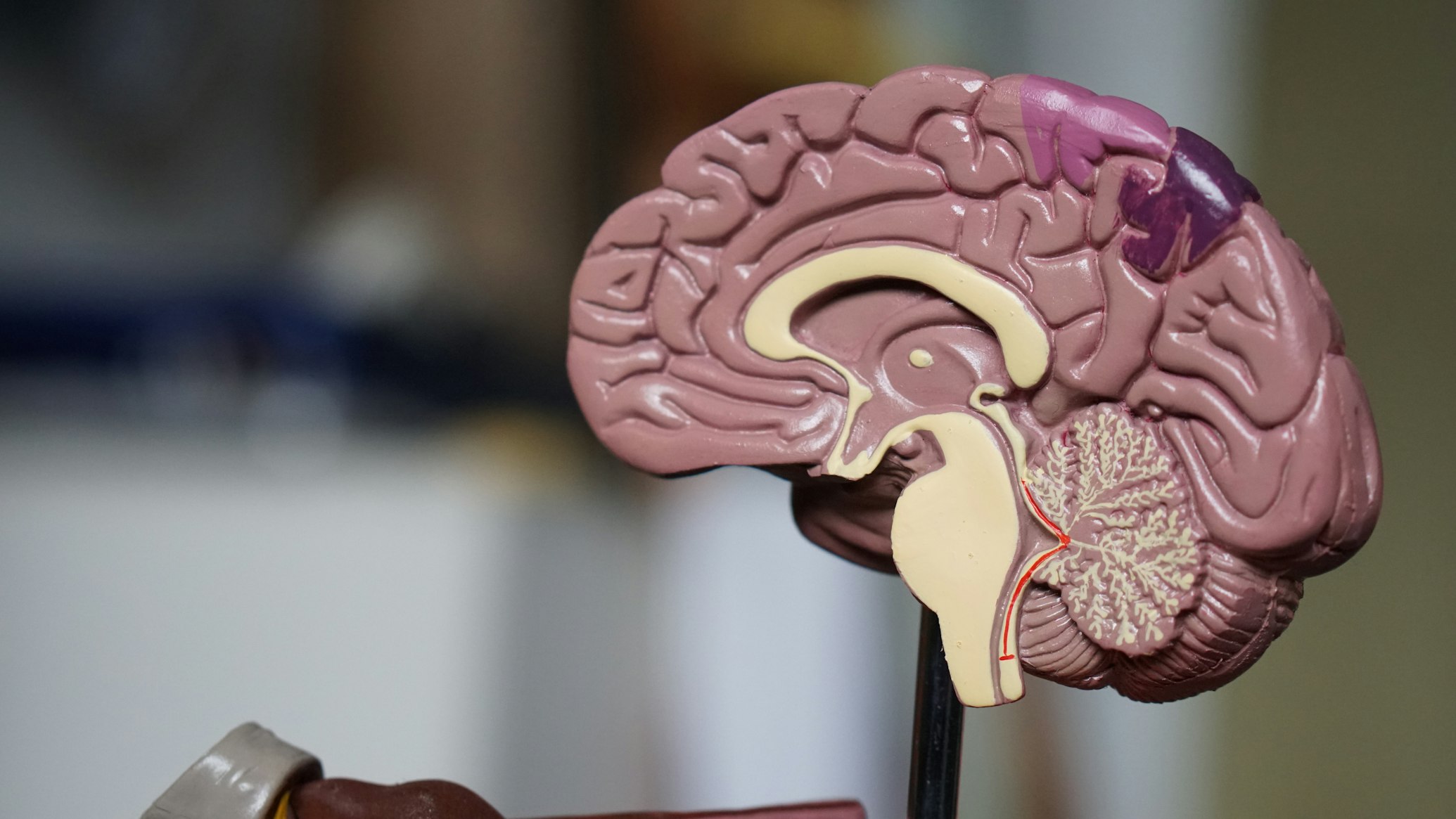
Diagram showing the connection between the throat and middle ear via the Eustachian tube
A Deep Dive into the Groundbreaking Finnish Study
The most compelling evidence for xylitol's role in preventing AOM comes from a landmark randomized controlled trial conducted in Finland in 1999, which set out to scientifically validate these antibacterial mechanisms in a real-world setting 1 .
Study Methodology
Participants: 857 children from 34 day care centers
Duration: 3 months
Dosage: 5 times per day after meals
Forms: Gum, lozenges, and syrup
Striking Results and Analysis
The findings, published in the American Family Physician, were significant. The table below shows the percentage of children who experienced at least one episode of acute otitis media during the three-month study 1 .
| Group | Percentage with Acute Otitis Media | Reduction vs Control |
|---|---|---|
| Control Gum | 28% | — |
| Xylitol Gum | 16% | 40% reduction |
| Xylitol Lozenges | 22% | 21% reduction |
| Control Syrup | 41% | — |
| Xylitol Syrup | 29% | 30% reduction |
Table 1: Effectiveness of different xylitol forms in preventing Acute Otitis Media (AOM) based on the 1999 Finnish study 1 .
Antibiotic Use Reduction
The children in the xylitol groups required significantly fewer courses of antibiotics, highlighting a potential tool in the fight against antimicrobial resistance 1 .
The researchers concluded that xylitol chewing gum and syrup were associated with a statistically significant reduction in the occurrence of AOM in children attending day care centers 1 .
The Scientist's Toolkit: Key Materials in Xylitol Research
To understand how such experiments are conducted, it's helpful to know the key tools and reagents scientists use. The following table details essential items from the featured study and related xylitol research.
| Item | Function in Research |
|---|---|
| Xylitol Preparations | The active intervention being tested. Provided in forms suitable for the study population (e.g., chewing gum, lozenges, syrups) to ensure consistent dosing 1 . |
| Control Preparations | Identical in form and appearance to the xylitol preparations but without the active ingredient. Crucial for creating a blind study where neither participants nor nurses know who is receiving the treatment, thus reducing bias 1 . |
| Tympanometry | An objective test that measures the movement of the eardrum. It is used to detect the presence of fluid in the middle ear, a key indicator of infection or effusion 1 . |
| Pneumatic Otoscopy | A diagnostic procedure where a doctor uses a special instrument (an otoscope) to view the eardrum and gently puff air into the ear canal. This assesses the eardrum's mobility, which is reduced when fluid is present 1 . |
Table 2: Essential research tools used in clinical studies on xylitol and otitis media.
Safety, Tolerability, and Practical Considerations
Side Effects
While the results are promising, the study also noted that the most common side effect was abdominal discomfort 1 . This is a known effect of sugar alcohols, which are not fully absorbed in the small intestine and can draw water into the gut or be fermented by bacteria, leading to gas, bloating, or diarrhea 9 .
Pet Toxicity
It is also critically important to note that while xylitol is safe for humans, it is extremely toxic to dogs. Even small amounts can cause a rapid release of insulin in canines, leading to hypoglycemia, and can also cause liver failure. Products containing xylitol must be stored safely out of reach of pets 9 .
Optimal Dosage
Follow-up research has focused on finding the optimal dose that balances efficacy with tolerability. A 2007 study found that a dosage of 5 grams, three times a day, was well-tolerated by young children with minimal gastrointestinal complaints 5 . This suggests that a less frequent dosing schedule than the five times a day used in the original study could still be effective and more practical for widespread use.
The Future of Xylitol in Ear Infection Prevention
Current Understanding
Despite the strong evidence, some experts urge cautious optimism. In an editorial accompanying the Finnish study, it was pointed out that a "biologically plausible mechanism of action" was not fully detailed at the time, and the long-term effects of regular xylitol use in early childhood were still unknown 1 .
Recent Discoveries
More recent research has shed light on the mechanism, suggesting that xylitol's benefits may also be linked to its positive modulation of the gut microbiome, enhancing the production of short-chain fatty acids that have broad health benefits 2 .
Future Potential
For now, xylitol presents a compelling, safe, and inexpensive option for preventing a common childhood ailment. As one researcher noted, it has the potential to reduce not only the incidence of ear infections but also the reliance on antibiotics, offering a sweet solution to a bitter problem 1 5 8 . Parents interested in this option should, as always, consult with their pediatrician to determine the best course of action for their child's health.
This article is a summary of scientific research intended for educational purposes only and is not a substitute for professional medical advice. Always consult with a healthcare provider for any health concerns.