Virtual Reality as a Tool for Modulating Hippocampal Function and Spatial Navigation: Mechanisms, Applications, and Clinical Translation
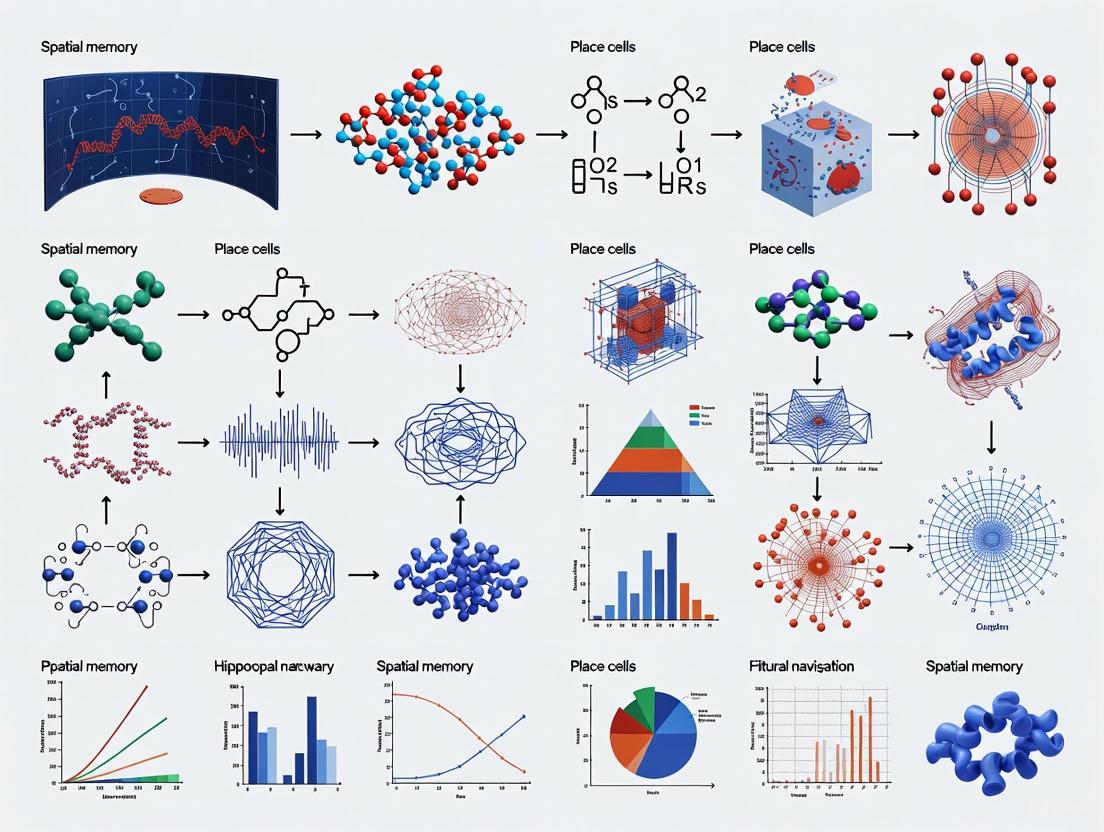
This article synthesizes current research on the use of virtual reality (VR) to investigate and modulate hippocampal-dependent spatial navigation and memory.
Virtual Reality as a Tool for Modulating Hippocampal Function and Spatial Navigation: Mechanisms, Applications, and Clinical Translation
Abstract
This article synthesizes current research on the use of virtual reality (VR) to investigate and modulate hippocampal-dependent spatial navigation and memory. It explores the foundational neural mechanisms, including the enhancement of hippocampal theta rhythms and the induction of neuroplasticity through immersive experiences. The review covers methodological advances in VR-based cognitive assessment and rehabilitation, particularly for conditions like Mild Cognitive Impairment (MCI) and Alzheimer's disease. It also addresses key challenges in optimization, such as the effects of immersion level and physical movement, and provides a comparative analysis of VR against traditional methods and real-world navigation. Finally, the article discusses the implications of these findings for future biomedical research and clinical trial design in cognitive disorders.
The Hippocampus in Virtual Space: Neural Mechanisms of Spatial Navigation
Core Concepts and Neuroanatomical Foundations
Visuospatial function represents a critical domain of cognitive ability, encompassing the brain's capacity to perceive, interpret, and adapt to spatial relationships within the environment. This complex process involves multiple integrated components including visuospatial perception, visuospatial working memory, visuospatial attention, and visuospatial executive functions [1]. These functions rely on the coordinated activity of distributed neural networks, particularly the posterior parietal cortex and visuomotor areas, which specialize in processing spatial attention, object localization in three-dimensional space, and visual motion information [1].
The hippocampus serves as the central neural structure for spatial navigation and memory processes [1]. Neuroimaging studies have consistently demonstrated that the hippocampus functions as part of an extended network that includes the parahippocampal cortex, retrosplenial cortex, dorsal striatum, and posterior parietal cortex [1]. This integrated system supports the formation of cognitive maps that enable spatial navigation and environmental representation. Recent research utilizing 7 Tesla functional magnetic resonance imaging (fMRI) has revealed that the brain maintains detailed endogenous somatotopic maps during rest, which become extensively recruited during visual processing tasks, suggesting a fundamental bridge between visual and somatosensory representations [2].
Spatial navigation strategies are broadly categorized into two distinct types:
- Egocentric navigation: Uses the navigator's own position as a reference frame to determine relative object positions
- Allocentric navigation: Establishes an external coordinate system to calculate positions of navigator, destinations, and landmarks [1]
These navigation strategies exhibit differential decline in aging and neurocognitive disorders, with allocentric navigation particularly vulnerable to hippocampal deterioration [1].
Quantitative Assessment Metrics and Clinical Thresholds
Table 1: Clinically Meaningful Change Thresholds in Early Cognitive Decline
| Assessment Tool | Domain Measured | Annualized Change with MCI Onset | Confidence Interval | Clinical Interpretation |
|---|---|---|---|---|
| CDR-SB | Global cognition | 0.49 points | (0.43, 0.55) | Small increase indicates meaningful decline |
| MMSE | Global cognition | -1.01 points | (-1.12, -0.91) | Decrease indicates meaningful decline |
| FAQ | Instrumental activities of daily living | 1.04 points | (0.82, 1.26) | Increase indicates functional impairment |
Source: Mayo Clinic Study of Aging (MCSA) population-based data [3]
Table 2: Classical Neuropsychological Tests for Visuospatial Assessment
| Assessment Tool | Specific Function Measured | Administration Method | Scoring Interpretation |
|---|---|---|---|
| Rey-Osterrieth Complex Figure Test | Visuospatial memory | Reproduction of complex geometric figure | Accuracy of reproduction |
| Clock Drawing Test | Visuospatial construction | Drawing clock face with numbers and hands | 1-4 rating based on completeness/accuracy |
| Trail Making Test (TMT) | Visual scanning/processing speed | Connecting numbered/lettered dots | Time to completion |
| Corsi Block-Tapping Task | Visuospatial working memory | Spatial sequence recall | Sequence length correctly recalled |
| Brief Visuospatial Memory Test (BVMT) | Visuospatial memory | Figure reproduction from memory | Accuracy of recall |
Source: Adapted from conventional visuospatial assessment methods [1]
These quantitative metrics establish critical thresholds for identifying clinically significant decline in research contexts, particularly for evaluating interventions in mild cognitive impairment (MCI) populations. The CDR-SB (Clinical Dementia Rating Scale Sum of Boxes) demonstrates particularly sensitivity to early changes, with an increase of 0.49 points annually representing clinically meaningful deterioration [3].
Experimental Protocols and Methodologies
Virtual Reality-Based Spatial Cognitive Training Protocol
A rigorously controlled investigation examined the effects of Virtual Reality-Based Spatial Cognitive Training (VR-SCT) on hippocampal function in older adults with MCI [4]. The experimental protocol implemented:
Participant Allocation:
- 56 older adults with MCI randomly allocated to experimental (EG) or waitlist control groups (CG)
- Comprehensive intervention spanning 24 supervised sessions
Assessment Methodology:
- Spatial cognition measured via Wechsler Adult Intelligence Scale-Revised Block Design Test (WAIS-BDT)
- Episodic memory evaluated using Seoul Verbal Learning Test (SVLT)
- Statistical analysis employing ANOVA with effect size quantification (η²)
Key Findings:
- Significant performance improvements across training sessions (p < .001)
- Experimental group demonstrated substantially greater improvement in WAIS-BDT (p < .001, η² = .667) compared to controls
- Moderate but significant enhancement in SVLT recall (p < .05, η² = .094)
- Non-significant improvement in recognition component of SVLT (p > .05, η² = .001)
This protocol demonstrates that structured VR-based spatial training can effectively target hippocampal-dependent functions, with particular efficacy for spatial cognition over verbal recall tasks [4].
Connective Field Modeling for Cross-Modal Topography
Advanced neuroimaging methodologies have been developed to map the interface between visual and somatosensory representations [2]. The experimental workflow comprises:
Data Acquisition Parameters:
- 7 Tesla fMRI data from 174 Human Connectome Project participants
- 1 hour resting-state data plus 1 hour video-watching data per participant
- Dual-source connective field modeling projecting V1 and S1 topography
Analytical Framework:
- Spatial patterns (connective fields) on source regions V1 and S1 estimated for target voxels
- Model fitting to resting-state BOLD responses to reveal endogenous sensory-topographic structure
- Translation of connective-field profiles into S1 somatotopic map positions
- Statistical thresholds: all P < 10⁻⁸, minimum Cohen's d = 0.41
Experimental Outcomes:
- Identification of multiple orderly somatotopic gradients mirroring classical somatosensory organization
- Demonstration that video watching recruits 50% (95% CI = 46-55%) more cerebral cortex than rest
- Revelation of aligned visual-somatosensory topographic maps connecting sensory reference frames [2]
Diagram 1: Neural Pathways of Visuospatial Processing
The Scientist's Toolkit: Research Reagent Solutions
Table 3: Essential Research Materials and Methodologies
| Tool/Category | Specific Example | Research Application | Technical Specification |
|---|---|---|---|
| Neuropsychological Assessment Battery | MMSE, MoCA, MCCB | Clinical screening for visuospatial deficits | MMSE: intersecting pentagons (3/30 points); MoCA: cube drawing (3/30 points) |
| Advanced Neuroimaging | 7 Tesla fMRI with connective field modeling | Mapping visual-somatosensory topographic alignment | HCP protocols; dual-source connective field modeling of V1/S1 |
| Virtual Reality Platforms | Custom VR-SCT systems | Spatial navigation training in controlled environments | 24-session protocols; immersive environments with performance tracking |
| Computational Modeling | Somatotopic mapping algorithms | Projecting topography from source to target regions | Spatial patterns estimation from BOLD time-courses |
| Behavioral Assessment | Wayfinding and route learning tasks | Evaluating allocentric vs egocentric navigation | Real-world or virtual environment navigation with performance metrics |
Implications for Virtual Reality Research in Hippocampal Function
The integration of virtual reality methodologies into hippocampal research represents a paradigm shift in cognitive neuroscience. VR-based spatial cognitive training demonstrates significant potential for enhancing hippocampal function in impaired populations, with documented improvements in both spatial cognition and episodic memory [4]. The discovery of vicarious body maps that bridge vision and touch provides a neuroanatomical foundation for understanding how immersive virtual environments can stimulate hippocampal engagement [2].
Current research limitations center on the two-dimensional nature of traditional assessments, which lack translation processes from 2D visual information into true 3D spatial cognition [1]. Virtual reality solutions effectively address this constraint by creating ecologically valid environments that engage authentic spatial navigation circuits. Future research directions should focus on standardizing VR assessment protocols, establishing population norms for virtual navigation performance, and developing targeted interventions for specific hippocampal subfield vulnerabilities in neurodegenerative disease progression.
The alignment between visual field locations and somatotopic body maps reveals a cross-modal interface ideally situated to translate raw sensory impressions into abstract formats supporting action, social cognition, and semantic processing [2]. This mechanistic understanding provides a robust framework for developing increasingly sophisticated virtual reality interventions targeting hippocampal-dependent spatial functions in both research and clinical applications.
Spatial navigation is a fundamental cognitive process that relies on distinct neural reference frames. Egocentric navigation involves understanding space relative to one's own body (e.g., "the object is to my left"), while allocentric navigation uses world-centered coordinates independent of one's position (e.g., "the object is between the building and the tree") [5]. This technical guide examines the dissociable neural architectures, experimental methodologies, and functional implications of these spatial coding strategies, with particular relevance to virtual reality (VR) research on hippocampal function. Understanding these distinct systems is crucial for developing targeted interventions for neurological conditions and optimizing spatial memory research paradigms.
Neural Architectures and Mechanisms
Core Neural Substrates
The two navigation systems rely on partially distinct but interconnected neural networks:
Allocentric Network: Centered on the hippocampus and medial temporal lobe, this system incorporates the parahippocampal cortex, retrosplenial cortex (RSC), precuneus, and caudal intraparietal lobule (cIPL) [6] [5]. The parieto-medial temporal pathway transforms sensory information into stable, world-referenced cognitive maps [6].
Egocentric Network: Primarily involves the dorsomedial striatum (DMS), particularly the posterior division, along with the premotor cortex (PMC), frontal eye fields (FEF), and supramarginal gyrus [6] [5]. This system engages the parieto-premotor pathway for body-centered spatial computations [6].
Table 1: Neural Correlates of Spatial Navigation Strategies
| Brain Region | Egocentric Function | Allocentric Function | Key References |
|---|---|---|---|
| Hippocampus | Minimal involvement | Cognitive mapping, place memory | [5] [7] |
| Parahippocampal Cortex | Limited role | Egocentric bearing encoding, spatial reference | [7] |
| Dorsomedial Striatum (DMS) | Body-centered navigation, response learning | Spatial forms of navigation | [5] |
| Posterior Parietal Cortex | Multisensory body-centered integration | Spatial relationship among objects | [6] |
| Frontal Eye Fields (FEF) | Action template formation, eye movements | Attention modulation | [6] |
| Retrosplenial Cortex (RSC) | Egocentric-allocentric translation | Spatial context, heading direction | [6] |
White Matter Connectivity
Structural connectivity differences further dissociate these systems through distinct white matter pathways:
Allocentric Pathways: Depend on the posterior corona radiata (PCR) and superior corona radiata (SCR), which influence connectivity between fronto-parietal attention networks and temporal regions [6]. The inferior longitudinal fasciculus (ILF) connects parietal with temporal regions critical for landmark processing [6].
Egocentric Pathways: Primarily rely on the superior longitudinal fasciculus (SLF), which strengthens functional connectivity between posterior parietal and lateral prefrontal regions [6]. The SLF's integrity correlates with neural activity in egocentric tasks [6].
Advanced age disrupts these connections differently, with allocentric networks showing greater vulnerability to white matter degeneration in the PCR and SCR, while egocentric networks are more affected by SLF alterations [6].
Cellular-Level Representations
Single-neuron recordings in humans reveal specialized cell types for each reference frame:
Egocentric Bearing Cells (EBCs): Located abundantly in the parahippocampal cortex, these neurons encode self-centered bearings and distances toward reference points, forming vectorial representations of egocentric space [7]. EBCs show activity increases during both spatial navigation and episodic memory recall [7].
Allocentric Spatial Cells: Include place cells (hippocampus), grid cells (entorhinal cortex), and head-direction cells that collectively create world-referenced cognitive maps independent of the viewer's perspective [7].
Figure 1: Neural Pathways for Spatial Navigation. The egocentric (red) and allocentric (green) systems rely on distinct brain regions interconnected by specialized white matter tracts, with integration zones facilitating reference frame transformations.
Experimental Paradigms and Methodologies
Behavioral Tasks for Dissociating Navigation Strategies
Cross-Maze Task (Rodents)
The cross-maze paradigm effectively dissociates navigation strategies through specialized training protocols [5]:
Allocentric Training: Mice learn to find a reward at a constant position relative to extramaze cues, regardless of starting position. This requires constructing a cognitive map of the environment [5].
Egocentric Training: Mice learn to make a specific body turn (e.g., always turn left) to find the reward, independent of their absolute spatial position [5].
The critical test involves introducing a novel starting position. Allocentric-trained animals must flexibly apply their cognitive map, while egocentric-trained animals continue using the same turning response [5]. This paradigm revealed that successful allocentric navigation from novel routes activates CA1, posterior dorsomedial striatum, nucleus accumbens core, and infralimbic cortex, whereas egocentric navigation shows no significant activation in these structures [5].
Cue-to-Target Task (Humans)
Using fMRI and DTI, this paradigm examines neural activity during spatial attention tasks [6]:
Participants engage in a visual task where cues indicate whether to process target location relative to themselves (egocentric) or relative to other objects (allocentric). The task reveals that allocentric processing activates temporal-parietal pathways, while egocentric processing engages frontal-parietal networks connected via the SLF [6].
Virtual Reality and Augmented Reality Approaches
Virtual environments offer controlled paradigms for studying human spatial navigation, though important considerations exist:
Stationary VR Limitations: Desktop-based virtual environments lack physical motion and idiothetic cues, potentially disrupting natural neural representations of space [8]. Rodent studies show disrupted place coding in VR environments [8].
Augmented Reality Advantages: AR paradigms combining virtual objects with real-world movement yield significantly better spatial memory performance compared to stationary VR [8]. Participants report AR tasks as easier, more immersive, and more enjoyable [8].
Neuroimaging Compatibility: VR is valuable for hippocampal function research, with studies demonstrating that VR-based spatial cognitive training improves Block Design test performance and enhances recall in older adults with mild cognitive impairment [4].
Table 2: Quantitative Behavioral and Neural Findings from Key Studies
| Study Reference | Subject Population | Task Type | Key Performance Metric | Neural Correlation/Activation |
|---|---|---|---|---|
| PMC8831882 [6] | Older (n=24) & Younger (n=27) adults | Cue-to-target fMRI/DTI | Reaction times | Allocentric: PCR/SCR integrity; Egocentric: SLF integrity |
| S41598-020-68025-y [5] | CD1 mice | Cross-maze | Correct choices: ~90% after training | Novel allocentric route: CA1, pDMS, NacC, IL activation |
| S1041610224033933 [4] | Older adults with MCI (n=56) | VR spatial training | WAIS-BDT: p<.001, η²=.667 | Hippocampal function improvement |
| PMC12247154 [8] | Healthy adults & epilepsy patients | AR vs VR treasure hunt | Memory accuracy significantly better in walking condition | Theta oscillation increase during movement |
The Impact of Aging and Cognitive Decline
Aging differentially affects egocentric and allocentric navigation systems:
White Matter Degeneration: Age-related decline in white matter integrity disproportionately affects allocentric networks. The posterior and superior corona radiata show significant age-related differences that impact temporal lobe connectivity crucial for allocentric processing [6].
Strategic Preferences: Older adults exhibit a preference for egocentric strategies, potentially due to reduced functional connectivity between prefrontal and parietal regions supporting allocentric processing [6]. This preference may reflect compensatory mechanisms or structural decline.
Cognitive Impairment Interventions: VR-based spatial cognitive training shows promise for mild cognitive impairment, significantly improving spatial cognition and episodic memory—functions critically dependent on hippocampal integrity [4].
Technical Implementation and Research Tools
The Scientist's Toolkit
Table 3: Essential Research Reagents and Methodologies
| Research Tool | Application/Function | Technical Considerations |
|---|---|---|
| Diffusion Tensor Imaging (DTI) | Quantifies white matter integrity of pathways like SLF, PCR, SCR | Fractional anisotropy (FA) values correlate with reaction times on visuospatial tasks [6] |
| Functional MRI (fMRI) | Maps task-dependent neural activation during navigation paradigms | Reveals fronto-parietal attention network engagement during spatial tasks [6] |
| Zif268 Immunohistochemistry | Visualizes neural activation patterns in rodent models via immediate early gene expression | Allows high-resolution mapping across multiple brain regions in intact animals [5] |
| Virtual Reality Environments | Provides controlled spatial navigation paradigms with precise tracking | Stationary VR may disrupt natural spatial coding; AR with movement is preferred [8] |
| Single-Neuron Recording | Identifies specialized cell types (EBCs) in humans during navigation | Requires rare patients with implanted recording devices; provides unparalleled cellular resolution [7] |
Methodological Workflow
Figure 2: Experimental Workflow for Navigation Research. Comprehensive approach combining behavioral paradigms with multiple assessment modalities to elucidate neural mechanisms of spatial navigation.
Egocentric and allocentric navigation represent dissociable cognitive strategies supported by distinct neural architectures. The egocentric system, centered on dorsomedial striatum and fronto-parietal networks connected via the SLF, enables body-referenced navigation. The allocentric system, dependent on hippocampal-temporal networks connected via corona radiata pathways, supports cognitive mapping. These systems respond differently to aging, with allocentric networks showing greater vulnerability to age-related decline. Virtual and augmented reality technologies offer promising avenues for both investigating these navigation systems and developing interventions for cognitive impairment, though methodological considerations regarding physical movement remain crucial for valid spatial memory research.
Spatial navigation is a complex cognitive process rooted in the coordinated activity of specialized neural systems within the hippocampal formation. This technical guide examines the core mechanisms of spatial coding, focusing on the complementary roles of place cells, which generate a cognitive map of the environment, and theta rhythms, which provide a temporal framework for organizing spatial information. The integration of virtual reality (VR) with advanced electrophysiological techniques has been pivotal in elucidating the intracellular dynamics and network mechanisms underlying these processes. Research reveals that place fields are characterized by ramp-like membrane depolarization, modulated theta oscillations, and phase precession, which together support both rate and temporal coding of space [9]. Recent findings further establish that theta oscillations support a multiplexed phase code, with early phases potentially enabling retrospective encoding and late phases facilitating prospective planning [10]. Understanding these neural correlates is critical for developing novel therapeutic interventions for neurological and psychiatric disorders characterized by navigation deficits.
The hippocampus functions as a central cognitive mapping system, integrating multimodal sensory inputs to represent an organism's position and orientation within space. Seminal discoveries of place cells—hippocampal pyramidal neurons that fire selectively at specific environmental locations—and the concurrent presence of a dominant theta rhythm (4-12 Hz) in the local field potential (LFP) established the foundational correlates of spatial navigation [11]. Place cells employ a rate code, where firing frequency increases substantially within a cell's "place field," and a temporal code, evidenced by theta phase precession—the progressive shifting of spike times to earlier phases of the theta cycle as an animal traverses the place field [9] [11]. This phase precession creates a compressed temporal representation of the spatial trajectory within a single theta cycle, linking the encoding of past, present, and future locations.
The emergence of virtual reality (VR) technologies has revolutionized this field of research. By enabling precise control of sensory cues and unparalleled stability for intracellular recordings during navigation behaviors, VR paradigms have become an indispensable tool for dissecting the neural mechanisms of spatial coding [9] [12]. These approaches have been successfully deployed in both rodent models and human studies, allowing researchers to bridge levels of analysis from subthreshold membrane potentials to large-scale network interactions [9] [13] [14].
Cellular Signatures of Place Cells
Intracellular recordings from hippocampal CA1 pyramidal neurons in mice navigating VR environments have revealed distinct subthreshold dynamics that define the place field. The following table summarizes the key intracellular signatures identified during in-field activity.
Table 1: Intracellular Signatures of Hippocampal Place Cells
| Signature | Description | Functional Implication |
|---|---|---|
| Asymmetric Ramp Depolarization | A slow, ramp-like increase in the baseline membrane potential, often beginning before spike initiation and reaching up to ~10 mV [9]. | Creates a permissive state for firing; may reflect integrated synaptic input driving the rate code [9]. |
| Increased Theta Oscillation Amplitude | The amplitude of intracellular theta-frequency (6-10 Hz) membrane potential oscillations is enhanced within the place field [9]. | Enhances cellular excitability and contributes to the temporal structuring of output spikes. |
| Intracellular Theta Phase Precession | The phase of the intracellular theta oscillation precesses relative to the extracellular LFP theta rhythm as the animal moves through the field [9]. | Directly underlies the temporal code of spike time phase precession, representing distance traveled. |
These intracellular dynamics are not merely correlates but are mechanistic components of place cell activity. The ramp depolarization elevates the average membrane potential, while the amplified theta oscillations provide a rhythmic scaffold that dictates the precise timing of action potentials. Spikes occur preferentially on the ascending phase of these intracellular oscillations, which themselves precess relative to the global LFP theta, thereby generating the phenomenon of spike time phase precession [9].
Theta Rhythms and Phase Precession
Theta oscillations are not a monolithic signal but a complex temporal scaffold that organizes hippocampal computation. The phenomenon of theta phase precession is a quintessential example of this organization.
Characteristics of Phase Precession
As an animal moves through a place field, the timing of a place cell's spikes shifts to progressively earlier phases of the LFP theta cycle [11]. Quantitatively, studies in VR show a phase shift of -72.6 ± 47.7 degrees between the entry and exit of the place field, resulting in a negative correlation between spike phase and animal position (C = -0.17 ± 0.09) [9]. This relationship correlates better with the distance traveled through the field than with time spent, effectively creating a phase code for location [11].
Computational Models of Phase Precession
Several competing models have been proposed to explain the mechanism underlying theta phase precession. The intracellular data obtained from VR experiments has been critical in distinguishing between them.
Table 2: Computational Models of Theta Phase Precession
| Model | Core Mechanism | Supporting Evidence |
|---|---|---|
| Dual Oscillator Model | Interaction between a somatic oscillation at LFP theta frequency and a faster dendritic oscillation that activates in the place field. Spike timing is locked to the peaks of the resulting higher-frequency membrane potential oscillation [11]. | Intracellular data shows a MPO that increases in frequency and amplitude within the place field, with spikes fixed to the MPO peaks [9] [11]. |
| Depolarizing Ramp Model | A somatic theta oscillation is combined with a ramp-like dendritic depolarization. The increasing depolarization causes the somatic potential to cross firing threshold earlier in each successive theta cycle [11]. | The consistent observation of a ramp-like depolarization within the place field [9]. |
| Spreading Activation Model | Firing is driven by a combination of external sensory inputs and internal recurrent connections within a network of place cells with sequential place fields, with transmission delays causing phase shifts [11]. | Supported by extracellular data on network activity patterns. |
The intracellular evidence strongly supports the Dual Oscillator Model as the primary mechanism. The critical finding is that spike timing remains fixed relative to the peaks of the cell's own MPO, while the entire MPO itself precesses relative to the LFP. This indicates that phase precession is driven by an active process within the cell or its local dendrites, not merely by a shifting firing threshold due to a depolarizing ramp [9] [11].
Multiplexed Theta Phase Coding
Recent research employing cue-conflict paradigms in VR demonstrates that theta phase coding is functionally multiplexed. Theta oscillations can simultaneously support different computational functions within a single cycle [12] [10]. The late phases of theta continue to support prospective spatial representation via classic phase precession. Conversely, the early phases of theta are implicated in retrospective representation and the encoding of new associations, particularly when animals must learn new relationships between external landmark (allothetic) cues and self-motion (idiothetic) cues [10]. This multiplexing allows the hippocampus to alternate between different computational states at a sub-second scale.
Gamma Oscillations and Theta Sequence Development
Theta sequences are experience-dependent, compressed representations of behavioral trajectories that unfold within a single theta cycle. Their development is modulated by finer-timescale gamma oscillations (25-100 Hz), which interact with the theta rhythm to organize neuronal firing [15].
Fast and Slow Gamma Rhythms
Two distinct gamma bands play complementary roles:
- Fast Gamma (~65-100 Hz): Associated with input from the medial entorhinal cortex, it is thought to rapidly encode ongoing novel sensory information. A subset of place cells (FG-cells, ~23.2%) are dominantly phase-locked to fast gamma, firing near the peak of the fast gamma cycle [15].
- Slow Gamma (~25-45 Hz): Reflects input from CA3 and is involved in the integration of learned information. Place cell spiking during slow gamma exhibits strong theta phase locking but attenuated theta phase precession [15].
Coordinated Gamma Modulation in Sequence Development
The development of predictive theta sequences relies on the coordinated activity of FG-cells. These cells are crucial for the initial encoding and emergence of the sequence's sweep-ahead structure. As sequences develop, the spikes of FG-cells also exhibit slow gamma phase precession, creating mini-sequences within the theta cycle that enable highly compressed spatial representations [15]. This dynamic suggests a model where fast gamma coordinates a subgroup of cells for rapid sensory encoding, while slow gamma fine-tunes their spike timing for precise information compression, thereby facilitating memory encoding and retrieval.
Experimental Protocols in Virtual Reality
VR systems have enabled unprecedented experimental control and recording stability. The following protocol is representative of the methods used to obtain the intracellular data cited in this guide.
Virtual Reality Behavioral Setup for Rodents
- Apparatus: Head-restrained mouse/rata runs on an air-supported spherical treadmill. A toroidal screen surrounds the animal, providing a wide field of view. Visual scenes are projected via a DLP projector [9].
- Navigation Task: Animals are trained using operant conditioning (e.g., water reward) to run along a virtual linear track (e.g., 180 cm long) with distinct visual cues. Performance is measured by total distance run, running speed, and reward acquisition rate [9].
- Data Acquisition: Movements of the spherical treadmill are tracked with an optical computer mouse, which updates the visual display in closed loop [9].
Electrophysiological Recordings
- Extracellular Recordings: Acute recordings from dorsal hippocampal CA1 using tetrodes or silicon probes to identify place cells and record LFP [9].
- Intracellular Whole-Cell Recordings: A patch electrode with a long taper is mounted on a micromanipulator. The head-fixed preparation provides the mechanical stability required for prolonged (minutes to over 20 minutes) intracellular recording from identified place cells during active VR navigation [9].
Cue Conflict Paradigm
To study multimodal integration, a VR apparatus can be designed to create a conflict between the animal's actual running speed on the treadmill (idiothetic cue) and the speed of visual landmark movement on the screen (allothetic cue). This protocol allows researchers to probe how the hippocampus resolves conflicting spatial information and has revealed the disruption of spike timing at specific theta phases during maximal conflict [12] [10].
Visualization of Mechanisms and Workflows
The Scientist's Toolkit: Research Reagents & Solutions
Table 3: Essential Research Tools for Spatial Coding Research
| Tool / Reagent | Function & Application |
|---|---|
| Spherical Treadmill with Air Support | Allows head-restrained rodents to run freely in place, providing locomotor feedback for VR navigation while ensuring mechanical stability for recordings [9]. |
| Immersive Toroidal VR Display | Provides a wide, panoramic visual field critical for engaging a rodent's natural navigation systems and presenting controlled visual cues [9]. |
| High-Impedance Patch Clamp Electrodes | Enable stable intracellular whole-cell recordings from identified neurons in awake, behaving animals to measure subthreshold membrane potential dynamics [9]. |
| Tetrode/Silicon Probe Arrays | For high-density extracellular recording of spike activity from populations of neurons and simultaneous LFP acquisition [9] [15]. |
| Cue Conflict VR Software | Custom software (e.g., based on Quake2 engine) to decouple idiothetic and allothetic cues, probing neural mechanisms of multisensory integration [9] [12]. |
| Theta/Gamma Rhythm Analysis Tools | Computational pipelines for detecting oscillations and analyzing phase relationships (e.g., phase precession, phase-locking) between spikes, MPOs, and LFP [11] [15]. |
The neural correlates of spatial coding are multifaceted, spanning from the subthreshold properties of individual place cells to the coordinated rhythms of large-scale networks. The integration of virtual reality with intracellular recording has been a transformative advancement, solidifying the roles of ramp depolarization, amplified intracellular theta, and theta-gamma interactions as core mechanisms. The emerging concept of a multiplexed theta phase code reveals a sophisticated temporal logic where different phases of a single oscillation can support distinct cognitive functions—prospection versus retrospection and encoding. These findings, largely derived from controlled VR environments, provide a fundamental mechanistic framework for understanding how the brain supports navigation and memory. This knowledge not only deepens our basic understanding of hippocampal function but also establishes biomarkers and targets for developing novel therapies for neurodegenerative and neuropsychiatric conditions.
This whitepaper synthesizes recent breakthroughs in understanding how Virtual Reality (VR) modulates hippocampal rhythms to enhance cognitive function. Groundbreaking research reveals that VR is a powerful non-pharmacological tool capable of boosting theta oscillations by over 50% and inducing a novel eta rhythm, findings with profound implications for therapeutic interventions in memory disorders, drug development, and spatial navigation research. The precise control offered by VR environments over an organism's perceptual experience enables targeted investigation and manipulation of the neural circuits underlying learning and memory, positioning VR as a critical technology for future neuroscience discovery and neurological treatment.
Virtual reality has transcended its origins in entertainment to become a premier tool for cognitive neuroscience, particularly for studying the hippocampal circuits essential for spatial navigation and memory. The hippocampus acts as the brain's GPS, containing neurons that encode location and exhibit a dominant theta rhythm (4-12 Hz), a oscillation critical for neuroplasticity, learning, and memory consolidation [16]. Disruptions in this rhythm are a hallmark of disorders like Alzheimer's disease, epilepsy, and schizophrenia.
VR is uniquely powerful for this research because it reacts to a subject's every movement, creating a closed-loop system that dynamically modifies brain activity [16]. Unlike passive stimuli like television, immersive VR environments provide experimenters with precise control over both the external sensory landmarks and the subject's internal perception of its movement, allowing for the isolation and study of specific cognitive processes [12]. This capability frames VR not merely as a simulation technology, but as an interactive neuromodulation platform for probing the cognitive architecture of spatial navigation, which relies on the integrated contributions of hippocampal and striatal systems [17].
Neural Mechanisms: Theta Boosting and Eta Induction
Research from the Mehta Lab at UCLA has demonstrated two profound, unique effects of VR on hippocampal neurophysiology.
Theta Rhythm Enhancement
In rodent models, navigating a VR environment boosted the rhythmicity of theta oscillations by more than 50% compared to non-VR conditions [16]. This level of enhancement is unprecedented; no known pharmacological or other intervention has demonstrated such a robust effect on the theta rhythm. The precise frequency of this rhythm is crucial for brain flexibility and learning ability (neuroplasticity). The finding suggests that VR can be calibrated to "re-tune" this rhythm to its optimal frequency, offering a potential therapeutic target for conditions where it is dysregulated.
Emergence of the Eta Rhythm
Perhaps even more significant was the discovery of a novel brain rhythm, dubbed "eta," which is induced alongside theta in VR [16]. These two rhythms are not merely different in frequency; they are spatially and functionally distinct. Theta oscillations are dominant in the dendrites (the input-receiving tendrils of neurons), while the newly observed eta rhythm is dominant in the neurons' central cell bodies. This suggests that different compartments of the same neuron are processing information differently during the VR experience, a finding that opens new windows into the micro-mechanisms of learning.
Table 1: Quantitative Effects of VR on Hippocampal Rhythms Based on Rodent Studies
| Brain Rhythm | Effect of VR | Magnitude of Change | Neuronal Locus | Functional Significance |
|---|---|---|---|---|
| Theta Rhythm | Significant Enhancement | >50% increase in rhythmicity [16] | Dendrites | Associated with neuroplasticity & learning [16] |
| Eta Rhythm | Novel Induction | Newly discovered rhythm [16] | Soma (Cell Body) | New window into learning mechanisms [16] |
| Hippocampal Activity | Focal Suppression | ~60% of hippocampus temporarily shuts down [16] | Neural Network | Potential for treating hyper-excited states (e.g., epilepsy) [16] |
Further underscoring VR's potent effect is the finding that nearly 60% of the hippocampus temporarily shuts down during the VR experience [16]. This focal suppression, something no known drug can achieve, points to VR's potential for managing disorders characterized by neuronal hyper-excitability, such as epilepsy.
The following diagram illustrates the workflow and key neural discoveries from the foundational VR experiment on rodent subjects:
Technical Requirements for Effective VR Neuromodulation
Not all VR systems are equal in their capacity to induce these neural effects. Key technical specifications are critical for creating an immersive and effective experimental or therapeutic environment.
- Immersion and Presence: The system must generate a sufficient sense of "presence"—the feeling of actually being within the virtual experience. This is achieved through a combination of technological vividness and interactivity [18].
- Real-Time Response and Low Latency: A foundational requirement is the system's ability to react to every subject movement with imperceptible delay. Any lag can cause dizziness and disorientation, breaking immersion and corrupting neural data [16].
- Stereoscopic Visuals: Widely considered the most important factor for immersion, stereoscopic imagery presented via a head-mounted display (HMD) fully engages the user's field of vision to create a 3D effect [18].
- Precise Motion Tracking: Sensors must accurately track the subject's position and translate it into seamless navigation within the virtual world. This is essential for engaging the brain's spatial navigation systems [18].
- Multisensory Integration: While visual input is primary, the inclusion of controlled auditory, tactile (haptic), and even olfactory cues can significantly enhance the sense of presence and the strength of the neuromodulatory effect [18].
Table 2: Key Components of a Preclinical VR System for Hippocampal Research
| System Component | Function & Importance | Example Implementation |
|---|---|---|
| Visual Display (HMD) | Provides stereoscopic 3D visuals; critical for immersion [18] | Custom rodent setup with surrounding screens [16] |
| Motion Tracking System | Treads subject's physical movement; updates virtual world in real-time [16] | Treadmill with precise position sensors [16] |
| Real-Time Rendering Engine | Generates the virtual environment instantly in response to movement [16] | High-performance computer with gaming engine (e.g., Unreal Engine) [19] |
| Neural Data Acquisition | Records brain activity (LFP, spikes) concurrently with behavior [8] | Hippocampal electrodes connected to neural signal processor [8] [16] |
| Reward Delivery System | Motivates task performance and learning [16] | Automated delivery of sugar water for correct navigation [16] |
Experimental Protocols & Spatial Navigation Paradigms
The following detailed methodologies are derived from seminal studies quantifying VR's impact on spatial memory and neural coding.
Protocol: Conflict-Induced Disruption of Phase Coding (Knierim Lab)
This protocol investigates how the brain handles conflicts between internal spatial maps and external sensory cues.
- Objective: To determine how theta phase precession in the hippocampus is affected by a mismatch between an animal's internal representation of its location and external spatial landmarks [12].
- Virtual Environment: A novel VR apparatus where a rat navigates a virtual space. The experimenter can control the rat's perceived movement speed relative to the visual landmarks, creating a conflict with its actual running speed on the treadmill [12].
- Procedure:
- The animal is trained to navigate a simple VR environment for a reward.
- During testing, the experimenters induce a "cue conflict" by decoupling the visual flow from the animal's actual physical locomotion.
- Hippocampal neural firing is recorded throughout, with a focus on the timing of spikes relative to the underlying theta rhythm (phase precession) [12].
- Key Measurements:
- Firing rate and phase precession of hippocampal place cells.
- Local Field Potential (LFP) theta rhythm dynamics.
- Outcome: During periods of maximal conflict, the firing of hippocampal neurons at a specific theta phase was disrupted. This phase is associated with new learning, suggesting the network depresses spiking output during conflict to reduce interference between old and new spatial associations [12].
Protocol: Spatial Memory in Physical vs. Virtual Navigation (AR/VR Comparison)
This human-based protocol directly compares memory performance and neural signals between ambulatory and stationary VR.
- Objective: To quantify how physical movement during encoding and recall affects human spatial memory and neural representations of space, using matched AR and VR tasks [8].
- Environment: A "Treasure Hunt" object-location associative memory task implemented in two matched conditions:
- AR Condition (Ambulatory): Participants physically walk around a real conference room with virtual treasure chests and objects overlaid via an AR headset or tablet.
- VR Condition (Stationary): Participants navigate a graphically identical virtual conference room using a desktop computer, keyboard, and screen while remaining stationary [8].
- Procedure:
- Encoding Phase: Participants navigate to treasure chests, which open to reveal objects whose locations they must remember.
- Distractor Phase: A chasing task prevents memory rehearsal and moves the participant away from the last object.
- Retrieval Phase: Participants are shown each object and must indicate its remembered location.
- Feedback Phase: Participants see their accuracy and receive points [8].
- Key Measurements:
- Spatial memory accuracy (distance error between placed and actual object location).
- Participant-reported ease, immersion, and enjoyment.
- In a case study with a mobile epilepsy patient, hippocampal local field potentials (LFPs) were recorded, with a focus on theta oscillation amplitude [8].
- Outcome: Memory performance was significantly better in the walking (AR) condition. Participants also reported it was easier and more immersive. The neural case study provided evidence for a greater increase in theta amplitude during physical movement [8].
Table 3: Summary of Key Behavioral and Neural Outcomes from Featured Protocols
| Experimental Protocol | Key Behavioral/Cognitive Finding | Key Neural Finding | Significance |
|---|---|---|---|
| Cue Conflict (Knierim Lab) | Not directly measured | Disruption of theta phase precession during cue conflict [12] | Demonstrates VR's utility for studying neural mechanisms of memory updating and conflict resolution. |
| AR vs. VR Treasure Hunt | Significantly better spatial memory with physical walking [8] | Increased amplitude of hippocampal theta oscillations during walking [8] | Highlights importance of physical movement for engaging full spatial memory network; critical for experimental design. |
| UCLA Theta/Eta Induction | Successful navigation in VR for reward | >50% boost in theta; induction of novel eta rhythm [16] | Identifies VR's unique potential to enhance and discover fundamental brain rhythms for learning. |
The logical relationship between experimental manipulations and their observed outcomes is synthesized in the following diagram:
The Scientist's Toolkit: Research Reagent Solutions
This section details the essential hardware, software, and analytical tools required to conduct rigorous research into VR-induced neuroplasticity.
Table 4: Essential Research Tools for VR Hippocampal Neuroscience
| Tool / Reagent | Category | Function in Research |
|---|---|---|
| Head-Mounted Display (HMD) | Hardware | Provides immersive stereoscopic visuals; blocks out real-world distractions to create controlled sensory environment [18]. |
| High-Density EEG / Electrophysiology Rig | Hardware | Records brain rhythms (theta, eta) and neural spiking activity with high temporal precision during VR navigation [8] [20]. |
| Real-Time Game Engine (e.g., Unreal Engine) | Software | Renders complex, realistic virtual environments that update fluidly in response to subject movement [19]. |
| Precision Treadmill & Motion Tracker | Hardware | Translates physical locomotion into virtual navigation, allowing for control over perceived vs. actual speed [12] [16]. |
| GABA Receptor Targeting Compounds | Chemical Reagent | Used to probe mechanism; GABAergic inhibitory neurons implicated as "conductors" of VR-induced rhythms [16]. |
| Spatial Memory Task Paradigm (e.g., Treasure Hunt) | Behavioral Assay | Standardized behavioral protocol for quantifying object-location associative memory in matched VR/AR conditions [8]. |
The Impact of Aging and Neurodegenerative Disease on Spatial Navigation Networks
Spatial navigation is a fundamental cognitive ability essential for daily functioning and independence. This complex process relies on a network of brain regions, including the hippocampus and entorhinal cortex, which create and maintain cognitive maps of our environment [21]. In aging and neurodegenerative diseases, this network is preferentially vulnerable, leading to some of the earliest and most disabling clinical symptoms. Research into these deficits has been transformed by virtual reality (VR) technologies, which provide unprecedented experimental control while maintaining ecological validity [22]. This whitepaper synthesizes current evidence on how aging and neurodegeneration affect spatial navigation networks, with a specific focus on insights gained through VR-based research paradigms and their implications for early detection and therapeutic development.
Neural Mechanisms of Spatial Navigation Decline
Neurobiological Changes in Healthy Aging
Age-related declines in spatial navigation stem from distinct alterations within the brain's navigation circuitry. Research in animal models reveals that neurons in the medial entorhinal cortex (MEC), particularly grid cells, become less stable and less attuned to environmental context in advanced age [23]. Grid cells create a coordinate system for space, similar to longitude and latitude, and this neural map deteriorates in elderly individuals.
In studies comparing young, middle-aged, and old mice, researchers found that while all age groups could eventually learn simple reward locations, elderly animals showed significant impairment when required to rapidly switch between two similar environments—analogous to remembering where one parked in two different parking lots [23]. The neural activity in aged mice was erratic during this task, reflecting confused spatial representation. Importantly, this decline is not uniform; significant individual variability exists, with some "super-ager" animals maintaining youthful navigation abilities and neural function, suggesting age-related decline may not be inevitable [23].
Human studies corroborate these findings, indicating that older adults often navigate familiar environments effectively but struggle significantly when learning new spaces [23]. This deficit appears more related to strategic preferences than complete loss of capabilities. Contrary to the long-held hypothesis that older adults have impaired allocentric (landmark-based) navigation, recent evidence using more naturalistic VR paradigms indicates that they retain the ability to use landmark-based strategies but exhibit a stronger preference for familiar routes [24]. When provided with rich multimodal cues in immersive environments, these age differences attenuate, suggesting navigation in aging involves strategic adaptation rather than simple deficit [24].
Navigation Deficits in Neurodegenerative Disease
Spatial navigation impairment is a prominent early marker of Alzheimer's disease (AD) and related dementias, often manifesting before noticeable memory symptoms [21]. The progression of AD pathology directly disrupts the structural and functional integrity of the navigation network, with early vulnerability in the entorhinal cortex and hippocampus [21] [22].
Table 1: Molecular and Genetic Correlates of Navigation Decline
| Factor | Relationship to Navigation | Research Model |
|---|---|---|
| Grid cell instability | Reduced stability of spatial firing patterns in medial entorhinal cortex | Aging mouse model [23] |
| Haplin4 gene expression | Contributes to perineuronal nets surrounding neurons; may stabilize grid cell activity | RNA sequencing in mice [23] |
| Amyloid-β and tau pathology | Early accumulation in medial temporal lobe disrupts navigation network | Human Alzheimer's studies [21] [25] |
| 61-gene signature | Associated with unstable grid cell activity in aging | RNA sequencing of young vs. old mice [23] |
Individuals with Mild Cognitive Impairment (MCI) show pronounced deficits in allocentric spatial abilities, which are associated with elevated risk of conversion to Alzheimer's disease [26]. These navigation deficits extend beyond physical wayfinding to include abstract, knowledge-based domains, reflecting a fundamental disruption of cognitive mapping capabilities [21]. Older adults with MCI perform significantly worse on objective navigation tasks compared to community-dwelling peers without cognitive impairment [26].
Table 2: Behavioral Navigation Metrics Across Clinical Populations
| Population | Key Navigation Deficits | Assessment Methods |
|---|---|---|
| Healthy Older Adults | Impaired novel environment learning; increased reliance on familiar routes | Virtual reality paradigms; real-world navigation [24] |
| Mild Cognitive Impairment | Allocentric navigation deficits; object-location memory impairment | SOT; DORA; VR-based spatial memory tasks [26] [22] |
| Alzheimer's Disease | Severe disorientation; impaired path integration; getting lost in familiar environments | Real-world navigation assessment; immersive VR [21] [22] |
| Parkinson's Disease | Visuospatial deficits; impaired executive navigation functions | Computerized cognitive training; VR motor-cognitive dual tasks [25] [27] |
Experimental Approaches and Assessment Paradigms
Virtual Reality Research Methodologies
Virtual reality has revolutionized spatial navigation research by enabling precise experimental control while maintaining ecological validity. Recent systematic reviews identify two primary VR approaches: immersive VR (iVR) using head-mounted displays that fully replace real-world sensory input, and mixed reality (MR) that superimposes computer-generated elements onto the real world [22]. These technologies enable researchers to create standardized, repeatable navigation environments while capturing rich behavioral data.
Studies directly comparing physical and virtual navigation demonstrate the importance of embodiment in spatial memory formation. Participants performing spatial memory tasks showed significantly better performance when physically walking compared to stationary VR, with added benefits of increased immersion and engagement [8]. This has important implications for both research design and therapeutic applications, suggesting that incorporation of physical movement enhances ecological validity.
Table 3: Technical Specifications of Navigation Assessment Platforms
| Platform Type | Key Components | Research Applications | Advantages/Limitations |
|---|---|---|---|
| Desktop VR | Standard monitor, keyboard/mouse input | Spatial Orientation Test; Directions and Orienting Assessment | High accessibility; limited sensorimotor integration [8] [26] |
| Immersive VR (iVR) | Head-mounted display, motion tracking | Treasure Hunt task; virtual maze navigation | High ecological validity; potential cybersickness [8] [22] |
| Augmented Reality (AR) | Tablet or smart glasses, real environment | Object-location associative memory tasks | Natural movement with experimental control; technical implementation complexity [8] |
| Mixed Reality (MR) | See-through displays, environmental mapping | Spatial memory assessment with real-world anchoring | Blend of physical and virtual elements; high hardware requirements [22] |
Key Experimental Protocols
Rodent Virtual Reality Navigation Paradigm
The Stanford Medicine research team developed a sophisticated VR protocol to investigate age-related changes in grid cell function [23]:
- Subjects: Mice across three age groups (young: ~3 months; middle-aged: ~13 months; old: ~22 months) corresponding to human 20-, 50-, and 75-90-year-olds
- Apparatus: Stationary spherical treadmill surrounded by screens displaying virtual environments (mouse-sized IMAX theater)
- Procedure: Slightly thirsty mice run virtual tracks seeking hidden water rewards over six days of training
- Task Variants:
- Simple track learning: Single reward location acquisition
- Context switching: Random alternation between two previously learned tracks with different reward locations
- Neural Recording: Simultaneous electrophysiological monitoring of grid cells in medial entorhinal cortex
- Analysis: Grid cell stability, spatial specificity, and context discrimination accuracy
This protocol revealed that while aged mice could eventually learn simple routes, they showed profound impairments when rapid context switching was required, paralleling difficulties older humans experience when navigating similar environments like different parking lots [23].
Human Treasure Hunt Spatial Memory Task
The Treasure Hunt task represents a validated protocol for assessing spatial memory across healthy and clinical populations [8]:
- Environment: Conference room implemented in both augmented reality (AR) and desktop VR versions
- Participants: Healthy adults and epilepsy patients with intracranial recordings
- Task Structure:
- Encoding Phase: Participants navigate to sequentially presented treasure chests at random locations, each revealing a unique object when reached
- Distractor Phase: Animated rabbit appears for participants to chase, preventing rehearsal and displacing from last object location
- Retrieval Phase: Participants recalled and navigated to each object's location when cued with the object's name and image
- Feedback Phase: Correct locations and performance scores displayed
- Experimental Conditions:
- AR condition: Physical walking with tablet-based AR interface
- VR condition: Stationary desktop VR with keyboard control
- Measures: Spatial memory accuracy, navigation efficiency, subjective experience ratings, hippocampal theta oscillations (in patients with neural recordings)
This paradigm demonstrated significantly better spatial memory performance during physical walking compared to stationary VR, highlighting the importance of embodied navigation for optimal spatial memory formation [8].
Visualization of Neural Networks and Experimental Workflows
Spatial Navigation Network and Age-Related Disruption
Experimental Workflow for Navigation Assessment
Research Reagents and Technical Solutions
Table 4: Essential Research Materials and Platforms for Navigation Studies
| Category | Specific Tool/Reagent | Research Application | Technical Specifications |
|---|---|---|---|
| Animal Models | Young, middle-aged, and old mice (~3, 13, 22 months) | Aging research; correlating neural activity with behavior | Roughly equivalent to human 20-, 50-, and 75-90-year-olds [23] |
| VR Platforms | Head-mounted displays (HMDs); CAVE systems; Desktop VR | Immersive navigation environments with experimental control | Varying levels of immersion; HMDs provide highest ecological validity [22] |
| AR Interfaces | Tablet-based AR; Smart glasses | Real-world navigation with virtual elements | Enables physical movement with experimental control [8] |
| Neural Recording | Electrophysiology; fMRI; EEG; Intracranial recordings | Monitoring grid cells, place cells, theta oscillations | Human intracranial recordings primarily from epilepsy patients [8] |
| Spatial Behavior Tasks | Treasure Hunt; Virtual Mazes; Object-Location Memory | Assessing specific navigation components | Treasure Hunt tests object-location associative memory [8] |
| Genetic Tools | RNA sequencing; Gene expression analysis | Identifying molecular correlates of navigation decline | Identified 61 genes associated with unstable grid cell activity [23] |
Implications for Therapeutic Development and Future Research
The investigation of spatial navigation networks in aging and neurodegeneration provides critical insights for therapeutic development. VR-based spatial assessments demonstrate higher diagnostic sensitivity for early Alzheimer's pathology compared to traditional cognitive tests, potentially enabling earlier intervention [22]. These technologies also offer promising rehabilitation avenues, with adaptive VR training programs that can be implemented in clinical or home settings to maintain navigation abilities and functional independence [22] [27].
Research reveals that the brain retains considerable plasticity in navigation networks throughout life. Studies demonstrate that targeted training can strengthen connections between hippocampal regions and other brain areas, even if structural volume remains unchanged [28]. This highlights the potential for cognitive training interventions to bolster network resilience against age-related decline.
Future research directions should include longitudinal studies tracking navigation decline alongside biomarker progression, development of standardized VR assessment batteries, and investigation of how genetic factors influence individual vulnerability in navigation networks. Combining immersive technologies with advanced computational approaches like machine learning may further enhance early detection and personalized intervention strategies for age-related cognitive decline [22].
Applied VR Paradigms: From Cognitive Assessment to Targeted Rehabilitation
Traditional spatial memory assessments, including paper-and-pencil tests and laboratory-based paradigms, have long served as the standard for cognitive evaluation. However, these methods often suffer from limited ecological validity, demonstrating a restricted capacity to predict real-world functioning [29]. They are typically administered in quiet, controlled environments that lack the multisensory complexity and cognitive demands inherent in daily navigation, leading to a discordance between assessed performance and actual daily living capabilities [30] [29]. The global rise in age-related neurodegenerative conditions, where spatial memory deficits are a hallmark early feature, underscores the urgent need for more sensitive and functionally relevant assessment tools [22].
Immersive technologies, particularly Virtual Reality (VR) and Mixed Reality (MR), are poised to bridge this gap. By generating controlled, replicable, and highly immersive environments that simulate real-world navigation, VR provides a platform for assessing spatial memory with a degree of ecological validity unattainable by traditional methods [30]. These platforms engage fundamental spatial memory processes, including egocentric and allocentric navigation, which are subserved by a network of brain structures, most notably the hippocampus and entorhinal cortex [30] [31]. This positions VR-based assessment as a powerful tool for probing hippocampal function in both research and clinical diagnostics, offering a more direct window into the neural substrates of spatial navigation and memory [22] [31].
Theoretical Foundations of Spatial Memory
Spatial memory is a multifaceted cognitive function enabling individuals to encode, store, and retrieve information about their environment and spatial relationships [30]. Its assessment through VR is grounded in a clear understanding of its core components and neural architecture.
Core Cognitive Processes
Spatial memory relies on several interdependent processes and strategic reference frames, which VR environments are uniquely suited to dissect [30].
Table 1: Key Processes and Reference Frames in Spatial Memory
| Process/Frame | Description |
|---|---|
| Egocentric Reference Frame | A body-centered spatial encoding strategy that uses sensory and motor information to represent object locations relative to the observer. It is action-oriented and dominant in peripersonal space [30]. |
| Allocentric Reference Frame | An external, world-centered strategy that encodes spatial information based on environmental landmarks and boundaries, independent of the observer's position. It is crucial for long-term spatial memory and map-like mental representations [30]. |
| Route Learning | The ability to encode and recall paths through environments, involving the sequential integration of landmarks, directional cues, and self-motion [30]. |
| Path Integration | An egocentric navigation process that uses self-motion cues (vestibular, proprioceptive) to continuously update one's position relative to a starting point [30]. |
| Object-Location Memory | The capacity to recall the spatial relationships between objects and their reference points, requiring the integration of both egocentric and allocentric information [30]. |
Neural Substrates and Hippocampal Function
The neural circuitry of spatial memory is a distributed but highly specialized network. The hippocampus is a central hub, encoding spatial representations through place cells that fire in specific locations [30] [31]. This is complemented by grid cells in the medial entorhinal cortex, which provide a metric for space, and head-direction cells in the thalamus, which function as an internal compass [30].
Critically, the reference frames outlined above have distinct neural correlates. The posterior parietal cortex is primarily involved in egocentric processing, integrating sensory inputs for goal-directed movement. In contrast, the retrosplenial and parahippocampal cortices are key to allocentric processing, encoding stable, viewpoint-independent spatial layouts [30]. Efficient navigation requires the seamless integration and transformation of these egocentric and allocentric frames, a process facilitated by areas like the posterior parietal cortex and the retrosplenial cortex [30]. Recent theoretical developments highlight that the human hippocampus, particularly the CA3 region, functions as an attractor network capable of storing and recalling complex episodic memories, which for primates and humans often revolve around the spatial view of a scene rather than just a single body-centered location [31].
The following diagram illustrates the workflow of spatial information processing from perception to memory recall, highlighting the key brain structures involved.
Current VR/MR Tools for Spatial Memory Assessment
A systematic review of recent literature reveals a variety of immersive tools being deployed for spatial memory assessment, particularly in aging and neurodegenerative populations [22]. These tools range from adaptations of classic paradigms to novel, ecologically rich scenarios.
Quantitative Comparison of Key Assessment Paradigms
The following table summarizes the primary VR-based assessment tools, their measured outcomes, and their demonstrated diagnostic sensitivity.
Table 2: Quantitative Overview of Key VR/MR Spatial Memory Assessment Tools
| Assessment Tool / Paradigm | Primary Spatial Process Measured | Key Quantitative Metrics | Diagnostic Sensitivity & Findings |
|---|---|---|---|
| Virtual Morris Water Maze (vMWM) | Allocentric navigation, cognitive mapping | Path length, time to target, dwell time in target quadrant | Effectively discriminates between healthy older adults and patients with MCI, correlating with hippocampal atrophy [30] [22]. |
| VR Supermarket Test | Object-location memory, route learning | Number of errors, time to complete task, sequence accuracy | Shows high ecological validity and is sensitive to the early stages of Alzheimer's disease [30]. |
| VR Route Learning Tasks | Egocentric & allocentric integration, landmark-based navigation | Navigation errors, time taken, landmark recognition accuracy | Demonstrates higher diagnostic sensitivity for detecting MCI than traditional paper-and-pencil tests [22]. |
| Immersive VR-Based Spatial Memory Battery | Path integration, spatial learning | Distance error in path integration, trial-to-trial improvement | Identifies specific impairments in individuals at risk of neurodegenerative diseases (e.g., pre-MCI) [22]. |
Experimental Protocols and Methodologies
To ensure reliability and replicability, standardized protocols are essential. Below are detailed methodologies for two key paradigms.
Virtual Morris Water Maze (vMWM) Protocol
- Objective: To assess allocentric (world-centered) spatial learning and memory by requiring participants to find a hidden platform in a virtual pool using distal cues.
- Environment: A large, circular virtual pool (e.g., 20-meter diameter) surrounded by a curtain containing distinct, distal visual cues (e.g., geometric shapes, landmarks). The platform is hidden just below the surface of the "water".
- Procedure:
- Acquisition Phase: Participants complete a series of trials (e.g., 4 trials per day for 4-5 days). Each trial starts from a different cardinal point (North, South, East, West). They must find the hidden platform using the distal cues. The trial ends when the platform is found or after a time limit (e.g., 60 seconds).
- Probe Trial: After the acquisition phase, the platform is removed. Participants navigate the pool for a set time (e.g., 60 seconds). This trial measures spatial retention and search strategy preference for the former platform location.
- Data Collection & Analysis:
- Primary Metrics: Escape latency (time to find the platform), path length, and swimming speed during acquisition.
- Probe Trial Metrics: Percentage of time spent in the target quadrant where the platform was located, number of platform location crossings, and search path heatmaps.
- Interpretation: Intact spatial learning is shown by decreasing escape latencies across trials. A strong preference for the target quadrant during the probe trial indicates successful retention of the spatial memory.
VR Supermarket Test Protocol
- Objective: To assess object-location memory and executive functions within a high-ecological shopping scenario.
- Environment: A computer-generated or 360° video-based virtual supermarket with multiple aisles and shelves containing various products.
- Procedure:
- Encoding Phase: Participants are given a shopping list (visually and/or auditorily) and are instructed to freely navigate the supermarket to familiarize themselves with the location of each item. A time limit may be imposed.
- Recall Phase: Immediately after encoding, or after a delay, participants are asked to navigate the supermarket again and "collect" the items from the list as quickly and accurately as possible.
- Data Collection & Analysis:
- Primary Metrics: Total number of correct items selected, number of errors (wrong items or locations), total time to complete the task, path efficiency, and sequence accuracy compared to an optimal route.
- Interpretation: Poor performance, characterized by more errors, longer completion times, and inefficient routes, is indicative of spatial memory and executive function deficits, commonly seen in MCI and Alzheimer's disease.
Technical Implementation and Validation
The successful deployment of VR tools hinges on careful consideration of hardware, software, and rigorous validation against established standards.
The Researcher's Toolkit: Essential Materials and Reagents
Table 3: Key Research Reagent Solutions for VR Spatial Memory Assessment
| Item / Solution | Function in Research | Example Brands/Tools |
|---|---|---|
| Head-Mounted Display (HMD) | Provides a fully immersive visual and auditory experience, enabling naturalistic head-tracking and interaction. | Oculus Quest系列, HTC Vive, Valve Index |
| VR Development Engine | Software platform for creating and rendering controlled, interactive 3D virtual environments for experiments. | Unity, Unreal Engine |
| Spatial Tracking System | Precisely tracks a user's physical movements and translates them into the virtual space for navigation metrics. | SteamVR Tracking, Oculus Insight |
| Data Analysis Pipeline | Processes raw behavioral data (e.g., head position, controller input) into quantifiable spatial performance metrics. | Custom Python/R scripts, Unity Analytics |
| Volumetric Segmentation Software | Provides quantitative measurement of hippocampal volume from structural MRI scans for neuro-correlational studies. | FreeSurfer, Statistical Parametric Mapping (SPM) |
Hardware and Software Considerations
The level of immersion is a critical variable. Non-immersive VR (desktop screens) offers basic control but low presence. Semi-immersive VR (large projections) provides a middle ground. For optimal ecological validity, fully-immersive VR using Head-Mounted Displays (HMDs) is recommended, as it fully engages the user's sensorimotor systems [29]. Environment design is another key choice: computer-generated environments offer maximum control and customization, while 360° video-based environments provide high realism at the cost of some interactivity and control [29].
Validation and Correlation with Traditional Measures
A systematic review of 24 studies confirms a notable alignment between VR-based memory assessments and traditional neuropsychological tests, supporting their construct validity [29]. Furthermore, VR tasks often demonstrate associations with executive functions and overall cognitive performance, highlighting their capacity to capture the dynamic interplay of cognitive systems in a functionally relevant context [29]. Crucially, VR assessments have proven effective in differentiating between clinical populations, such as older adults with dementia and cognitively healthy seniors, often with greater sensitivity than traditional tests [22] [29].
A significant technical consideration in correlational studies is the measurement of hippocampal volume. Research shows that different volumetric software applications (e.g., FreeSurfer, SPM, GIF) can produce quantitatively different hippocampal volumes from the same MRI scan, making their interchangeable use problematic [32]. This underscores the necessity of using a single, consistent segmentation method within a study when relating VR behavioral data to neural substrates.
The following diagram summarizes the multi-stage workflow for developing and validating a VR-based spatial memory assessment tool.
Challenges, Limitations, and Future Directions
Despite their promise, the widespread adoption of VR/MR tools in spatial memory assessment faces several hurdles. A primary challenge is the lack of standardized protocols, leading to heterogeneity in tasks, metrics, and hardware, which complicates cross-study comparisons [30] [22]. Cybersickness remains a significant issue for some users, potentially confounding performance data and limiting participant pools [30] [22]. The substantial cost of high-quality VR/MR systems and the technical expertise required for development and maintenance also present barriers to accessibility [30]. Finally, as noted previously, the integration with neuroimaging biomarkers like hippocampal volumetry is complicated by significant variability across automated segmentation software [32].
Future research directions are poised to overcome these limitations. The integration of Artificial Intelligence (AI) and machine learning can enable the development of more personalized and adaptive assessments, potentially identifying subtle behavioral markers of early decline [30] [22]. Combining VR tasks with neurophysiological techniques (e.g., EEG, fNIRS) provides a richer, multi-modal understanding of the neural dynamics underlying spatial memory [30]. A critical goal is the creation of standardized, normative databases for VR-based spatial memory metrics across ages and clinical populations. Finally, future work should focus on enhancing accessibility and usability for diverse clinical populations, ensuring these advanced tools can be deployed effectively in routine care and home-based monitoring scenarios [30] [22].
Within the broader thesis on virtual reality for spatial navigation and hippocampal function research, analyzing the differential impacts of virtual reality (VR) immersion levels on cognitive outcomes is paramount. VR environments exist across a spectrum of immersive technologies, primarily categorized as fully immersive VR (typically utilizing head-mounted displays, or HMDs) and partially immersive VR (often screen-based or utilizing motion-capture systems) [33] [34]. These distinct degrees of immersion, defined by the intensity of sensory feedback and user interaction, produce measurably different effects on users' cognitive processes and neurobiological engagement [33]. Fully immersive VR can engage multiple senses, providing a multisensory experience that induces a profound sense of "being there," or presence [33]. Conversely, partially immersive VR experiences are primarily visual and auditory with more limited sensory involvement [33]. This technical analysis examines the domain-specific cognitive outcomes associated with these VR modalities, with particular emphasis on their implications for spatial navigation research and hippocampal function.
Comparative Cognitive Outcomes: A Quantitative Synthesis
The efficacy of VR-based cognitive or physical interventions is significantly modulated by the level of immersion, with distinct profiles emerging for different cognitive domains. The table below synthesizes key findings from recent meta-analyses comparing fully immersive and partially immersive VR interventions, primarily in populations with mild cognitive impairment (MCI) or dementia.
Table 1: Domain-Specific Cognitive Outcomes of Fully Immersive vs. Partially Immersive VR Interventions
| Cognitive Domain | Fully Immersive VR Efficacy | Partially Immersive VR Efficacy | Comparative Notes |
|---|---|---|---|
| Global Cognition | SMD = 0.51, 95% CI [0.06, 0.96] vs. passive control [34]. Improves MMSE/MoCA scores [35]. | Superior MoCA performance (SUCRA = 84.8%) [34]. | Both modalities outperform traditional interventions, with partially immersive showing a slight ranking advantage [34]. |
| Memory | Optimal for memory and foundational cognition (SUCRA = 81.7%) [34]. Mixed results on spatial memory recall [33]. | Less effective for memory improvement compared to fully immersive [35] [34]. | Fully immersive VR enhances long-term retention and cultivates longer visual attention [33]. |
| Executive Function | Significant effects (SMD = -0.60, 95% CI [-0.84, -0.35]) on TMT-B [35]. | Superior effects (SMD = -1.29, 95% CI [-2.62, -0.93]) vs. active control; optimal (SUCRA = 98.9%) [34]. | Partially immersive VR is often more effective, particularly for tasks like the Trail Making Test [34]. |
| Attention | Significant improvement (MD = 0.69, 95% CI [0.15, 1.23]) [35]. Enhanced selective attention [33]. | Equivalent performance to fully immersive VR in some studies [33]. | Fully immersive VR can foster higher visual attention [33]. |
| Spatial Navigation & Learning | Increased sense of presence and engagement [33] [36]. Can be associated with poorer spatial learning when physical movement is restricted [33]. | Sometimes leads to better spatial recall (e.g., map drawing) and less motion sickness than HMD-VR [33]. | Contradictory findings exist; success depends on task design and availability of idiothetic cues [33]. |
Neurobiological Mechanisms and Hippocampal Engagement
The domain-specific outcomes described above are underpinned by distinct neurobiological mechanisms, particularly concerning hippocampal function. Fully immersive VR, by providing rich, multi-sensory, and contextually realistic environments, is posited to foster a higher sense of immersion and facilitate active cognitive engagement, which is crucial for spatial navigation and memory processes [33] [37].
- Spatial Processing and Hippocampal Activation: The hippocampus is critical for forming cognitive maps of the environment. Fully immersive VR, with its capacity for naturalistic movement and head tracking, is better equipped to provide the idiothetic cues (self-motion information) that are fundamental for updating one's spatial position and building allocentric representations [33]. The absence of these cues in some HMD-VR setups where physical movement is restricted has been linked to poorer spatial learning outcomes [33].
- Neuroplasticity: VR exposure has been associated with enhanced neuroplasticity. Neuroimaging studies indicate that VR-based interventions can induce structural and functional brain changes, such as increased hippocampal volume and enhanced connectivity in networks related to memory and attention [37]. These changes are more likely to be stimulated by the intense, multi-sensory engagement characteristic of fully immersive environments.
- Cognitive Load and Information Processing: A critical factor in the effectiveness of any intervention is cognitive load. A field study in molecular biology skills found that fully immersive VR groups demonstrated higher levels of cognitive load but lower learning outcomes compared to a control group with only practical training [38]. This suggests that the heightened immersion, if not managed correctly, can impose extraneous cognitive load, potentially overwhelming users and hindering knowledge acquisition, particularly in complex procedural tasks. This interplay between immersion, cognitive load, and learning is a key consideration for experimental design.
The following diagram illustrates the proposed pathway through which fully immersive VR influences hippocampal-dependent spatial learning, highlighting both the potential facilitators and barriers.
Experimental Protocols and Methodological Considerations
To ensure valid and reproducible results in VR research, particularly in studies focusing on spatial navigation, standardized experimental protocols are essential. The following workflow outlines a generalized methodology for a comparative study of fully immersive versus partially immersive VR, incorporating key considerations from the literature.
Table 2: Research Reagent Solutions: Essential Materials for VR Cognitive Studies
| Item Category | Specific Examples & Specifications | Primary Function in Research |
|---|---|---|
| Fully Immersive VR System | Head-Mounted Display (HMD) e.g., Oculus Rift/Quest, HTC Vive; Controllers; Motion Tracking Sensors [36] [35]. | Creates a封闭的, multi-sensory virtual environment. Provides stereoscopic vision, head tracking, and natural movement interaction [33]. |
| Partially Immersive VR System | Standard Personal Computer (SPC) or Laptop; Large Monitor/Screen; Mouse and Keyboard [36]. | Presents a virtual environment on a 2D screen. Serves as a cost-effective and accessible control condition [33] [36]. |
| Software & Virtual Environment | Unity Game Engine; Custom-built software; Photorealistic or semi-realistic 3D environments (e.g., digital twin of a real location) [33] [36]. | Provides the experimental context and tasks (e.g., virtual museum, navigation maze). Ensures environment consistency across experimental groups [33]. |
| Cognitive Assessment Tools | Standardized neuropsychological tests: MMSE, MoCA, TMT-A/B, Digit Span Test (DST) [35] [34]. Custom spatial tasks: landmark recall, route reproduction, map drawing [33] [36]. | Quantifies baseline cognitive status and measures outcome variables (memory, executive function, attention, spatial learning). |
| Subjective Experience Measures | Questionnaires for Presence, Cybersickness, Cognitive Load, User Engagement, and Perceived Usability [33] [36] [38]. | Captures participants' psychological state and experience during the VR intervention, which can mediate cognitive outcomes. |
Key Methodological Considerations
- Participant Screening and Individual Differences: Factors such as age, prior technology experience, and gender can significantly influence user experience and performance [33]. For instance, older adults and those less familiar with technology often perform better with, or are less stressed by, non-immersive VR, while younger or more experienced users may adapt more easily to HMD-VR [33] [36]. Simulator sickness, to which women may be more susceptible in HMD-VR, must be monitored [33].
- Task-Environment Alignment: The cognitive and haptic feedback within the VR experience need to be congruent to foster learning [38]. For example, a navigation task in fully immersive VR should ideally incorporate physical walking or turning rather than solely joystick-based navigation to provide necessary idiothetic cues [33].
- Intervention Dosage: Subgroup analyses suggest that fully immersive VR training must ensure sufficient total intervention duration (e.g., ≥40 hours for executive function) while avoiding excessively frequent sessions, which can be counterproductive, possibly due to cognitive fatigue [35].
The analysis conclusively demonstrates that the question is no longer whether VR is effective for cognitive research and intervention, but how to match the level of immersion to the specific cognitive domain and research objective. Fully immersive VR appears optimal for studies and interventions targeting memory and global cognition, likely due to its strong engagement of hippocampal networks through high presence and multi-sensory integration. In contrast, partially immersive VR shows distinct advantages for executive function training and may be more suitable for populations prone to cybersickness or cognitive overload. Future research should embrace a "precision immersion" framework, moving toward larger randomized controlled trials with long-term follow-ups, standardized protocols, and the development of adaptive systems that tailor immersion level, task complexity, and cognitive load to the individual's cognitive phenotype and neurological status [34]. This tailored approach will maximize the potential of VR as a powerful tool in spatial navigation research, cognitive rehabilitation, and drug development.
VR-Based Cognitive and Physical Training Protocols for MCI and Dementia
The increasing prevalence of mild cognitive impairment (MCI) and dementia, driven by global aging patterns, has intensified the need for effective non-pharmacological interventions. Virtual reality (VR) technology has emerged as a promising tool in cognitive rehabilitation, offering immersive, interactive environments that can be tailored to therapeutic goals. This technical guide synthesizes current evidence and provides detailed protocols for implementing VR-based cognitive and physical training, framed within the context of hippocampal function and spatial navigation research. The hippocampus, critical for memory formation and spatial navigation, demonstrates remarkable plasticity, and VR interventions targeting hippocampal-dependent functions show particular promise for slowing cognitive decline [39].
Quantitative Evidence Base
Meta-analyses of randomized controlled trials (RCTs) provide robust evidence supporting VR interventions for MCI. The tables below summarize key quantitative findings across cognitive domains and intervention parameters.
Table 1: Overall Efficacy of VR Interventions on Cognitive Function in MCI
| Outcome Measure | Number of Studies | Pooled Effect Size (SMD/HR) | 95% Confidence Interval | Statistical Significance | Quality of Evidence (GRADE) |
|---|---|---|---|---|---|
| Global Cognition (MoCA) | 30 | SMD = 0.82 | 0.27 to 1.38 | p = 0.003 | Moderate [40] |
| Global Cognition (MMSE) | 30 | SMD = 0.83 | 0.40 to 1.26 | p = 0.0001 | Low [40] |
| Overall Cognitive Function | 11 | Hedges's g = 0.60 | 0.29 to 0.90 | p < 0.05 | Moderate [41] |
| Attention (Digit Span Backward) | 30 | SMD = 0.61 | 0.21 to 1.02 | p = 0.003 | Low [40] |
| Executive Function | 18 | SMD = 0.22 | 0.02 to 0.42 | p = 0.03 | Low [42] |
| Memory | 18 | SMD = 0.20 | 0.02 to 0.38 | p = 0.03 | Low [42] |
| Quality of Life (IADL) | 30 | SMD = 0.22 | 0.00 to 0.45 | p = 0.049 | Moderate [40] |
Table 2: Comparative Efficacy by VR Intervention Type
| Intervention Type | Effect Size | 95% Confidence Interval | Statistical Significance | Key Characteristics |
|---|---|---|---|---|
| VR-Based Games | Hedges's g = 0.68 | 0.12 to 1.24 | p = 0.02 | Emphasizes immersive narratives, exploration, compelling gameplay [41] |
| VR-Based Cognitive Training | Hedges's g = 0.52 | 0.15 to 0.89 | p = 0.05 | Targeted intervention for specific cognitive domains through repetitive tasks [41] |
| Non-Immersive Serious Games | MD = 1.63 (MMSE) | 0.69 to 2.62 | p < 0.05 | Accessible, reduced cognitive load, implemented on tablets/computers [43] |
| Semi-Immersive VR | SMD = 0.82 (MoCA) | 0.27 to 1.38 | p = 0.003 | Balanced immersion and accessibility, optimal for clinical settings [40] |
VR Intervention Protocols
VR-Based Spatial Navigation Training
Spatial navigation deficits represent early markers of hippocampal dysfunction in MCI. VR protocols targeting this domain leverage the hippocampus's role in forming cognitive maps [39].
Virtual Radial Arm Maze Protocol
- Objective: Assess and train spatial working and reference memory
- Platform: Head-mounted display (HMD) with 6 degrees of freedom
- Environment: Eight-arm radial maze with distal planetary landmarks for orientation
- Task: Participants navigate from first-person perspective to locate hidden targets
- Trial Structure: 5-minute acquisition trials followed by 2-minute delay retention trials
- Parameters: Working memory errors (revisiting arms), reference memory errors (entering unbaited arms), latency to completion
- Progression: Gradual increase in maze complexity and delay intervals
- Session Protocol: 12 sessions over 4 weeks, 45 minutes per session [44]
Virtual Water Task Protocol
- Objective: Assess spatial learning and memory using human adaptation of Morris Water Maze
- Platform: HMD connected to computer with custom-built software
- Environment: Circular pool with hidden platform requiring navigation via distal cues
- Task: Participants locate and recall position of submerged platform
- Trial Structure: 60-second trials with 30-second inter-trial intervals
- Parameters: Escape latency, path length, search strategy analysis
- Progression: Platform location changes after criterion performance (3 consecutive trials under 15 seconds)
- Session Protocol: 8 sessions over 2 weeks, 30 minutes per session [45]
VR Cognitive-Motor Dual-Task Training
Dual-task training addresses the common real-world requirement of performing cognitive and motor tasks simultaneously, with particular relevance for dementia prevention.
Protocol Specifications
- Objective: Improve divided attention and executive function through simultaneous cognitive-motor challenges
- Platform: Semi-immersive VR system with motion tracking
- Environment: Varied contexts (supermarket, kitchen, city navigation)
- Cognitive Components: Memory recall, decision-making, problem-solving
- Motor Components: Balance, weight shifting, stepping, obstacle negotiation
- Task Examples: Navigating virtual supermarket while remembering shopping list, preparing virtual meal with sequential steps
- Progression: Gradual increase in cognitive load and motor complexity
- Session Protocol: 3 sessions weekly for 12 weeks, 60 minutes per session [42] [37]
VR Serious Games for Cognitive Training
Serious games provide engaging, goal-oriented interventions that can be implemented across various immersion levels.
Game-Based Protocol
- Objective: Enhance multiple cognitive domains through gamified activities
- Platform: Non-immersive (tablets, computers) to fully immersive (HMD) systems
- Game Types:
- Puzzle-solving games targeting executive function
- Memory matching games with increasing sequence length
- Exploration games requiring spatial navigation and object recall
- Rhythm-based games for attention and processing speed
- Progression: Adaptive difficulty based on performance
- Session Protocol: 2-3 sessions weekly for 8-16 weeks, 30-45 minutes per session [43]
Neurobiological Mechanisms
VR interventions engage hippocampal function through multiple mechanisms. Research reveals that the hippocampus learns a generalized representation of tasks anchored to reward while maintaining spatial maps in dissociable population codes [46]. Hippocampal neurons update their firing fields to the same relative position with respect to reward, constructing behavioral timescale sequences spanning entire tasks [46].
The emerging view suggests the hippocampus serves to contextualize experiences and provide a scaffold for memory formation rather than simply logging spatial-temporal points [39]. This predictive coding function is particularly engaged during VR spatial navigation tasks, where the hippocampus forms cognitive maps through learning and represents behaviorally significant information rather than just location [39].
Table 3: Hippocampal Engagement in VR Training
| VR Component | Hippocampal Mechanism | Functional Outcome |
|---|---|---|
| Spatial Navigation | Place cell recruitment and sequential firing | Enhanced cognitive mapping and wayfinding abilities |
| Reward-Based Learning | Over-representation of rewarded locations | Improved memory consolidation and reinforcement learning |
| Environmental Exploration | Formation of reward-relative representations | Transfer of trained skills to real-world contexts |
| Multi-Sensory Integration | Enhanced neuroplasticity through enriched environmental stimulation | Structural and functional brain changes, including increased hippocampal volume [37] |
Implementation Parameters
Successful implementation requires careful consideration of technical and procedural parameters that moderate intervention efficacy.
Table 4: Optimal VR Implementation Parameters for MCI
| Parameter | Optimal Specification | Evidence Base |
|---|---|---|
| Immersion Level | Semi-immersive systems | Associated with significant improvements in global cognition (SMD=0.82 MoCA) [40] |
| Session Duration | ≤60 minutes | Longer sessions associated with diminished returns and potential fatigue [40] |
| Frequency | >2 sessions weekly | More frequent sessions correlated with greater cognitive benefits [40] |
| Intervention Duration | 8-12 weeks | Longer interventions show more persistent effects [41] |
| Progression Algorithm | Adaptive difficulty based on performance | Maintains challenge at optimal level for neuroplasticity [37] |
Visualization of VR-Hippocampal Pathways
The following diagrams illustrate the conceptual relationship between VR training and hippocampal function, created using Graphviz DOT language.
Diagram Title: VR-Hippocampal Pathway
Diagram Title: VR Experiment Workflow
Research Reagent Solutions
Table 5: Essential Research Materials for VR Hippocampal Research
| Research Tool | Specifications | Research Application |
|---|---|---|
| Head-Mounted Display (HMD) | 6 degrees of freedom, 100°+ field of view, 2K+ resolution per eye | Provides immersive VR experience with precise head tracking [37] |
| Virtual Radial Arm Maze | 8-arm configuration, distal landmarks, first-person navigation | Assessment of spatial working and reference memory [44] |
| Virtual Water Task | Circular pool environment, hidden platform, distal cues | Human adaptation of Morris Water Maze for spatial learning assessment [45] |
| VR Cognitive Games Suite | Adaptive difficulty, multiple domain targeting, performance metrics | Engaging cognitive training across memory, attention, executive functions [41] |
| Two-Photon Calcium Imaging | GCaMP7f expression, large population neuronal recording | Monitoring hippocampal CA1 activity during VR navigation tasks [46] |
| Spatial Behavior Analysis | Path length, latency, search strategy classification | Quantification of navigation performance and cognitive mapping [45] |
VR-based cognitive and physical training represents a promising non-pharmacological approach for MCI and dementia intervention. The efficacy of these interventions is supported by meta-analyses showing small to moderate effects across multiple cognitive domains, with particular benefits for global cognition, attention, and executive function. Implementation should consider optimal parameters including semi-immersive systems, session durations under 60 minutes, and frequencies exceeding twice weekly. Crucially, VR protocols targeting spatial navigation engage fundamental hippocampal mechanisms, including place cell activation, cognitive map formation, and memory consolidation processes. Future research should prioritize standardized protocols, larger randomized controlled trials, and direct comparison between intervention types to further refine clinical application.
Integrating Brain-Computer Interfaces (BCIs) with VR for Closed-Loop Neurofeedback
The integration of Brain-Computer Interfaces (BCIs) with Virtual Reality (VR) represents a transformative advancement in neuroscience research methodology, particularly for investigating spatial navigation and hippocampal function. This whitepaper provides a comprehensive technical examination of closed-loop neurofeedback systems, detailing their operational mechanisms, implementation protocols, and application within hippocampal-dependent spatial navigation research. By synthesizing current research findings and technical specifications, this guide equips researchers with the foundational knowledge necessary to develop and utilize these integrated systems for advanced cognitive neuroscience investigations and therapeutic development.
The confluence of Brain-Computer Interface (BCI) and Virtual Reality (VR) technologies has created unprecedented opportunities for studying complex cognitive processes in ecologically valid yet controlled environments. Closed-loop neurofeedback systems form the core of this integration, enabling real-time translation of brain activity into meaningful interactions within immersive virtual environments. This paradigm is particularly relevant for researching hippocampal function, given the hippocampus's established role in spatial navigation, memory formation, and cognitive mapping [47]. The ability to present complex navigational scenarios in VR while simultaneously recording and responding to neural activity provides a powerful experimental framework that is not feasible through traditional means.
Research has demonstrated that individuals spontaneously employ different navigational strategies—spatial strategies reliant on environmental landmarks and hippocampal processing versus response strategies dependent on the caudate nucleus [47]. This dissociation provides a critical experimental handle for investigating hippocampal function and its impairment in neurological conditions and cognitive aging. Integrating BCIs with VR allows researchers not only to observe these strategies but also to manipulate and train them through neurofeedback, opening new avenues for both basic research and clinical applications in cognitive rehabilitation and pharmaceutical development.
Technical Foundations of BCI-VR Integration
Brain-Computer Interface Subsystems
BCI systems operate through a coordinated pipeline of signal acquisition, processing, and translation. For spatial navigation research, non-invasive electroencephalography (EEG)-based systems are predominantly used, balancing sufficient temporal resolution with practical implementation requirements [48]. Two primary BCI paradigms show particular relevance for closed-loop neurofeedback in VR environments:
- Motor Imagery (MI)-BCI: These systems detect event-related desynchronization/synchronization (ERD/ERS) in sensorimotor rhythms (μ: 8-12 Hz, β: 18-30 Hz) when users imagine movements without physical execution [49]. In VR navigation contexts, MI-BCIs can facilitate naturalistic control, such as imagining walking to initiate forward movement.
- Code-Modulated Visual Evoked Potentials (c-VEP)-BCI: This paradigm presents users with visual stimuli encoded with pseudo-random sequences, eliciting reliable brain responses that can be classified with high accuracy (exceeding 96% in recent implementations) [50]. c-VEP systems offer robust performance for discrete selection tasks within VR environments.
The transition from offline analysis to online closed-loop operation represents a critical qualitative leap in BCI development. While offline analysis is valuable for algorithm development and parameter optimization, online evaluation remains the gold standard for assessing real-world system performance, as it accounts for the dynamic interplay between user and system in real-time [51].
Virtual Reality as an Experimental Platform
VR provides a controlled yet flexible environment for presenting complex spatial navigation tasks while maintaining precise experimental control. For hippocampal research, VR enables the presentation of rich environmental contexts replete with distal and proximal landmarks essential for forming cognitive maps—a core function of the hippocampus [47]. Modern head-mounted displays (HMDs) facilitate immersive 3D experiences that can be synchronized with neural recording equipment, creating a unified experimental platform.
The immersive nature of VR enhances neurofeedback training by increasing user engagement and presence, which may facilitate neural plasticity. Studies have demonstrated that VR training can enhance Motor Imagery-BCI performance for controlling lower-limb exoskeletons, showing promise for neurorehabilitation applications [48].
Closing the Loop: Integrated System Architecture
A closed-loop BCI-VR system creates a bidirectional communication channel between the user's brain and the virtual environment. The core architectural components include:
- Signal Acquisition: EEG systems with appropriate electrode placements (e.g., international 10-20 system) capture neural signals.
- Preprocessing and Feature Extraction: Real-time filtering and signal processing techniques extract relevant neural features (e.g., ERD/ERS power changes, VEP responses).
- Intent Classification: Machine learning algorithms (e.g., Common Spatial Patterns, Linear Discriminant Analysis, Support Vector Machines) decode user intent from neural features.
- VR Environment Control: Classification outputs drive changes in the virtual environment (e.g., navigation, object manipulation).
- Multisensory Feedback: The VR environment provides immediate visual, auditory, and sometimes haptic feedback to the user, completing the loop.
This architecture enables the system to function as an interactive neurofeedback platform, where users learn to modulate their brain activity to achieve specific navigational or cognitive goals within the VR environment.
Experimental Protocols and Methodologies
Implementing a Basic Closed-Loop Navigation Experiment
The following protocol outlines a standardized approach for investigating hippocampal spatial navigation using integrated BCI-VR:
Objective: To assess and train hippocampal-dependent spatial navigation strategies through closed-loop neurofeedback in a virtual environment.
Participants: Recruitment should consider factors influencing navigational strategy, including age, cognitive status, and potential hippocampal integrity. Healthy older adults (mean age ~64) represent a key population for studying age-related cognitive changes [47].
Apparatus and Setup:
- EEG System: High-density amplifier (e.g., 64-128 channels) with sampling rate ≥256 Hz.
- VR System: High-fidelity head-mounted display (e.g., Oculus Rift S, HTC Vive) with positional tracking.
- Computing Infrastructure: Separate or integrated systems for BCI processing and VR rendering, ensuring synchronization and low latency.
- Software: BCI processing platforms (e.g., OpenViBE, BCILAB) integrated with game engines (e.g., Unity, Unreal Engine) for VR environment development.
Procedure:
- Preparation and Calibration (30-45 minutes):
- Apply EEG cap according to standard positioning systems, ensuring impedances <10 kΩ.
- Conduct brief familiarization with VR environment to mitigate cybersickness.
- Perform BCI calibration session: For MI-BCI, record baseline activity and task-specific imagery (e.g., left hand, right hand, feet, rest) in a structured paradigm. For c-VEP BCI, establish individual response templates to visual stimuli.
Task Implementation (60 minutes):
- Participants navigate through a virtual radial maze or similar environment [47].
- Spatial Strategy Condition: Participants must use environmental landmarks to navigate to target locations. The BCI detects specific neural patterns associated with successful spatial encoding (e.g., hippocampal theta rhythms via scalp EEG proxies).
- Neurofeedback: Successful spatial encoding triggers positive feedback in VR (e.g., visual highlighting of correct path, auditory reward).
- Probe Trials: Intermittent trials assess strategy use by reorganizing environmental landmarks or introducing novel paths [47].
Data Collection:
- Continuous EEG recording with event markers synchronized to VR events.
- Behavioral metrics: Navigation accuracy, path efficiency, completion time.
- Strategy classification based on behavioral patterns in probe trials.
Advanced Protocol: Bayesian Causal Inference for Multisensory Integration
The Bayesian Causal Inference (BCI) model provides a sophisticated framework for studying how the brain integrates multisensory information during navigation—a process fundamental to spatial orientation. This advanced protocol utilizes the BCI Toolbox, an open-source Python package, to model perceptual inference during VR navigation [52].
Experimental Design:
- Create VR environments with occasionally conflicting spatial cues (e.g., visual versus vestibular information).
- Participants perform spatial localization judgments while EEG is recorded.
- The BCI model computes the probability of participants inferring a common cause (integration) versus separate causes (segregation) for multisensory cues.
- Model parameters (e.g., sensory noise, prior probability of common cause) are fitted to behavioral and neural data.
Implementation:
- Use the BCI Toolbox GUI for model simulation and fitting [52].
- Design VR stimuli that systematically manipulate cue congruence.
- Relate model parameters (e.g., causal inference probability) to hippocampal activity and navigational performance.
Performance Metrics and Quantitative Analysis
Rigorous evaluation of BCI-VR system performance requires multiple quantitative metrics across neural, behavioral, and usability domains. The tables below summarize key performance indicators from recent research.
Table 1: BCI Performance Metrics in Integrated Systems
| Metric | Description | Reported Performance | Research Context |
|---|---|---|---|
| Classification Accuracy | Percentage of correctly classified trials/commands | c-VEP: 96.71% [50]MI: 74.4% (Lokomat) [48]MI: >90% (object weight) [48] | Mixed Reality Speller [50]Gait Rehabilitation [48]Object Weight Perception [48] |
| Information Transfer Rate (ITR) | Bits of information communicated per time unit | 27.55 bits/min [50] | Mixed Reality Speller [50] |
| System Latency | Delay between neural event and VR feedback | <200 ms (recommended) | Critical for closed-loop engagement |
Table 2: Navigation Strategy Correlation with Neural Substrates
| Navigational Strategy | Neural Correlate | Correlation Strength | Population |
|---|---|---|---|
| Spatial Strategy | Hippocampal Gray Matter | Positive Correlation [47] | Healthy Older Adults [47] |
| Response Strategy | Caudate Nucleus Gray Matter | Positive Correlation [47] | Healthy Older Adults [47] |
| Spatial Strategy Flexibility | Hippocampal Network Integrity | Positive Correlation [47] | Healthy Young & Older Adults [47] |
Beyond the metrics in Table 1, comprehensive evaluation should include usability and user satisfaction measures, particularly when translating systems from laboratory to clinical applications [51]. For spatial navigation research, behavioral performance in VR tasks (e.g., accuracy in probe trials assessing strategy use) provides critical outcome measures linking BCI performance to cognitive function [47].
The Scientist's Toolkit: Essential Research Reagents and Materials
Successful implementation of BCI-VR systems for hippocampal research requires specific hardware, software, and analytical tools. The following table details essential components and their functions.
Table 3: Essential Research Tools for BCI-VR Spatial Navigation Research
| Tool Category | Specific Examples | Function in Research |
|---|---|---|
| EEG Acquisition Hardware | High-density EEG systems (64-128 channels), Active electrodes | Records neural electrical activity with sufficient spatial sampling for source localization and connectivity analysis. |
| VR Display Systems | Head-Mounted Displays (HMDs) with positional tracking (e.g., HTC Vive, Oculus Rift) | Presents immersive, spatially coherent virtual environments for navigation tasks. |
| BCI Processing Software | OpenViBE, BCILAB, BCI Toolbox for Python [52] | Provides real-time signal processing, feature extraction, and classification algorithms for intent decoding. |
| VR Development Platforms | Unity 3D, Unreal Engine | Enables creation of custom virtual environments with precise experimental control and BCI integration. |
| Spatial Navigation Tasks | Virtual Radial Maze [47], Concurrent Spatial Discrimination Learning Task (CSDLT) [47] | Assesses hippocampal-dependent spatial memory and strategy use through controlled behavioral paradigms. |
| Bayesian Modeling Tools | BCI Toolbox [52] | Fits computational models to behavioral and neural data, quantifying perceptual inference processes. |
| Data Analysis Frameworks | MATLAB, Python (MNE-Python, scikit-learn) | Supports advanced signal processing, statistical analysis, and visualization of neural and behavioral data. |
Future Directions and Implementation Challenges
The continued evolution of BCI-VR integration for hippocampal research faces several technical and methodological challenges that represent opportunities for future development.
Signal Processing and Classification: EEG signals are highly susceptible to noise from muscle movements, ocular artifacts, and environmental interference. Advanced processing techniques, including deep learning approaches and Kalman-filtering-based classification algorithms, show promise for improving real-time classification accuracy [48]. Future developments should focus on adaptive algorithms that dynamically adjust to individual user characteristics and changing cognitive states during extended navigation tasks.
Individual Variability and Personalization: BCI performance varies substantially across individuals due to neuroanatomical and psychological factors [49]. Personalized BCI training protocols and transfer learning strategies represent a critical direction for future research, potentially leveraging machine learning to identify optimal parameters and paradigms for individual users [48].
Multimodal Integration and Hybrid Systems: Combining EEG with other neuroimaging modalities such as functional near-infrared spectroscopy (fNIRS), transcranial magnetic stimulation (TMS), or eye-tracking can provide complementary information about brain function during navigation [48]. These hybrid BCI systems may enhance robustness and provide richer datasets for understanding the neural underpinnings of spatial navigation.
Ethical and Practical Considerations: As BCI-VR systems advance toward clinical applications, issues of data privacy, cognitive autonomy, and equitable access require careful consideration [48]. Furthermore, practical challenges related to system portability, cost, and user adaptability must be addressed to enable widespread adoption in research and clinical settings.
The study of spatial navigation is a cornerstone of hippocampal function research. Traditional laboratory tasks often lack the ecological validity to fully capture the complex brain dynamics of real-world wayfinding. Immersive virtual reality (VR) has emerged as a powerful tool to bridge this gap, allowing for the creation of complex, naturalistic environments while maintaining experimental control and enabling precise neuroscientific measurement [53] [22]. Within this framework, the combination of eye-tracking and graph theory presents a novel methodological pipeline. This approach moves beyond simple performance metrics to decode the underlying cognitive processes of spatial learning and memory-guided behavior, which are critically dependent on hippocampal-entorhinal circuits [22]. By quantifying visual exploration patterns, researchers can now trace the development of cognitive maps, offering new avenues for early detection of hippocampal dysfunction in neurodegenerative diseases and the evaluation of cognitive-enhancing therapeutics [22] [54].
Core Methodology: From Gaze to Graph
The integration of eye-tracking in VR transforms raw visual behavior into a quantifiable data stream that can be modeled using graph theory. This section details the established protocol for this process.
Experimental Setup and Data Acquisition
The foundational step involves collecting eye-tracking data during free exploration of a VR environment.
- VR Environment: A key study utilized "Seahaven," a virtual city comprising 213 distinct houses, along with roads, trees, and water, built on an island [55]. Each object is fitted with an invisible "collider" – a transparent, closely-fitted structure that defines its physical boundary for computational purposes [55].
- Hardware: Participants use a head-mounted display (HMD) with an integrated eye-tracker. Movement can be achieved via a controller, while physical rotation on a swivel chair allows for turning within the virtual world [55].
- Data Collection: The system casts a virtual ray from the participant's viewpoint in their direction of gaze, 30 times per second. When this ray hits an object's collider, a "collider hit point" is recorded, indicating the participant is viewing that object. This process generates a massive dataset of gaze-object interactions [55].
Data Preprocessing and Gaze Graph Construction
Raw collider hit data requires processing to be suitable for graph-theoretical analysis.
- Defining Gaze Events: Consecutive hit points on the same object collider are combined into a single "gaze" event or cluster. This step abstracts away from raw sampling rate and identifies sustained attention on an object [55].
- Creating the Gaze Graph: The processed data is used to construct a graph for each participant. In this graph:
- Nodes represent the houses or objects in the environment.
- Edges represent transitions of gaze from one object to another. If a participant's gaze moves directly from object A to object B, a weighted, directed edge is created between the corresponding nodes. The weight can reflect the frequency of such transitions [55].
Graph-Theoretical Analysis
The constructed gaze graph is analyzed using specific metrics to reveal the structure of visual attention and identify behaviorally significant elements.
- Graph Partitioning: This technique tests the coherence of the spatial representation. Applying it to gaze graphs from the Seahaven environment revealed that the virtual city was treated as one coherent unit by participants, rather than as disconnected sub-areas [55].
- Node Degree Centrality: This metric quantifies how many direct connections a node has to other nodes. A small subset of houses (e.g., 10 out of 213) consistently exhibited a node degree exceeding two standard deviations from the mean. These were termed "gaze-graph-defined landmarks" [55].
- Hierarchy Index: Analysis confirmed that the gaze graphs possess a clear hierarchical structure, meaning a few nodes (the landmarks) hold a disproportionately central position in the network of visual attention [55].
- Rich Club Coefficient: This measure revealed that the identified gaze-graph-defined landmarks were preferentially connected to each other. Participants spent the majority of their time in areas where at least two of these landmarks were visible, underscoring their functional importance in structuring exploration [55].
Quantitative Findings and Data Synthesis
The application of this methodology yields quantitative results that link visual behavior to spatial learning outcomes. The table below summarizes key graph metrics and their correlates.
Table 1: Key Graph-Theoretical Metrics and Their Navigation Correlates
| Graph Metric | Description | Navigation Behavior Correlate |
|---|---|---|
| Node Degree Centrality | Number of direct connections from one house (node) to others. | Identifies "gaze-graph-defined landmarks"; houses that are visually central and likely function as key navigation anchors [55]. |
| Hierarchy Index | Measures the degree of hierarchical structure within the gaze graph. | Indicates a non-random, structured pattern of visual exploration, with landmarks at the top of the hierarchy [55]. |
| Rich Club Coefficient | Quantifies the interconnectivity between high-degree nodes. | Reveals that landmarks form a densely connected "club"; participants prefer locations with multiple visible landmarks [55]. |
These graph-based findings are complemented by other neuroscientific measures. For instance, EEG studies show that as learning progresses, neural patterns transition from encoding past stimuli to retrieving and anticipating upcoming ones. The ratio of neural evidence for upcoming versus previous images directly correlates with behavioral learning rates [54]. Furthermore, eye movements show increasing anticipation of upcoming target locations, with these anticipatory slopes paralleling improvements in behavioral performance [54].
Table 2: Complementary Behavioral and Neural Metrics in Spatial Learning
| Metric Type | Measurement | Trend Across Learning | Relationship to Performance |
|---|---|---|---|
| EEG Decoding Strength | Multivariate pattern analysis for previous vs. upcoming image identity. | Gradual decline for previous image; gradual increase for upcoming image [54]. | The ratio of upcoming/previous image evidence directly follows behavioral learning rates [54]. |
| Anticipatory Eye Movements | Precision of eye movements toward the location of an upcoming image before it appears. | Increasingly precise anticipation over time [54]. | Slopes of target-precision parallel improvements in behavioral performance [54]. |
Experimental Protocols
This section provides a detailed methodology for a key experiment employing eye-tracking and graph theory in a VR navigation task.
Protocol: Identifying Gaze-Graph-Defined Landmarks in a Virtual City
- Participants: Recruit a cohort of participants (e.g., n=20) with normal or corrected-to-normal vision.
- Apparatus:
- VR System: A head-mounted display (HMD) with integrated eye-tracking capabilities (e.g., HTC Vive Pro Eye).
- Software: A game engine (e.g., Unity) to host the virtual environment "Seahaven." All environmental objects must be fitted with colliders.
- Data Recording: Custom software to record collider hit points at a high frequency (e.g., 30 Hz), linked to head position, orientation, and eye-tracking data.
- Procedure:
- Task: Participants are instructed to freely explore the virtual city of Seahaven for a set period (e.g., 90 minutes) with the goal of learning its layout.
- Calibration: The integrated eye-tracker is meticulously calibrated for each participant before the task begins.
- Data Preprocessing:
- Data Cleaning: Exclude participants with excessive missing eye-tracking data (>30% of samples with poor pupil detection).
- Gaze Event Definition: Process the raw collider hit data. Combine consecutive hits on the same collider into a single "gaze event."
- Graph Construction: For each participant, create a directed graph where nodes are houses and edges are direct gaze transitions between them.
- Graph Analysis:
- Calculate the node degree centrality for every house node.
- Identify houses with a node degree consistently greater than two standard deviations from the mean across participants. These are the candidate gaze-graph-defined landmarks.
- Apply the hierarchy index and rich club coefficient to validate the hierarchical structure and interconnectedness of the identified landmarks.
Visualization of Workflows and Logical Relationships
The following diagrams, generated with Graphviz and adhering to the specified color and contrast guidelines, illustrate the core experimental and analytical workflows.
Experimental Data Pipeline
Graph Analysis Logic
The Scientist's Toolkit: Essential Research Reagents and Materials
The following table details the key components required to implement the described research paradigm.
Table 3: Essential Materials and Tools for Eye-Tracking and Graph Theory Navigation Research
| Item Name | Function/Description | Example/Specification |
|---|---|---|
| Head-Mounted Display (HMD) with Eye-Tracking | Presents the immersive virtual environment and records monocular or binocular eye movement data. | HTC Vive Pro Eye, Varjo VR-3, Pico Neo 3 Pro Eye. Requires high resolution and precise, calibrated eye-tracking. |
| Virtual Environment (VE) Software | Platform for creating and rendering complex, navigable 3D environments with high ecological validity. | Unity 3D, Unreal Engine. Must support integration with eye-tracking SDKs and custom data logging. |
| Spatialized Virtual Environment | The testbed for navigation behavior. Should be rich and naturalistic to elicit real-world cognitive strategies. | "Seahaven"-style urban environments with numerous distinct objects (e.g., 200+ houses) [55]. |
| Object Colliders | Invisible geometric boundaries fitted to every object in the VE. Essential for determining which object a participant is looking at during gaze-ray casting [55]. | Standard component in game engines like Unity. |
| Graph Analysis Software | Toolbox for constructing graphs from gaze transition data and computing graph-theoretical metrics. | Python (NetworkX library), R (igraph library), MATLAB. |
| Mobile Neuroimaging (Optional) | Allows for simultaneous recording of neural activity (e.g., hippocampal) during navigation, linking brain dynamics to gaze behavior. | Mobile EEG systems, optically-pumped magnetoencephalography (OP-MEG) [53] [22]. |
Optimizing Immersion and Overcoming Technical Hurdles in VR Interventions
Virtual Reality (VR) has emerged as a transformative tool for spatial navigation and hippocampal function research, offering unprecedented control over experimental environments and sensory inputs. However, researchers face a fundamental tripartite challenge: how to maximize immersion efficacy for robust hippocampal engagement while simultaneously managing cybersickness and optimizing cognitive load. This balance is particularly crucial in clinical and cognitive neuroscience applications where outcome measures depend on the fidelity of the virtual experience without introducing confounding variables. Current evidence suggests these three factors exist in a delicate equilibrium—interventions that enhance immersion often increase cybersickness risk, while strategies to reduce discomfort may inadvertently diminish spatial presence and cognitive engagement [56] [57].
The hippocampus, with its central role in spatial navigation and episodic memory, responds strongly to immersive navigational experiences, yet also appears sensitive to the stressors associated with virtual environment exposure. Understanding these competing dynamics is essential for designing valid experimental paradigms with appropriate translational potential to real-world navigation. This technical guide examines the current evidence and provides methodological frameworks for optimizing this balance in research settings, with particular attention to applications in cognitive assessment and therapeutic development [4] [8].
Quantifying the Core Constructs: Metrics and Measurement
Standardized Assessment Instruments
Reliable measurement of the three core constructs requires validated instruments with demonstrated psychometric properties. The table below summarizes key assessment tools referenced in current literature.
Table 1: Standardized Assessment Instruments for VR Research
| Construct | Instrument Name | Domains Measured | Format | Research Context |
|---|---|---|---|---|
| Cybersickness | Virtual Reality Sickness Questionnaire (VRSQ) [56] | Oculomotor discomfort, nausea, disorientation | 9-item scale | Seated VR navigation [56] |
| Cybersickness | Simulation Sickness Questionnaire (SSQ) [56] | Nausea, oculomotor, disorientation, total score | 16-item scale | General VR exposure |
| Cognitive Load | NASA-TLX [58] [59] | Mental, physical, temporal demand, performance, effort, frustration | 6 subscales | VR learning environments [58] |
| Presence/Immersion | Spatial Presence Experience Scale (SPES) [56] | Self-location, possible actions, controller naturalness | Multi-dimensional scale | Virtual tourism [56] |
| Engagement/Flow | Flow State Scale (FSS) [56] | Challenge-skill balance, action-awareness, clear goals | 36-item scale | VR therapeutic applications [56] |
| Emotional Response | I-PANAS-SF [56] | Positive affect, negative affect | 10-item scale | Emotional response to VR [56] |
| Usability | System Usability Scale (SUS) [60] | Effectiveness, efficiency, satisfaction | 10-item scale | General VR applications [60] |
Performance-Based and Physiological Metrics
Beyond self-report measures, objective indicators provide crucial complementary data:
- Behavioral Performance: Spatial navigation accuracy, completion times, and path efficiency in virtual maze tasks [4] [8]
- Physiological Measures: EEG biomarkers of immersion and cognitive load, heart rate variability, galvanic skin response [61]
- Neural Correlates: fMRI and EEG measures of hippocampal engagement, theta oscillations during navigation [8]
Table 2: Quantitative Relationships Between Immersion, Cybersickness, and Cognitive Load
| Study Context | Immersion Level | Cybersickness Incidence | Cognitive Load Impact | Performance Outcome |
|---|---|---|---|---|
| Seated VR Walk (Venice Canals) [56] | High spatial presence (SPES: 3.74/5) | Significant increases: eye strain (+0.66), discomfort (+0.6), headache (+0.43) | High flow state (3.47-3.70/4) despite symptoms | Positive emotions predominated; high satisfaction |
| IVR vs. 2D Screen Motor Training [57] | Higher in IVR (HMD) | Comparable reports across technologies | No significant differences in reported cognitive load | Improved movement quality with IVR; higher motivation and usability |
| VR Molecular Biology Training [58] | Not reported | Correlated with cognitive load | Higher in VR groups vs. control | Lower learning outcomes in VR groups |
| AR vs. VR Spatial Memory [8] | Higher in walking AR condition | Not quantitatively reported | Walking rated "easier" than stationary | Significantly better memory performance in walking condition |
The Neurocognitive Framework: Hippocampal Engagement in Virtual Spaces
Hippocampal Dependence on Immersive Cues
The human hippocampus demonstrates differential engagement based on immersion quality and navigation paradigm. Studies directly comparing physical and virtual navigation reveal significantly better spatial memory performance during ambulatory augmented reality tasks compared to stationary VR conditions, with participants reporting the walking condition as "significantly easier, more immersive, and more fun" [8]. This performance advantage appears mediated by more naturalistic integration of idiothetic (self-motion) cues, which are essential for robust hippocampal spatial mapping.
Emerging evidence suggests that VR-based spatial cognitive training (VR-SCT) can positively impact hippocampal function in clinical populations. In older adults with mild cognitive impairment, a 24-session VR-SCT program resulted in significant improvements in both spatial cognition (WAIS-BDT, p < .001, η² = .667) and episodic memory recall (SVLT, p < .05, η² = .094) compared to waitlist controls [4]. The gradual performance increases observed during training sessions (p < .001) suggest neuroplastic adaptations potentially involving hippocampal networks.
Experimental Workflow for Hippocampal-Focused VR Research
The following diagram illustrates a standardized experimental workflow for investigating hippocampal function through VR spatial navigation tasks:
Cybersickness: Mechanisms and Mitigation Strategies
Sensory Conflict and Neural Mismatch
The predominant explanation for cybersickness centers on sensory conflict theory, which posits that discomfort arises from discrepancies between visual motion cues and vestibular system signals indicating stability [56]. In seated VR navigation, visually perceived self-motion conflicts with the physical sensation of being stationary, triggering symptoms comparable to motion sickness. Research indicates that up to 80% of VR users may experience cybersickness symptoms after just 10 minutes of exposure to certain virtual environments [56].
The oculomotor system appears particularly vulnerable, with studies reporting significant increases in eye strain (+0.66 on VRSQ scales), general discomfort (+0.6), and headache (+0.43) following relatively brief (15-minute) immersive VR sessions [56]. These symptoms occur despite participants reporting high levels of flow and engagement, suggesting dissociation between conscious immersion and physiological discomfort.
Technical and Design Mitigation Approaches
- Field of View Manipulation: Temporarily reducing field of view during rapid movement sequences
- Rest Frame Implementation: Adding stable visual reference points in the peripheral visual field
- Motion Compression: Gradually accelerating virtual movement rather than immediate full velocity
- Session Length Management: Limiting continuous exposure, particularly during initial sessions
- Hardware Selection: Prioritizing high-resolution, high-refresh-rate displays with minimal latency
Cognitive Load Management in VR Environments
The Cognitive Load Paradox in Immersive VR
VR environments present a paradoxical relationship with cognitive resources: while high immersion can reduce extraneous cognitive load by eliminating real-world distractions, the technological interface itself may introduce additional processing demands that compete with primary task resources. Research comparing IVR with 2D screens for motor learning found that while movement quality improved with immersive head-mounted displays, cognitive load reports did not significantly differ across visualization technologies [57].
In educational contexts, studies demonstrate that VR groups can experience higher levels of cognitive load alongside lower learning outcomes and self-efficacy scores compared to control groups using traditional methods [58]. This suggests that without careful instructional design, the technological novelty and interface demands of VR may overwhelm limited working memory capacity, particularly in complex procedural learning tasks.
Interface Design Principles for Cognitive Optimization
The following diagram illustrates the relationship between VR design elements and their impacts on the core constructs of efficacy, cybersickness, and cognitive load:
Instructional Design Strategies for Complex VR Tasks
- Scaffolded Learning Sequences: Gradually introducing interface complexity before primary tasks
- Haptic Congruence: Ensuring visual and haptic feedback alignment to reduce cognitive conflict [58]
- Cognitive Offloading: Externalizing working memory demands through in-environment cues
- Attention Guidance: Using subtle visual or auditory signals to direct attention to task-relevant elements
- Adaptive Difficulty: Dynamically adjusting task demands based on real-time performance measures
The Researcher's Toolkit: Methodological Solutions
Experimental Protocol for Spatial Navigation Research
Based on current literature, the following protocol optimizes the balance between immersion efficacy, cybersickness management, and cognitive load:
Participant Screening Phase:
- Pre-screen for motion sickness susceptibility, neurological conditions, and prior VR experience
- Exclude participants with epilepsy, severe visual impairments, or vestibular disorders
- Stratify groups based on gaming experience and VR familiarity
Baseline Assessment:
- Administer cognitive baseline (spatial memory, executive function)
- Collect resting-state physiological measures (EEG, heart rate variability)
- Establish individual cybersickness sensitivity using brief standardized VR exposure
VR Session Structure:
- Orientation (5-10 minutes): Gradual exposure to HMD with minimal movement
- Familiarization (10 minutes): Basic navigation tasks in neutral environment
- Experimental Tasks (20-30 minutes maximum initial session): Primary spatial navigation paradigm
- Breaks (2-minute breaks every 10-15 minutes): HMD removal during extended sessions
Data Collection Framework:
- Behavioral: Navigation path efficiency, completion time, error rates
- Physiological: EEG biomarkers of cognitive load [61], heart rate, galvanic skin response
- Subjective: VRSQ, SPES, NASA-TLX administered immediately post-session
- Performance Transfer: Real-world spatial task comparison where feasible
Technical Specifications for Hippocampal Research
Table 3: Research-Grade VR System Specifications for Spatial Navigation Studies
| Component | Minimum Specification | Recommended Specification | Impact on Core Constructs |
|---|---|---|---|
| Head-Mounted Display | 90Hz refresh rate, 1080×1200 per eye | 120Hz refresh rate, 1440×1600 per eye | Higher specs reduce cybersickness, improve presence |
| Tracking System | 6 degrees of freedom, inside-out | 6DoF with external tracking for higher precision | Precision tracking enhances spatial presence and navigation accuracy |
| Audio System | Integrated spatial audio | High-fidelity binaural spatial audio | Spatial audio enhances presence without increasing visual cognitive load |
| Interaction Controllers | Standard VR controllers | Hand-tracking or specialized input devices | Natural interaction reduces cognitive load; haptic feedback enhances presence |
| Performance Requirements | 60fps minimum | 90fps consistent | Frame rate stability critical for cybersickness reduction |
| Software Platform | Unity or Unreal Engine with VR support | Custom engine with research-specific features | Flexibility for experimental control and data collection |
The immersion dilemma presents both challenge and opportunity for spatial navigation and hippocampal research. Evidence suggests that ambulatory paradigms using augmented reality or highly immersive VR with physical movement yield superior spatial memory outcomes compared to stationary desktop VR [8]. However, technical and practical constraints often necessitate seated VR implementations, requiring careful balancing of competing factors.
Future research directions should prioritize individual differences in cybersickness susceptibility and spatial learning strategies, adaptive VR systems that dynamically adjust immersion parameters based on real-time physiological measures, and standardized assessment protocols that enable cross-study comparisons. The emerging capability to classify immersion states using EEG biomarkers [61] offers promising avenues for real-time system adjustment to maintain optimal engagement while minimizing adverse effects.
For researchers investigating hippocampal function, we recommend a methodological triad approach: (1) implementing gradual exposure protocols to acclimatize participants to VR, (2) employing multi-modal assessment of efficacy, cybersickness, and cognitive load, and (3) validating virtual navigation performance against real-world spatial tasks where feasible. Through deliberate attention to these competing dimensions, VR can realize its potential as a robust, valid tool for spatial navigation research and therapeutic development.
Spatial memory, a cognitive function fundamentally linked to hippocampal integrity, is increasingly assessed and rehabilitated using immersive technologies. However, a critical divergence exists between Augmented Reality (AR) and Virtual Reality (VR) paradigms: the presence or absence of physical movement. This whitepaper synthesizes recent evidence demonstrating that AR environments, which incorporate actual locomotion, provide superior spatial memory encoding compared to stationary VR. Grounded in the context of hippocampal function research, we detail the neural mechanisms involved, provide standardized experimental protocols for direct comparison, and present quantitative data on performance metrics. The findings underscore that physical movement enhances idiothetic cues and hippocampal theta oscillations, offering researchers and drug development professionals more ecologically valid tools for probing cognitive decline and evaluating therapeutic interventions.
Spatial memory—the ability to encode, store, and recall the spatial configuration of one's environment—is a cornerstone of independent daily functioning. Its integrity is heavily dependent on the hippocampal formation, including the entorhinal cortex, which is among the first neural regions affected in neurodegenerative conditions like Alzheimer's disease [22]. Consequently, spatial memory assessment serves as a sensitive proxy for early hippocampal dysfunction [22] [4].
The advent of extended reality (XR) technologies, encompassing both Virtual Reality (VR) and Augmented Reality (AR), has revolutionized spatial navigation research. Virtual Reality (VR) creates a fully computer-generated environment, completely submerging the user's visual field. In research, it is often deployed in a stationary, desktop-based format, limiting physical locomotion [8] [62]. In contrast, Augmented Reality (AR) superimposes digital elements onto the user's real-world environment, typically through head-mounted displays or handheld tablets, thereby enabling natural physical movement through space while interacting with virtual objects [8] [63].
While VR offers exceptional experimental control, a growing body of evidence indicates that the lack of physical movement in many VR paradigms constitutes a critical limitation. This whitepaper posits that AR, by integrating actual walking and real-world navigation, provides a more effective framework for spatial memory encoding due to its engagement of evolved neural mechanisms for navigation that are underutilized in stationary VR.
Neural Mechanisms: How Movement Drives Hippocampal Function
The superiority of movement-based encoding is rooted in the neurobiology of the hippocampal formation. Physical locomotion during navigation provides idiothetic cues—self-motion information derived from vestibular (balance), proprioceptive (body position), and motor efference copy (movement command) systems [62]. These cues are critical for path integration, the process of continuously updating one's position in space.
- Hippocampal Theta Oscillations: A key neural signature of spatial processing and memory encoding is the hippocampal theta rhythm (4-8 Hz in humans). Theta oscillations are known to increase in power during movement and navigation [8]. Recent studies comparing ambulatory AR to stationary VR have demonstrated a more pronounced increase in theta amplitude during physical walking, suggesting a more robust engagement of the spatial navigation network [8].
- Disrupted Spatial Signaling in Stationary VR: Animal models have shown that VR navigation can lead to degraded or disrupted place cell activity—the hippocampal neurons that fire in specific locations—compared to navigation in the real world [8]. This is attributed to the conflict between visual flow indicating self-motion and the lack of corresponding physical movement and idiothetic input.
In essence, AR-based navigation that incorporates physical movement successfully integrates visual, vestibular, and proprioceptive cues, leading to more stable and accurate spatial memory representations. Stationary VR, while useful, creates a sensory mismatch that can impair the very neural processes researchers aim to study.
Experimental Protocols for Direct Comparison
To empirically compare spatial memory encoding in AR versus VR, researchers require tightly matched experimental paradigms. The following protocol, adapted from a recent study, provides a robust framework for such investigations [8].
The "Treasure Hunt" Spatial Memory Task
This task is an object-location associative memory task designed for direct comparison between AR and VR conditions.
Core Task Structure (per trial):
- Encoding Phase: Participants navigate to a series of treasure chests positioned at random spatial locations. Upon reaching a chest, it opens to reveal a unique object. Participants are instructed to remember the object and its location. They then proceed to the next chest.
- Distractor Phase: A short, engaging task (e.g., chasing a virtual animal) prevents active rehearsal of spatial memories and moves the participant away from the last object's location.
- Retrieval Phase: Participants are shown the name and image of each object and must navigate to the location where they recall encountering it.
- Feedback Phase: Participants receive visual feedback showing the correct location of each object alongside their response, with accuracy and speed determining their score.
Experimental Conditions:
- AR Condition (Ambulatory): Participants perform the task in a real-world room (e.g., a conference hall) using a handheld tablet or AR headset. They physically walk to chest locations during encoding and retrieval.
- VR Condition (Stationary): Participants perform an identical task in a virtual environment that is a digital replica of the real-world room. They navigate using a keyboard and mouse or joystick while remaining physically stationary.
Key Experimental Controls:
- Each participant should complete both conditions (counterbalanced).
- The number of trials, objects, and environmental complexity must be identical.
- The virtual environment in the VR condition should be a high-fidelity copy of the real environment used in the AR condition.
Table: Key Experimental Parameters for the "Treasure Hunt" Paradigm
| Parameter | AR Condition | VR Condition | Rationale |
|---|---|---|---|
| Navigation Mode | Physical walking | Keyboard/Joystick | Isolates the variable of physical movement |
| Display Device | Handheld Tablet / AR HMD | Desktop Screen / HMD | Matches visual immersion level where possible |
| Environment | Real-world room | Virtual replica | Ensures task and layout equivalence |
| Idiothetic Cues | Full (Vestibular, Proprioceptive) | Limited / Absent | Tests the role of self-motion cues |
| Typical Session Duration | ~45-60 minutes | ~45-60 minutes | Prevents fatigue confounds |
Workflow Visualization
The following diagram illustrates the experimental workflow for a single trial in the "Treasure Hunt" paradigm, highlighting the parallel processes in AR and VR conditions.
Quantitative Data and Comparative Outcomes
Empirical data from studies implementing protocols like the "Treasure Hunt" task consistently reveal a performance advantage for movement-based AR paradigms over stationary VR.
Table: Comparative Outcomes of AR vs. VR Spatial Memory Performance
| Metric | AR with Physical Movement | Stationary VR | Statistical Significance & Effect Size |
|---|---|---|---|
| Spatial Memory Accuracy | Significantly higher [8] | Lower | ( p < 0.05 ), large effect size (e.g., η² > 0.14) |
| Path Integration Error | Lower | Significantly higher [8] | ( p < 0.05 ) |
| Subjective Engagement | Rated as "easier, more immersive, and more fun" [8] | Rated as less engaging | Significant difference in subjective reports |
| Hippocampal Theta Power | Greater amplitude increase during movement [8] | Muted theta response | Correlates with behavioral performance |
| Participant Fatigue | Potential confounder, but often offset by engagement | Lower physical fatigue, but higher cognitive load? | Requires monitoring |
The data indicate that the benefits of physical movement translate across healthy populations and clinical groups, including epilepsy patients undergoing neural recording, underscoring the generalizability of the findings [8].
The Scientist's Toolkit: Essential Research Reagents and Materials
For researchers aiming to establish similar comparative studies, the following table details key technological and methodological "reagents" and their functions.
Table: Essential Research Reagents for AR/VR Spatial Memory Studies
| Item / Solution | Function in Research | Example Specifications |
|---|---|---|
| Head-Mounted Display (HMD) | Provides visual immersion for VR or AR. Tracks head movement for updating the visual scene. | Oculus Rift, HTC Vive, Microsoft HoloLens, Magic Leap. |
| Handheld Tablet with AR | A cost-effective alternative to AR HMDs for displaying augmented content in a real-world environment. | Standard iPad or Android tablet with ARCore/ARKit. |
| Spatial Memory Task Software | Presents the experimental paradigm (e.g., Treasure Hunt), records responses, and logs data. | Custom-built in Unity or Unreal Engine with data export functionality. |
| Motion Tracking System | Precisely tracks participant position and orientation in space for the AR condition and high-end VR. | Optitrack, Vicon, or HMD/tablet-based inside-out tracking. |
| Electroencephalography (EEG) | Records neural oscillations, such as hippocampal theta, during the navigation task. | High-density EEG systems with compatible software. |
| Standardized Neuropsychological Batteries | Provides baseline measures of cognitive function and allows for correlation with task performance. | WAIS Block Design, SVLT, MoCA [4]. |
Implications for Research and Therapeutic Development
The enhanced ecological validity and neural engagement of movement-based AR paradigms have profound implications.
- Drug Development: In clinical trials for neurodegenerative diseases, AR-based spatial memory tasks could serve as more sensitive and earlier biomarkers of hippocampal efficacy than traditional paper-and-pencil tests or stationary VR, potentially reducing trial duration and cost [22].
- Cognitive Rehabilitation: VR-based spatial cognitive training (VR-SCT) has already shown promise in enhancing spatial cognition and episodic memory in patients with Mild Cognitive Impairment (MCI) [4]. Migrating these interventions to movement-based AR platforms could further improve their effectiveness and real-world transfer.
- Fundamental Neuroscience: The integration of AR with mobile brain imaging technologies (e.g., EEG) allows for the investigation of spatial navigation neural correlates in freely moving humans, bridging a critical gap between animal models and human cognition [8] [62].
The evidence is clear: physical movement is not merely an ancillary component but a critical facilitator of spatial memory encoding. AR paradigms that incorporate actual locomotion leverage idiothetic cues to drive robust hippocampal theta oscillations and create more stable spatial representations, outperforming stationary VR on both behavioral and neural levels. For researchers and drug developers focused on hippocampal function, embracing movement-based AR methodologies offers a path to more valid, sensitive, and ecologically relevant assessments and interventions. The future of spatial navigation research lies not in fully virtual worlds, but in intelligently augmented realities that keep the body in motion.
Virtual reality (VR) therapy represents a paradigm shift in neurorehabilitation and cognitive training, offering unprecedented control over therapeutic experiences. Its efficacy, however, is fundamentally linked to how well VR parameters align with individual user characteristics and deficits. Research into hippocampal function and spatial navigation reveals that the hippocampus is not a monolithic structure but comprises distinct subregions (e.g., CA1, CA3, dentate gyrus) that contribute differently to spatial memory formation, pattern separation, and path integration. Personalized VR therapy leverages this knowledge by systematically tailoring immersion levels and task complexity to target specific neural mechanisms, thereby optimizing therapeutic outcomes for conditions ranging from post-traumatic stress disorder (PTSD) and phobias to Alzheimer's disease and post-stroke visuospatial neglect [64] [65] [66].
The rationale for personalization is rooted in the principle of neural specificity. The hippocampus displays distinct neural firing patterns, including place cells and theta oscillations, which are differentially engaged during navigation. Studies show that the amplitude of hippocampal theta oscillations increases significantly during physical walking compared to stationary VR navigation, indicating that the level of physical immersion directly influences core hippocampal processes [8]. Consequently, a one-size-fits-all VR approach is neurologically implausible. Effective interventions must be calibrated to an individual's cognitive capacity, sensory preferences, and therapeutic goals to maximally engage target hippocampal-cortical networks and promote neuroplasticity [67] [68].
A Framework for Personalizing Immersion and Task Complexity
Personalization in VR therapy operates across two primary dimensions: the level of immersion, determined by the technology and sensory engagement, and task complexity, which defines the cognitive and motor demands placed on the user. These dimensions should be adjusted based on a comprehensive initial assessment of the user.
Personalizing the Level of Immersion
Immersion can be conceptualized as a spectrum, from partially immersive augmented reality (AR) to fully immersive virtual environments. The choice of technology should be guided by the therapeutic target and the user's profile.
- Augmented Reality (AR): AR overlays digital elements onto the user's physical environment in real-time [64]. It is particularly effective for users with significant anxiety or those targeting the transfer of skills to real-world contexts. From a hippocampal research perspective, AR is superior for engaging idiothetic cues (self-motion information from vestibular and proprioceptive systems), which are critical for spatial updating and path integration—functions heavily dependent on the hippocampus [8]. A user with poor spatial memory performance in stationary VR might show immediate improvement in an AR setting that incorporates physical movement [8].
- 360° Video Immersion: This method uses pre-recorded, spherical video content to surround the user [64]. It offers a high degree of realism but limited interactivity. It is suitable for initial exposure therapy, such as in PTSD treatment, where controlled, repeatable exposure to trauma-related environments is needed [64]. Its utility in driving complex hippocampal spatial representations is likely lower than in interactive VR or AR.
- Fully Immersive Virtual Reality (VR): VR uses head-mounted displays (HMDs) to fully immerse users in a computer-generated environment, allowing for complete control over all sensory inputs [64] [65]. This is ideal for creating scenarios that are impossible or unsafe to recreate in the real world. For hippocampal training, fully immersive VR allows for the precise manipulation of allocentric (world-centered) spatial cues, such as distal landmarks, which are crucial for building cognitive maps—a primary function of the hippocampus [8].
Table 1: Guidance for Selecting Immersion Level Based on User Profile
| User Profile / Deficit | Recommended Immersion Level | Rationale & Hippocampal Link |
|---|---|---|
| Significant anxiety; requires real-world transfer | Augmented Reality (AR) | Leverages physical movement and idiothetic cues, engaging hippocampal spatial updating mechanisms [8]. |
| Phobia or PTSD; needs controlled exposure | 360° Video or Fully Immersive VR | Provides safe, repeatable exposure to specific cues, helping to modulate fear memory circuits involving the hippocampus [64] [65]. |
| Targeting cognitive map formation | Fully Immersive VR | Enables precise control of allocentric landmarks for testing and training hippocampal-dependent spatial navigation [8]. |
| Visuospatial neglect (e.g., post-stroke) | Fully Immersive VR with Audiovisual Cues | Enables compensatory motor initiation and redirects attention to neglected hemispace via multisensory integration [68]. |
Titrating Task Complexity
Task complexity should be dynamically adjusted based on user performance to maintain an optimal challenge level, avoiding both boredom and frustration. This is often achieved through adaptive algorithms that modulate task parameters.
Key Modulable Parameters:
- Spatial Memory Load: The number of object-location associations to be remembered, directly taxing hippocampal pattern completion and separation [8].
- Path Integration Demands: The requirement to navigate without landmarks, relying on self-motion cues, which engages a specific hippocampal-entorhinal circuit [8].
- Environmental Richness: The number and distinctiveness of distal landmarks available for navigation, supporting allocentric mapping [8].
- Presence of Distractors: The inclusion of irrelevant stimuli that require inhibitory control, increasing cognitive load and engaging prefrontal-hippocampal networks.
- Audiovisual Cueing: The use of auditory signals to guide attention, particularly useful for conditions like visuospatial neglect to facilitate orientation toward the affected side [68].
Table 2: Parameters for Titrating Task Complexity in a Spatial Navigation Task
| Parameter | Low Complexity | High Complexity | Neuroscientific Target |
|---|---|---|---|
| Spatial Memory Load | 1-2 target objects | 5+ target objects | Hippocampal synaptic plasticity (CA3) [8] |
| Navigation Path Length | Short, direct paths | Long, multi-segment paths | Hippocampal theta oscillation endurance [8] |
| Landmark Availability | Abundant, unique landmarks | Sparse, similar landmarks | Allocentric mapping (Hippocampal formation) [8] |
| Distractor Presence | No distractors | High-distractor environments | Prefrontal-hippocampal filtering [68] |
| Audiovisual Cueing | Continuous guidance | Faded or no guidance | Multisensory integration (Temporo-parietal junction) [68] |
Experimental Protocols for Evaluating Personalization Strategies
Rigorous experimental protocols are essential for quantifying the impact of personalized VR therapy on hippocampal function and behavioral outcomes.
Protocol 1: Comparing Physical Navigation vs. Stationary VR
This protocol is designed to isolate the contribution of physical movement to spatial memory, a key hippocampal function [8].
- Objective: To quantify the difference in spatial memory performance and hippocampal theta power between an AR condition with physical walking and a matched stationary VR condition.
- Task: "Treasure Hunt" spatial memory task. Participants encode and retrieve the locations of hidden objects in a virtual room [8].
- Conditions:
- AR with Walking: Participants physically walk in a real room while viewing the task through an AR tablet or headset.
- Stationary VR: Participants perform the identical task using a desktop screen and keyboard, navigating with keypresses.
- Primary Outcome Measures:
- Behavioral: Spatial memory accuracy (distance error in cm between recalled and actual object location) and completion time [8].
- Neural (if available): Hippocampal theta oscillation power (4-8 Hz) recorded via EEG or intracranial recordings, particularly during movement phases [8].
- Subjective: Participant ratings of ease, immersion, and fun on Likert scales [8].
- Procedure:
- Participants complete 20 trials in each condition (order counterbalanced).
- Each trial consists of an encoding phase (navigating to chests to view objects), a distractor phase, and a retrieval phase (placing markers at remembered object locations).
- Neural data and behavioral logs are synchronized for analysis.
- Expected Results: Based on prior research, the AR walking condition should yield significantly better spatial memory accuracy and higher hippocampal theta power compared to the stationary VR condition [8].
Protocol 2: Integrated Audiovisual Cueing for Visuospatial Neglect
This protocol evaluates a personalized intervention for post-stroke visuospatial neglect (VSN), which often involves dysfunction in a right-hemisphere network, including temporo-parietal areas [68].
- Objective: To assess the feasibility and efficacy of a custom VR hand-grasping task with adjustable audiovisual cues for improving attention and motor initiation toward the neglected hemispace.
- Task: A VR task where patients must locate and virtually grasp target objects appearing in different spatial locations, with and without audiovisual cues [68].
- Personalization Parameters:
- Cue Intensity: Adjusting the brightness of visual targets and volume of auditory beeps.
- Cue Location: Systematically positioning cues from the ipsilateral to the contralateral (neglected) side.
- Task Difficulty: Varying the number of distractors and the required precision of the grasp.
- Primary Outcome Measures:
- Behavioral: Task completion time, success rate in grasping contralesional targets, and kinematic measures of reaching [68].
- Clinical: Standardized tests like the Box and Block Test and the 9-Hole Peg Test administered pre- and post-intervention [68].
- Subjective: Qualitative feedback from patients and therapists on usability and engagement [68].
- Procedure:
- A baseline assessment establishes the patient's neglect profile.
- Over 12 sessions, patients perform the VR task, with therapists adjusting cueing and difficulty in real-time based on performance.
- Clinical and behavioral measures are tracked longitudinally to model performance trends [68].
The Scientist's Toolkit: Essential Research Reagents and Materials
Successful implementation of personalized VR therapy requires a suite of specialized hardware and software.
Table 3: Key Research Reagent Solutions for Personalized VR Therapy
| Item | Function in Research | Example/Note |
|---|---|---|
| Head-Mounted Display (HMD) | Provides visual and auditory immersion. Critical for creating a sense of "presence" [65]. | OLED displays are preferred for deep blacks and high contrast; must be comfortable for extended use [69]. |
| AR Tablets/Smart Glasses | Enables AR paradigms by overlaying virtual objects on the real world, facilitating physical navigation studies [8]. | Used in spatial memory tasks comparing physical vs. virtual movement [8]. |
| Motion Tracking System | Tracks body, head, and limb movements in real-time. Allows for natural interaction and provides kinematic data. | Can include HMD-integrated tracking or external cameras (e.g., Vicon). |
| EEG with VR Capability | Records neural activity (e.g., theta oscillations) simultaneously during VR immersion. | Systems must be compatible with the magnetic fields and movement associated with VR [8] [67]. |
| Biofeedback Sensors | Monitors physiological responses (heart rate, galvanic skin response) to tailor exposure intensity in real-time [65]. | Used in exposure therapy for anxiety disorders to prevent over-engagement. |
| VR Development Platform | Software to create and customize virtual environments and task logic. | Platforms like Unity or Unreal Engine, often with specific VR plugins. |
| Spatial Memory Task Software | Implements standardized paradigms like the "Treasure Hunt" task for consistent data collection [8]. | Allows precise control over object locations, landmarks, and distractor properties. |
Visualization of Workflows and Signaling Pathways
The following diagrams illustrate the core logical relationships and experimental workflows in personalizing VR therapy.
VR Therapy Personalization Logic
This diagram outlines the decision-making workflow for tailoring VR therapy based on initial assessment and continuous performance feedback.
Hippocampal Engagement in VR Navigation
This diagram conceptualizes the flow of spatial information and the key hippocampal subregions involved during different types of VR navigation tasks.
Personalizing VR therapy by systematically tailoring immersion level and task complexity is no longer a speculative concept but an empirical necessity grounded in the neuroscience of hippocampal function and spatial navigation. The frameworks, protocols, and tools outlined here provide a roadmap for researchers and clinicians to design interventions that are not only more engaging but also more neurologically precise. Future research must focus on large-scale validation of these personalization algorithms and their integration with multimodal biomarkers, including genetic profiles and real-time neuroimaging, to unlock the full potential of VR as a targeted therapeutic tool for the brain [65] [66].
Addressing Demographic and Environmental Factors in Navigation Strategy
Spatial navigation is a complex cognitive process that is critically dependent on hippocampal function and is increasingly utilized as a sensitive biomarker for cognitive health. This technical guide examines how demographic and environmental factors significantly modulate navigation strategy and performance. With the advent of virtual reality (VR) technology, researchers can now conduct highly controlled, ecologically valid assessments of spatial cognition across diverse populations. This whitepaper synthesizes current research on the influence of age, technological familiarity, and environmental characteristics on navigation, providing detailed methodologies and analytical frameworks for researchers and drug development professionals working within the context of hippocampal function and cognitive neuroscience.
Spatial navigation represents a fundamental cognitive domain that provides unique insights into hippocampal integrity and neural function. The hippocampus, with its specialized place cells and grid cells, serves as the neural substrate for constructing cognitive maps of our environment. Deficits in navigation abilities often manifest early in the progression of neurodegenerative conditions such as Alzheimer's disease, sometimes before more conventional memory impairments become detectable [70] [71]. Animal studies have demonstrated that Alzheimer's disease pathophysiology affects brain areas associated with navigation before impacting regions associated with episodic memory [70].
Virtual reality technology has revolutionized the study of spatial navigation by enabling the creation of controlled, reproducible environments that balance ecological validity with experimental precision. VR-based navigation tasks transform spatial working memory assessments into engaging, immersive formats that can sensitively detect cognitive changes [71]. The emergence of mobile-based VR applications has further expanded opportunities for large-scale data collection and cognitive monitoring across diverse populations, making navigation assessment a potentially valuable tool for both basic research and clinical drug development.
Demographic Influences on Navigation Performance
Age-Related Navigation Declines
Research consistently demonstrates significant age-related declines in navigation ability, which reflect underlying changes in hippocampal function and cognitive processing. Older adults exhibit distinct patterns of navigation performance compared to younger cohorts, necessitating specialized assessment approaches and interpretation frameworks.
Table 1: Age-Related Differences in Navigation Performance
| Age Group | Navigation Performance Characteristics | VR Task Adaptation Needs |
|---|---|---|
| Young Adults (18-35) | Predictive of real-world navigation across difficulty levels [70] | Standard difficulty progression sufficient |
| Older Adults (54-74) | Predictive only for medium-difficulty environments; declined performance in easy and difficult environments [70] | Requires careful difficulty calibration; medium complexity most discriminative |
| Older Adults with MCI | Significant improvements after targeted spatial cognitive training [4] [72] | Shorter sessions; gradual difficulty progression; enhanced feedback mechanisms |
A critical study comparing young (18-35 years) and older (54-74 years) adults revealed that while VR navigation performance in younger participants predicted real-world wayfinding across all difficulty levels, for older cohorts, virtual navigation performance only predicted real-world performance for medium-difficulty environments [70]. This nonlinear relationship underscores the importance of carefully adapting task difficulty to the population being studied and suggests that either very simple or highly complex navigation tasks may lack ecological validity for older adults.
Technological Familiarity and Acceptance
The effective implementation of VR navigation assessment depends critically on user acceptance and technological familiarity, which vary substantially across demographic groups. Qualitative research utilizing the Technology Acceptance Model has identified significant variations in perceived usefulness, ease of use, attitude toward using, and behavioral intention to use VR cognitive assessments across different age groups and socio-demographic characteristics [71].
Table 2: Technology Acceptance Factors by Demographic
| Demographic Factor | Impact on VR Navigation Assessment | Implementation Considerations |
|---|---|---|
| Technological Familiarity (High) | Positive perception of usefulness; minimal navigation difficulties [71] | Standard implementation protocols sufficient |
| Technological Familiarity (Low) | Struggles with interface navigation; reduced engagement [71] | Requires simplified interfaces; pre-training sessions; standby support |
| Socio-demographic (Limited digital literacy) | Significant adoption barriers; requires additional support [71] | Incorporate standby assistance; simplified instructional materials |
| Age (70+ years) | Increased likelihood of technical challenges; potential for disengagement [71] | Extended familiarization periods; touchscreen interfaces preferred over keyboard |
Research indicates that higher technological familiarity leads to better acceptance and feasibility of VR-based navigation assessment tools. Participants with high technology familiarity found VR working memory tasks easy to use and engaging, while those with low familiarity struggled with navigation and engagement despite the potential cognitive benefits [71]. These findings highlight the necessity of developing personalized pathways and user-friendly interfaces to improve accessibility and engagement across diverse populations.
Environmental Factors in Navigation Assessment
Built Environment Characteristics
The design and complexity of virtual environments significantly influence navigation performance and cognitive load. Built environmental features, including layout complexity, visual landmarks, and path configurations, can be systematically manipulated in VR to assess their impact on spatial cognition and hippocampal engagement.
Virtual reality enables researchers to experimentally assess the effects of environmental modifications on navigation behavior in ways previously impossible with real-world testing. Researchers can place participants in modifiable environments, meaning participants can experience the same urban area in its current form and with various alterations [73]. This capability affords true randomized trials and a high degree of control, enabling causal conclusions regarding which specific environmental factors most significantly impact navigation performance.
Environmental complexity should be calibrated to the population being studied. For older adults, medium-complexity environments have proven most predictive of real-world navigation ability, while both simple and highly complex environments show poor ecological validity [70]. This suggests that medium-complexity environments optimally engage the hippocampal navigation system without overwhelming cognitive resources in older populations.
VR Environment Design Methodologies
The technical development of VR environments for navigation research involves critical methodological decisions that influence both the validity and reliability of the assessments.
Table 3: Virtual Environment Development Approaches
| Development Approach | Description | Best Application Context |
|---|---|---|
| 360-degree Capture | Records existing environments as photographs or dynamic video [73] | High ecological validity needs; familiar environment replication |
| 3D Modeling | Generates environment geometry using software like SketchUp [73] | Controlled experimental manipulation; systematic feature variation |
| Game Engine Development | Creates interactive environments using platforms like Unity or Unreal Engine | Complex navigation tasks; adaptive difficulty; large-scale deployment |
Current research into built environmental determinants of physical activity and navigation overwhelmingly targets walking and cycling behaviors, utilizing diverse VR methodologies and application patterns [73]. The choice between development approaches should be guided by research objectives, with 360-degree capture offering higher ecological validity for familiar environments and 3D modeling providing greater experimental control for systematic feature manipulation.
Experimental Protocols for Navigation Assessment
VR Working Memory Task Protocol
The Virtual Reality Working Memory Task (VRWMT) is a semi-immersive VR activity inspired by the Morris water maze that assesses spatial working memory through keyboard navigation on a laptop platform [71].
Participant Selection and Preparation:
- Recruit participants with adequate activity tolerance for 25-minute VR session and 90-minute follow-up discussion
- Exclude individuals with motion sickness, motor dysfunction, limited sitting tolerance, or diminished sitting balance
- Administer Simulator Sickness Questionnaire before VRWMT trial to assess virtual reality-induced symptoms [71]
- Categorize participants by age demographics (Adults: 18-50; Younger Elderly: 60-69; Older Elderly: 70+) and technological familiarity (Low, Moderate, High)
Testing Protocol:
- Conduct 10-minute casual exchange about participants' experiences with cognitive games to foster rapport
- Present 10-minute demonstration of VRWMT
- Implement 25-minute interactive session using standardized protocol [71]
- On subsequent day, conduct 90-minute focus group discussion guided by structured questions exploring:
- Perceived usefulness for identifying cognitive deficits
- Perceived ease of use and interface challenges
- Attitude toward using and engagement experience
- Behavioral intention for regular use
Data Collection:
- Record focus group sessions (with participant permission) for precise transcription
- Take observational notes to capture non-verbal signals and group interactions
- Analyze responses based on Technology Acceptance Model constructs
Sea Hero Quest Validation Protocol
The Sea Hero Quest mobile game provides a validated assessment of navigation ability that has demonstrated ecological validity for predicting real-world wayfinding performance.
Participant Characteristics:
- Sample: 20 older participants (54-74 years old; 5 males) after exclusion for GPS issues or non-completion
- Normal or corrected-to-normal vision
- Ability to comfortably walk for approximately two hours
- Written consent obtained with ethics committee approval [70]
Testing Procedure:
- Participants complete demographic questionnaire and Navigation Strategy Questionnaire (NSQ) [70]
- Mobile gameplay component: Test participants on specific subset of Sea Hero Quest levels on Acer tablet or iPad
- Real-world component: Conduct similar wayfinding tasks in streets of Covent Garden, London, UK
- Collect GPS tracking data during real-world navigation
- Total testing time: approximately three hours per participant
Data Analysis:
- Correlate virtual navigation performance (distance travelled in pixels) with real-world navigation performance (distance travelled in metres)
- Analyze predictive value across different environment difficulty levels
- Compare performance patterns with younger cohort data from previous studies
VR-Based Spatial Cognitive Training Protocol
For intervention studies targeting hippocampal function, VR-based spatial cognitive training (VR-SCT) has demonstrated efficacy for older adults with mild cognitive impairment.
Study Design:
- Randomize 56 older adults with MCI to experimental group (VR-SCT) or waitlist control group
- Conduct total of 24 training sessions
- Assess spatial cognition using Weschsler Adult Intelligence Scale-Revised Block Design Test (WAIS-BDT)
- Evaluate episodic memory using Seoul Verbal Learning Test (SVLT) [4] [72]
Intervention Protocol:
- Implement gradual performance increase across sessions (p < .001)
- Focus on spatial navigation and wayfinding tasks in virtual environments
- Incorporate adaptive difficulty based on performance
- Monitor training performance metrics throughout intervention
Outcome Measures:
- Compare pre-post changes in WAIS-BDT scores between groups
- Analyze recall and recognition components of SVLT separately
- Calculate effect sizes (η2) for intervention effects
Visualization of Research Workflows
Experimental Workflow for Navigation Assessment
Demographic and Environmental Impact Pathways
The Scientist's Toolkit: Essential Research Reagents and Materials
Table 4: Essential Research Materials for Navigation Studies
| Research Tool | Specifications | Primary Research Application |
|---|---|---|
| Sea Hero Quest Mobile Game | Tablet-based (Acer/iPad); specific wayfinding levels [70] | Large-scale navigation assessment; ecological validation studies |
| VR Working Memory Task (VRWMT) | Laptop-based, semi-immersive; keyboard navigation [71] | Spatial working memory assessment; older adult populations |
| Simulator Sickness Questionnaire (SSQ) | Standardized questionnaire [71] | Pre-screening for VR-induced symptoms; safety monitoring |
| Navigation Strategy Questionnaire (NSQ) | Validated self-report instrument [70] | Assessment of individual navigation preferences and strategies |
| Weschsler Adult Intelligence Scale-Revised Block Design (WAIS-BDT) | Standardized cognitive assessment [4] [72] | Spatial cognition measurement; intervention outcome assessment |
| Seoul Verbal Learning Test (SVLT) | Verbal memory test with recall and recognition components [4] [72] | Episodic memory assessment; hippocampal function indicator |
| GPS Tracking Devices | Portable GPS units with continuous tracking capability [70] | Real-world navigation validation; path efficiency analysis |
| Technology Acceptance Model (TAM) Framework | Structured interview guide assessing four constructs [71] | User acceptability evaluation; implementation feasibility |
Demographic and environmental factors significantly modulate spatial navigation performance and must be carefully considered in research design and interpretation. Age-related changes in navigation ability follow nonlinear patterns, with medium-complexity environments offering the most ecologically valid assessment for older adults. Technological familiarity and acceptance vary substantially across populations, requiring adapted implementation approaches. Virtual reality technology provides powerful methodological tools for investigating these relationships while maintaining experimental control and ecological validity. The experimental protocols and analytical frameworks presented in this whitepaper provide researchers with validated methodologies for advancing our understanding of how demographic and environmental factors influence navigation strategies and hippocampal function across diverse populations.
Technical and Methodological Barriers to Widespread Clinical Adoption
The investigation of virtual reality (VR) for assessing and rehabilitating hippocampal function represents a frontier in cognitive neuroscience and clinical practice. Research demonstrates that VR-based spatial cognitive training (VR-SCT) can enhance spatial cognition and episodic memory in older adults with mild cognitive impairment, functions critically dependent on the hippocampus [4]. This approach leverages the brain's innate capacity to form spatial cognitive maps—abstract, modality-independent representations of environment that are central to navigation and memory [74]. The theoretical promise of VR lies in its ability to create controlled, immersive, and ecologically valid environments that can engage hippocampal networks through simulated navigation, potentially driving neuroplasticity and cognitive improvement [37].
However, the translation of these promising research findings into widespread clinical practice faces significant technical and methodological hurdles. Despite evidence that immersive VR can induce structural and functional brain changes, including increased hippocampal volume and enhanced connectivity in memory networks [37], the clinical adoption of these technologies remains limited. This whitepaper examines the specific barriers impeding broader implementation and proposes methodological frameworks to overcome these challenges, with particular focus on applications relating to spatial navigation and hippocampal function.
Technical Barriers to Clinical VR Implementation
Infrastructure and Hardware Limitations
The deployment of VR in clinical settings presents substantial infrastructure challenges. High-quality immersive VR typically requires head-mounted displays (HMDs) connected to computers with sufficient processing power, creating significant financial and technical barriers for many healthcare facilities [37]. These systems often demand dedicated space, technical support, and regular maintenance that may exceed the resources of standard clinical practices. Furthermore, the rapid evolution of VR hardware creates sustainability issues, with equipment becoming obsolete quickly and requiring repeated financial investment.
Technical reliability constitutes another critical concern. A synthesis of systematic reviews identified infrastructure and technical barriers as predominant concerns for healthcare professionals considering digital health technologies, with a relative frequency occurrence of 6.4% [75]. System crashes, software incompatibilities, and hardware malfunctions during patient sessions can disrupt therapeutic processes and undermine clinical credibility. These reliability concerns are particularly problematic in vulnerable populations such as older adults with cognitive impairment, where technical difficulties may cause confusion, anxiety, or disengagement from therapy.
Usability and Accessibility Challenges
VR interfaces often present significant usability challenges for both clinicians and patients. For healthcare professionals, the psychological and personal issues surrounding technology adoption represent a substantial barrier (RFO 5.3%) [75]. Many clinicians lack training in VR operation and may feel unprepared to troubleshoot technical issues during patient sessions, creating resistance to adoption.
For patients, especially older adults or those with cognitive impairments, the physical and cognitive demands of VR systems can be prohibitive. Although research suggests that older adults generally demonstrate willingness to use VR and may improve their attitudes after initial exposure [37], the learning curve remains steep. Issues such as cyber-sickness (similar to motion sickness) present additional barriers, with reported incidence rates ranging from 4.76% to 50% across various clinical studies [76]. Symptoms include nausea, vomiting, and dizziness, which can limit session duration and exclude susceptible individuals from treatment.
Table 1: Technical Barriers to Clinical VR Adoption
| Barrier Category | Specific Challenges | Impact on Clinical Adoption |
|---|---|---|
| Hardware Infrastructure | High cost of HMDs and computers; need for dedicated space; rapid obsolescence | Financial burden; limited scalability; sustainability concerns |
| Technical Reliability | System crashes; software bugs; hardware malfunctions | Treatment disruption; reduced clinician confidence; patient frustration |
| Usability | Complex interfaces; steep learning curve for clinicians and patients | Resistance to adoption; limited implementation fidelity; reduced access for vulnerable populations |
| Adverse Effects | Cyber-sickness (4.76%-50% incidence); visual fatigue; disorientation | Limited treatment duration; exclusion of susceptible patients; safety concerns |
Methodological Barriers in VR Research and Clinical Translation
Heterogeneity of VR Interventions and Methodological Quality
The current evidence base for clinical VR suffers from significant methodological heterogeneity that impedes comparative analysis and clinical translation. A systematic review of VR cognitive training in older adults identified substantial variations in intervention protocols, including differences in session duration (2-36 sessions), frequency (1-10 times weekly), and session length (5-100 minutes) [37]. This variability extends to the technical specifications of VR systems, with most studies using custom-built software without public access, preventing replication and standardization [37].
The methodological quality of existing research presents another substantial barrier. Evaluation of systematic reviews on VR in clinical nursing practice revealed that only 15% were rated as "high" quality according to AMSTAR 2 standards, while 30% showed evidence of publication bias [76]. Primary studies often feature small sample sizes and unclear blinding procedures, limiting the strength of conclusions that can be drawn [37]. This methodological weakness is particularly problematic for establishing evidence-based guidelines for clinical application.
Theoretical and Measurement Challenges
The theoretical frameworks underlying VR interventions often lack precision and consistency. Systematic reviews frequently combine heterogeneous interventions, "mixing motor rehabilitation, cognitive training, and recreational VR applications without differentiating between their theoretical frameworks or intended outcomes" [37]. This conflation of distinct approaches—cognitive stimulation, cognitive training, and cognitive rehabilitation—obscures the specific mechanisms through which VR might produce benefits and hinders targeted application.
Measurement and outcome assessment present additional methodological challenges. While some studies demonstrate promising effects of VR-SCT on measures such as the Weschsler Adult Intelligence Scale-Revised Block Design Test and the Seoul Verbal Learning Test [4], the field lacks standardized outcome batteries sensitive to VR-specific effects. This inconsistency is particularly evident in hippocampal-focused interventions, where the relationship between VR-based spatial navigation tasks and specific hippocampal subfunctions requires more precise operationalization.
Table 2: Methodological Barriers in Clinical VR Research
| Methodological Challenge | Current Status | Impact on Clinical Translation |
|---|---|---|
| Intervention Heterogeneity | Wide variation in session parameters (duration, frequency, length); diverse VR hardware and software | Precludes meta-analyses; hinders protocol standardization; limits comparative effectiveness research |
| Methodological Quality | Small sample sizes; unclear blinding; moderate average quality; publication bias in 30% of reviews | Weak evidence base; uncertain efficacy; limited confidence in clinical recommendations |
| Theoretical Frameworks | Conflation of cognitive stimulation, training, and rehabilitation; unclear mechanisms of action | Difficulties matching interventions to patient needs; imprecise theoretical models |
| Outcome Measurement | Non-standardized assessment batteries; inconsistent cognitive domain measurement | Inability to compare across studies; uncertain clinical significance; limited understanding of dose-response relationships |
Experimental Protocols and Methodological Considerations
Protocol for VR-Based Spatial Cognitive Training
Based on current research in hippocampal-focused interventions, a standardized protocol for VR-based spatial cognitive training can be delineated:
Population Specification: The protocol should clearly target defined clinical populations, such as older adults with mild cognitive impairment (MCI), with careful inclusion/exclusion criteria addressing motion sickness susceptibility, visual acuity, and comorbid neurological conditions [4].
Apparatus and Environment: The system should utilize a head-mounted display with positional tracking, preferably connected to a computer system capable of rendering complex virtual environments without latency. The physical space should allow for safe movement, with seating available for participants who cannot stand for extended periods [37].
Training Protocol Structure:
- Session Frequency: 2-3 times weekly [4]
- Total Duration: 8-12 weeks (20-30 sessions total) [37]
- Session Length: 30-60 minutes, with breaks to mitigate cyber-sickness [76]
- Progressive Difficulty: Tasks should increase in complexity based on performance to maintain appropriate challenge levels [4]
Core Training Tasks: Spatial navigation through increasingly complex virtual environments; object-location memory tasks; wayfinding challenges requiring route planning and execution; perspective-taking exercises [4] [74].
Assessment Protocol for Hippocampal-Dependent Functions
Comprehensive assessment should occur at baseline, post-intervention, and follow-up intervals (e.g., 3-6 months) to evaluate retention. The assessment battery should include:
Primary Outcome Measures:
- Spatial Cognition: Weschsler Adult Intelligence Scale-Revised Block Design Test (WAIS-BDT) [4]
- Episodic Memory: Seoul Verbal Learning Test (SVLT) or comparable verbal recall and recognition measures [4]
- Navigation Ability: Virtual navigation tasks assessing path efficiency, wayfinding accuracy, and spatial memory [74]
Secondary Outcome Measures:
- General Cognitive Status: Standardized instruments such as MoCA or MMSE
- Functional Abilities: Assessments of instrumental activities of daily living
- Participant Experience: Measures of cyber-sickness, engagement, and usability [76]
Neurobiological Measures (where feasible):
- Structural MRI: Hippocampal volume and cortical thickness
- Functional MRI: Activation patterns during navigation tasks and functional connectivity of hippocampal networks [74]
Research Reagent Solutions: Essential Materials and Tools
Table 3: Essential Research Reagents for VR Hippocampal Research
| Item Category | Specific Examples | Function in Research/Clinical Application |
|---|---|---|
| VR Hardware Platforms | Pico VR glasses; HTC Vive; Oculus Rift/Quest; Nintendo Wii; Xbox Kinect [76] | Provide immersive visual experiences; enable tracking of head and body movements; create presence in virtual environments |
| Input/Interaction Devices | Omnidirectional treadmills; Joysticks; Motion controllers; Eye-tracking systems [74] | Enable navigation and interaction with virtual environments; provide varying levels of idiothetic cues |
| Software Environments | Custom-built virtual environments; Unity 3D; Unreal Engine; Specialized cognitive training software [37] | Present standardized spatial navigation tasks; create controlled experimental conditions; enable performance tracking |
| Assessment Tools | Weschsler Adult Intelligence Scale-Revised Block Design Test (WAIS-BDT); Seoul Verbal Learning Test (SVLT); Judging Relative Direction (JRD) tasks [4] [74] | Quantify spatial cognition; assess episodic memory; evaluate cognitive map formation and utilization |
| Physiological Monitoring | EEG systems; fNIRS; GSR sensors; Eye-tracking [76] | Measure neural correlates of navigation; assess cognitive load; monitor adverse effects (cyber-sickness) |
Future Directions and Implementation Strategies
Addressing Technical and Methodological Challenges
To overcome the current barriers to clinical adoption, several strategic directions emerge. First, the development of standardized intervention protocols with clearly defined parameters for session duration, frequency, and progression is essential. These protocols should distinguish between cognitive stimulation, training, and rehabilitation approaches to better match interventions to specific patient needs and goals [37]. Accompanying these protocols, the creation of validated VR toolkits with publicly accessible software would enhance replication and clinical implementation.
Second, future research must prioritize methodological rigor through larger randomized controlled trials, adequate blinding procedures, and comprehensive reporting of both positive and negative outcomes [37] [76]. These studies should include long-term follow-up assessments (≥6 months) to evaluate the sustainability of intervention effects and utilize standardized outcome measures sensitive to hippocampal-dependent functions.
Third, the field requires advanced technical solutions to enhance accessibility and reduce adverse effects. This includes developing cyber-sickness mitigation strategies through optimized rendering techniques, reduced latency, and alternative navigation interfaces. Additionally, creating simplified user interfaces tailored for older adults and clinical populations would improve accessibility and reduce barriers to adoption [37].
Implementation Framework for Clinical Settings
Successful integration of VR into clinical practice requires attention to implementation science principles. Healthcare professional training and educational programs consistently emerge as facilitators of technology adoption (RFO 3.8%) [75]. These programs should address both technical operation of VR systems and clinical decision-making regarding patient selection and progression.
Implementation efforts must also consider workflow integration and perceived effectiveness. Concerns about increased working hours or workload constitute a significant barrier (RFO 3.9%) [75], highlighting the need for VR systems that seamlessly integrate with existing clinical workflows. Demonstrating clear clinical benefits through local pilot data and establishing multi-stakeholder incentives can enhance perceived effectiveness and promote adoption [75].
The pathway to widespread clinical adoption of VR for hippocampal-focused interventions requires coordinated efforts across multiple domains. By addressing the technical limitations through improved hardware and software design, enhancing methodological rigor in research, and developing implementation strategies that consider clinical workflow realities, the field can overcome current barriers. The potential payoff is significant—accessible, effective interventions that leverage the brain's spatial navigation systems to improve cognitive function and quality of life for patients with hippocampal impairment.
Validating VR: Benchmarking Against Traditional Methods and Real-World Navigation
Virtual reality (VR) is revolutionizing neuropsychological assessment by overcoming the critical limitation of traditional tests: poor ecological validity. Where conventional paper-and-pencil tasks fail to predict real-world functioning, VR-based assessments create immersive, controlled environments that closely simulate daily life challenges. This technical review synthesizes evidence demonstrating VR's superior predictive power for cognitive decline, spatial navigation deficits, and hippocampal function, with direct implications for drug development and clinical research. We present quantitative comparisons, standardized experimental protocols, and analytical frameworks to guide researchers in implementing VR paradigms that bridge the gap between laboratory findings and real-world cognitive functioning.
Traditional neuropsychological assessments represent the established methodology for evaluating cognitive function, but they suffer from a fundamental limitation: limited ecological validity [29]. These assessments are typically administered in quiet, controlled laboratory settings using one-dimensional materials, creating a significant disconnect from the complex, multisensory environments where cognitive functioning actually occurs [29]. The correlation between performance on conventional memory assessments and indicators of daily functioning remains modest at best, undermining their predictive value for real-world outcomes [29].
VR technology addresses this validity gap by generating immersive, standardized environments that faithfully reproduce the sensory elements of the real world while maintaining experimental control [29]. By integrating cognitive challenges within contexts that mimic real-life scenarios, VR tasks potentially offer more accurate representations of real-world capabilities than traditional neuropsychological evaluations [29]. This paradigm shift is particularly relevant for research on spatial navigation and hippocampal function, where realistic environmental interaction is essential for valid assessment.
Quantitative Evidence: VR vs. Traditional Assessment
Comparative Studies of Assessment Efficacy
Table 1: Comparative Predictive Power for Age-Related Cognitive Decline
| Assessment Type | Specific Measure | Statistical Significance (p-value) | Effect Size (η²) | Key Finding |
|---|---|---|---|---|
| VR Parking Simulator | Levels completed | <0.001 | N/A | Stronger contributor to age prediction than traditional tasks [77] |
| VR Seating Arrangement | Objects placed | <0.001 | N/A | Stronger contributor to age prediction than traditional tasks [77] |
| Traditional Stroop | Color-word performance | N/A | N/A | Correlated with VR parking (τ=0.43, p<0.01) but lower predictive value [77] |
| VR-SCT for MCI | WAIS Block Design | <0.001 | 0.667 | Significant improvement after VR spatial cognitive training [72] |
| VR-SCT for MCI | SVLT Recall | <0.05 | 0.094 | Significant improvement in episodic memory [72] |
Table 2: Ecological Validity Comparisons Across Environments
| Environment Type | Spatial Memory Correlation | Navigational Errors | Task Completion Time | Participant Engagement |
|---|---|---|---|---|
| Virtual Reality | High correlation with traditional measures [29] | More errors than real world [78] | Longer than real world [78] | Higher motivation and realism [79] |
| Traditional Lab | Modest correlation with daily function [29] | Not applicable | Standardized but artificial | Lower motivation, less engaging [29] |
| Real World | Gold standard but difficult to test | Natural error patterns | Natural completion time | Authentic but uncontrollable [78] |
Neuropsychological Domains with Enhanced VR Validity
Executive Functions: A comparative study found that VR measures (virtual parking simulator, seating arrangement task) were stronger contributors than traditional neuropsychological tasks (Stroop, Trail-Making Test) in predicting age-related cognitive decline, demonstrating enhanced sensitivity to real-world cognitive demands [77].
Spatial Memory and Navigation: VR environments successfully recreate complex spatial layouts, allowing assessment of wayfinding skills and spatial memory with greater ecological validity than traditional measures [80]. Studies show analogous patterns of route-finding behavior between real and virtual environments, with similar environmental cue utilization [78].
Episodic Memory: VR-based spatial cognitive training significantly enhanced both spatial cognition and episodic memory in older adults with mild cognitive impairment, with large effect sizes observed on standardized measures [72]. The immersive nature of VR provides contextual richness that enhances memory encoding and retrieval assessment.
Experimental Protocols for VR Cognitive Assessment
VR Spatial Navigation Assessment Protocol
VR Navigation Assessment Workflow
Hardware Configuration: Utilize fully immersive head-mounted displays (HMDs) with integrated eye-tracking capabilities [81]. Include room-scale tracking with 360° coverage and controllers for natural interaction. Eye tracking should be calibrated for 3D environment specific challenges beyond traditional 2D fixation analysis [81].
Software and Environment: Implement computer-generated virtual environments that balance realism with experimental control [29]. The Seahaven urban environment paradigm provides a validated model for spatial navigation research, featuring multiple routes, landmarks, and navigation challenges [81].
Task Parameters: Participants complete 90-minute free exploration sessions followed by targeted wayfinding tasks. Incorporate route learning, landmark recognition, and survey knowledge assessment to evaluate multiple aspects of spatial memory [81].
Data Collection Metrics:
- Behavioral: Distance covered, wrong turns, backtracking, task completion time [78]
- Physiological: Eye movement patterns, gaze duration, vestibulo-ocular reflexes [81]
- Self-report: Perceived wayfinding uncertainty, task-load, spatial awareness [78]
VR Spatial Cognitive Training Protocol for MCI
Population: Older adults with mild cognitive impairment (MCI), sample size of 56 participants provides adequate statistical power [72].
Intervention Structure: 24 sessions of VR-based spatial cognitive training (VR-SCT), approximately 3 sessions per week [72].
Training Progression: Implement gradual performance increases with adaptive difficulty based on individual progress (p<0.001 for performance improvement) [72].
Outcome Measures:
- Primary: Weschsler Adult Intelligence Scale-Revised Block Design Test (WAIS-BDT) for spatial cognition [72]
- Secondary: Seoul Verbal Learning Test (SVLT) for episodic memory [72]
- Hippocampal function inference from spatial navigation improvement [72]
Analytical Approaches for VR Data
Graph-Theoretical Analysis of Navigation Behavior
Gaze Graph Analysis Methodology
Gaze Graph Construction: Transform eye tracking data from 3D virtual environment exploration into graph structures where nodes represent specific houses or environmental features, and edges represent visual transitions between them [81].
Centrality Measures: Apply node degree centrality to identify structures that consistently attract visual attention across participants. Houses with node degrees exceeding two standard deviations from the mean qualify as "gaze-graph-defined landmarks" [81].
Connectivity Analysis: Compute rich club coefficients to determine whether landmarks are preferentially connected to each other, forming a cognitive map framework [81].
Hierarchical Assessment: Use hierarchy indices to reveal the underlying structure of visual attention and spatial learning during navigation tasks [81].
The Researcher's Toolkit: VR Assessment Solutions
Table 3: Essential Research Reagents for VR Cognitive Assessment
| Reagent Category | Specific Solution | Research Function | Validation Evidence |
|---|---|---|---|
| VR Hardware Platforms | Head-Mounted Displays with eye tracking | Enable immersive navigation with visual attention monitoring | Identifies gaze-graph-defined landmarks [81] |
| VR Software Environments | Computer-generated virtual cities (e.g., Seahaven) | Provide controlled yet ecologically valid testing environments | Supports spatial knowledge development [81] |
| Traditional Comparison Measures | Stroop, Trail-Making Test, WAIS, SVLT | Establish convergent validity with standard neuropsychology | Significant correlations with VR measures [77] [72] |
| Spatial Cognitive Training Tasks | VR-SCT protocols | Investigate hippocampal function through navigation training | Improves spatial cognition and episodic memory in MCI [72] |
| Data Analysis Frameworks | Graph-theoretical analysis pipelines | Quantify visual behavior and landmark identification | Reveals navigation structure and landmark connectivity [81] |
Implementation Challenges and Methodological Considerations
Technological Limitations: Despite advances, VR environments may not fully replicate the visual complexity of the physical world, potentially affecting the transferability of findings [78]. Differences in display hardware (OLED vs. LCD) can alter perceived colors, requiring calibration during development [69].
Participant Considerations: Navigational performance in VR involves longer distances, more errors, and longer task completion times compared to real environments [78]. These differences must be accounted for when interpreting results.
Analytical Complexity: Eye tracking data in 3D environments presents analytical challenges beyond traditional 2D paradigms, requiring specialized approaches to differentiate fixation, saccades, vestibulo-ocular reflexes, and pursuit movements [81].
Validation Requirements: While VR assessments show promising correlations with traditional measures, continued validation against real-world outcomes remains essential [29]. Areas of high navigational uncertainty show similarity between virtual and real environments, supporting ecological validity [78].
VR-based neuropsychological assessment represents a paradigm shift in cognitive evaluation, offering superior ecological validity while maintaining experimental control. The technology demonstrates particular strength in assessing spatial navigation, executive functions, and hippocampal-related memory processes, with direct applications to clinical trials and therapeutic development. Future research should focus on standardizing VR assessment protocols across populations, enhancing accessibility, and further validating predictive relationships between VR measures and real-world functional outcomes. As VR technology continues to evolve, it promises to increasingly bridge the gap between laboratory assessment and real-world cognitive functioning, ultimately enhancing the development and evaluation of cognitive interventions.
Spatial memory, the cognitive function that enables us to encode, store, and retrieve information about our environment, is fundamental to daily activities from navigating a new city to recalling where we parked our car. The hippocampus, a key brain structure, plays a crucial role in this process through specialized neurons like place cells that map our location and grid cells that provide a metric for space [30]. Traditionally, studying spatial navigation and memory in humans presented significant logistical challenges, requiring controlled but artificial laboratory paradigms or cumbersome real-world setups.
Digital technologies, particularly Virtual Reality (VR) and Augmented Reality (AR), have revolutionized this field by offering researchers unprecedented control, reproducibility, and ecological validity. However, a critical question has emerged: to what extent do these simulated environments engage the same neural circuits and produce comparable behavioral outcomes as real-world navigation? This technical guide synthesizes recent empirical evidence to directly compare spatial memory performance across physical, VR, and AR settings, framing these findings within a broader thesis on the use of virtual reality for investigating spatial navigation and hippocampal function.
Core Findings: Quantitative Comparisons of Spatial Memory Performance
Direct experimental comparisons reveal how the level of immersion and physical movement inherent to a navigation platform significantly influences spatial memory performance and user engagement.
Table 1: Direct Comparison of AR/Physical vs. Stationary VR Spatial Memory Performance
| Performance Metric | AR with Physical Movement | Stationary Desktop VR | Significance & Notes |
|---|---|---|---|
| Memory Performance | Significantly better [8] | Good, but inferior to AR [8] | Consistent across healthy participants and epilepsy patients [8] |
| Participant Perception | Rated significantly easier, more immersive, and more fun [8] | Less immersive and enjoyable [8] | Enhanced enjoyment may influence motivation and engagement |
| Neural Correlates | Evidence of increased amplitude in hippocampal theta oscillations [8] | Theta oscillations less pronounced [8] | Theta oscillations are linked to movement and spatial encoding |
| Key Differentiator | Incorporates physical locomotion and idiothetic cues [8] | Lacks physical motion and associated self-motion cues [8] | Idiothetic cues are critical for path integration |
Table 2: Direct Comparison of Immersive HMD-VR vs. Non-Immersive VR
| Performance Metric | Immersive HMD-VR | Non-Immersive VR | Significance & Notes |
|---|---|---|---|
| Spatial Learning & Memory | Mixed results; some studies show no direct enhancement [33] | Mixed results; sometimes outperforms HMD-VR on spatial recall [33] | Poorer HMD-VR performance linked to restricted movement [33] |
| User Experience & Engagement | Greater sense of immersion, pleasantness, and intention to repeat experience [33] | Lower levels of reported immersion and engagement [33] | Heightened presence in HMD-VR linked to stronger emotional responses |
| Aesthetic Appreciation | More effective in promoting cultural heritage appreciation [33] | Less impactful for aesthetic and preservation goals [33] | |
| Clinical Application (MCI) | VR-based spatial cognitive training improves spatial cognition and episodic memory [4] | Not specifically tested in the cited study [4] | WAIS-BDT performance significantly improved (p<.001, η²=.667) [4] |
Experimental Protocols and Methodologies
To critically evaluate the findings summarized above, it is essential to understand the specific experimental paradigms from which they were derived.
The AR vs. Stationary VR "Treasure Hunt" Paradigm
A pivotal study [8] employed a matched AR and desktop VR version of a "Treasure Hunt" spatial memory task to isolate the effect of physical movement.
- Task Design: The task is an object-location associative memory task. In each trial, participants experienced an encoding phase (navigating to treasure chests that revealed objects), a distractor phase (chasing an animal to prevent memory rehearsal), and a retrieval phase (recalling object locations).
- Environment: The task was conducted in a conference room, with a virtual replica used for the VR condition.
- Implementation: The AR condition utilized a handheld tablet, allowing participants to physically walk around the real room to locate virtual objects. The stationary VR condition used a standard desktop screen and keyboard for navigation.
- Participants: The study included healthy participants and epilepsy patients, with a case study on a mobile epilepsy patient with a neural implant.
- Measures: Performance was measured by spatial memory accuracy (distance error in recall). Subjective measures included questionnaires on ease and immersion, and neural data (hippocampal theta oscillations) were collected from the implanted patient.
Immersive vs. Non-Immersive VR Museum Exhibition
Another controlled study [33] compared different levels of technological immersion using a virtual museum.
- Environment: A digital twin of a real exhibition, "L’altro Renaissance," was created for both HMD-VR and non-immersive VR.
- Participants: 87 college students were randomly assigned to either the HMD-VR or non-immersive VR group.
- Measures: Participants answered questions related to their sense of immersion, the pleasantness of the experience, and their willingness to repeat it. Spatial learning was also assessed, though results were mixed compared to other studies.
The Scientist's Toolkit: Essential Research Reagents and Materials
Table 3: Key Materials and Tools for VR/AR Spatial Memory Research
| Item / Tool | Function in Research | Example Use Case |
|---|---|---|
| Head-Mounted Display (HMD) | Provides immersive VR experience; blocks out real world to induce sense of presence. | Oculus Rift, HTC Vive for creating immersive museum environments [33]. |
| Desktop VR Setup | Non-immersive platform using standard monitors; provides a baseline for comparison. | Studying spatial memory with traditional input devices (mouse, keyboard) [8]. |
| Augmented Reality (AR) Interface | Overlays virtual objects onto the real world via displays (e.g., tablets, smart glasses). | Enabling physical navigation in a real room during "Treasure Hunt" task [8]. |
| Virtual Morris Water Maze | Digital version of a classic rodent spatial navigation task for humans. | Assessing allocentric navigation strategies and hippocampal function [30]. |
| VR Supermarket Test | Ecologically valid virtual task simulating a everyday memory challenge. | Detecting early cognitive decline in conditions like Alzheimer's disease [30]. |
| Intracranial EEG (iEEG) / Local Field Potential (LFP) Recording | Records neural activity directly from the brain with high temporal resolution. | Measuring hippocampal theta oscillations in mobile epilepsy patients during navigation [8]. |
| "Treasure Hunt" Task Software | Customizable object-location associative memory task. | Comparing encoding and recall across different navigation modalities [8]. |
Underpinning Neural Mechanisms and Pathways
Spatial memory relies on a complex brain network. The following diagram illustrates the key neural substrates and their interactions during navigation.
The brain processes spatial information using two primary reference frames [30]:
- Egocentric (Body-Centered): Processed primarily by the posterior parietal cortex, this frame encodes space relative to the observer's body and is critical for immediate, goal-directed action and path integration (updating one's position using self-motion cues).
- Allocentric (World-Centered): Processed by the retrosplenial and parahippocampal cortices, this frame encodes space using external landmarks and environmental geometry, independent of the viewer's position.
These two streams of information converge in the hippocampal formation. The hippocampus generates and stores a cognitive map of the environment, largely through the activity of place cells [30]. The entorhinal cortex, a major input to the hippocampus, contains grid cells that provide a metric for space, and head-direction cells that function like an internal compass [30] [39]. The integration of egocentric and allocentric information allows for flexible and efficient navigation.
Integrated Discussion and Future Directions
The empirical data clearly demonstrates that technological implementation critically influences spatial memory outcomes. The superiority of AR with physical movement over stationary VR [8] underscores the importance of idiothetic cues—vestibular, proprioceptive, and motor feedback signals generated by self-motion. These cues are essential for the neural process of path integration, which works in concert with landmark-based navigation to build a stable cognitive map [30]. Stationary VR paradigms, which inherently lack these cues, likely create a degraded or conflicting spatial signal, leading to less robust hippocampal engagement and memory formation [8].
The mixed results in comparisons between HMD-VR and non-immersive VR [33] suggest that visual immersion alone is insufficient to guarantee superior spatial learning. The critical factor may be the level of sensorimotor integration supported by the platform. When HMD-VR restricts physical movement, its cognitive benefits can be nullified or even reversed [33]. This reinforces the emerging view of the hippocampus as not merely a passive recorder of spatial snapshots, but an active, predictive organ that contextualizes experience [39]. Its function appears to be to map moments onto an existing representational state, which is heavily dependent on multi-sensory, self-generated input.
Future research should focus on:
- Standardizing Protocols: Developing unified metrics and tasks for cross-study comparisons is crucial [30].
- Leveraging Neurophysiology: Wider use of mobile neuroimaging (EEG, fNIRS) and recordings in patients with implants will provide deeper insights into neural correlates [8] [30].
- Personalized Assessment: Integrating artificial intelligence to create adaptive VR/AR tasks that cater to individual differences and clinical profiles [30].
- Hybrid Environments: Exploring how MR can best blend real and virtual elements to optimize ecological validity and experimental control.
Virtual reality (VR) has emerged as a transformative tool in cognitive neuroscience and rehabilitation, offering unprecedented control over multi-sensory environments for studying and enhancing brain function. This in-depth technical guide synthesizes meta-analytic evidence on the efficacy of VR-based interventions for improving global cognition and executive function, framing these findings within the broader context of hippocampal function and spatial navigation research. For researchers and drug development professionals, understanding these evidence-based outcomes and their neurobiological mechanisms is crucial for advancing targeted cognitive interventions and evaluating novel therapeutic approaches. The immersive nature of VR creates enriched environments that engage evolutionary-conserved neural circuits, potentially triggering experience-dependent neuroplasticity that extends beyond traditional cognitive training paradigms [37] [82].
Meta-Analytic Evidence for Cognitive Outcomes
Recent comprehensive meta-analyses provide robust quantitative evidence supporting VR-based interventions for enhancing cognitive functions across multiple populations, including older adults with mild cognitive impairment (MCI) and individuals with neuropsychiatric disorders.
Global Cognition Improvements
Table 1: Effects of VR Interventions on Global Cognition Across Populations
| Population | Assessment Tool | Effect Size (SMD/95% CI) | P-value | Quality of Evidence | Source |
|---|---|---|---|---|---|
| Neuropsychiatric Disorders | Composite Cognitive Score | SMD 0.67 (0.33-1.01) | p < 0.001 | Moderate | [83] |
| Mild Cognitive Impairment | MoCA | SMD 0.82 (0.27-1.38) | p = 0.003 | Moderate | [40] |
| Mild Cognitive Impairment | MMSE | SMD 0.83 (0.40-1.26) | p = 0.0001 | Low | [40] |
| Older Adults with MCI | Global Cognition (vs. attention-control) | Significant improvement | p < 0.05 | Moderate | [84] |
A meta-analysis of 21 randomized controlled trials (RCTs) involving 1,051 participants with neuropsychiatric disorders demonstrated that VR-based interventions significantly improved overall cognitive functions (SMD 0.67, 95% CI 0.33-1.01, z=3.85; p<0.001) [83]. Similarly, a dedicated meta-analysis of 30 RCTs with 1,365 participants with MCI found significant improvements in global cognition as measured by both the Montreal Cognitive Assessment (MoCA) and Mini-Mental State Examination (MMSE) [40].
Executive Function and Specific Cognitive Domains
Table 2: Effects of VR Interventions on Specific Cognitive Domains
| Cognitive Domain | Population | Effect Size | P-value | Assessment Tools | Source |
|---|---|---|---|---|---|
| Executive Functions | Substance Use Disorders | Significant improvement (p<0.001) | p < 0.001 | Multiple EF tests | [85] |
| Attention | Mild Cognitive Impairment | SMD 0.61-0.89 | p = 0.002-0.003 | Digit Span Forward/Backward | [40] |
| Memory | Substance Use Disorders | Significant improvement (p<0.001) | p < 0.001 | Auditory/Visual Memory Tests | [85] |
| Executive Function | Neuropsychiatric Disorders | Not significant | p > 0.05 | Trail Making Test, others | [40] |
The evidence for executive function presents a more complex picture. In individuals with substance use disorders (SUD), a systematic review found that VR-based cognitive training significantly improved executive functioning [85]. However, in populations with MCI, a meta-analysis did not find significant effects on executive function [40], suggesting disorder-specific responses to VR interventions.
Differential Efficacy by VR Type and Population
Table 3: Comparative Efficacy of VR Modalities in MCI
| VR Type | Global Cognition Effect | Ranking (SUCRA) | Key Characteristics | Source |
|---|---|---|---|---|
| Semi-Immersive VR | Most effective | 87.8% | Large screens, partial immersion | [84] |
| Non-Immersive VR | Moderately effective | 84.2% | Standard displays, keyboard/mouse | [84] |
| Immersive VR | Least effective of the three | 43.6% | HMDs, full immersion | [84] |
A systematic review and network meta-analysis of 12 RCTs involving 529 participants with MCI found that while all VR types improved global cognition compared to attention-control groups, semi-immersive VR demonstrated the highest efficacy, followed by non-immersive and fully immersive VR [84]. This finding challenges the assumption that greater technological immersion necessarily translates to superior cognitive outcomes.
Subgroup analyses from multiple meta-analyses have identified optimal parameters for VR interventions. Sessions lasting ≤60 minutes with frequencies exceeding twice per week were associated with better outcomes in MCI populations [40]. Additionally, interventions emphasizing cognitive rehabilitation training (SMD 0.75, 95% CI 0.33-1.17), exergame-based training (SMD 1.09, 95% CI 0.26-1.91), and tele-rehabilitation with social functioning training (SMD 2.21, 95% CI 1.11-3.32) showed particularly strong effects in neuropsychiatric populations [83].
Neurobiological Mechanisms: Spatial Navigation and Hippocampal Function
The cognitive benefits of VR interventions are fundamentally rooted in their engagement of evolutionarily conserved neural circuits responsible for spatial navigation and memory processes, primarily centered in the hippocampal formation.
Spatially Tuned Cells and Navigation Circuits
The mammalian spatial navigation system relies on specialized spatially tuned cells in the hippocampus and associated regions: place cells that fire in specific locations, grid cells that form hexagonal spatial maps, head direction cells that function as a neural compass, and border cells that define environmental boundaries [82]. These cells develop in a specific sequence, with head direction cells emerging first, followed by border/boundary cells, place cells, and finally grid cells [82].
The development and functioning of these spatially tuned cells depend on the sequential maturation and integration of multiple sensory and motor systems. Vestibular, olfactory, and motor systems are functional from birth in rodents, while visual and auditory systems mature later, shaping the properties of spatial cells as they come online [82].
Diagram 1: Neural Circuits of Spatial Navigation (13 words)
Impact of VR on Neuroplasticity
VR environments stimulate neuroplasticity through enriched, multimodal experiences that engage hippocampal circuits. Neuroimaging studies reveal that VR-based interventions induce structural and functional brain changes, including increased hippocampal volume and enhanced connectivity in memory and attention networks [37]. VR exposure has been associated with enhanced neuroplasticity, including increases in cortical gray matter density and modulated neural activity in beta-band frequencies [37].
The immersive nature of VR provides a controlled yet engaging environment that promotes experience-dependent neuroplasticity at molecular, cellular, and behavioral levels [84]. This is particularly relevant for hippocampal function, as evidenced by studies showing VR training enhances hippocampal-dependent spatial memory processes [8] [85].
Physical Movement vs. Stationary VR
A critical consideration in VR research is the role of physical movement in engaging hippocampal navigation circuits. Studies comparing physical versus virtual navigation demonstrate that participants show significantly better spatial memory performance when physically moving during encoding and recall compared to stationary VR conditions [8]. This performance advantage is accompanied by neural signatures including increased amplitude of hippocampal theta oscillations during movement [8], which are known to support spatial coding and memory processes.
This movement advantage has important implications for intervention design, suggesting that incorporating physical navigation may enhance efficacy for hippocampal-dependent cognitive functions, though semi-immersive and non-immersive approaches still show significant benefits for global cognition [84].
Experimental Protocols and Methodologies
Standardized VR Cognitive Training Protocol
Based on successful implementations across multiple studies, effective VR cognitive training protocols share several common elements:
Session Structure: Typical interventions span 6-12 weeks with sessions conducted 2-3 times per week for 30-60 minutes each [37] [85] [40]. Each session typically includes multiple cognitive tasks targeting specific domains (executive function, memory, attention) with progressive difficulty adjustment based on performance.
Cognitive Training Tasks: Well-designed protocols incorporate varied tasks targeting specific cognitive domains:
- Memory Tasks: Object-location associative memory tasks where participants encode and recall positions of virtual objects in complex environments [8] [85]
- Executive Function Tasks: Tasks requiring cognitive flexibility, planning, and response inhibition, often embedded in problem-solving scenarios [37] [85]
- Attention Tasks: Selective and sustained attention challenges with distracting stimuli [86] [40]
Progression Algorithms: Adaptive difficulty mechanisms maintain an optimal challenge level by adjusting parameters such as task complexity, speed, distraction levels, and working memory load based on user performance [37].
Control Condition Design
Robust experimental designs employ several control conditions:
- Active Control Groups: Receive equivalent engagement in non-VR cognitive activities or traditional cognitive training [83] [40]
- Treatment-as-Usual (TAU) Controls: Receive standard care without additional cognitive training [85]
- Attention-Control Groups: Control for non-specific effects of intervention attention [84]
Assessment Protocols
Comprehensive assessment batteries typically include:
- Global Cognition: MoCA, MMSE [40]
- Executive Function: Trail Making Tests (TMT-A/B), Digit Span tests [83] [40]
- Memory: Rey Auditory Verbal Learning Test, visual memory tests [85] [40]
- Ecological Validity: Instrumental Activities of Daily Living (IADL) [40]
Assessments are conducted at baseline, immediately post-intervention, and at follow-up intervals (typically 3-6 months) to evaluate effect maintenance [37] [85].
Diagram 2: VR Cognitive Trial Workflow (9 words)
The Scientist's Toolkit: Research Reagent Solutions
Table 4: Essential Research Materials for VR Cognitive Studies
| Category | Specific Tools/Solutions | Research Function | Example Applications |
|---|---|---|---|
| VR Hardware Platforms | Oculus Quest 2, HTC Vive, Microsoft HoloLens | Provide immersive/semi-immersive environments | Cognitive training, spatial navigation assessment [37] [86] |
| Software Development Engines | Unreal Engine, Unity | Create controlled virtual environments with precise stimulus control | Custom cognitive task development, environment manipulation [86] |
| Cognitive Assessment Suites | MoCA, MMSE, Trail Making Test, Digit Span | Standardized cognitive outcome measurement | Pre-post intervention assessment, domain-specific cognitive measurement [83] [40] |
| Neurophysiological Recording | EEG systems, fNIRS, hippocampal theta oscillation measurement | Neural mechanism investigation | Brain activity monitoring during VR tasks, plasticity indicator assessment [8] |
| Spatial Navigation Tasks | Virtual Morris Water Maze, Treasure Hunt task | Hippocampal-dependent spatial memory assessment | Object-location associative memory testing, navigation strategy evaluation [8] |
| Data Analytics Platforms | Custom performance tracking software, machine learning algorithms | Intervention efficacy analysis, adaptive difficulty adjustment | Performance progression analysis, personalized training parameter optimization [37] [86] |
The meta-analytic evidence demonstrates that VR-based interventions significantly improve global cognition across multiple populations, with more variable effects on specific executive functions. These cognitive benefits are supported by VR's unique capacity to engage hippocampal spatial navigation circuits and promote experience-dependent neuroplasticity. The efficacy of different VR modalities appears to depend on the target population and cognitive domains, with semi-immersive VR showing particular promise for older adults with MCI.
For researchers and drug development professionals, these findings highlight VR's potential as both an investigative tool for studying hippocampal function and a therapeutic intervention for cognitive disorders. Future research should prioritize standardized protocols, long-term follow-up assessments, and mechanistic studies linking specific VR parameters to neuroplasticity markers. By leveraging the interactive, immersive properties of VR within a rigorous scientific framework, we can advance both our understanding of cognitive neuroscience and our ability to develop effective, evidence-based cognitive interventions.
VR as a Sensitive Tool for Early Detection of Cognitive Decline
The early detection of mild cognitive impairment (MCI) is crucial for timely intervention and slowing progression to dementia. Conventional cognitive screening tools lack the sensitivity to identify subtle executive and spatial navigation deficits characteristic of early neurodegeneration. Virtual reality (VR) technology, particularly paradigms grounded in embodied cognition and spatial navigation, has emerged as a highly sensitive and ecologically valid alternative. This whitepaper synthesizes recent evidence demonstrating VR's superior discriminant power for identifying MCI through quantitative behavioral digital biomarkers. We further detail how VR-based spatial cognitive training engages hippocampal function, positioning VR not only as a diagnostic tool but also as a promising therapeutic and clinical trial endpoint for novel therapeutics targeting early cognitive decline.
Mild Cognitive Impairment (MCI), particularly the amnestic subtype, represents a prodromal stage of Alzheimer's disease (AD), characterized by measurable cognitive deficits that do not yet significantly impair daily activities [87] [88]. Its early detection is paramount for intervention, yet traditional neuropsychological screening tools like the Montreal Cognitive Assessment (MoCA) have documented limitations in sensitivity, reducing their utility in distinguishing early MCI from normal cognitive aging [87]. These tools often lack ecological validity, failing to capture the complex, real-world cognitive-motor interactions that are among the first to deteriorate.
Concurrently, cognitive-related motor dysfunction, especially in upper-extremity functions, has been observed in individuals with MCI [87]. This interplay between cognitive and motor domains provides a novel avenue for detection through detailed behavioral analysis. Virtual reality (VR) technology offers a unique platform to address these gaps by creating immersive, ecologically valid environments that simulate instrumental activities of daily living. Within these controlled settings, it is possible to precisely measure behavioral metrics—such as movement trajectory, hesitation latency, and completion time—that serve as sensitive digital biomarkers for early cognitive decline [87] [88]. By leveraging tasks that engage specific cognitive domains like inhibitory control and spatial navigation, VR provides a powerful, multi-domain assessment tool with strong potential for both clinical and research applications.
Quantitative Evidence: VR's Discriminant Power for MCI Detection
Recent studies provide robust quantitative evidence supporting the use of VR-based behavioral markers to differentiate older adults with MCI from cognitively healthy controls (HCs). The diagnostic performance of these digital biomarkers often surpasses that of conventional paper-and-pencil tests.
Table 1: Discriminant Performance of VR-Based Markers vs. Traditional Tools
| Assessment Tool / Metric | Group Comparison (HC vs. MCI) | Area Under the Curve (AUC) | Key Findings |
|---|---|---|---|
| VR Stroop Test (VRST): 3D Trajectory Length | 224 HCs; 189 MCI [87] | 0.981 | Reflects physical effort and movement efficiency during an inhibitory control task. |
| VR Stroop Test (VRST): Hesitation Latency | 224 HCs; 189 MCI [87] | 0.967 | Measures delay in task initiation, indicating executive dysfunction. |
| Korean Montreal Cognitive Assessment (MoCA-K) | 224 HCs; 189 MCI [87] | 0.962 | Served as a benchmark; all key VRST metrics showed superior discriminant power. |
| VR Stroop Test (VRST): Completion Time | 224 HCs; 189 MCI [87] | >0.95 (Reported as significant) | Correlated with global cognition, inhibition, and working memory. |
| Smartphone Keystroke Dynamics | Literature review [87] | Sensitivity: 97.9%; Specificity: 96.9% | Demonstrates the broader potential of digital motor-cognitive biomarkers. |
The high AUC values for metrics like 3D trajectory length and hesitation latency indicate an exceptional ability to correctly classify individuals with and without MCI. Furthermore, these VR-derived markers show significant correlations with gold-standard neuropsychological tests, such as the conventional Stroop test (inhibition) and the Corsi Block Test (working memory), supporting their construct validity [87]. Critically, studies have controlled for baseline motor function using tools like the Box and Block Test and Grooved Pegboard Test, ensuring that performance differences are attributable to executive function rather than underlying motor deficits [87].
Experimental Protocols: Core VR Methodologies for MCI Research
VR Stroop Test (VRST) for Executive Function Assessment
The VRST is a novel paradigm designed to assess inhibitory control within an ecologically valid scenario simulating a daily living task [87].
- Task Design: Participants are immersed in a virtual environment and presented with a clothing-sorting task. They must grasp articles of clothing (e.g., a yellow shirt) and place them into a storage box labeled with the correct semantic category (e.g., a red box labeled "shirts"). This creates a reverse Stroop paradigm where the salient, task-irrelevant feature (the color of the clothing) must be inhibited in favor of the semantic identity.
- Platform & Data Collection: The task is typically implemented in Unity and displayed on a standard monitor. Participants interact using a hand-held controller (e.g., HTC Vive Controller). All behavioral responses are captured at a high sampling rate (90 Hz) [87].
- Primary Outcome Measures:
- Task Completion Time: Total time to correctly sort all stimuli.
- 3D Trajectory Length: The total path length of the hand controller across the x, y, and z axes, serving as a measure of movement efficiency.
- Hesitation Latency: The delay before initiating a movement toward a target, reflecting cognitive processing speed and decision-making.
- Procedure: Participants complete a tutorial followed by multiple trials of the VRST. A standardized, quiet testing environment with a cleared physical space is maintained to ensure safety and consistency.
Spatial Cognitive Training for Hippocampal Engagement
Spatial memory and navigation deficits are core features of MCI linked to hippocampal dysfunction. VR-based spatial cognitive training (VR-SCT) protocols have been developed to target and assess these domains [4].
- Task Design (Treasure Hunt Paradigm): Participants engage in an object-location associative memory task. During the encoding phase, they navigate to treasure chests at random spatial locations. Each chest opens to reveal a unique object whose location must be remembered. After a distractor phase, during the retrieval phase, participants are cued to recall and navigate to the location of each object [8].
- Platform & Comparison: This paradigm can be delivered via Augmented Reality (AR) with physical walking or desktop VR while stationary. Studies show that participants performing the AR/walking condition demonstrate significantly better spatial memory performance and report higher levels of immersion and ease than those in the stationary VR condition [8].
- Primary Outcome Measures:
- Spatial Memory Accuracy: The precision with which participants recall and indicate object locations.
- Navigation Efficiency: Pathfinding efficiency and time taken during retrieval.
- Neural Correlates: In studies with neural implants, locomotion-related theta oscillations in the hippocampus are more pronounced during physical walking compared to stationary VR [8].
- Therapeutic Protocol: A typical intervention, as shown in a 2024 study, involves 24 sessions of VR-SCT. Performance improvements are measured using standardized tests like the Weschsler Adult Intelligence Scale-Revised Block Design Test (WAIS-BDT) for spatial cognition and the Seoul Verbal Learning Test (SVLT) for episodic memory, with studies demonstrating significant post-intervention gains [4].
VR in Hippocampal Function Research and Therapeutic Context
The hippocampus is critical for spatial navigation, memory, and episodic recall. VR paradigms are uniquely suited to probe and potentially enhance hippocampal function in individuals with MCI. The "Treasure Hunt" task and similar spatial navigation exercises directly engage the hippocampal formation by requiring the formation and retrieval of allocentric spatial maps [8].
Research indicates that the incorporation of physical movement during VR encoding and recall is a key factor. The ability to walk and physically explore an environment provides critical idiothetic (self-motion) cues to the brain's navigation system, which are largely absent in stationary VR setups. This is supported by neural evidence showing an increase in the amplitude of hippocampal theta oscillations during walking conditions, a rhythm fundamentally linked to spatial processing and memory [8]. Consequently, VR-SCT is hypothesized to promote neuroplasticity within the hippocampus and related circuits.
Therapeutic studies have confirmed these mechanistic insights. For example, a 2024 RCT demonstrated that an experimental group receiving VR-SCT showed significantly greater improvement in spatial cognition (WAIS-BDT) and episodic memory recall (SVLT) compared to a waitlist control group [4]. This suggests that targeted VR interventions can not only detect but also ameliorate hippocampal-dependent cognitive deficits in MCI, positioning VR as a valuable tool for both cognitive rehabilitation and evaluating the efficacy of drug therapies aimed at hippocampal protection and enhancement.
Table 2: The Scientist's Toolkit: Essential Research Reagents & Materials
| Item / Solution | Function in VR MCI Research |
|---|---|
| Unity Game Engine | Software platform for developing and running controlled virtual environments and cognitive tasks [87]. |
| HTC Vive Controller | Hand-held input device for capturing high-fidelity (90Hz) 3D movement data (trajectory, efficiency) during task performance [87]. |
| Head-Mounted Display (HMD) | Provides an immersive visual experience for fully immersive VR paradigms, enhancing ecological validity and presence [88]. |
| Augmented Reality (AR) Setup (e.g., Tablet) | Enables spatial memory experiments with physical navigation in a real-world environment augmented with virtual objects [8]. |
| Weschsler Block Design Test (WAIS-BDT) | Standardized neuropsychological test used to validate and correlate improvements in spatial cognition post-VR intervention [4]. |
| Seoul Verbal Learning Test (SVLT) | Standardized verbal memory test used to assess transfer effects of spatial VR training to episodic memory function [4]. |
| NVIDIA Omniverse Enterprise | A platform for developing complex virtual worlds and industrial digital twins; can be used for creating high-fidelity experimental environments [89]. |
Virtual reality (VR) has emerged as a powerful tool for researching spatial navigation and hippocampal function, offering controlled, replicable experimental setups. However, growing evidence indicates that findings from VR paradigms do not always align with those from real-world navigation. This whitepaper synthesizes current research on the key limitations of VR, focusing on the impact of reduced physical movement, locomotion methods, and incomplete sensory integration on neural representations and behavioral outcomes. By examining the divergence between virtual and real-world findings, particularly in hippocampal function and spatial memory, this review provides methodological considerations for enhancing ecological validity in VR-based research for scientists and drug development professionals.
The study of spatial navigation and memory is fundamentally linked to hippocampal function. For decades, animal models have relied on electrophysiological recordings during physical navigation to identify specialized cells like place cells and grid cells. Translating these paradigms to humans, however, presents significant logistical and technical challenges. VR has become a key solution, providing unparalleled control over sensory stimuli, compatibility with neuroimaging techniques, and the ability to conduct complex, repeatable experiments [8]. By immersing participants in simulated environments, researchers can study navigation behavior and its neural correlates in ways that are nearly impossible in the real world.
Nevertheless, this convenience comes with a critical caveatum: the virtual experience is a simplification of reality. Stationary VR navigation, which is common in many laboratory and clinical settings, inherently lacks the rich idiothetic cues—vestibular, proprioceptive, and motor feedback—that accompany actual movement through space. These cues are now understood to be fundamental for activating the full suite of neural circuits involved in spatial cognition [8]. Furthermore, the method of locomotion within VR (e.g., teleportation vs. joystick control) differentially impacts cognitive load, spatial understanding, and user comfort [90]. This whitepaper explores the resulting concordance gap, detailing how and why VR findings sometimes diverge from real-world behaviors, with a specific focus on implications for hippocampal research and drug development.
The Core Limitations of VR in Spatial Research
The divergence between VR and real-world findings stems from several core technical and physiological limitations that affect how the brain processes spatial information.
The Impact of Restricted Physical Movement
A primary limitation of many VR setups is the restriction of physical movement. In the real world, navigation is an embodied process involving coordinated motor commands, proprioceptive feedback, and vestibular signals. These elements are often absent or diminished in stationary VR.
Empirical Evidence: A 2025 study directly compared spatial memory performance between an augmented reality (AR) condition that involved physical walking and a matched stationary VR condition. The results were telling: participants showed significantly better memory performance for object locations in the walking condition. Subjectively, they also reported that the walking task was "significantly easier, more immersive, and more fun" than the stationary VR task [8]. This suggests that the cognitive processes underpinning spatial memory are enhanced by physical locomotion.
Neural Correlates: The same study provided neural evidence from a mobile epilepsy patient with a hippocampal implant. The data revealed an increase in the amplitude of theta oscillations during the walking condition compared to the stationary VR task [8]. Hippocampal theta oscillations are a hallmark of spatial navigation and memory processing in animal models. Their attenuation in stationary VR indicates a fundamental difference in the engagement of the hippocampal network when the body is stationary, potentially explaining the performance gap in spatial memory.
Locomotion Methods and Their Cognitive Toll
The method by which users navigate the virtual environment is another critical variable. Common techniques include controller-based (CTR) joystick movement, hand-tracking with teleportation (HTR), and mechanical interfaces like Cybershoes (CBS). Each method presents a different balance of spatial orientation, usability, and cybersickness.
Table 1: Impact of VR Locomotion Methods on Spatial Orientation and User Experience
| Locomotion Method | Impact on Spatial Orientation | Cybersickness | Usability (SUS Score) | Key Findings |
|---|---|---|---|---|
| Controller (CTR) | Better than teleportation | Moderate (2.3 ± 1.1) | High (74.67 ± 18.52) | Provides the best balance of navigation efficiency, usability, and comfort [90]. |
| Teleportation (HTR) | Negatively impacts spatial orientation; impairs cognitive map formation | Low (1.8 ± 0.9) | Intermediate (65.83 ± 22.22) | Minimizes sensory conflict but leads to difficulties in distance estimation and disorientation [90]. |
| Cybershoes (CBS) | Supports efficient navigation in complex tasks | High (2.9 ± 1.2) | Intermediate (67.83 ± 24.07) | Adds proprioceptive feedback but induces the highest cybersickness [90]. |
The choice of locomotion method involves a direct trade-off. While teleportation reduces the cybersickness that can plague joystick locomotion, its discontinuous nature disrupts the formation of a continuous cognitive map of the environment [90]. Furthermore, research indicates that teleportation imposes a higher cognitive workload than joystick-based locomotion, as measured by increased theta-band activity in EEG recordings and NASA-TLX scores [90]. This suggests that the brain must work harder to maintain spatial awareness when navigation is non-continuous.
Simplified Sensory Input and Ecological Validity
Traditional VR primarily engages the visual system, offering a simplified version of the multi-sensory experience of real-world navigation. The lack of integrated vestibular, olfactory, and high-fidelity auditory cues can reduce the ecological validity of the experiment.
The Problem of Sensory Conflict: Cybersickness is largely explained by Sensory Conflict Theory, where a mismatch occurs between visual input (signaling self-motion) and vestibular/proprioceptive input (signaling stillness) [90]. This conflict not only causes discomfort but may also disrupt the natural integration of sensory information required for accurate spatial coding in the hippocampus and related brain regions.
Implications for Hippocampal Coding: The hippocampus does not simply create a static map of space. An emerging view posits that it functions to contextualize experiences and serve as a scaffold for memory [39]. It makes predictions based on sensory input and prior experience. When sensory input is impoverished or conflicting, as in VR, the hippocampal representation may be altered. For instance, studies in monkeys show that hippocampal neurons fire at behaviorally significant moments rather than encoding literal space as seen in rodent place cells, suggesting that its core function is more about constructing a sense of experience [39]. VR paradigms that lack realistic behavioral significance may thus fail to engage the hippocampus authentically.
Concordance and Divergence in Hippocampal Function
The limitations of VR can lead to a divergence in the observed functioning of the hippocampus compared to the real world, but also offer unique experimental insights.
Altered Neural Representations
Research indicates that the hippocampal code is flexible and can be anchored to different aspects of an experience, including reward and task context, not just physical location.
Spatial vs. Reward-Relative Coding: A seminal 2025 study recorded hippocampal CA1 activity in mice navigating a VR environment with changing hidden reward locations. Researchers discovered that when the reward moved, a subpopulation of neurons remapped their firing fields to the same relative position with respect to the reward, constructing sequences that spanned the entire task. This "reward-relative" representation became more robust with learning and often preceded behavioral adaptations. Concurrently, a separate, dynamic subpopulation of neurons maintained a stable "spatial environment" code [46]. This demonstrates that the hippocampus can simultaneously encode multiple reference frames, but the salience of a reward in a VR task can powerfully distort the purely spatial map.
Disrupted Place Coding: While VR can elicit place cell activity, it is often degraded. Studies in rodents have found that VR navigation can lead to disrupted place coding compared to physical navigation, though the results are not uniform [8]. The lack of vestibular and proprioceptive cues in stationary VR is a likely culprit for this disruption, as these cues are critical for updating an animal's sense of its position in space.
The Challenge of Assessing Visuospatial Function
The limitations of VR are mirrored by the limitations of traditional 2D neuropsychological tests for assessing visuospatial function. Tests like the Mini-Mental State Examination (MMSE) and the Rey–Osterrieth Complex Figure Test rely on two-dimensional plane-based tasks. A key criticism is their inability to assess the translation from 2D visual information into true three-dimensional (3D) spatial cognition, which is the essence of real-world navigation [91].
VR offers a potential solution here by creating immersive 3D environments. However, the validity of the assessment still depends on the design of the VR paradigm. A poorly designed task that induces cybersickness or uses unnatural locomotion methods may measure tolerance to VR rather than genuine spatial ability. Therefore, the choice and design of the VR paradigm are critical for ensuring that the results have concordance with real-world cognitive function.
Methodological Considerations for Robust VR Research
For researchers in academia and drug development, mitigating the limitations of VR is essential for generating meaningful, translatable data.
The Scientist's Toolkit: Key Research Reagent Solutions
Table 2: Essential Materials and Technologies for VR Spatial Navigation Research
| Research Reagent / Technology | Function in Experiment | Key Considerations |
|---|---|---|
| Standalone VR Headsets (e.g., Meta Quest 3) | Presents controlled virtual environments; wireless design allows for greater physical movement. | Balance affordability with performance; ensure compatibility with data collection software. |
| Haptic Feedback Devices (Gloves, Suits) | Provides tactile and proprioceptive feedback to enhance immersion and sensory congruence. | Critical for studies where touch is a component; reduces sensory conflict. |
| Eye-Tracking Modules | Monitors visual attention and gaze patterns; can be used to identify landmarks used during navigation. | Provides rich behavioral data beyond simple task completion. |
| Physiological Monitors (EEG, ECG, EDA) | Records neural (EEG) and autonomic (Heart Rate, Skin Conductance) activity during navigation. | Essential for quantifying cognitive load, cybersickness, and emotional arousal. |
| Body Tracking Systems (e.g., Leap Motion) | Precisely captures natural hand and full-body movements for more embodied interactions. | Preferable to controllers for studying embodied cognition and naturalistic actions [92]. |
| Cybershoes / Omnidirectional Treadmills | Allows for walking-in-place locomotion while physically remaining in a limited space. | Can improve spatial orientation but may increase cybersickness; requires calibration [90]. |
Experimental Protocol: A Sample Workflow for VR Spatial Memory Task
The following diagram outlines a robust experimental workflow for a within-subjects study comparing navigation conditions, based on methodologies from the reviewed literature [8] [90].
Protocol Details:
- Participant Recruitment: Recruit healthy participants or specific clinical populations (e.g., early MCI). Obtain informed consent.
- Baseline Assessment: Administer standard cognitive batteries (e.g., MoCA) to establish a baseline and screen for impairments [91].
- Condition Assignment: Use a within-subjects, counterbalanced design where each participant completes both the physical (AR) and stationary VR conditions.
- Task Execution (Treasure Hunt Paradigm):
- Encoding Phase: Participants navigate to treasure chests positioned at random locations. Upon reaching a chest, it opens to reveal an object whose location they must remember [8].
- Distractor Phase: A dynamic distractor task (e.g., catching a virtual animal) prevents mental rehearsal and moves the participant away from the last object's location [8].
- Retrieval Phase: Participants are cued with each object and must navigate to and indicate its remembered location [8].
- Data Collection:
- Primary Behavioral Metric: Spatial memory accuracy (distance error between recalled and actual location).
- Secondary Metrics: Path efficiency, completion time.
- Neural Data: EEG to monitor theta power or, in rare clinical cases, intracranial recordings (LFPs) [8].
- Subjective Measures: Cybersickness (Simulator Sickness Questionnaire), usability (System Usability Scale), and perceived task load (NASA-TLX) [90].
- Data Analysis: Compare accuracy and neural data between conditions using paired t-tests or ANOVAs. Correlate behavioral performance with subjective ratings and neural markers.
VR is an indispensable but imperfect tool for studying spatial navigation and hippocampal function. The evidence is clear: findings from VR can diverge from real-world behavior due to restricted movement, locomotion-induced cognitive load, and sensory conflicts that alter hippocampal representations. The key to bridging this concordance gap lies in mindful experimental design. Researchers must consciously select locomotion methods that balance realism and comfort, incorporate multi-sensory feedback where possible, and interpret results with an understanding that VR engages the brain in a specific, constrained manner. For the field of drug development, this is critical; a therapeutic that improves spatial memory in a stationary VR task may not translate to real-world improvement if it does not engage the full suite of idiothetic cues. Future research must continue to refine VR paradigms, perhaps through hybrid AR-VR systems that allow for physical movement in controlled environments, to ensure that our virtual windows into the brain accurately reflect its true function.
Conclusion
The integration of virtual reality into neuroscience and clinical practice offers an unprecedented opportunity to probe, assess, and rehabilitate hippocampal function. Evidence confirms that VR can enhance key brain rhythms, provide ecologically valid assessments of spatial navigation, and deliver effective cognitive training, particularly when leveraging full immersion and integrated physical movement. However, a 'precision immersion' framework is essential, where the level of immersion and task design are tailored to specific cognitive domains and individual patient profiles. Future research must focus on standardizing protocols, validating VR biomarkers for use in clinical trials, and exploring the synergistic potential of VR with other emerging technologies like BCIs and AI. For the biomedical field, VR stands not only as a powerful therapeutic tool but also as a novel platform for screening therapeutic efficacy and understanding the pathophysiology of cognitive disorders.
References
- 1. Research status of visuospatial dysfunction and spatial ... [https://pmc.ncbi.nlm.nih.gov/articles/PMC12116631/]
- 2. Vicarious body maps bridge vision and touch in the human ... [https://www.nature.com/articles/s41586-025-09796-0]
- 3. Clinically meaningful changes in cognitive and functional ... [https://pmc.ncbi.nlm.nih.gov/articles/PMC12457950/]
- 4. Effects of virtual reality-based spatial cognitive training on ... [https://www.sciencedirect.com/science/article/pii/S1041610224033933]
- 5. Flexible use of allocentric and egocentric spatial memories ... [https://www.nature.com/articles/s41598-020-68025-y]
- 6. Functional and Structural Architectures of Allocentric and ... [https://pmc.ncbi.nlm.nih.gov/articles/PMC8831882/]
- 7. A neural code for egocentric spatial maps in the human ... [https://www.sciencedirect.com/science/article/pii/S0896627321004608]
- 8. Improved spatial memory for physical versus virtual navigation [https://pmc.ncbi.nlm.nih.gov/articles/PMC12247154/]
- 9. Intracellular dynamics of hippocampal place cells during ... [https://pmc.ncbi.nlm.nih.gov/articles/PMC2771429/]
- 10. Allothetic and idiothetic spatial cues control the multiplexed ... [https://pubmed.ncbi.nlm.nih.gov/40859029/]
- 11. Models of Place and Grid Cell Firing and Theta Rhythmicity [https://pmc.ncbi.nlm.nih.gov/articles/PMC3223517/]
- 12. Knierim Lab Publishes New Study on Phase Coding in Virtual ... [https://krieger.jhu.edu/mbi/2025/09/15/knierim-lab-publishes-new-study-on-phase-coding-in-virtual-reality/]
- 13. Perceptual learning and neural correlates of virtual navigation ... [https://pmc.ncbi.nlm.nih.gov/articles/PMC11634985/]
- 14. Neural Correlates of Reward-Based Spatial Learning in ... [https://www.nature.com/articles/npp2013189]
- 15. Dynamic Gamma Modulation of Hippocampal Place Cells ... [https://elifesciences.org/reviewed-preprints/97334]
- 16. Virtual reality boosts and retunes brain rhythms crucial for ... [https://physicalsciences.ucla.edu/vr_brain_rhythms/]
- 17. The Cognitive Architecture of Spatial Navigation [https://www.sciencedirect.com/science/article/pii/S0896627315007783]
- 18. Virtual Reality in Pharmacy: Opportunities for Clinical, ... [https://pmc.ncbi.nlm.nih.gov/articles/PMC6487969/]
- 19. Color constancy mechanisms in virtual reality environments [https://pmc.ncbi.nlm.nih.gov/articles/PMC11098049/]
- 20. Comparison of comprehensive quantitative EEG metrics ... [https://pmc.ncbi.nlm.nih.gov/articles/PMC10659091/]
- 21. Navigating the Cognitive Map in Alzheimer's Disease [https://pubmed.ncbi.nlm.nih.gov/41201576/]
- 22. Immersive Technologies Targeting Spatial Memory Decline [https://pmc.ncbi.nlm.nih.gov/articles/PMC12466985/]
- 23. Researchers uncover why mental maps fade with age [https://med.stanford.edu/news/all-news/2025/10/aging-mental-map.html]
- 24. Age differences in spatial navigation stem from a ... [https://pubmed.ncbi.nlm.nih.gov/40875345/]
- 25. A Scoping Review of Cognitive Training in Neurodegenerative ... [https://pmc.ncbi.nlm.nih.gov/articles/PMC8143131/]
- 26. Spatial navigation skills in older adults with and without ... [https://www.frontiersin.org/journals/aging/articles/10.3389/fragi.2025.1587003/full]
- 27. Advances in Virtual Reality-Based Physical Rehabilitation ... [https://www.mdpi.com/2076-3417/15/18/9903]
- 28. University of Arizona researchers explore how navigation ... [https://science.arizona.edu/news/university-arizona-researchers-explore-how-navigation-shapes-brain]
- 29. Systematic review of memory assessment in virtual reality [https://www.frontiersin.org/journals/human-neuroscience/articles/10.3389/fnhum.2024.1380575/full]
- 30. Virtual reality and mixed reality in the assessment of spatial ... [https://www.explorationpub.com/Journals/edht/Article/101151]
- 31. A theory of hippocampal function: New developments [https://www.sciencedirect.com/science/article/pii/S0301008224000728]
- 32. Qualitative and Quantitative Comparison of Hippocampal ... [https://pmc.ncbi.nlm.nih.gov/articles/PMC8962257/]
- 33. Comparing Immersive and Non-Immersive VR: Effects on ... [https://pmc.ncbi.nlm.nih.gov/articles/PMC12384383/]
- 34. Virtual Reality-Based Cognitive and Physical Interventions ... [https://www.mdpi.com/2076-328X/15/12/1610]
- 35. Effects of fully immersive virtual reality training on cognitive ... [https://www.frontiersin.org/journals/human-neuroscience/articles/10.3389/fnhum.2024.1467697/full]
- 36. An Immersive Virtual Reality Platform for Assessing Spatial ... [https://pmc.ncbi.nlm.nih.gov/articles/PMC6751096/]
- 37. Effects of Cognitive Training with Virtual Reality in Older Adults [https://pmc.ncbi.nlm.nih.gov/articles/PMC12468393/]
- 38. Immersive Virtual Reality Learning and Cognitive Load [https://www.sciencedirect.com/science/article/pii/S0747563225003000?dgcid=rss_sd_all]
- 39. Expanded view of hippocampal function comes into focus [https://www.thetransmitter.org/memory/expanded-view-of-hippocampal-function-comes-into-focus/]
- 40. Effects of virtual reality-based interventions on cognitive ... [https://www.frontiersin.org/journals/neurology/articles/10.3389/fneur.2025.1496382/full]
- 41. Effectiveness of VR-based cognitive training and games on ... [https://pmc.ncbi.nlm.nih.gov/articles/PMC12634598/]
- 42. Virtual Reality Interventions for Older Adults With Mild ... [https://www.jmir.org/2025/1/e59195/]
- 43. Review article Immersive virtual reality versus non ... [https://www.sciencedirect.com/science/article/abs/pii/S0163834325002191]
- 44. Virtual Radial Arm Maze for Human Assessing Spatial ... [https://sciety-labs.elifesciences.org/articles/by?article_doi=10.20944/preprints202510.1165.v1]
- 45. Virtual Water Task: Procedures and Protocols for the ... - Sciety [https://sciety.org/articles/activity/10.31234/osf.io/jq5xz_v1?utm_source=sciety_labs_article_page]
- 46. A flexible hippocampal population code for experience ... [https://www.nature.com/articles/s41593-025-01985-4]
- 47. Spatial navigational strategies correlate with gray matter in ... [https://pmc.ncbi.nlm.nih.gov/articles/PMC3576603/]
- 48. EEG-Based Brain–Computer Interfaces: Pioneering ... [https://www.embs.org/pulse/articles/eeg-based-brain-computer-interfaces-pioneering-frontier-research-in-the-21st-century/]
- 49. Most Popular Signal Processing Methods in Motor-Imagery ... [https://www.frontiersin.org/journals/neuroinformatics/articles/10.3389/fninf.2018.00078/full]
- 50. Toward the integration of mixed reality and brain-computer ... [https://www.sciencedirect.com/science/article/pii/S0208521625000518]
- 51. Comprehensive evaluation methods for translating BCI into ... [https://pmc.ncbi.nlm.nih.gov/articles/PMC11188342/]
- 52. BCI Toolbox: An open-source python package for the ... [https://journals.plos.org/ploscompbiol/article?id=10.1371/journal.pcbi.1011791]
- 53. Virtual Reality for Spatial Navigation [https://pubmed.ncbi.nlm.nih.gov/36512288/]
- 54. Brain and eye movement dynamics track the transition from ... [https://www.sciencedirect.com/science/article/pii/S0960982224013319]
- 55. Finding landmarks - An investigation of viewing behavior ... [https://pmc.ncbi.nlm.nih.gov/articles/PMC9203010/]
- 56. Understanding Cybersickness and Presence in Seated VR [https://www.mdpi.com/2077-0383/14/8/2718]
- 57. Effect of immersive visualization technologies on cognitive ... [https://pmc.ncbi.nlm.nih.gov/articles/PMC9998603/]
- 58. Immersive virtual reality learning and cognitive load [https://www.sciencedirect.com/science/article/pii/S0747563225003000]
- 59. Effects of interactive loading interfaces for virtual reality ... [https://www.frontiersin.org/journals/virtual-reality/articles/10.3389/frvir.2025.1540406/full]
- 60. Usability Testing of Virtual Reality Applications—The Pilot ... [https://pmc.ncbi.nlm.nih.gov/articles/PMC8963057/]
- 61. Biomarkers of Immersion in Virtual Reality Based on Features ... [https://pmc.ncbi.nlm.nih.gov/articles/PMC11119742/]
- 62. XR-based visual enhancing cues for human spatial ... [https://www.sciencedirect.com/science/article/abs/pii/S0169814125001416]
- 63. Analyzing and comparing augmented reality and virtual ... [https://www.frontiersin.org/journals/virtual-reality/articles/10.3389/frvir.2025.1522380/full]
- 64. A Complete Guide to Immersion Therapy in Mental Health [https://psytechvr.com/immersion-therapy]
- 65. Virtual Reality: Challenges and Perspectives in Mental Health [https://pmc.ncbi.nlm.nih.gov/articles/PMC12593772/]
- 66. 2025 NIH Alzheimer's Disease and Related Dementias ... [https://www.nia.nih.gov/about/2025-nih-dementia-research-progress-report]
- 67. VR-based gamma sensory stimulation: a pilot feasibility study [https://www.nature.com/articles/s41598-025-13725-6]
- 68. Development and User Experiences of a Novel Virtual Reality ... [https://xr.jmir.org/2025/1/e72439]
- 69. What are the considerations for color and contrast in VR ... [https://milvus.io/ai-quick-reference/what-are-the-considerations-for-color-and-contrast-in-vr-design]
- 70. Predicting real-world navigation performance from a virtual ... [https://journals.plos.org/plosone/article?id=10.1371/journal.pone.0317026]
- 71. Cognition in virtual reality: assessing user acceptability and ... [https://www.frontiersin.org/journals/psychiatry/articles/10.3389/fpsyt.2025.1570594/full]
- 72. Effects of virtual reality-based spatial cognitive training on ... [https://pubmed.ncbi.nlm.nih.gov/32616109/]
- 73. The Use of Virtual Reality to Alter Physical Activity by ... [https://pmc.ncbi.nlm.nih.gov/articles/PMC12640343/]
- 74. Current Promises and Limitations of Combined Virtual Reality ... [https://pmc.ncbi.nlm.nih.gov/articles/PMC10284033/]
- 75. Barriers and facilitators to utilizing digital health technologies ... [https://pmc.ncbi.nlm.nih.gov/articles/PMC10507089/]
- 76. Virtual Reality in Clinical Nursing Practice Over the Past 10 ... [https://games.jmir.org/2023/1/e52022/]
- 77. A comparison of immersive virtual reality with traditional ... [https://pubmed.ncbi.nlm.nih.gov/28482936/]
- 78. Comparing spatial navigation in a virtual environment vs. ... [https://www.sciencedirect.com/science/article/abs/pii/S0747563224000785]
- 79. Quantitative analysis of the use of virtual reality environments ... [https://slejournal.springeropen.com/articles/10.1186/s40561-024-00299-5]
- 80. Application of Virtual Reality in Spatial Memory - PMC [https://pmc.ncbi.nlm.nih.gov/articles/PMC10741597/]
- 81. An investigation of viewing behavior during spatial navigation ... [https://journals.plos.org/ploscompbiol/article?id=10.1371/journal.pcbi.1009485]
- 82. Developmental perspectives on spatial navigation: sensory ... [https://www.sciencedirect.com/science/article/abs/pii/S0166223625002243]
- 83. Efficacy of Virtual Reality–Based Interventions on Cognitive ... [https://games.jmir.org/2025/1/e67501]
- 84. Comparative Efficacy of Various of Virtual Reality ... [https://www.sciencedirect.com/science/article/abs/pii/S152586102500458X]
- 85. Effectiveness of a virtual reality-based cognitive training ... [https://pmc.ncbi.nlm.nih.gov/articles/PMC12493147/]
- 86. Development and usability of VRainSUD's cognitive ... [https://www.nature.com/articles/s41598-025-00922-6]
- 87. Detection of mild cognitive impairment using a virtual ... [https://pmc.ncbi.nlm.nih.gov/articles/PMC12335173/]
- 88. Cognitive rehabilitation using virtual reality in subjective ... [https://www.frontiersin.org/journals/psychology/articles/10.3389/fpsyg.2025.1641693/full]
- 89. Evaluating Design Guidelines for Intuitive, Therefore ... [https://www.mdpi.com/2071-1050/16/5/1744]
- 90. Virtual reality locomotion methods differentially affect ... [https://www.nature.com/articles/s41598-025-12143-y]
- 91. Research status of visuospatial dysfunction and spatial ... [https://www.frontiersin.org/journals/aging-neuroscience/articles/10.3389/fnagi.2025.1609620/full]
- 92. Approach–Avoidance Bias in Virtual and Real-World ... [https://pmc.ncbi.nlm.nih.gov/articles/PMC11852960/]