Volumetric Navigators for Prospective Motion Correction in MRI: A Comprehensive Guide for Biomedical Researchers
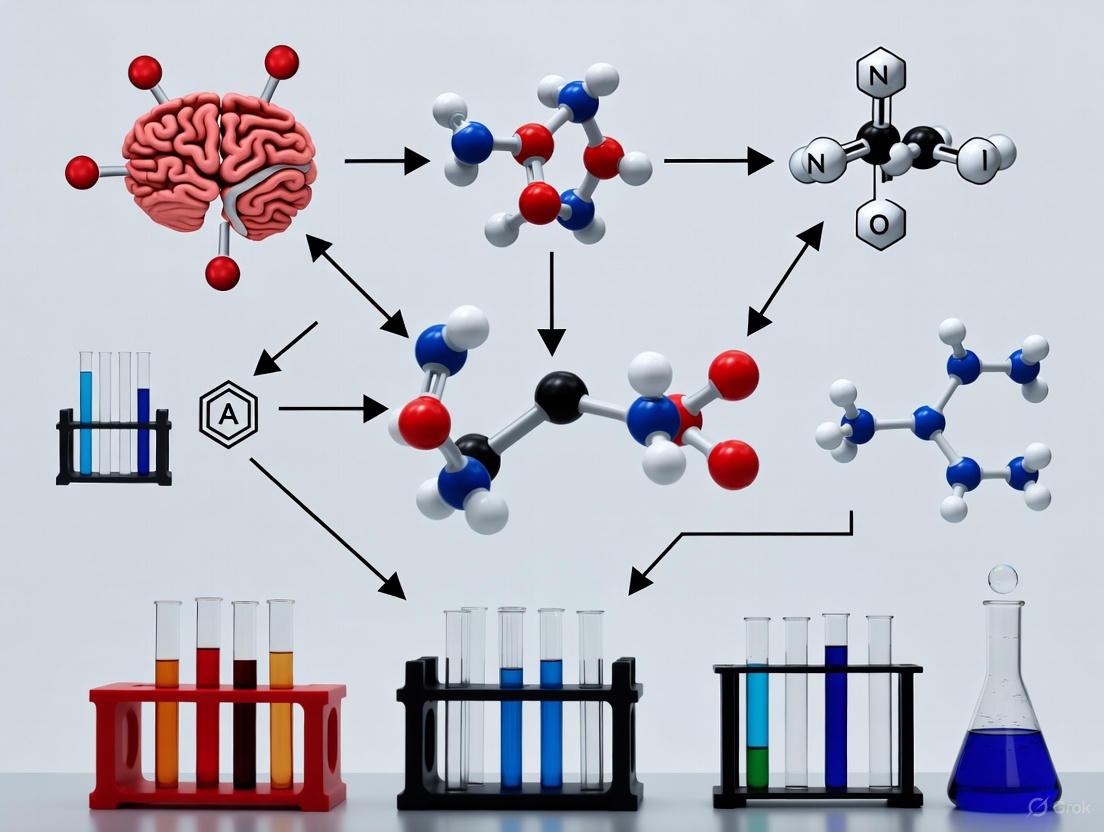
This article provides a comprehensive examination of volumetric navigators (vNavs), an advanced MRI technology for prospective motion correction.
Volumetric Navigators for Prospective Motion Correction in MRI: A Comprehensive Guide for Biomedical Researchers
Abstract
This article provides a comprehensive examination of volumetric navigators (vNavs), an advanced MRI technology for prospective motion correction. It covers the foundational principles of how short 3D EPI navigators are embedded within anatomical sequences to track head motion in real-time, enabling scanner coordinate system updates without significant time penalty. The methodological section details implementation across neuroanatomical and diffusion tensor imaging, while troubleshooting insights address optimization strategies like accelerated acquisitions and selective reacquisition. Crucially, validation evidence demonstrates that vNavs significantly reduce motion-induced bias in quantitative brain morphometry, which is essential for robust clinical research and drug development. This resource equips researchers and imaging professionals with the knowledge to implement and benefit from this transformative motion correction technology.
Understanding Volumetric Navigators: Solving MRI's Motion Problem
The Critical Challenge of Subject Motion in High-Resolution Neuroimaging
Subject motion remains one of the most significant obstacles to achieving consistent, high-quality data in high-resolution neuroimaging studies. Even subtle, imperceptible head movements introduce systematic biases in the morphometric metrics computed by widely used analysis software, potentially leading to erroneous conclusions in between-group analyses [1] [2]. This challenge is particularly acute in populations where inherent motion differences exist between experimental and control groups, such as children, elderly individuals, or patients with neurological disorders, creating confounding variables that can compromise research validity [1].
The insidious nature of motion artifacts lies in their ability to affect quantitative measurements even when they produce no visually detectable image degradation [2]. Research has demonstrated that motion-induced bias persists despite aggressive quality control measures that remove visibly motion-corrupted data [2]. This continuous effect of motion on measurements such as cortical gray matter volume and thickness necessitates advanced correction methodologies that operate throughout the acquisition process, moving beyond simple exclusion criteria or retrospective realignment [3].
Volumetric Navigators: Principles and Implementation
Volumetric navigators (vNavs) represent a prospective motion correction system that enables real-time tracking of head position during MRI acquisitions. The system operates by inserting brief, low-resolution whole-head acquisitions into the dead time of pulse sequences, typically once per repetition time (TR) [1] [2]. Each vNav acquisition requires approximately 300 milliseconds and is immediately processed through rapid registration algorithms that calculate head position changes. These position estimates then drive real-time updates of imaging parameters—adjusting gradient orientations, radiofrequency frequencies, and phases—to maintain consistent imaging coordinates relative to the subject's head throughout the scan [2].
A critical enhancement of the vNav system is its integration with an automated reacquisition mechanism. The system identifies TRs acquired during excessive motion that cannot be adequately corrected through prospective adjustments and flag them for reacquisition during the scan session [1]. This combined approach of prospective updating and targeted reacquisition provides a comprehensive solution for mitigating both slow drift and sudden, large head movements that would otherwise corrupt high-resolution anatomical and diffusion data.
Table 1: Key Performance Characteristics of Motion Correction Systems
| System Type | Correction Principle | Temporal Resolution | Spatial Registration Basis | Reported Effectiveness |
|---|---|---|---|---|
| Volumetric Navigators (vNav) | Prospective with reacquisition capability | Once per TR (e.g., every 2.5s) | Low-resolution whole-head volume | Reduces motion-induced bias and variance in morphometry [2] |
| Retrospective Motion Correction (RMC) | Post-acquisition image registration | After scan completion | High-resolution segmented images | Improves CNR and boundary detail [3] |
| Tracer Characteristic-Based Co-registration (TCBC) | PET-to-MR optimization | Post-processing | Radiotracer uptake patterns | Enhances amyloid burden detectability in PET/MR [4] |
| Markerless Optical Tracking | Prospective with deep learning | Real-time (simulation) | Dual-camera pose estimation | Accurate head pose tracking (RMSE = 0.13 mm/degrees) [5] |
Quantitative Impact of Motion on Morphometric Analyses
The quantitative impact of subject motion on neuroimaging measurements has been rigorously documented through controlled studies comparing scans with and without prospective correction. In one comprehensive evaluation, researchers conducted repeated MEMPRAGE acquisitions on healthy volunteers performing directed motions (nodding, shaking, and free movement) under both vNav-corrected and uncorrected conditions [2]. The results demonstrated that vNav prospective motion correction significantly reduced motion-induced bias and variance in morphometric estimates, with corrected scans showing measurements comparable to still scans despite deliberate subject movement [2].
Even small motions, previously considered inconsequential, produce statistically significant effects on cortical thickness and volume measurements. Research has shown that motion produces a continuous effect on morphometric outputs, with no clear threshold below which motion becomes benign [2]. This finding is particularly concerning for longitudinal studies and clinical trials where precise measurement of subtle structural changes is essential. The implementation of prospective motion correction like vNavs has been shown to increase the number of scans usable for analysis while reducing measurement error, thereby enhancing statistical power and reliability of findings [1] [2].
Table 2: Motion-Induced Measurement Error in Morphometric Analyses
| Brain Region | Measurement Type | Error Without PMC | Error With vNav PMC | Statistical Significance |
|---|---|---|---|---|
| Cortical Gray Matter | Volume estimate | Significant bias | Significantly reduced | p < 0.05 [2] |
| Overall Brain Volume | Global estimate | Increased variance | Reduced variance | p < 0.05 [2] |
| Medial Orbitofrontal Cortex | Amyloid uptake quantification | Strong correlation with age obscured | Enhanced detectability (p < 0.001) | Improved statistical power [4] |
| Precuneus | Amyloid burden measurement | Weaker age correlation (p = 0.023) | Stronger correlation (p = 0.004) | Better effect size detection [4] |
Comparative Analysis of Motion Correction Methodologies
Prospective versus Retrospective Approaches
Motion correction methodologies can be broadly categorized into prospective and retrospective approaches, each with distinct advantages and limitations. Prospective methods like vNavs correct during data acquisition by updating imaging parameters in real-time, effectively maintaining a consistent reference frame relative to the subject's anatomy [1] [2]. In contrast, retrospective techniques operate on already-acquired data, applying spatial transformations to align images after the scan is complete [3]. While retrospective correction is valuable for addressing interscan movements, it cannot fully recover information corrupted by intrascan motion, particularly the blurring and spin history effects that occur during volume acquisition [3].
The effectiveness of prospective systems is particularly evident in high-resolution 3D acquisitions where scan times extend to several minutes. Traditional retrospective methods struggle with the complex point spread function alterations caused by rotational motion during these extended acquisitions [3]. Prospective maintenance of the imaging coordinate system relative to the head preserves the spatial fidelity of the acquired data, resulting in improved boundary detail and contrast-to-noise ratio compared to retrospective approaches [3].
Emerging Methodologies and Technical Innovations
Recent technical innovations have expanded the toolkit available for motion management in neuroimaging. Markerless optical tracking using dual in-bore cameras with deep learning processing has demonstrated accurate head pose estimation in simulations, achieving mean root mean square error of 0.13 mm/degrees [5]. Similarly, self-gating Cartesian acquisition techniques can detect rigid or multi-rigid motions with high sensitivity, enabling motion-mitigated reconstruction with significantly improved image quality [5].
For simultaneous PET/MR imaging, novel co-registration methods like tracer characteristic-based co-registration (TCBC) leverage specific radiotracer uptake patterns to optimize alignment, outperforming conventional mutual information-based approaches [4]. In diffusion MRI, prospective motion correction with volumetric navigators has been integrated with advanced sequences to reduce blurring and geometric distortions from movement during long acquisitions [6]. These specialized approaches address the unique challenges presented by different imaging modalities and experimental paradigms.
Diagram 1: Motion Correction Method Classification (76 characters)
Detailed Experimental Protocols for Motion-Corrected Neuroimaging
Implementation of Volumetric Navigator Prospective Correction
The integration of volumetric navigators into structural and diffusion MRI protocols requires specific sequence modifications and parameter optimization. For high-resolution morphological imaging, vNavs are embedded within 3D multi-echo MPRAGE (MEMPRAGE) sequences, with each navigator acquisition timed to occupy the dead space between TRs [2]. Typical implementation uses a low-resolution volumetric echo-planar imaging readout with whole-brain coverage at 2-4mm isotropic resolution, acquired in approximately 300ms [1]. The motion tracking data derived from these interleaved navigators is used to update the imaging plane and frequency corrections in real-time, with a typical update frequency of once per TR (e.g., every 2.5 seconds) [2].
For diffusion MRI applications, vNavs can be incorporated into multi-shell, high-angular resolution diffusion imaging protocols to address both rigid head motion and more subtle motion occurring between diffusion-weighted volumes [6]. In the Diff5T dataset protocol, prospective motion correction enabled the acquisition of 1.2mm isotropic diffusion data with multiple b-values (1000, 2000, 3000 s/mm²) and 291 diffusion-encoding directions, substantially reducing blurring and misalignment artifacts that would otherwise compromise microstructural modeling [6]. The combination of prospective correction with hyper-accelerated reconstruction techniques facilitates the acquisition of high-fidelity data even in challenging populations.
Retrospective Motion Correction with Segmented Acquisitions
When prospective correction is unavailable, a segmented acquisition approach with retrospective motion correction provides a viable alternative for obtaining high-quality structural data in motion-prone populations. This method divides a long high-resolution 3D acquisition into multiple shorter segments, typically 4-6 acquisitions of 4-5 minutes each, with brief interscan intervals [3]. Each segment is individually reviewed for motion artifacts immediately after acquisition, with corrupted segments repeated while the subject remains in the scanner.
The processing pipeline involves several sequential steps: (1) deskulling of each individual segment using tools like FSL's Brain Extraction Tool (BET); (2) intra-subject registration of all segments to a common reference (typically the mid-time point acquisition) using rigid-body registration with normalized mutual information as the cost function; (3) RF inhomogeneity correction across all registered segments; and (4) averaging of aligned segments to produce a final high-contrast, high-resolution volume [3]. This approach effectively converts intrascan motion into interscan motion, which is more readily correctable through registration algorithms. Validation studies demonstrate that this method provides better contrast-to-noise ratio and boundary detail compared to non-motion-corrected averaged images [3].
Diagram 2: Retrospective Motion Correction Protocol (52 characters)
Table 3: Essential Resources for Motion Correction Research
| Resource Category | Specific Tool/Platform | Primary Function | Application Context |
|---|---|---|---|
| Pulse Sequences | vNav-MEMPRAGE [2] | Prospective motion-corrected T1w imaging | High-resolution morphometry |
| gSLIDER-SWAT [7] | High spatiotemporal resolution fMRI | Submillimeter functional imaging at 3T | |
| Software Libraries | FSL FLIRT [3] | Rigid-body image registration | Retrospective motion correction |
| FreeSurfer mri_coreg [4] | Mutual information-based co-registration | PET-MR alignment | |
| Datasets | Diff5T [6] | 5.0T dMRI with raw k-space | Method development and benchmarking |
| OASIS-3 [4] | Multi-modal neuroimaging | PET-MR motion correction validation | |
| Experimental Platforms | 3T Siemens Prisma/Skyra [7] | Implementation of vNav sequences | Clinical research studies |
| UIH 5.0T Jupiter [6] | High-field dMRI with advanced reconstruction | High-resolution diffusion imaging |
The critical challenge of subject motion in high-resolution neuroimaging demands sophisticated solutions that address both macroscopic movements and subtle, imperceptible head motions that systematically bias morphometric analyses. Volumetric navigators represent a significant advancement in prospective motion correction, demonstrating robust reduction of motion-induced bias and variance in controlled studies [2]. The integration of these systems into standard imaging protocols, particularly for populations with inherent movement tendencies or in longitudinal studies requiring precise measurement, substantially enhances data quality and analytical reliability.
Future developments in motion correction technology will likely focus on the integration of multi-modal tracking approaches, combining internal navigators with external optical tracking [5] and machine learning-based pose estimation [5]. Additionally, the application of deep learning reconstruction methods to motion-corrupted data shows promise for compensating for residual artifacts that persist after physical correction [6] [5]. As these technologies mature, the implementation of robust motion mitigation will become increasingly seamless within standard neuroimaging protocols, ultimately enhancing the sensitivity and reproducibility of neuroimaging across diverse populations and research contexts.
Head motion remains a significant challenge in magnetic resonance imaging (MRI) of the brain, capable of introducing severe artifacts that degrade image quality and compromise quantitative analysis [8] [9]. As MRI advances toward higher spatial resolutions, even sub-millimeter movements can produce noticeable artifacts, limiting the diagnostic and research utility of acquired images [10]. Two primary technological paradigms have emerged to address this problem: prospective motion correction (PMC) and retrospective motion correction (RMC). This article examines their fundamental differences, supported by quantitative comparisons and detailed experimental protocols, framed within the context of advanced volumetric navigator (vNav) methodologies.
Core Principles and Fundamental Differences
Prospective and retrospective motion correction employ fundamentally distinct approaches to mitigating motion artifacts, each with unique operational principles and implications for image acquisition and reconstruction.
Table 1: Fundamental Differences Between Prospective and Retrospective Motion Correction
| Feature | Prospective Motion Correction (PMC) | Retrospective Motion Correction (RMC) |
|---|---|---|
| Basic Principle | Dynamically updates the imaging field of view (FOV) during acquisition to track head movement [8] [9] | Incorporates motion information during image reconstruction after data acquisition is complete [9] [10] |
| Correction Timing | Real-time during scan | Post-processing after scan |
| K-space Sampling | Maintains Cartesian grid by adjusting imaging plane [10] | Results in non-Cartesian, irregular sampling requiring specialized reconstruction [9] [10] |
| Spin History Effects | Preserves consistent spin history by maintaining anatomical reference [8] | Cannot correct for spin history inconsistencies [8] |
| Applicability to 2D MRI | Well-suited for 2D multi-slice sequences [10] | Generally limited to 3D volume acquisitions [10] |
| Typical Motion Tracking | External tracking (optical, active markers) or MR navigators [8] [11] | External tracking or image-based registration [9] |
| Computational Demand | Low-latency, real-time computation required | Computationally intensive reconstruction |
Figure 1: Workflow comparison between prospective (green) and retrospective (red) motion correction approaches.
Quantitative Performance Comparison
Recent comparative studies have provided quantitative insights into the performance characteristics of PMC and RMC under various motion conditions.
Table 2: Quantitative Performance Metrics for PMC vs. RMC in 3D-Encoded Neuroanatomical MRI [9]
| Performance Metric | Prospective Motion Correction (PMC) | Retrospective Motion Correction (RMC) | Experimental Conditions |
|---|---|---|---|
| Structural Similarity Index (SSIM) | 0.99 (with Within-ET-PMC) | 0.95 (with Within-ET correction) | Continuous motion, 3D MPRAGE |
| Correction Frequency | Before-ET (2500 ms) or Within-ET (48 ms) | Matched to acquisition timeline | Echo-train (ET) intervals |
| Nyquist Criterion | Maintained throughout acquisition | Violated during rotations, causing gaps | K-space rotation effects |
| Parallel Imaging | Robust with integrated ACS | Sensitive to motion-corrupted ACS | GRAPPA acceleration |
| Through-plane Motion | Effectively corrected in 2D sequences | Limited correction capability | 2D multi-slice acquisitions |
The superior performance of PMC, particularly with higher correction frequencies, is attributed to its ability to maintain uniform k-space sampling density. Rotations during acquisition cause regions of k-space to be under-sampled in RMC, violating the Nyquist criterion and creating artifacts that cannot be fully corrected retrospectively [9]. PMC avoids this fundamental limitation by continuously adjusting the imaging plane to maintain consistent anatomical alignment throughout the acquisition.
Advanced Integrated Approaches
Combined Prospective and Retrospective Correction
A sophisticated hybrid approach combines prospective rigid-body correction with retrospective distortion correction to address both bulk motion and non-rigid deformations. This method uses prospective active marker tracking to maintain scan-plane orientation while retrospectively unwarping non-rigid image deformations caused by motion-induced field changes [12]. The retrospective distortion correction utilizes phase information from the EPI time-series itself without requiring additional field mapping scans [12].
Reverse Retrospective Correction
An innovative framework called "reverse retrospective correction" enables the effects of PMC to be undone during reconstruction [10]. By applying the inverse of the transformation matrix used for prospective gradient feedback, this method can generate images representing how the acquisition would have appeared without PMC enabled. This provides a valuable quality control mechanism for evaluating PMC efficacy and restoring data in cases of erroneous corrections [10].
Experimental Protocols
Protocol 1: Prospective Motion Correction with Active Markers
This protocol details the implementation of PMC using an active marker system for structural brain imaging [8].
Materials and Equipment:
- MRI system with pulse programming capability
- Active marker headband with three non-colinear markers
- Custom interface box (e.g., Synergy Multi-Connect box)
- Software patch integrated into scanner GUI
Procedure:
- Marker Placement: Secure the headband firmly to the subject's forehead, ensuring minimal movement relative to the head.
- Reference Measurement: At scan initiation, acquire reference tracking data of all marker positions.
- Sequence Interleaving: Implement tracking and geometry update modules into the imaging sequence:
- Timing: Execute tracking module before each imaging segment (37-ms duration)
- Motion Detection: Compare current marker positions with reference positions
- Geometry Update: Calculate 6-DOF rigid-body transform and update scan-plane orientation
- Data Rejection (Optional): For extreme motion exceeding predefined threshold, reject corrupted k-space lines and reacquire with updated geometry.
- Image Reconstruction: Reconstruct images conventionally on the scanner.
Validation:
- Quantify tracking precision (typically ~0.01 mm [8])
- Evaluate image registration accuracy between volumes acquired before and after motion
Protocol 2: Prospective Motion Correction with Volumetric Navigators
This protocol implements PMC using embedded 3D echo-planar imaging volumetric navigators (vNavs) for neuroanatomical MRI [11].
Materials and Equipment:
- 3T MRI system with multi-channel head coil
- Sequence programming environment for vNav integration
- Registration algorithm (e.g., cubic B-splines for high accuracy)
Procedure:
- Sequence Modification: Embed short 3D-EPI vNavs (≤500 ms) into anatomical sequence.
- vNav Acquisition: Acquire volumetric navigators at strategic gaps in the parent sequence.
- Motion Estimation: Register each vNav to the reference to compute 6-DOF rigid-body transformation.
- Prospective Update: Apply transformation to adjust the imaging FOV before subsequent acquisition.
- Selective Reacquisition (Optional): Reacquire motion-corrupted k-space segments based on motion detection thresholds.
Optimization Parameters:
- vNav resolution: 2.5-7.5 mm isotropic [13]
- vNav acquisition time: 242-1302 ms (with acceleration) [13]
- Registration algorithm: Cubic B-splines recommended for accuracy [14]
Protocol 3: Retrospective Motion Correction with Optical Tracking
This protocol details RMC implementation using external optical tracking for 3D-encoded sequences [9].
Materials and Equipment:
- Optical motion tracking system (e.g., Tracoline TCL3.1)
- Markerless tracking or single-marker system
- Modified reconstruction pipeline (e.g., retroMoCoBox)
- GPU-enabled computing for NUFFT reconstruction
Procedure:
- System Calibration:
- Perform geometric calibration between scanner and tracking system
- Execute temporal synchronization between tracking and scanner computers
- Data Acquisition:
- Acquire motion tracking data concurrently with imaging data
- Record head pose estimates at high frequency (≥30 Hz)
- Data Processing:
- Temporally match each k-space readout to nearest motion estimate
- Transform motion parameters to scanner coordinate system
- Motion Correction:
- Correct translations by adding phase ramps to k-space data
- Correct rotations by adjusting k-space trajectory
- Image Reconstruction:
- Implement NUFFT to reconstruct non-Cartesian k-space data
- Employ iterative SENSE reconstruction for improved results
Figure 2: Workflow for prospective motion correction using volumetric navigators (vNavs) with selective reacquisition capability.
The Scientist's Toolkit
Table 3: Essential Research Reagent Solutions for Motion Correction Studies
| Tool/Reagent | Function | Example Specifications |
|---|---|---|
| Active Marker System | Tracks head motion via miniature RF coils | Three non-colinear markers; 0.01 mm precision [8] |
| Optical Tracking System | Markerless head pose estimation | 30 Hz frame rate; 0.1 mm/0.1° precision [9] |
| Volumetric Navigators (vNavs) | Embedded MR-based motion estimation | 3D-EPI; 2.5-7.5 mm resolution; 242-1302 ms duration [13] |
| Field Mapping Sequences | Measures B₀ field inhomogeneities | Dual-echo GRE; used for distortion correction [12] |
| Accelerated vNav Sequences | Rapid field mapping for real-time shimming | GRAPPA-accelerated 3D dual-echo EPI; 8-fold acceleration [13] |
| NUFFT Reconstruction Software | Reconstructs non-Cartesian k-space data | GPU-accelerated implementation [9] |
| Motion Phantom | Simulates controlled head motion | Anthropomorphic head design; programmable movements |
Prospective and retrospective motion correction offer complementary strengths for addressing head motion in MRI. PMC provides fundamentally superior artifact reduction by maintaining consistent k-space sampling, particularly for rotational motion and 2D sequences. RMC offers flexibility in post-processing and avoids potential errors from real-time tracking inaccuracies. The emerging trend toward combined approaches and advanced vNav technologies represents the most promising direction for comprehensive motion compensation, enabling higher-resolution neuroimaging and more reliable quantitative measurements in both clinical and research applications.
Core Principles of Volumetric Navigator Technology
Volumetric navigators (vNavs) represent a cornerstone technology in prospective motion correction for magnetic resonance imaging (MRI). Their development addresses a fundamental challenge in neuroimaging: the detrimental impact of subject motion on data quality and quantitative analysis. Even sub-millimeter motions that produce no visible artifacts can introduce systematic biases in morphometric analyses of cortical thickness and gray matter volume, potentially leading to erroneous conclusions in between-group studies [1] [2]. Unlike retrospective correction methods that apply transformations after data acquisition, vNavs enable real-time adjustment of imaging parameters during the scan itself, tracking the head as a rigid body and updating the scanner's coordinate system to maintain alignment with the moving subject [1] [15]. This paradigm shift from retrospective to prospective correction has proven particularly valuable for high-resolution 3D-encoded sequences with long scan times, and for imaging populations where motion control is challenging, such as pediatric, elderly, or clinical patients [1] [16].
Core Technical Principles
Basic Operating Mechanism
The vNav system operates on an elegantly simple principle: frequently and rapidly ascertain the subject's head position in scanner coordinates, then use this information to update subsequent imaging pulses and gradients to maintain a head-locked frame of reference. This is achieved by embedding brief, low-resolution 3D echo-planar imaging (EPI) volumetric navigators directly into the dead time of host pulse sequences, typically once per repetition time (TR) [1] [17]. Each navigator acquires a complete head volume in approximately 300-500 milliseconds with isotropic resolutions around 8 mm, representing a minimal time investment—often less than 1% of the total sequence time—while inducing only minor changes in image contrast and intensity [15] [17]. Following acquisition, these navigator volumes undergo rapid image registration to a reference volume (usually the first navigator), yielding six-parameter rigid-body motion estimates (three translations, three rotations) that are fed back to the sequence for prospective correction [1] [17].
System Architecture and Components
The implementation of vNav technology requires tight integration between several hardware and software components to achieve the low-latency performance necessary for real-time operation. The system architecture can be conceptualized as a closed-loop control system where each component plays a critical role in the motion correction pipeline.
The pulse sequence integration represents the foundation, with vNavs embedded within the host sequence during normally idle periods. This integration is protocol-specific, with successful implementations demonstrated in MEMPRAGE, MPRAGE, and diffusion-weighted sequences [1] [17] [16]. The image reconstruction and registration pipeline represents the computational core of the system, with the 3D-EPI navigator volumes being reconstructed and registered using algorithms such as the manufacturer's PACE (Prospective Acquisition CorrEction) or FSL/FLIRT for offline processing [17] [18]. The coordinate system update mechanism constitutes the final control element, applying the derived motion parameters to adjust gradient orientations, radiofrequency excitation profiles, and slice positions in real-time [1] [17].
Quantitative Performance Data
Impact on Morphometric Measurements
Empirical validation studies have consistently demonstrated that vNav-based prospective motion correction significantly reduces motion-induced bias and variance in brain morphometry. The following table summarizes key quantitative findings from controlled studies where subjects performed directed head motions during scanning:
Table 1: Impact of vNavs on Motion-Induced Bias in Morphometry
| Morphometric Measure | Motion Condition | Without vNav | With vNav | Significance |
|---|---|---|---|---|
| Cortical Gray Matter Volume | Intentional Motion | Systematic underestimation [1] | Significant reduction in bias [1] [2] | p < 0.05 [1] |
| Cortical Thickness | Intentional Motion | Systematic bias [1] [2] | Significant reduction in bias [1] [2] | p < 0.05 [1] |
| Total Brain Volume | Intentional Motion | Increased variance [2] | Reduced variance [2] | p < 0.05 [2] |
| Fractional Anisotropy (DTI) | Head Motion | Significant decrease in mean FA [17] | Recovery of FA values [17] | p < 0.01 [17] |
| Mean Diffusivity (DTI) | Head Motion | Significant increase in mean MD [17] | Recovery of MD values [17] | p < 0.01 [17] |
System Performance Metrics
Beyond its impact on derived morphometric measures, the technical performance of vNav systems has been rigorously characterized in multiple implementation studies:
Table 2: vNav System Performance Characteristics
| Performance Metric | Typical Value | Context & Notes |
|---|---|---|
| Navigator Acquisition Time | 300-500 ms [1] [17] | Dependent on specific protocol parameters |
| Total Processing Latency | < 20 ms [19] | Includes reconstruction, registration, and coordinate update |
| Registration Accuracy | High [1] | Validated against external motion tracking |
| Tracking Precision (KCF Algorithm) | 74.4% [19] | Within 5 mm error threshold in phantom studies |
| Brain Mask Extraction Time | 0.02 seconds [18] | Per vNav on 3.3-GHz Intel Xeon CPU |
| Impact on Sequence TR | ~1% increase [15] | Minimal disruption to host sequence timing |
Experimental Protocols
Validation Protocol for Structural Imaging
The following detailed methodology has been employed in multiple studies to validate the effectiveness of vNavs for structural neuroimaging [1] [2] [16]:
Subject Preparation and Positioning: Twelve healthy adult volunteers (5 male, 7 female; ages 21-43) are scanned after providing informed consent. Subjects are positioned with their heads resting on a pillow and stabilized with foam blocks on both sides. The junction of the top of the nose and brow is placed at isocenter to standardize positioning across sessions [1].
Scanning Protocol: Imaging is performed on a 3T TIM Trio MRI System (Siemens Healthcare) using a 12-channel head matrix coil. The core sequence is a 3D multi-echo MPRAGE (MEMPRAGE) with the following parameters: TR/TI = 2530/1220 ms, field of view = 256 mm × 256 mm × 176 mm, 1 mm isotropic resolution, 4 echoes with bandwidth of 650 Hz/pixel, and 2× GRAPPA acceleration [1].
Motion Paradigm: Each subject undergoes eight repetitions: two still scans without prospective motion correction, and two scans each of three motion conditions (nodding, shaking, and free movement following a figure-eight pattern with the nose). For each motion type, one repetition is performed with prospective motion correction disabled (but vNavs still measuring motion) while the other has correction enabled. The order is randomized across subjects to mitigate potential order effects [1].
Motion Duration Control: Subjects are randomized to "long" (15-second movement blocks per minute) or "short" (5-second movement blocks per minute) motion groups to introduce between-subject variability in motion amount. Motion cues are presented via visual instructions projected within the scanner bore [1].
Quality Control and Exclusion Criteria: Scans are immediately stopped and repeated if motion exceeds 8 degrees rotation or 20 mm translation in a single TR, as enforced by the PACE motion-tracking system underlying vNavs [1].
Implementation Protocol for Diffusion Imaging
For diffusion-weighted imaging, where motion sensitivity is particularly pronounced, a specialized implementation protocol has been developed [17]:
Sequence Modification: A twice-refocused 2D diffusion pulse sequence is modified to incorporate a 3D-EPI navigator following each diffusion volume. The navigator employs a small flip angle of 2 degrees to minimize saturation effects on the diffusion sequence [17].
Navigator Parameters: The 3D-EPI navigator acquires data with a matrix size of 32 × 32 × 28 (8 mm isotropic) to balance tracking accuracy with speed. The field-of-view is selected to cover the subject's entire head, which is essential for accurate motion estimation [17].
Real-time Processing: Navigator image reconstruction and motion estimation are performed in real-time using the scanner's image calculation environment (ICE). The PACE algorithm provides motion parameters through a least squares cost function for image alignment [17].
Timing Considerations: Insertion of the navigator increases the sequence TR by the navigator acquisition time (TRvNav) plus an additional feedback period (Tfeedback) of approximately 526 ms to allow for processing and coordinate system updates [17].
Advanced Implementation Considerations
Selective Reacquisition
A sophisticated feature of advanced vNav implementations is the capacity for motion-driven selective reacquisition of corrupted k-space data. The system automatically identifies and tags for reacquisition any TR intervals where motion exceeds predefined thresholds (typically ≥1 mm translation or degree rotation) [1] [16]. These identified segments are then reacquired at the conclusion of the original scan, substantially improving image quality without the need for complete sequence repetition. Studies have demonstrated that this reacquisition capability is an essential component of navigator-based PMC, contributing significantly to the accuracy and reproducibility of both cortical and subcortical morphometric measures [16].
Enhanced Tracking with Brain Masking
A significant refinement in vNav processing involves the implementation of real-time brain masking to improve motion estimation accuracy. When vNavs encompass the entire head, non-rigid deformations (e.g., jaw movement) can introduce bias into rigid-body motion estimates [18]. This bias can subsequently manifest as subtle correction-related artifacts in the final images [18].
The masking process employs a maximally stable extremal region (MSER) algorithm to identify the brain in low-resolution vNavs (typically 32³ at 8 mm isotropic) [18]. The largest MSER is selected and morphologically opened with a spherical kernel (radius = 3) to remove neck portions, followed by dilation (radius = 2) to include the scalp for robust registration [18]. This approach achieves Dice coefficients of 0.89±0.01 compared to FreeSurfer-derived masks while maintaining exceptional processing speed (0.02 seconds per vNav) compatible with real-time application [18].
Computer Vision Integration
Recent advances have explored the integration of computer vision object tracking algorithms with vNav processing, particularly for applications involving non-rigid organ motion. The Kernelized Correlation Filter (KCF) tracker has demonstrated exceptional performance in this context, achieving 74.4% tracking precision (within 5 mm error) while processing at rates exceeding 100 frames per second [19]. This approach enables robust motion tracking even in low-resolution, low-contrast MR navigator images, making it particularly valuable for body applications where respiratory and cardiac motion present additional challenges [19].
The Scientist's Toolkit
Table 3: Essential Research Reagents and Resources for vNav Implementation
| Resource Category | Specific Examples | Function & Application |
|---|---|---|
| Pulse Sequences | vNav-MEMPRAGE [1], vNav-MPRAGE [16], vNav-DWI [17] | Host sequences with embedded volumetric navigators for specific contrast and application needs |
| Registration Algorithms | PACE [1] [17], FSL/FLIRT [18] | Real-time image registration for motion parameter estimation |
| Tracking Algorithms | Kernelized Correlation Filter (KCF) [19], MEDIANFLOW [19] | Computer vision-based tracking for enhanced motion estimation in challenging scenarios |
| Brain Extraction Tools | Maximally Stable Extremal Regions (MSER) [18] | Real-time brain masking to improve motion estimation accuracy by excluding non-brain voxels |
| Experimental Motion Paradigms | Directed motions (nodding, shaking, figure-eight) [1] | Controlled motion protocols for system validation and performance characterization |
| Quality Control Metrics | Visual QC scores [1], Shannon entropy [18] | Quantitative and qualitative measures for assessing correction efficacy and image quality |
| Processing Environments | Image Calculation Environment (ICE) [17] | Scanner-integrated platform for real-time image reconstruction and processing |
Volumetric navigators (vNavs) represent a significant advancement in prospective motion correction for magnetic resonance imaging (MRI), with particular utility in their ability to function without requiring additional scanner hardware. Unlike external field monitoring systems that need supplementary hardware installation, specific vNav implementations utilize the MR system's inherent capabilities through modified pulse sequences and software solutions [20]. This hardware-independent approach enables real-time motion tracking and correction using the scanner's existing phased-array coils and reconstruction environment, making the technology readily deployable across research and clinical settings without hardware modifications [17].
The fundamental principle behind hardware-free vNav integration lies in leveraging the standard imaging components already available on clinical MRI systems. By implementing specialized sequences that acquire rapid, low-resolution whole-brain volumes during natural dead-time in MRI pulse sequences, vNav systems can track subject motion without hardware additions [1]. These navigators are then reconstructed and processed through the scanner's native image calculation environment, providing real-time motion parameters that prospectively update imaging coordinates during data acquisition. This integration method demonstrates that sophisticated motion correction can be achieved through software and sequence optimization rather than hardware augmentation.
Quantitative Performance Metrics of Hardware-Independent vNavs
Acquisition Parameters and Performance Characteristics
Table 1: vNav Performance Metrics Across Spatial Resolutions
| Spatial Resolution (mm) | Acquisition Matrix | Acceleration Factor | Acquisition Time (ms) | Geometric Distortions | RMSE vs. GRE (Hz) |
|---|---|---|---|---|---|
| 2.5 | 94×94×60 | 8× | 1302 | Significant reduction | 5.5 |
| 5.0 | 64×64×40 | 4× | 378 | Moderate reduction | Not specified |
| 7.5 | 48×48×30 | 2× | 242 | Minimal reduction | Not specified |
| 8.0 | 32×32×28 | None | 700 | Baseline | Higher than accelerated |
Motion Correction Efficacy Metrics
Table 2: Motion Correction Performance in Diffusion Imaging
| Performance Metric | Standard DTI | vNav-Corrected DTI | Improvement Significance |
|---|---|---|---|
| Mean Fractional Anisotropy | Significant decrease | Recovered to baseline | p<0.01 |
| FA Histogram Peak Location | Shift toward lower anisotropy | Normalized distribution | p<0.01 |
| Mean Diffusivity | Significant increase | Returned to baseline | p<0.01 |
| MD Histogram Distribution | Shift toward higher diffusivity | Restored original shape | Visual confirmation |
| Reacquisition Requirement | Frequent | Minimal | Scan time reduction |
Experimental Protocols for Hardware-Independent vNav Implementation
Pulse Sequence Implementation Protocol
The hardware-independent vNav implementation utilizes a dual-echo 3D echo planar imaging (EPI) sequence embedded within the parent MRI sequence. This protocol requires no additional hardware beyond the standard phased-array head coil [20]. Key implementation parameters include:
- Sequence Structure: Interleaved dual-echo EPI readout with minimal flip angle (2°) to prevent signal saturation of the primary sequence [17]
- Spatial Encoding: Isotropic voxel acquisition with matrix sizes ranging from 32×32×28 to 94×94×60, providing flexibility in resolution versus speed tradeoffs
- Temporal Parameters: Echo time difference optimized to approximately 2.4 ms for in-phase fat and water signals at 3T field strength
- Acceleration Technique: Implementation of Generalized Auto-calibrating Partially Parallel Acquisition (GRAPPA) with acceleration factors from 2× to 8× to reduce acquisition time
- Water Selective Excitation: Incorporation of frequency-selective pulses to minimize chemical shift artifacts along EPI encoding directions
The vNav protocol is prepared and stored before the main acquisition sequence begins. This setup scan verifies proper brain coverage within the navigator field of view and stores the protocol for repeated use throughout the imaging session, with a typical setup time of less than one second [17].
Real-Time Processing and Motion Correction Workflow
The motion tracking and correction pipeline operates through the following stages:
Navigator Acquisition: A complete 3D head volume is acquired during sequence dead-time using the standard imaging radiofrequency chain and gradient system [1]
Image Reconstruction: Navigator data is reconstructed in real-time using the scanner's native Image Calculation Environment (ICE)
Motion Estimation: The reconstructed navigator is registered to a reference volume using the Prospective Acquisition Correction (PACE) algorithm, estimating six rigid-body motion parameters [17]
Coordinate System Update: The imaging plane orientation and frequency/phase adjustments are updated prospectively before the next TR based on motion parameters
Quality Control: Automatic monitoring for excessive motion beyond predefined thresholds (typically ±20 mm translation or ±8° rotation) with continuation without correction if limits are exceeded
Figure 1: vNav Motion Correction Workflow - Real-time processing pipeline for prospective motion correction without additional hardware.
Validation Experimental Protocol
To validate the performance of hardware-independent vNav systems, the following experimental protocol is recommended:
Subject Population: Include both healthy controls and patient populations (e.g., neurological disorders) with varying motion characteristics [20] [1]
Motion Paradigm: Implement controlled motion conditions including nodding (rotation around left-right axis), shaking (rotation around head-foot axis), and free motion patterns [1]
Timing Protocol: Utilize randomized blocks of motion duration (e.g., 5-second vs. 15-second motion epochs) to evaluate different motion frequencies
Reference Standards: Compare vNav-corrected sequences with:
Analysis Metrics: Quantify performance using:
- Root mean square error compared to reference field maps
- Cortical thickness and gray matter volume measurements in morphometry
- Fractional anisotropy and mean diffusivity in diffusion imaging
- Qualitative artifact rating by experienced radiologists
Hardware Integration Architecture
The vNav system integrates with existing scanner hardware through multiple pathways to enable comprehensive motion correction without additional hardware components.
Figure 2: vNav Hardware Integration Architecture - System components and data flow for hardware-independent implementation.
Research Reagent Solutions
Table 3: Essential Materials for vNav Implementation
| Component | Function | Implementation Notes |
|---|---|---|
| 3T MRI Scanner | Primary imaging platform with sufficient gradient performance for EPI readouts | Siemens Prisma platform recommended; requires research sequence authorization |
| 32-Channel Head Coil | Standard signal reception without hardware modification | Provides sufficient signal-to-noise ratio for rapid navigator acquisition |
| GRAPPA Acceleration | Parallel imaging technique to reduce acquisition time without hardware addition | Implemented through sequence programming; requires auto-calibration signal acquisition |
| Dual-echo EPI Sequence | Core vNav acquisition sequence for simultaneous anatomy and field mapping | Modified to include water-selective excitation for reduced fat artifacts |
| Prospective Motion Correction Framework | Real-time tracking and correction infrastructure | Leverages Siemens PACE/ICE platform; requires research interface access |
| Anthropomorphic Phantom | Validation and protocol optimization without subject variability | Essential for initial sequence testing and quality assurance |
| Auto-calibration Signal | Reference data for parallel imaging reconstruction | Acquired once per session; adds minimal time overhead (0.8-7.1s depending on resolution) |
Discussion and Technical Considerations
The implementation of vNav systems without additional scanner hardware demonstrates that sophisticated prospective motion correction is achievable through software and sequence optimization rather than hardware augmentation. The GRAPPA-accelerated 3D EPI vNav approach provides a flexible framework that balances spatial resolution (2.5-7.5 mm isotropic) and acquisition speed (242-1302 ms) to suit various research applications [20].
Critical technical considerations for successful implementation include the management of system latency, with total feedback time (acquisition + processing) determining the practical update rate for prospective corrections [17]. Additionally, the integration must account for the specific reconstruction environment and sequence programming interfaces available on the target MRI platform, as these determine the feasibility of real-time processing and coordinate system updates.
This hardware-independent approach makes advanced motion correction accessible across research institutions without requiring specialized hardware installations, potentially improving reproducibility and standardization in neuroimaging studies where motion artifacts compromise data quality and introduce biases in quantitative measurements [1].
Key Historical Developments in Navigator-Based Motion Correction
Navigator-based motion correction represents a pivotal innovation in magnetic resonance imaging (MRI), enabling significant advancements in image quality by addressing the persistent challenge of subject motion. These techniques utilize embedded tracking sequences, or "navigators," to measure and correct motion in real-time (prospective correction) or after data acquisition (retrospective correction). The evolution from simple orbital navigators to sophisticated volumetric and fat-selective methods has fundamentally transformed MRI capabilities, particularly for high-resolution neuroanatomical studies and clinical populations prone to movement. This development trajectory has been characterized by increasing spatial and temporal efficiency, improved integration with quantitative sequences, and enhanced robustness across diverse imaging applications.
Key Historical Developments and Technical Evolution
The historical progression of navigator technologies showcases a clear trend toward higher dimensionality, accelerated acquisition, and specialized contrast mechanisms. The table below summarizes the key developmental milestones and their impact on the field.
Table 1: Historical Development of Navigator-Based Motion Correction Techniques
| Development Era | Navigator Type | Key Innovation | Primary Applications | Representative Citations |
|---|---|---|---|---|
| Early Methods (Pre-2010) | Orbital/Cloverleaf Navigators | Multi-planar 2D rigid-body motion tracking | Single-voxel spectroscopy, early fMRI | [14] |
| 2010s | Volumetric Navigators (vNavs) | Whole-brain 3D EPI for full 6DOF motion tracking | High-resolution structural MRI (MPRAGE) | [16] [14] |
| 2010s | PROMO | Integrated vNavs with automated reacquisition | Pediatric and patient population imaging | [16] |
| 2010s | Fat Navigators (FatNavs) | Fat-excited, highly accelerated 3D acquisition | Ultra-high field (7T) structural imaging | [21] |
| 2020s | GRAPPA-Accelerated vNavs | Parallel imaging to reduce vNav acquisition time | Real-time motion and B0 shim correction | [20] |
| 2020s | Self-Navigated Sequences (e.g., Spoke Energy) | Motion detection from intrinsic k-space signal | 3D radial MRI without sequence modification | [22] |
The implementation of 3D echo-planar imaging (EPI) volumetric navigators (vNavs) marked a significant leap forward, providing full six-degrees-of-freedom (6DOF) rigid-body motion tracking for the entire brain [14]. This innovation was particularly impactful for long acquisitions like MPRAGE, where it was shown to improve the accuracy and reproducibility of cortical thickness measures by mitigating motion-induced bias [16]. The subsequent development of FatNavs leveraged the sparsity of fat signals in the head to enable extremely high acceleration factors, making them ideal for ultra-high field imaging where their minimal impact on the water signal is a critical advantage [21].
More recently, the push for greater efficiency has led to the application of parallel acceleration techniques like GRAPPA to vNavs, reducing acquisition times from ~700 ms to under 400 ms while maintaining or improving spatial resolution for more robust real-time feedback [20]. Concurrently, self-navigated approaches that derive motion information from the imaging data itself, such as the spoke-energy method for 3D radial MRI, offer a pathway to motion robustness without dedicated navigator modules or external hardware [22].
Quantitative Comparison of Navigator Performance
The selection of an appropriate navigator technique involves balancing multiple performance characteristics, including spatial and temporal resolution, technical overhead, and impact on the primary imaging sequence. The following table provides a comparative analysis of modern navigator methods.
Table 2: Performance Characteristics of Modern Navigator Techniques
| Performance Characteristic | 3D EPI vNav | Accelerated vNav (GRAPPA) | 3D FatNav | Self-Navigation (Spoke Energy) |
|---|---|---|---|---|
| Typical Spatial Resolution | 8 mm isotropic [20] | 5 mm isotropic [20] | 2-4 mm isotropic [21] | N/A (k-space metric) |
| Typical Acquisition Time | ~720 ms [20] | ~378 ms [20] | ~1.65 s (2 mm) [21] | Near-instantaneous |
| Motion Tracking Dimension | 6DOF | 6DOF | 6DOF | Motion detection (can be extended to 6DOF) |
| Key Advantage | Whole-brain field mapping | Speed and resolution balance | High resolution, minimal water signal perturbation | No sequence modification or extra time |
| Primary Limitation | Long acquisition time | GRAPPA calibration required | Magnetization transfer effects on quantitative maps | Primarily demonstrated for radial trajectories |
| Typical Accuracy | Sub-voxel registration | 5.5 Hz RMSE for B0 mapping vs. GRE [20] | <0.3 mm/° vs. MPT [21] | Real-time motion detection demonstrated [22] |
The performance data reveals a clear trade-off between navigator complexity and capability. While 3D FatNavs provide high spatial resolution and excellent agreement with optical tracking standards like Moiré Phase Tracking (MPT) [21], their longer acquisition time makes them less suitable for real-time applications requiring rapid feedback. Accelerated vNavs strike an effective balance, enabling high-resolution (5 mm) volumetric acquisition in 378 ms—faster than unaccelerated low-resolution (7.5 mm) vNavs while providing superior B0 field mapping accuracy [20]. Self-navigated methods represent the most efficient approach for compatible sequences, requiring no additional acquisition time.
Detailed Experimental Protocols
Protocol 1: GRAPPA-Accelerated vNav for Real-Time Motion and Shim Correction
This protocol details the implementation of accelerated volumetric navigators for simultaneous motion and B0 field inhomogeneity correction, as validated in recent literature [20].
- Pulse Sequence: Dual-echo 3D EPI with water-selective excitation
- Scanner Platform: 3T MAGNETOM Prisma MRI scanner (Siemens Healthineers)
- Key Parameters:
- Echo Time Difference (ΔTE): ~2.4 ms (for in-phase fat and water at 3T)
- Acceleration: GRAPPA with factor up to 8-fold
- Spatial Resolution: Configurable from 2.5-7.5 mm isotropic
- Acquisition Time: 242-1302 ms (depending on resolution and acceleration)
- ACS Lines: Number set to half the phase encoding matrix size (acquired once per scan)
- Processing Workflow:
- Motion Tracking: Registration of vNav magnitude images to reference position
- B0 Field Mapping: Phase difference calculation between dual-echo acquisitions
- Shim Update: Real-time adjustment of spherical harmonic shims and/or multi-coil shim array
- Sequence Update: Prospective adjustment of imaging plane and FOV
- Validation: Comparison to Cartesian-encoded 3D gradient-echo ∆B0 field mapping shows 5.5 Hz RMSE agreement for 5 mm accelerated vNav [20]
Protocol 2: FatNavs for High-Resolution Structural Imaging
This protocol outlines the use of 3D FatNavs for motion tracking in ultra-high field structural MRI, particularly for retrospective correction of sequences with inherent dead time [21].
- Pulse Sequence: 3D fat-selective navigator with binomial (1-2-1) excitation pulse
- Scanner Platform: 7T whole-body MRI scanner (Siemens Healthineers)
- Key Parameters:
- Spatial Resolution: 2 mm or 4 mm isotropic
- Acceleration: 4×4 undersampling with ¾ partial Fourier in both phase-encoding directions
- Acquisition Time: 1.65 s (2 mm) or 0.37 s (4 mm)
- Readout Bandwidth: 1950 Hz/pixel
- Flip Angle: 7°
- Implementation Considerations:
- Natural Fit: Inversion recovery sequences (e.g., MP2RAGE) with inherent dead-time
- Magnetization Transfer: Low flip angle minimizes but does not eliminate MT effects on quantitative maps (gray/white matter T1 shift up to 12 ms observed)
- Reconstruction: GRAPPA reconstruction with separate auto-calibration signal acquisition (~4 s)
- Performance: Agreement with MPT within 0.3 mm/° in cooperative subjects; higher resolution (2 mm) FatNavs show better agreement with MPT except during fast, large motions [21]
Protocol 3: Navigator-Based Prospective Motion Correction in MPRAGE
This protocol describes the implementation and validation of prospective motion correction for high-resolution anatomical imaging using the PROMO (PROspective MOtion correction) system [16].
- Pulse Sequence: 3D MPRAGE with embedded navigators
- Scanner Platform: 3T MR750 system (GE Healthcare) with 32-channel head coil
- Navigator Implementation:
- Acquisition: Five sets of single-shot spiral navigators in three orthogonal planes at every TR
- Timing: ~14 ms per navigator set
- Flip Angle: 8°
- Motion Estimation: Registration to baseline navigators using extended Kalman filter
- Correction Strategies:
- FOV-Update: Adjustment of gradients and RF pulses to maintain consistent brain slice/slab
- Reacquisition: Tagging and reacquiring k-space segments with motion ≥1 mm/degree
- Validation Protocol:
- Subjects: 20 healthy adults
- Motion Paradigm: Figure-eight nose motion (10 seconds, 5 times during scan)
- Conditions: Comparison of (1) Full PMC, (2) FOV-update only, (3) Reacquisition only, (4) No correction
- Analysis: FreeSurfer processing for cortical and subcortical morphometry
- Key Finding: Combined FOV-update and reacquisition is essential for optimal accuracy of cortical measures during motion [16]
Workflow and System Diagrams
Real-Time Motion Correction with Accelerated vNavs
Diagram 1: Real-time motion and shim correction workflow using accelerated vNavs. The process involves continuous acquisition of accelerated volumetric navigators, followed by simultaneous motion tracking and B0 field mapping to update both the imaging sequence and shim settings in real-time [20].
Navigator Technical Comparison and Evolution
Diagram 2: Evolution of navigator technologies showing key developmental milestones and performance trends. The field has progressed from simple 2D methods to sophisticated 3D approaches with increasing spatial and temporal resolution, while reducing dependency on external hardware [20] [21] [22].
The Scientist's Toolkit: Essential Research Reagents
Table 3: Essential Research Reagents and Resources for Navigator Implementation
| Resource Category | Specific Example | Function/Purpose | Implementation Notes |
|---|---|---|---|
| Pulse Sequences | 3D dual-echo EPI vNav | Whole-brain motion tracking and B0 field mapping | GRAPPA acceleration reduces acquisition to 242-1302 ms [20] |
| Pulse Sequences | 3D FatNav (fat-excited) | High-resolution motion tracking with minimal water signal perturbation | Uses binomial pulse for fat selectivity; ~1.65 s acquisition [21] |
| Processing Algorithms | GRAPPA Reconstruction | Parallel imaging reconstruction for accelerated navigators | Requires auto-calibration signal (ACS) acquisition [20] |
| Processing Algorithms | Rigid Body Registration | 6DOF motion parameter estimation from navigator data | SPM, FSL, or custom registration pipelines [21] [23] |
| Processing Algorithms | Phase Unwrapping (e.g., PRELUDE) | B0 field map calculation from dual-echo phase images | Essential for real-time shim correction applications [20] |
| Scanner Hardware | 32-channel head coil | Standard receive array for accelerated imaging | Enables parallel imaging for navigator acceleration [20] [16] |
| Scanner Hardware | Multi-coil shim array | Higher-order B0 shimming capability | Complementary hardware for integrated motion/shim correction [20] |
| Validation Tools | Moiré Phase Tracking (MPT) | Optical motion tracking for validation | Considered gold standard with 0.01 mm/degree precision [21] |
| Validation Tools | 3D GRE B0 Field Mapping | Gold-standard field mapping for comparison | Long acquisition time precludes real-time use [20] |
Implementing vNavs: Technical Protocols and Research Applications
3D EPI Navigator Acquisition Parameters and Sequence Design
Volumetric navigators (vNavs) represent a significant advancement in prospective motion correction for magnetic resonance imaging, particularly for high-resolution neuroanatomical studies where even minute subject motion can compromise data quality. These embedded tracking systems acquire complete, low-resolution head volumes at regular intervals during primary data acquisition, enabling real-time adjustment of imaging coordinates to maintain consistent head-relative positioning [24]. The integration of vNavs within 3D Echo Planar Imaging (EPI) sequences addresses a critical challenge in diffusion MRI and functional MRI: the corruption of data from physiological brain motion, cerebrospinal fluid pulsations, and subject movement that induces inconsistent phase accrual across multiple shots or segments [25]. By providing frequent, rapid assessment of head position without requiring external hardware or additional calibration, vNav systems facilitate motion-robust acquisitions essential for advanced neuroimaging applications in both clinical research and drug development settings.
Technical Specifications of 3D EPI Volumetric Navigators
Core Acquisition Parameters
The implementation of volumetric navigators requires careful optimization of sequence parameters to balance tracking accuracy with minimal intrusion on the parent sequence. The following table summarizes standardized acquisition parameters for 3D EPI vNavs based on established implementations:
Table 1: Standardized vNav Acquisition Parameters for 3D EPI
| Parameter | Typical Value | Notes |
|---|---|---|
| Resolution | 8 mm isotropic | Consistent across all three directions [24] |
| Field of View | 256 mm | Cubic FOV sufficient for whole-head coverage [24] |
| Matrix Size | 32×32×32 | Balanced trade-off between speed and accuracy [24] |
| Echo Time (TE) | 5.0 ms | Minimized to reduce sensitivity to off-resonance effects [24] |
| Repetition Time (TR) | 11 ms | Per excitation; total acquisition time of 275 ms [24] |
| Bandwidth | 4596 Hz/pixel | High bandwidth to minimize distortion [24] |
| Flip Angle | 2° | Minimized to preserve parent sequence contrast [24] |
| Number of Shots | 25 | First excitation for N/2 ghost reduction, remaining 24 fill 3/4 of k-space [24] |
| Total Acquisition Time | 275-475 ms | Includes acquisition (275 ms) + registration/communication (80-200 ms) [24] |
| Readout Direction | Head-foot | Enables 2× readout oversampling for wrap-free FOV [24] |
Integration Parameters with Parent Sequences
The effectiveness of vNav systems depends significantly on their integration strategy with the parent 3D EPI sequence. Key integration parameters include:
Table 2: vNav Integration and Motion Correction Parameters
| Parameter | Configuration | Purpose |
|---|---|---|
| Placement | Once per TR | Fitted into sequence dead time [1] [2] |
| Registration | PACE algorithm | Efficient whole-head EPI registration [24] |
| Update Frequency | Every TR | Enables continuous coordinate adjustment [24] |
| Motion Score Calculation | Between navigators | Uses rotation angle magnitude formula to estimate intra-TR motion [24] |
| Reacquisition Threshold | Configurable | Automatically reacquires TRs with excessive motion [1] [2] |
Implementation Workflows and System Architecture
vNav Integration and Data Flow
The following diagram illustrates the complete integration of volumetric navigators within a 3D EPI sequence, highlighting the continuous feedback loop for prospective motion correction:
Self-Navigation Strategy for 3D Multi-Shot EPI
An alternative to embedded vNavs is the self-navigation approach, which extracts phase correction information directly from the acquisition itself. This method is particularly valuable in 3D multi-shot EPI for diffusion-weighted imaging, where it eliminates the need for separate 2D navigators and their associated acquisition time penalty [25]. The following diagram illustrates this self-navigation workflow:
Research Reagents and Essential Materials
Successful implementation of 3D EPI with volumetric navigators requires both specific hardware configurations and software solutions. The following table details these essential components:
Table 3: Research Reagent Solutions for vNav Implementation
| Category | Specific Solution | Function/Purpose |
|---|---|---|
| MRI Scanner | 3T TIM Trio (Siemens) | Primary validation platform for vNav development [1] [2] [24] |
| Pulse Sequence | vNav-enabled MEMPRAGE | Research sequence for Siemens platforms [1] [2] |
| Reconstruction Framework | Pulseq | Scanner-agnostic open-source implementation [26] |
| Acceleration Methods | 2D CAIPIRINHA | Controlled aliasing with parallel imaging [25] |
| Parallel Imaging | GRAPPA | GeneRalized Autocalibrating Partial Parallel Acquisition [1] |
| Motion Estimation | PACE Algorithm | Prospective motion correction [24] |
| Advanced Reconstruction | Structured Low-Rank Matrix Completion | Handles inter-shot phase variations [27] |
| Denoising Algorithm | Denoiser-regularized Reconstruction | Enhances SNR in submillimeter acquisitions [26] |
Experimental Protocols and Validation Methods
Motion Correction Validation Protocol
To quantitatively assess the performance of vNav systems, directed motion experiments can be implemented with the following methodology:
- Subject Preparation: 12 healthy adult volunteers (balanced gender representation, ages 21-43) provide informed consent [1] [2].
- Motion Paradigm: Subjects perform directed motions including nodding (rotation around left-right axis), shaking (rotation around head-foot axis), and free movement following a repeated pattern [1] [2].
- Duration Protocol: Randomized assignment to "long" (15-second movement blocks/minute) or "short" (5-second movement blocks/minute) motion groups [1] [2].
- Scanning Protocol: Multiple repetitions of 3D MEMPRAGE with and without prospective motion correction enabled, randomized order to avoid bias [1] [2].
- Safety Limits: Implementation of PACE system limits (8° rotation or 20mm translation in one TR) to prevent excessive motion [1] [2].
Image Quality Assessment Metrics
Rigorous quantification of vNav performance requires multiple assessment approaches:
- Morphometric Analysis: Measurement of gray matter volume and cortical thickness using automated pipelines (e.g., FreeSurfer) to detect motion-induced biases [1] [2].
- Visual Quality Control: Standardized qualitative scoring system (pass, warn, fail) performed by blinded reviewers [2].
- Temporal SNR Analysis: Comparison of tSNR between 3D multi-shot EPI and 2D SMS-EPI acquisitions, particularly in physiological noise-dominated regimes [27].
- Diffusion Metric Validation: For dMRI applications, comparison of tractography results between conventional and vNav-corrected acquisitions, assessing delineation of specific white matter pathways like the tapetum and posterior corona radiata [25].
Application-Specific Implementations
High-Resolution Diffusion MRI
For submillimeter diffusion MRI, 3D multi-slab EPI with self-navigation enables unprecedented spatial resolution while maintaining SNR efficiency:
- Spatial Resolution: Achieves 0.53-0.65 mm isotropic resolutions in vivo at 3T, and 0.61 mm at 7T [26].
- SNR Enhancement: Denoiser-regularized reconstruction suppresses noise while maintaining data fidelity [26].
- Anatomical Improvements: Reduced gyral bias and improved U-fiber mapping compared to conventional resolution data [26].
- Multi-Field Strength Compatibility: Robust performance across both 3T and 7T scanners [26].
High-Field Functional MRI
At ultra-high fields (7T), 3D multi-shot EPI benefits from specialized approaches to address specific challenges:
- Segmented CAIPI Sampling: Improves robustness to physiological fluctuations through optimized k-space trajectory [27].
- Structured Low-Rank Reconstruction: Based on Hankel matrix completion to handle inter-shot phase variations without sacrificing temporal degrees of freedom [27].
- tSNR Enhancement: Makes 3D EPI temporal SNR comparable to or higher than 2D SMS-EPI in physiological noise-dominated regimes [27].
Performance Benchmarks and Expected Outcomes
Implementation of 3D EPI with volumetric navigators yields consistent, quantifiable improvements in image quality and data reliability:
- Motion Reduction: vNavs significantly reduce motion-induced bias and variance in morphometry, even for motions too small to produce noticeable artifacts [1] [2].
- SNR Efficiency: 3D acquisitions provide higher SNR than 2D acquisitions using current state-of-art multiband techniques at (0.9mm)³ resolution [25].
- Tractography Enhancement: Higher resolution enabled by stable acquisitions provides clear delineation of fine white matter structures like the tapetum and posterior corona radiata [25].
- Acquisition Efficiency: Self-navigation strategies eliminate the 30-50% time penalty associated with separate 2D navigator acquisitions [25].
The consistent implementation of these parameters, workflows, and validation methods enables robust prospective motion correction essential for high-quality 3D EPI across diverse neuroimaging applications.
Integration Strategies with MEMPRAGE and Other Anatomical Sequences
The pursuit of higher-resolution magnetic resonance imaging (MRI) for precise anatomical quantification is fundamentally limited by subject motion during prolonged acquisitions. This application note details integration strategies for the Magnetization-Prepared Rapid Gradient-Echo (MEMPRAGE) sequence with other anatomical sequences, framed within a research paradigm employing volumetric navigators (vNavs) for prospective motion correction (PMC). The synergy between the multi-contrast capability of MEMPRAGE and the motion-robustness afforded by vNavs enables the acquisition of high-fidelity, multi-parametric anatomical data, which is critical for advanced neuroscientific and drug development research. The integration of sub-millimeter T1-weighted data with other contrasts like T2-weighted (T2w) and quantitative diffusion MRI (dMRI) facilitates improved cortical surface reconstruction and a more comprehensive mapping of cerebral microstructure [28] [29]. The implementation of vNavs, based on 3D-EPI, has been demonstrated to enable robust imaging at isotropic resolutions as fine as 0.16 mm, even in the face of involuntary head motion [30].
Integrated Acquisition Strategy
Core Sequence Integration
The proposed strategy involves the orchestration of a multi-sequence protocol where vNavs for PMC are embedded into each key anatomical sequence. This ensures consistent head position and motion correction across all acquired contrasts, which is a prerequisite for reliable downstream multi-modal analysis.
Table 1: Core Anatomical Sequences for an Integrated Protocol
| Sequence | Primary Contrast/Information | Role in Integrated Analysis | Key Integration Consideration |
|---|---|---|---|
| MEMPRAGE (with vNav) | High-resolution T1-weighted (T1w) anatomy; multiple inversion times for synthetic contrast generation [31] | Gold-standard for cortical surface reconstruction (gray/white matter boundary) [28] | Serves as the anatomical reference for motion correction and multi-modal fusion. |
| T2-SPACE/FLAIR (with vNav) | T2-weighted (T2w) or Fluid-Attenuated Inversion Recovery [31] | Differentiates cortical gray matter from cerebrospinal fluid (CSF); lesion detection [31] | Enables synthesis of T1w from T2w or vice-versa if a sequence is missing [31]. |
| Diffusion MRI (with vNav) | Microstructural metrics (e.g., NODDI's ICVF, ODI; DKI metrics) [29] | Maps intracellular volume fraction, neurite density, and orientation dispersion in cortex [29] | Provides complementary microstructural information to macrostructural T1/T2. |
The Role of Contrast Synthesis
A pivotal integration strategy involves the use of deep learning-based contrast synthesis to mitigate the time cost of acquiring multiple contrasts. When direct acquisition of a specific contrast (e.g., T2w) is not feasible, 3D synthesis models can generate it from an acquired contrast (e.g., T1w). These models can be enhanced with segmentation-oriented and frequency-space loss functions to preserve anatomical details [31]. This approach is invaluable in clinical or research settings where scan time is severely limited, ensuring that multi-contrast information is available for segmentation and classification tasks that benefit from combined T1+T2 data [31].
Quantitative Data Comparison
The integration of multi-contrast data, whether acquired or synthesized, yields significant quantitative benefits for anatomical analysis, as evidenced by the data below.
Table 2: Quantitative Impact of High-Resolution and Multi-Contrast Data on Anatomical Analysis
| Metric | Standard 1-mm Isotropic T1w | Sub-millimeter (0.6-mm) T1w with Denoising | Source |
|---|---|---|---|
| Gray-White Surface Placement Error | ~3x-4.5x higher | <165 μm (mean absolute discrepancy) | [28] |
| Gray Matter-CSF Surface Placement Error | ~3x-4.5x higher | <155 μm (mean absolute discrepancy) | [28] |
| Cortical Thickness Estimation Error | ~3x-4.5x higher | <145 μm (mean absolute discrepancy) | [28] |
| Segmentation & Classification Performance | Baseline (T1 only) | Significantly improved accuracy and AUC with added T2 data (acquired or synthesized) | [31] |
| dMRI Microstructural Variance Explained | N/A | ~90% of variance in 21 metrics explained by 4 composite factors (F1: Kurtosis/ICVF, F2: Isotropic diffusion, F3: Heterogeneous diffusion, F4: Anisotropy) [29] | [29] |
Experimental Protocols
Protocol 1: vNav-Enabled Multi-Contrast Anatomical Acquisition
This protocol describes the steps for acquiring motion-corrected, multi-contrast data.
- Subject Setup and Calibration: Position the subject in the scanner. Install a high-channel-count head coil (e.g., 64-channel or greater) for optimal Signal-to-Noise Ratio (SNR). Perform localizer and reference scans.
- vNav MEMPRAGE Acquisition:
- Sequence: Implement a 3D MEMPRAGE sequence with embedded whole-brain vNavs [30].
- Resolution: Target sub-millimeter isotropic resolution (e.g., 0.6-0.8 mm) [28].
- vNav Parameters: Configure vNavs for high-frequency motion tracking (e.g., repeated every 1-2 seconds). The vNavs acquire low-resolution 3D-EPI volumes used to calculate and apply rigid-body motion corrections in real-time to the MEMPRAGE sequence [30].
- Output: A motion-corrected, high-resolution T1w volume.
- vNav T2-Weighted Acquisition:
- Sequence: Acquire a 3D T2w sequence (e.g., T2-SPACE) with identical vNav configuration.
- Motion Correction: Apply prospective motion correction using the same vNav framework, ensuring the T2w volume is aligned with the MEMPRAGE volume.
- Output: A motion-corrected T2w volume in anatomical alignment with the T1w volume.
- vNav dMRI Acquisition:
- Sequence: Acquire a multi-shell, high-angular-resolution dMRI protocol.
- Motion Correction: Use vNavs for prospective motion correction to minimize motion artifacts in diffusion-weighted images [29].
- Preprocessing: Apply a pipeline including machine learning-based denoising, eddy-current correction, and outlier replacement [29].
Protocol 2: Synthesis of T2-Weighted Images from MEMPRAGE
This protocol is used when T2w acquisition is skipped to save time, and the image is needed for analysis.
- Data Preparation:
- Input: The motion-corrected MEMPRAGE (T1w) volume from Protocol 1.
- Preprocessing: Skull-strip the T1w volume and intensity normalize.
- Model Inference:
- Model: Utilize a pre-trained 3D deep learning model for T1w-to-T2w synthesis. The model should be designed with a segmentation-oriented loss and frequency-space information loss to preserve anatomical details [31].
- Prior Information: For enhanced robustness, incorporate a multi-atlas prior derived from real T2w images to guide the synthesis [31].
- Execution: Feed the preprocessed T1w volume into the model to generate the synthetic T2w volume.
- Output: A synthetic T2w volume in alignment with the original MEMPRAGE input.
Workflow Visualization
The following diagram illustrates the logical workflow integrating motion-corrected acquisition, contrast synthesis, and multi-modal analysis.
The Scientist's Toolkit: Research Reagent Solutions
This table details the essential "research reagents" – in this context, key data processing tools and resources – required to implement the described integration strategies.
Table 3: Essential Research Tools for Integrated MEMPRAGE Analysis
| Tool/Resource | Function | Application Context |
|---|---|---|
| Volumetric Navigators (vNavs) | Embedded 3D-EPI sequences for real-time head motion tracking and prospective correction [30]. | Core component for motion-robust acquisition of all anatomical sequences (MEMPRAGE, T2w, dMRI). |
| 3D Deep Learning Synthesis Model | A neural network (e.g., a lightweight 3D U-Net variant) trained to synthesize one MR contrast from another [31]. | Generates missing contrasts (e.g., T2w from T1w) to ensure availability of multi-contrast data for analysis. |
| Multi-Atlas Prior | A collection of co-registered, annotated anatomical images from multiple subjects [31]. | Provides anatomical constraints to the synthesis model, improving robustness and preventing hallucination of details. |
| Cortical Surface Reconstruction Software | Software packages (e.g., FreeSurfer, CBS Tools) capable of processing sub-millimeter data [28]. | Generates gray/white and gray/CSF surface meshes from the high-resolution, motion-corrected T1w image. |
| Diffusion MRI Preprocessing Pipeline | A toolchain for denoising, artifact correction, and modeling of dMRI data (e.g., for NODDI, DKI) [29]. | Derives microstructural metrics from the motion-corrected dMRI data for cortical analysis. |
Diffusion Tensor Imaging (DTI) is a pivotal magnetic resonance imaging (MRI) technique that non-invasively probes the microstructural organization of brain tissue by measuring the anisotropic diffusion of water molecules [32] [33]. Its quantitative metrics, including Fractional Anisotropy (FA), Mean Diffusivity (MD), Axial Diffusivity (AD), and Radial Diffusivity (RD), are essential for presurgical planning, fiber tracking, and the early detection of neurodegenerative diseases [33] [34]. The fidelity of these metrics is intrinsically linked to the acquisition parameters, most notably the diffusion-weighting b-value [32].
The use of high b-values (e.g., ≥ 2700 s/mm²) enhances sensitivity to subtle microstructural changes, particularly in gray matter, and has been shown to improve the detection of pathological alterations in conditions like multiple sclerosis [32] [34]. However, a significant challenge arises because higher b-values also exacerbate the sequence's sensitivity to patient motion and systemic artifacts [32] [33]. Even minor, involuntary head movements can introduce severe distortions and signal dropouts, corrupting the diffusion signal and leading to inaccurate tensor estimations [13]. This creates a critical dilemma: the very parameter that boosts biological sensitivity also amplifies vulnerability to artifacts, thereby threatening the independence and reliability of DTI metrics across different b-value protocols.
This application note frames the solution within the context of advanced volumetric navigators (vNavs) for prospective motion correction. We detail how integrated vNav systems can decouple the pursuit of high b-value contrast from the degradation caused by motion, ensuring that DTI metrics remain robust and biologically meaningful across a range of diffusion weightings.
Background and Theory
The Dual Nature of High b-Values in DTI
The b-value is a fundamental parameter in DTI that dictates the strength and duration of the diffusion-sensitizing gradients. Its relationship with the measured signal and the ensuing microstructural sensitivity is complex.
- Enhanced Microstructural Contrast: Strong diffusion weighting (high b-values) suppresses signals from fast-diffusing water compartments, thereby increasing the relative contribution of water molecules diffusing in restricted environments, such as within neurites or in close proximity to cell membranes [32]. This has been demonstrated to improve the discrimination of hippocampal layers in mice and enhance the detectability of dendritic loss in disease models, changes that were not captured with a standard b-value of 1000 s/mm² [32].
- Amplified Artifact Vulnerability: The signal decay from strong diffusion weighting results in a lower inherent signal-to-noise ratio (SNR) [32]. This lower SNR makes the data more susceptible to corruption from various artifacts, with patient motion being a primary concern. Motion during the application of strong diffusion gradients induces significant phase errors, leading to signal loss and misalignment of diffusion-weighted images relative to the non-diffusion-weighted (b=0) reference images.
Motion-Induced Errors and the b-Matrix
The core of the "b-value dependence" problem lies in the interaction between motion and the effective diffusion encoding. Head motion not only causes image misregistration but also invalidates a key assumption of the standard Stejskal-Tanner equation: that the diffusion gradient vector G is constant in space [34]. In reality, gradient non-linearities mean the effective G field is spatially non-uniform.
When a subject moves into a different part of the gradient field, the local b-matrix—which defines the actual diffusion encoding at each voxel—changes [33] [34]. The result is a spatially varying systematic error in the estimated diffusion tensor. This error is not random noise; it introduces a bias that disproportionately affects data acquired with high b-values, as the miscalculated b-matrix has a greater impact on the more attenuated signal. Consequently, DTI metrics like FA and MD lose their independence from the acquisition protocol, making cross-sectional and longitudinal comparisons unreliable.
Table 1: Impact of b-Value and Motion on DTI Metrics
| Factor | Impact on DTI Metrics (FA, MD) | Consequence for Interpretation |
|---|---|---|
| High b-value (e.g., 2700 s/mm²) | Increased sensitivity to restricted diffusion and microstructural details [32]. | Improved detection of subtle pathology in gray and white matter. |
| Patient Motion | Introduces misregistration, signal dropouts, and biases in tensor estimation [13]. | Reduced accuracy and reliability of metrics; flawed tractography. |
| Combined Effect | High b-value data becomes heavily corrupted; metrics deviate from true biological values [33]. | Loss of b-value independence; invalidates comparison across studies/protocols. |
Integrated Motion Correction Framework
To preserve b-value independence, a multi-faceted correction strategy is required. This framework combines prospective motion correction using volumetric navigators with retrospective processing to address residual systematic errors.
Prospective Motion Correction with Volumetric Navigators
Volumetric navigators (vNavs) are brief, low-resolution 3D imaging modules embedded within the DTI pulse sequence. They are acquired immediately before or after each diffusion-weighted shot, enabling real-time tracking of the head's position and orientation [13].
Recent advancements have focused on accelerating these vNavs. For instance, a GRAPPA-accelerated 3D dual-echo EPI vNav can achieve high-resolution (5 mm isotropic) motion tracking in as little as 378 ms, a significant improvement over unaccelerated navigators (700 ms for 7.5 mm) [13]. This high speed and temporal resolution are crucial for DTI, as they minimize the feedback time and allow for rapid correction of motion-induced B₀ field inhomogeneities.
The operational workflow is as follows:
- Acquire vNav: A fast, accelerated 3D echo-planar imaging (EPI) volume is collected.
- Estimate Motion Parameters: The current vNav is registered to a reference vNav from the start of the scan to compute rigid-body translation and rotation parameters.
- Update
B₀Shim and Geometry: The estimated motion parameters are used to prospectively update the scanner'sB₀shim (correcting for field inhomogeneities) and the imaging plane for the subsequent DTI acquisition [13]. - Acquire Diffusion-Weighted Image: The DTI module is executed with the updated geometry and shim settings, ensuring the brain is in the expected position and the
B₀field is optimized.
This real-time feedback loop ensures that each diffusion-weighted image is acquired with the head in a consistent position and B₀ environment, dramatically reducing motion-induced artifacts and signal losses [13].
Retrospective Correction of Systematic Errors
Even with perfect prospective motion correction, the spatial non-uniformity of the diffusion gradients can introduce errors. The B-matrix Spatial Distribution (BSD) method is a critical retrospective correction for this [33] [34].
The BSD method does not rely on characterizing the gradient coils. Instead, it uses a calibration scan of an isotropic phantom with a known, spatially resolved diffusion tensor field D(r). By acquiring DTI data of this phantom, the spatial distribution of the true, effective b(r) matrix can be derived by solving the Generalized Stejskal-Tanner equation [34]:
ln(A(2τ)/A(0)) = -b(r) : D
This patient- and sequence-specific b(r) map is then applied during the tensor fitting of in vivo data, replacing the idealized, spatially constant b-matrix. Combining BSD correction with image denoising has been shown to significantly improve the accuracy of FA and MD measures and enhance tractography quality [33].
Diagram: Integrated vNav and BSD correction workflow for maintaining b-value independence in DTI.
Experimental Protocols and Validation
Protocol: High b-Value DTI with Prospective vNav Correction
This protocol is designed for a 3T MRI system equipped with high-performance gradients and a multi-channel head coil.
A. Pre-Scanning and Calibration
- BSD Phantom Scan: Acquire a DTI dataset of an isotropic diffusion phantom using the same sequence parameters planned for the in vivo study. This data is used to compute the spatially dependent
b(r)matrix for retrospective BSD correction [34]. - vNav Reference: During the subject setup, acquire a high-quality, motion-free 3D anatomical scan to serve as the initial reference for vNav registration.
B. DTI Acquisition Parameters
- Pulse Sequence: 3D multi-shot Echo-Planar Imaging (3D-msEPI) is recommended for its higher inherent SNR and reduced distortion compared to 2D single-shot EPI [32].
- Magnetic Field Strength: 3T or higher.
- Diffusion Encoding:
- b-values: Include a high b-value shell (e.g., b=2700 s/mm²) alongside a standard shell (e.g., b=1000 s/mm²) for multi-shell comparison [32] [34].
- Number of Diffusion Directions: A minimum of 43 directions for the high b-value shell is advised to ensure robust tensor fitting and layer discrimination [32].
- Other Parameters: Echo Time (TE)/Repetition Time (TR) should be optimized for the high b-value. Example: TE/TR = 38/2000 ms [32].
- vNav Integration:
C. Post-Processing Pipeline
- Denoising: Apply a denoising algorithm (e.g., MPPCA, NLM) to the raw DICOM data.
- BSD Correction: Apply the patient-specific
b(r)map to the denoised data during tensor estimation [33] [34]. - Tensor Fitting: Reconstruct maps of FA, MD, AD, and RD using the corrected data.
Validation and Performance Metrics
The efficacy of this integrated protocol can be validated through the following experiments:
- In Vivo Test-Retest Reliability: Scan a healthy volunteer twice with the same high b-value protocol. The intra-subject coefficient of variation (CV) of FA and MD in major white matter tracts (e.g., corpus callosum, internal capsule) should be significantly lower with the vNav+BSD protocol compared to an uncorrected acquisition [33].
- Phantom Accuracy Assessment: Scan the isotropic phantom with the high b-value protocol. After BSD correction, the measured MD should more closely match the phantom's known diffusivity, and the FA should be closer to zero [33].
- Sensitivity to Subtle Pathology: As demonstrated in [32], the protocol should be able to detect significant microstructural alterations (e.g., decreased AD and MD in the hippocampal molecular layer) in a mouse model of multiple sclerosis, which are invisible to standard low b-value DTI.
Table 2: Key Research Reagents and Materials for vNav-Enhanced DTI
| Item Name | Function/Application | Specifications/Notes |
|---|---|---|
| Isotropic Diffusion Phantom | Calibration for BSD-DTI correction [34]. | Spherical, filled with substances of known, uniform diffusivity (e.g., water, polyvinylpyrrolidone solution). |
| Anisotropic Diffusion Phantom | Validation of fiber tracking accuracy [33]. | Phantom with structured, unidirectional fibers (e.g., hemp, acrylic). |
| Accelerated 3D-EPI vNav Sequence | Real-time tracking of head motion and B₀ field [13]. |
Implementation of a GRAPPA-accelerated, dual-echo EPI module for rapid acquisition. |
| BSD-DTI Processing Software | Retrospective correction of gradient non-uniformity [33] [34]. | Custom software that incorporates the spatially varying b(r) matrix into tensor fitting. |
| High-Performance Gradient System | Enables high b-value encoding with short echo times. | Capable of high maximum strength (e.g., 80-100 mT/m) and rapid slew rates. |
The pursuit of higher b-values in DTI is driven by the legitimate need for greater sensitivity to the brain's microstructure in both health and disease. However, this pursuit is futile if the resulting metrics are compromised by motion and systemic artifacts, making them dependent on the acquisition protocol itself. The integrated framework of prospective motion correction with accelerated volumetric navigators, combined with retrospective B-matrix Spatial Distribution (BSD) correction, provides a robust solution. This approach effectively decouples microstructural sensitivity from artifact vulnerability, ensuring that DTI metrics like FA and MD are accurate, reliable, and truly independent of the b-value used. By adopting this comprehensive strategy, researchers and clinicians can confidently utilize high b-value DTI to uncover subtle biological changes, thereby advancing its application in neuroscientific research and drug development.
Real-Time Registration Algorithms and Motion Parameter Calculation
Volumetric navigators (vNavs) are a critical technology in magnetic resonance imaging (MRI) designed to track and correct subject motion in real-time during scanning procedures. These navigators consist of short, rapidly acquired 3D echo-planar imaging (EPI) sequences embedded within longer MRI pulse sequences, enabling continuous monitoring of head position without significantly extending scan times [24]. The fundamental principle involves acquiring low-resolution whole-head volumes (typically 8mm isotropic resolution) in approximately 300 milliseconds, which are then registered to a reference volume to compute motion parameters [1]. These parameters subsequently drive prospective correction by updating the scanner's imaging coordinate system in real-time, effectively tracking the subject's head motion throughout the acquisition process [2]. This approach addresses a critical challenge in neuroimaging: even subtle, unintentional head movements can introduce systematic biases in morphometric analyses and reduce the statistical power of group studies, particularly in populations prone to motion such as children, elderly patients, or individuals with neurological disorders [1] [2].
Core Registration Algorithms for Motion Parameter Calculation
The accurate calculation of motion parameters from volumetric navigators relies on sophisticated image registration algorithms that operate within strict temporal constraints. These algorithms must balance computational efficiency with sub-voxel accuracy to enable effective prospective motion correction.
Rigid Body Registration Framework
Volumetric navigators employ rigid body registration under the assumption that head motion can be modeled as a rigid transformation consisting of three translational and three rotational parameters. The registration process aims to find the optimal transformation that aligns a moving navigator volume ( V{mov} ) to a reference volume ( V{ref} ) by minimizing a cost function [35]. The most common approach utilizes the least-squares formulation:
[ \epsilon = \sum{i} (V{ref}(xi + di(P)) - v{mov}(xi))^2 ]
Where ( P ) represents the transformation parameters, ( xi ) denotes spatial coordinates, and ( di ) is the displacement function [35]. This formulation enables efficient computation by resampling the reference image rather than incoming navigator volumes, significantly reducing processing time—a critical consideration for real-time operation.
Interpolation Methods for Registration Accuracy
The choice of interpolation method significantly impacts registration accuracy, particularly given the low resolution of vNavs (typically 8mm isotropic). Table 1 compares the performance characteristics of different interpolation methods used in vNav registration:
Table 1: Performance Comparison of Interpolation Methods in vNav Registration
| Interpolation Method | Theoretical Accuracy | Computational Demand | Registration Error | Implementation Complexity |
|---|---|---|---|---|
| Trilinear | Low | Low | Highest | Low |
| Tricubic | Medium | Medium | Medium | Medium |
| Cubic B-Spline | High | Medium-High | Lowest | High |
Research has demonstrated that cubic B-spline interpolation provides superior registration accuracy compared to trilinear and tricubic methods across all tested vNav resolutions (6.4mm, 8mm, and 10mm) [35]. A refactored cubic B-spline algorithm that stores precomputed coefficients can achieve processing times equivalent to tricubic interpolation while maintaining higher accuracy, making it particularly suitable for real-time applications [35].
Advanced Registration Approaches
Beyond traditional intensity-based registration, more sophisticated algorithms have been explored for medical image registration. The bounded generalized Gaussian mixture model (BGGMM) represents a promising approach that models the joint intensity distribution of image pairs within a constrained value range [0, 255], more accurately capturing the statistical properties of medical images [36]. This method operates within a maximum likelihood framework solved via an expectation-maximization algorithm, demonstrating improved registration accuracy compared to conventional methods, particularly for multimodal registration scenarios [36].
Quantitative Performance Data
The effectiveness of vNav-based motion correction systems has been quantitatively evaluated through controlled studies measuring their impact on image quality and morphometric analysis.
vNav Resolution and Performance Trade-offs
The resolution of volumetric navigators represents a critical trade-off between motion tracking accuracy and acquisition time. Table 2 presents empirical data on this relationship:
Table 2: vNav Resolution Parameters and Performance Metrics
| vNav Resolution (mm) | Acquisition Time (ms) | Registration Accuracy | Typical Registration Error | Recommended Use Cases |
|---|---|---|---|---|
| 6.4 | 600 | Highest | <0.2 voxels | High-precision research |
| 8.0 | 352 | High | ~0.2 voxels | Standard neuroimaging |
| 10.0 | 260 | Moderate | >0.2 voxels | Rapid screening protocols |
Higher resolution vNavs (6.4mm) provide improved registration accuracy but require longer acquisition times, while lower resolution vNavs (10mm) offer faster acquisition with moderately reduced accuracy [35]. The 8mm resolution provides an optimal balance for most neuroimaging applications, delivering sufficient accuracy within clinically acceptable time constraints.
Impact on Morphometric Measurements
Controlled studies evaluating vNav performance have demonstrated significant improvements in measurement reliability. In experiments where subjects performed directed head motions (nodding, shaking, free movement), prospective motion correction with vNavs substantially reduced motion-induced bias and variance in morphometric analyses [1] [2]. Without motion correction, head motion caused significant decreases in mean fractional anisotropy (p<0.01) and significant increases in mean diffusivity (p<0.01) in diffusion tensor imaging, with these effects being substantially recovered when vNav correction was applied [17]. Similarly, cortical gray matter volume and thickness estimates showed significantly reduced motion-induced bias when vNav correction was implemented, even for motions too small to produce noticeable image artifacts [2].
Experimental Protocols
Protocol 1: vNav Integration and Motion Correction in Structural MRI
This protocol details the implementation of volumetric navigators for prospective motion correction in high-resolution structural MRI sequences, specifically optimized for T1-weighted morphometric analysis.
Equipment and Reagents:
- 3T MRI scanner (Siemens TIM Trio or equivalent)
- 12-channel or higher head matrix coil
- vNav-enabled MEMPRAGE pulse sequence
- Subject positioning aids (foam padding, head restraints)
Procedure:
- Subject Preparation: Position the subject in the scanner using standard head positioning techniques. Stabilize the head with foam padding on both sides to minimize gross motion. Ensure the junction of the nose and brow is positioned at magnet isocenter.
vNav Setup: Execute a preliminary navigator setup scan (<1 second) to define the vNav protocol. Configure the vNav with the following acquisition parameters:
- Isotropic resolution: 8mm
- Field of view: 256mm in all directions
- Matrix size: 32×32×28
- Flip angle: 2° (minimizes impact on sequence contrast)
- TR/TE: 11ms/5.0ms
- Bandwidth: 4596 Hz/px
- Total acquisition time: 275ms [24]
Sequence Integration: Embed vNavs into the MEMPRAGE sequence by inserting the navigator module into existing dead time within each TR. Configure the system to acquire one vNav per TR of the parent sequence.
Real-time Processing: Implement the following processing pipeline:
- Reconstruct vNav volumes using the scanner's image reconstruction environment (ICE)
- Register each vNav to the reference (first vNav) using cubic B-spline interpolation
- Compute 6-parameter rigid body transformation (3 translations, 3 rotations)
- Feed transformation parameters to prospective acquisition correction (PACE) system
- Update imaging coordinates for subsequent TR [24]
Quality Control: Monitor motion parameters throughout acquisition. Implement automatic reacquisition triggers for motion exceeding predefined thresholds (typically >8° rotation or >20mm translation) to prevent data corruption [1].
Troubleshooting:
- Poor vNav registration: Increase vNav resolution to 6.4mm (increases acquisition time to 600ms)
- Excessive reacquisitions: Adjust motion thresholds or provide additional subject instruction
- Signal degradation: Verify vNav flip angle and positioning at magnet isocenter
Protocol 2: Validation Framework for Motion Correction Performance
This protocol establishes a standardized approach for quantifying the efficacy of vNav-based motion correction systems, enabling direct comparison across different implementations and scanner platforms.
Equipment and Reagents:
- MRI phantom (anthropomorphic head phantom preferred)
- Healthy volunteer cohort (n≥10 recommended for statistical power)
- Morphometric analysis software (FreeSurfer, FSL, or equivalent)
- Statistical analysis package (R, SPSS, or equivalent)
Procedure:
- Experimental Design: Implement a within-subjects design where each participant undergoes multiple scanning sessions under different conditions:
- Still condition (no intentional motion, no correction)
- Still condition (no intentional motion, with vNav correction)
- Directed motion condition (standardized movements, no correction)
- Directed motion condition (standardized movements, with vNav correction) [1]
Motion Paradigm: For motion conditions, instruct subjects to perform standardized movements during scanning:
- Nodding (rotation around left-right axis)
- Shaking (rotation around head-foot axis)
- Free movement (subject-specific pattern, e.g., "drawing a figure-8 with your nose")
- Control movement duration (e.g., 5-second or 15-second blocks per minute of scanning) [1]
Data Acquisition: Acquire structural images using the following parameters:
- Sequence: MEMPRAGE
- Resolution: 1mm isotropic
- FOV: 256mm × 256mm × 176mm
- TR/TI: 2530ms/1220ms
- Parallel imaging: 2× GRAPPA acceleration
- vNav configuration: As detailed in Protocol 1
Quantitative Analysis: Process acquired images through standardized morphometric pipelines to derive the following metrics:
Statistical Comparison: Implement appropriate statistical models (e.g., linear mixed-effects models) to quantify:
- Motion-induced bias in morphometric measures
- Variance reduction attributable to vNav correction
- Interaction between motion type and correction efficacy [2]
Validation Metrics:
- Qualitative image quality scores (blind assessment by expert raters)
- Motion-induced bias reduction in morphometry
- Intra-scan reliability across repeated measures
Implementation Workflows
vNav Integration and Motion Correction Pathway
The following diagram illustrates the complete workflow for vNav-based prospective motion correction in neuroimaging studies:
Real-Time vNav Motion Correction Workflow
Registration Algorithm Selection Framework
The selection of appropriate registration algorithms for vNav processing depends on multiple factors including accuracy requirements and computational constraints:
Registration Algorithm Selection Framework
The Scientist's Toolkit
Table 3: Essential Research Reagents and Solutions for vNav Implementation
| Resource Category | Specific Examples | Function/Purpose | Implementation Notes |
|---|---|---|---|
| Pulse Sequences | vNav-enabled MEMPRAGE, vNav-DTI, vNav-T2 SPACE | Core imaging sequences with embedded motion tracking | Requires research sequence license from scanner manufacturers |
| Registration Algorithms | Cubic B-spline, Tricubic, Trilinear interpolation, PACE | Real-time calculation of motion parameters from vNav data | Cubic B-spline provides optimal accuracy-speed balance [35] |
| Computational Infrastructure | Siemens ICE, Reconstruction servers, Parallel computing | Real-time image reconstruction and processing | Minimum 4GB RAM, multi-core processor recommended |
| Validation Tools | Custom motion phantoms, Morphometric software (FreeSurfer, FSL) | Quantitative assessment of correction efficacy | Anthropomorphic phantoms preferred for realistic validation |
| Quality Control Metrics | Motion parameter logs, Reacquisition rates, Image quality scores | Monitoring system performance and data integrity | Automated QC pipelines recommended for large studies |
The implementation of robust real-time registration algorithms for motion parameter calculation represents a crucial advancement in neuroimaging methodology, directly addressing the pervasive challenge of subject motion in both clinical and research settings. The integration of volumetric navigators with optimized registration techniques—particularly cubic B-spline interpolation—enables prospective motion correction that significantly reduces bias and variance in quantitative morphometric analyses [35]. The systematic evaluation of different vNav resolutions provides clear guidance for balancing acquisition time against motion tracking precision, with 8mm isotropic resolution offering an optimal compromise for most applications [35]. As neuroimaging continues to evolve toward higher magnetic fields and more sophisticated quantitative techniques, the importance of effective motion correction will only increase. Future developments in registration algorithms, particularly machine learning-based approaches and advanced statistical models like BGGMM, hold promise for further improving the accuracy and efficiency of real-time motion parameter calculation in increasingly challenging imaging scenarios [36].
Motion-Driven Selective Reacquisition for Enhanced Data Integrity
Motion-Driven Selective Reacquisition is a sophisticated technique integrated with volumetric navigators (vNavs) to prospectively correct for subject motion in neuroanatomical MRI. This method significantly enhances data integrity by dynamically reacquiring k-space data corrupted by motion during the scan, ensuring the consistency of the acquired data without substantially increasing total scan time. By embedding short, high-speed 3D EPI volumetric navigators into a parent anatomical sequence, the system provides real-time estimates of the subject's head position, enabling both prospective correction and motion-triggered selective reacquisition. This approach operates without additional hardware and requires no external calibration, making it suitable for high-throughput research and clinical environments where motion artifacts can compromise data quality in prolonged 3D acquisitions [24] [15].
Quantitative Performance Data
Table 1: System Performance and Impact Metrics
| Parameter | Value | Measurement Context |
|---|---|---|
| vNav Acquisition Time | 275 ms | Per individual navigator [24] |
| Total Correction Time | 355–475 ms | Includes acquisition, registration, and communication [24] |
| vNav Spatial Resolution | 8 mm isotropic | 32³ voxels over 256 mm FOV [24] |
| Contrast Change | ~1% | Introduced by vNavs on parent sequence [24] [15] |
| Intensity Change | ~3% | Introduced by vNavs on parent sequence [24] [15] |
| Clinical Improvement | 79% of cases | Motion artifacts improved in pediatric brain MRI [37] |
| Reclassification to Diagnostic | 50% of cases | Previously non-diagnostic scans [37] |
Table 2: vNav Sequence Parameters
| Parameter | Specification |
|---|---|
| Sequence Type | 3D-encoded Echo-Planar Imaging (EPI) [24] |
| Matrix Size | 32³ voxels [24] |
| Field of View (FOV) | 256 mm in all three directions [24] |
| Echo Time (TE) | 5.0 ms [24] |
| Repetition Time (TR) | 11 ms [24] |
| Bandwidth | 4596 Hz/px [24] |
| Flip Angle | 2° [24] |
| Number of Shots | 25 (1 for N/2 ghost reduction, 24 for k-space) [24] |
Experimental Protocols
Protocol for Integrated vNav and Selective Reacquisition
This protocol details the integration of volumetric navigators with motion-driven selective reacquisition for a 3D anatomical sequence, such as an MPRAGE or SPACE.
A. Pre-Scan Setup and Calibration
- Sequence Selection: Incorporate the vNav block into a 3D parent sequence. The vNav uses a non-selective RF pulse and is typically placed within a natural gap in the sequence to minimize disruption [24].
- Navigator Sizing: Adjust the vNav's FOV to encompass the subject's entire head. The protocol allows for on-the-fly adjustment, which is particularly valuable in pediatric populations with high anatomical variability [24].
- Baseline Acquisition: During the first TR after dummy scans achieve steady state, acquire the initial vNav volume. This serves as the baseline reference for all subsequent motion tracking [24].
B. Real-Time Motion Tracking and Correction
- Continuous Monitoring: Acquire a vNav volume once per TR of the parent sequence [24].
- Image Registration: In real-time, register each new vNav volume to the baseline reference using an optimized registration algorithm, such as a version of the PACE algorithm, designed for efficient whole-head EPI registration [24].
- Prospective Correction: The computed rigid-body transformation (three translations and three rotations) is applied to immediately adjust the imaging coordinates (gradient axes and RF frequencies) of the subsequent parent sequence's readout. This ensures that k-space is being acquired from the intended anatomical location despite subject movement [24].
C. Motion Score Calculation and Selective Reacquisition
- Dual vNav Acquisition: To detect motion within a single TR, a second vNav is acquired immediately after the parent sequence's readout train within the same TR. This second navigator is already acquired in the prospectively corrected coordinates [24].
- Motion Score Computation: The transformation between the first and second vNav of the same TR is calculated. The magnitude of this motion is quantified using a composite "motion score." This score incorporates the rotation angle, derived from the Euler angles (θx, θy, θz) of the estimated rotation using the formula [24]: |θ| = |arccos{ ½[-1 + cos(θx)cos(θy) + cos(θx)cos(θz) + cos(θy)cos(θz) + sin(θx)sin(θy)sin(θz)] }|
- Data Reacquisition Decision: If the motion score exceeds a pre-defined threshold, the k-space lines acquired during that problematic TR are flagged for reacquisition. The system then re-measures these lines in a subsequent TR, replacing the motion-corrupted data with clean data [24].
Validation Protocol for Motion Correction Efficacy
A. Phantom Validation: Scan a static phantom multiple times using the vNav-equipped sequence. The motion trace generated should show minimal jitter, which can be quantified as the standard deviation of the estimated position parameters, providing a measure of the system's intrinsic noise and accuracy [24].
B. Human Subject Validation (Directed Motion):
- Recruitment: Recruit subjects who can follow directed movement commands.
- Scan Protocol: Acquire pairs of datasets: one with the motion correction system active and one with it disabled.
- Induced Motion: Instruct the subject to perform specific, reproducible head motions (e.g., small rotations) during the scan.
- Image Grading: A qualified radiologist or image analyst, blinded to the correction method, grades the resulting images for motion artifacts using a standardized scale (e.g., a 5-point scale from "severe motion artifact" to "no artifact") [37]. The improvement in scores quantifies the system's efficacy.
Workflow and System Diagrams
Figure 1. Real-time motion correction and reacquisition logical workflow. The process cycles every TR, providing continuous motion compensation.
Figure 2. Sequence integration and timing diagram showing how vNavs are embedded within a single TR.
The Scientist's Toolkit: Research Reagent Solutions
Table 3: Essential Components for vNav Motion Correction
| Item / Solution | Function / Rationale | Implementation Notes |
|---|---|---|
| 3D EPI vNav Sequence | High-speed, low-resolution volumetric imaging for rapid motion tracking. | Core sequence module; customizable FOV/resolution; minimal contrast impact due to 2° flip angle [24]. |
| Image Registration Algorithm | Computes rigid-body transformation between current vNav and baseline. | Optimized PACE algorithm provides efficient whole-head EPI registration [24]. |
| Motion Score Metric | Quantifies intra-TR motion to trigger selective reacquisition. | Derived from transformation between pre- and post-readout vNavs; uses composite rotation angle [24]. |
| Prospective Correction Interface | Applies real-time transformation to scanner gradient and frequency axes. | Requires integration with pulse sequence and scanner hardware; no lag in correction application [24]. |
| Selective Reacquisition Logic | Flags and schedules corrupted k-space lines for re-measurement. | Decision logic based on motion score threshold; manages k-space filling [24]. |
| Validation Phantom | Provides a ground truth for assessing system accuracy and jitter. | Static phantom; used to measure intrinsic noise of motion tracking [24]. |
| Clinical Image Grading Scale | Standardized metric for quantifying motion artifact reduction. | Typically a 5-point scale; used for blinded validation of efficacy in human subjects [37]. |
Optimizing vNav Performance: Advanced Techniques and Problem Solving
Accelerated 3D EPI Acquisition for Reduced Distortion and Timing Flexibility
Echo Planar Imaging (EPI) is a foundational technique for rapid magnetic resonance imaging (MRI), crucial for applications such as functional MRI (fMRI), diffusion-weighted imaging, and magnetic resonance spectroscopic imaging (MRSI). However, conventional EPI readouts are highly susceptible to geometric distortions and signal loss, particularly near air-tissue interfaces and metal implants, due to their low bandwidth in the phase-encoding direction and sensitivity to magnetic field (B0) inhomogeneities. These artifacts are exacerbated at higher field strengths and can severely limit the spatial fidelity of quantitative measurements. Furthermore, the long acquisition times of volumetric EPI can restrict temporal resolution and introduce timing inflexibility in pulse sequences. This application note explores the implementation of accelerated 3D EPI acquisitions, focusing on the use of parallel imaging and novel sampling strategies to mitigate these limitations. The content is framed within a broader research thesis on enhancing the robustness of volumetric navigators (vNavs) for prospective motion and shim correction, detailing specific protocols and quantitative performance data to guide researchers and scientists in the drug development sector.
Core Principles and Acceleration Techniques
The Source of Distortions and the Need for Speed
Geometric distortions in EPI arise primarily from B0 field inhomogeneities, which cause spatial misregistration along the phase-encoding direction due to the low effective bandwidth in that dimension. In regions with severe off-resonance, such as the orbitofrontal and temporal cortices, this can lead to signal pile-up or complete dropout. Traditional shim optimization performed at the beginning of a scan is ineffective against dynamic B0 changes caused by patient motion or hardware instability during the acquisition [20]. Accelerating the EPI readout directly addresses these issues by shortening the echo train length, which in turn reduces the time during which phase errors can accumulate. This leads to three primary benefits:
- Reduced Geometric Distortion: A shorter echo train decreases the sensitivity to off-resonance effects and B0 inhomogeneity, minimizing spatial distortions [20] [38].
- Mitigated Signal Dropout: A shorter echo time (TE) achievable with accelerated readouts increases the signal-to-noise ratio (SNR) and reduces signal loss in regions with short T2* [38].
- Enhanced Timing Flexibility: A faster acquisition window provides more flexibility for sequence designers, allowing for shorter repetition times (TR) in the parent sequence or the integration of more complex preparation modules without prolonging the total scan time [38].
Key Acceleration Methodologies
Two primary methodological approaches have been developed to accelerate 3D EPI acquisitions:
Parallel Imaging Accelerated 3D EPI: This approach utilizes coil sensitivity information from multi-channel receiver coils to undersample k-space. The Generalized Autocalibrating Partially Parallel Acquisitions (GRAPPA) technique is a widely implemented method that fills in missing k-space lines using linear weights derived from an auto-calibration signal (ACS) [20] [38]. The acceleration factor can be applied in-plane (e.g., along the phase-encoding direction) and/or through-plane (e.g., along the partition encoding direction), with the net acceleration factor being the product of the two.
Echo-Shifted EPI with BUDA (esEPI-BUDA): This innovative technique acquires two EPI echo-trains with opposing phase-encoding gradient polarities within a single repetition time (TR). These blip-up and blip-down (BUDA) datasets are inherently co-registered and enable dynamic distortion correction without the usual 50% penalty in temporal resolution associated with sequential blip-up/blip-down acquisitions. The echo-shifting strategy uses tailored gradient pulses to separate the signals from two radiofrequency pulses into two distinct readout trains [39].
Quantitative Performance of Accelerated 3D EPI
The performance of accelerated 3D EPI has been quantitatively validated in phantom and in vivo studies, demonstrating significant improvements in acquisition speed and image quality.
Table 1: Impact of GRAPPA Acceleration on 3D EPI Navigator Performance [20] [38]
| Acceleration Factor | Spatial Resolution | Acquisition Time | Echo Time (TE) | Key Performance Findings |
|---|---|---|---|---|
| 1x (Unaccelerated) | 8 mm isotropic | 720 ms | 6.68 ms | Signal dropout in high-susceptibility regions (e.g., orbitofrontal) [20] |
| 3x (In-plane) | 8 mm isotropic | 208 ms | 3.60 ms | Reduced signal dropout and geometric distortion; maintained motion correction efficacy [38] |
| 6x (3x in-plane, 2x partition) | 8 mm isotropic | 65 ms | N/R | No obvious parallel imaging artifacts; minimal g-factor penalty [38] |
| 4x (In-plane) | 5 mm isotropic | 378 ms | N/R | Better agreement with gold-standard 3D-GRE field mapping (5.5 Hz RMSE) than unaccelerated low-resolution vNav [20] |
Table 2: Comparison of Distortion Correction Methods for High-Resolution 3D EPI at 7T [40] [41]
| Correction Method | Data Requirement | Principle | Relative Performance |
|---|---|---|---|
| B0 Field Mapping | Double-echo GRE scan | Corrects distortions using a measured field map of B0 inhomogeneity | Improved cortical alignment with anatomical reference, but less effective than reversed-PE [40] |
| Reversed Phase Encoding (reversed-PE) | Two EPI images with opposite phase-encoding | Estimates distortion field by comparing two images with opposite distortions | Superior correction, particularly in frontal/temporal regions with large susceptibility-induced distortions [40] [41] |
| TASK (Topup by Single K-space) | Single centric-encoded EPI k-space | Divides a single k-space into two halves with opposing distortions for input to topup algorithm | Corrected distortion at a level similar to traditional methods; enables dynamic correction without additional scan [42] |
Experimental Protocols for Key Applications
Protocol A: GRAPPA-Accelerated Volumetric Navigator (vNav)
This protocol is designed for rapid, repeated B0 field mapping and prospective motion correction within a parent sequence (e.g., MPRAGE, MRSI) [20] [38].
- Pulse Sequence: 3D dual-echo EPI.
- Hardware: 3T MRI system (e.g., Siemens Prisma) with a 32-channel or 64-channel head coil.
- Key Parameters:
- Spatial Resolution: 5–8 mm isotropic.
- Acceleration: GRAPPA with R=3–4 in-plane; optional R=2 through-plane.
- Echo Time (TE): Set to minimum achievable (e.g., ~3.6 ms with R=3).
- Readout Bandwidth: ≥5000 Hz/pixel to minimize distortion.
- Fat Suppression: Water-selective excitation to reduce chemical shift artifacts.
- Implementation Workflow:
- Auto-calibration: Acquire a separate GRE-based ACS scan at the beginning of the session (approx. 0.8–7.1 s, depending on resolution).
- Integration: Embed the accelerated vNav into the dead time of the parent sequence.
- Real-time Processing: Reconstruct the vNav image using GRAPPA, then perform rigid-body motion tracking and B0 field map calculation.
- Prospective Correction: Feed motion parameters and updated shim values back to the scanner to adjust the parent sequence in real-time.
Protocol B: 3D Echo-Shifted EPI with BUDA (esEPI-BUDA) for fMRI
This protocol is optimized for high-temporal-resolution fMRI with inherent dynamic distortion correction [39].
- Pulse Sequence: 3D esEPI-BUDA.
- Hardware: 3T MRI system with a multi-channel head coil.
- Key Parameters:
- Resolution: 2–3 mm isotropic for whole-brain fMRI.
- Echo Trains: Two interleaved trains per TR with opposing phase-encoding polarities.
- Flip Angles (α/β): Set according to
sinα·cos²(β/2) = cosα·sinβto equalize signal from both echo trains (e.g., α ≈ β = 15°). - Echo Time (TE): Consistent and short (e.g., 30 ms for 3T BOLD fMRI).
- Undersampling: Employ 2-fold undersampling in each echo train to shorten their duration.
- Reconstruction Pipeline:
- Separate Reconstruction: Reconstruct the two undersampled k-space datasets (blip-up and blip-down) using a parallel imaging method (e.g., 3D SENSE).
- Field Map Estimation: Derive a time-resolved B0 field map from the two images using a tool like TOPUP in FSL.
- Joint Reconstruction: Input the field map and both k-space datasets into a forward model with a Hankel structured low-rank constraint to produce a final, distortion-corrected image.
The following workflow diagram illustrates the logical sequence and data processing steps for implementing these accelerated 3D EPI protocols:
The Scientist's Toolkit: Essential Research Reagents and Materials
Successful implementation of accelerated 3D EPI requires specific hardware and software resources. The following table details key components of the research toolkit.
Table 3: Essential Materials and Software for Accelerated 3D EPI Research
| Item Name | Specifications / Type | Primary Function in Research |
|---|---|---|
| High-Performance Gradient System | Amplitude ≥ 80 mT/m, Slew Rate ≥ 200 T/m/s | Enables ultra-short EPI echo trains for high-resolution encoding and reduced distortion [43] [40] |
| Multi-Channel RF Receive Coil | 32-channel or 64-channel head coil | Provides the spatial sensitivity information essential for high-factor parallel imaging (GRAPPA, SENSE) [20] [39] |
| Custom Shim Array Coil | 32-channel AC/DC RF-receive/∆B0-shim array | Allows for higher-order, dynamic shimming to correct B0 inhomogeneities, complementing accelerated vNavs [20] |
| Reconstruction Software | FSL TOPUP, Integrated GPU reconstructor | Performs critical computational tasks including parallel imaging, field map estimation, and dynamic distortion correction [39] [40] [42] |
| Volumetric Navigator (vNav) | 3D dual-echo EPI sequence | Serves as the core pulse sequence for rapid, repeated motion tracking and B0 field mapping [20] [38] |
The integration of acceleration techniques into 3D EPI acquisition represents a significant advancement in MRI, directly addressing the long-standing challenges of geometric distortion and timing inflexibility. GRAPPA-accelerated vNavs have proven highly effective for prospective motion and shim correction, reducing acquisition times from over 700 ms to under 400 ms while simultaneously improving image quality near susceptibility interfaces [20] [38]. This acceleration directly translates into enhanced practicality for clinical and research protocols, offering greater flexibility in TR/TI timing for contrast optimization and reducing the "dead time" in navigated sequences.
For applications demanding high temporal resolution and excellent geometric fidelity, such as laminar fMRI, the 3D esEPI-BUDA technique provides a powerful solution by acquiring distortion-correction data within a single shot. The reversed phase-encoding approach has consistently demonstrated superior performance over traditional B0 field mapping in correcting distortions, particularly in challenging brain regions at ultra-high field [40]. Emerging methods like the TASK algorithm further promise to enable dynamic distortion correction from a single k-space acquisition, eliminating the need for any additional scan time [42].
In conclusion, accelerated 3D EPI is a cornerstone technology for the next generation of motion-robust, high-fidelity neuroimaging. The protocols and data outlined in this application note provide a roadmap for researchers in academia and drug development to implement these techniques, thereby improving the reliability and quantitative accuracy of their MRI studies. The ongoing development of accelerated acquisitions, combined with advanced shim hardware and reconstruction algorithms, continues to expand the boundaries of what is possible with functional and structural MRI.
Navigator Resolution vs. Registration Accuracy Trade-offs
Volumetric navigators (vNavs) are low-resolution, rapidly acquired head volumes embedded within longer MRI sequences to enable prospective motion correction. Their effectiveness hinges on a fundamental trade-off: higher-resolution navigators improve registration accuracy but require longer acquisition times, potentially interfering with the host sequence. Lower-resolution navigators are faster but may compromise motion-tracking precision. This application note synthesizes recent research to provide structured guidelines and protocols for optimizing vNav parameters, directly supporting reproducible research in prospective motion correction for neuroimaging.
Table 1: vNav Resolution Impact on System Performance
| Isotropic Resolution (mm) | Typical Acquisition Time | Key Advantages | Key Limitations | Recommended Use Cases |
|---|---|---|---|---|
| 6.4 mm [35] | ~600 ms [35] | Highest registration accuracy [35] | Longest acquisition time; greater interference with host sequence [35] | Studies requiring utmost precision in motion estimates; sequences with long inherent dead times |
| 8 mm [35] [17] | ~350 ms [35] | Good balance of accuracy and speed; widely used and validated [35] [17] [2] | Moderate interference with host sequence | General-purpose motion correction for structural and diffusion imaging [17] [2] |
| 10 mm [35] | ~260 ms [35] | Shortest acquisition time; minimal interference with host sequence [35] | Lower registration accuracy [35] | High-temporal-resolution applications; sequences highly sensitive to navigator duration |
Table 2: Registration Algorithm Performance Comparison
| Interpolation Method | Computational Complexity | Registration Accuracy | Key Characteristics |
|---|---|---|---|
| Trilinear Interpolation [35] | Low | Lowest | Fast but can introduce interpolation artifacts that trap optimization in local minima [35] |
| Tricubic Interpolation [35] | Medium | Medium | Improved smoothness over trilinear, leading to fewer local minima [35] |
| Cubic B-Spline Interpolation [35] | Medium (with optimized pre-computation) | Highest at all tested vNav resolutions [35] | Provides the smoothest cost function; novel refactoring allows per-interpolation time identical to tricubic [35] |
Experimental Protocols
Protocol 1: Evaluating vNav Registration Accuracy
This protocol outlines a method for empirically determining the accuracy of different vNav resolutions and registration algorithms using a human volunteer, as described in [35].
- Primary Objective: To quantify the rigid registration error of vNavs at different resolutions (e.g., 6.4 mm, 8 mm, 10 mm) using various interpolation algorithms.
- Scanner Setup: A 3T MRI system (e.g., Siemens TIM Trio) is used with the body coil for transmission and reception to minimize spatial signal intensity variations [35].
vNav Acquisition:
- A custom pulse sequence acquires a series of vNav volumes.
- Key parameters for different resolutions are summarized in Table 3.
- To minimize involuntary motion, acquisitions are broken into ~30 second sets where the volunteer holds their breath [35].
Data Collection with Ground Truth:
- Within each set, a reference volume is acquired at isocenter and on-axis.
- Subsequent volumes are acquired with known, pre-defined motions:
- Rotations: A range from 0.5° to 5.0° at 0.5° increments around primary (x, y, z) and oblique (x/y, x/z, y/z) axes.
- Translations: At each rotation, a series of 5 translations from 1 mm to 5 mm at 1 mm increments are applied [35].
- This design generates 420 volume pairs (reference + moved) per resolution for robust statistical analysis.
Image Preprocessing - Masking:
Registration and Analysis:
- Moving volumes are registered to the reference volume using a rigid registration algorithm (e.g., Gauss-Newton) minimizing a 2-norm cost function [35].
- The process is repeated for each interpolation method (Trilinear, Tricubic, Cubic B-Spline).
- Output: The estimated transformation parameters are compared against the known applied motions to calculate rotation and translation errors.
| Parameter | 6.4 mm Resolution | 8 mm Resolution | 10 mm Resolution |
|---|---|---|---|
| TR | 15 ms | 11 ms | 10 ms |
| TE | 6.7 ms | 5.0 ms | 4.1 ms |
| Flip Angle | 3° | 3° | 3° |
| Bandwidth | 4310 Hz/Px | 4596 Hz/Px | 4578 Hz/Px |
| Field of View | 256 mm | 256 mm | 260 mm |
Protocol 2: Simulating EPI-Based vNavs for Accuracy Investigation
This protocol, adapted from [44], uses a simulation-based approach to investigate the impact of EPI-related distortions on vNav accuracy, which is particularly relevant at ultra-high field strengths (e.g., 7T).
- Primary Objective: To systematically evaluate how EPI readouts, parallel imaging, and echo time (TE) affect the registration accuracy of water and fat navigators.
- High-Resolution Reference Data Acquisition:
- Pulse Sequence: A high-resolution, axial 3D multi-echo Dixon sequence is used (e.g., 10 echoes, alternating readout gradients) [44].
- Key Parameters: Isotropic voxel (e.g., 2 mm), TR ~14.6 ms, multi-echo TEs (e.g., 1.33 + n*1.3 ms) [44].
- Subject Protocol: Volunteers are asked to move their head to a new position between the acquisition of each volume to capture a range of head poses.
- Map Reconstruction:
- From the multi-echo data, reconstruct high-quality water, fat, B0, and T2* maps for each head position. These serve as the "gold standard" [44].
- Navigator Simulation Pipeline:
- TE Effect Simulation: The water and fat maps are multiplied voxel-wise by
exp(i2πΔB0 * TE) * exp(-TE/T2*), using the voxel-specific B0 and T2* values [44]. - Resolution Reduction: The k-space of the volume is cropped and an apodization filter is applied to simulate the lower resolution of a real navigator [44].
- EPI Distortion Simulation: A voxel displacement map is calculated from the B0 map and the EPI readout time. A custom 1D warping algorithm is applied to simulate geometric distortions in the phase-encoding direction [44].
- Parallel Imaging: The effects of SENSE acceleration are simulated to study how it mitigates distortions and signal dropout [44].
- TE Effect Simulation: The water and fat maps are multiplied voxel-wise by
- Accuracy Analysis:
- The simulated navigators for each set of parameters are registered to each other.
- The resulting motion parameters are compared against the "gold standard" registration from the original high-resolution images to determine accuracy [44].
Figure 1: EPI vNav Simulation Workflow for investigating navigator accuracy under different acquisition parameters [44].
The Scientist's Toolkit
Table 4: Essential Research Reagents and Materials
| Item | Function / Description | Example/Notes |
|---|---|---|
| 3T MRI Scanner | Primary imaging platform for vNav development and testing. | Equipped with a body coil for uniform transmission; a 12-channel or 32-channel head coil for reception [35] [44] [2]. |
| Custom Pulse Sequence | Enables interleaving of vNavs into host sequences (e.g., MPRAGE, DTI). | Must allow for real-time data processing and feedback [35] [17] [2]. |
| Image Calculation Environment (ICE) | Software framework for real-time image reconstruction and registration on the scanner. | Critical for performing motion estimation and providing feedback for prospective correction [17]. |
| Prospective Motion Correction (PACE) | Algorithm for real-time image registration and motion parameter estimation. | Often uses a least-squares cost function for rigid alignment [17]. |
| High-Resolution Phantom | Provides a ground truth for validating registration accuracy without subject motion. | Should mimic human head geometry and MR properties [44] [45]. |
| Optical Motion Tracking System | Independent motion measurement system for validating vNav accuracy. | e.g., ARTtrack3; used for in-vivo validation [46] [44]. |
| Multi-Echo Dixon Sequence | Enables simulation of various navigator types by providing water, fat, B0, and T2* maps [44]. | Essential for the simulation-based accuracy investigation in Protocol 2. |
Resolution Selection Workflow
The following decision diagram synthesizes findings from the cited research to guide the selection of an appropriate vNav resolution and configuration.
Figure 2: vNav Configuration Selection Guide based on magnetic field strength, host sequence, and performance priorities [35] [44] [17].
In the context of prospective motion correction for neuroimaging, managing large motion events is critical for maintaining data integrity and ensuring acquisition efficiency. Volumetric navigators (vNavs) represent a advanced methodological framework for tracking head motion in real-time and applying corrective updates to imaging parameters during the scan itself [1]. A fundamental component of this system involves the implementation of specific translation and rotation thresholds which determine when corrective actions, such as volume reacquisition, are triggered. These thresholds are not arbitrary; they are carefully calibrated to balance the need for high-quality data with practical scan duration limits. When subject motion exceeds these predefined limits, the system faces a risk of the head moving outside the imaged volume, leading to potentially severe artifacts and inaccurate motion estimates [17]. Establishing appropriate thresholds is therefore essential for robust prospective motion correction, particularly in populations prone to movement, such as pediatric patients or those with neurological disorders that reduce compliance [47].
The core challenge addressed by these thresholds lies in the inherent limitations of prospective correction systems. While these systems can update imaging parameters to account for motion between TRs, they cannot fully correct for motion that occurs during the acquisition of a volume [1]. Large motions between the acquisition of the navigator and the imaging segments can cause significant artifacts that prospective correction alone cannot address. Furthermore, if motion is sufficiently large that the head moves partially or completely outside the field of view originally prescribed for the navigator, the registration algorithm may fail entirely, producing unreliable motion estimates [17]. It is under these conditions that the system relies on predefined thresholds to trigger protective protocols, primarily the reacquisition of motion-corrupted data segments, thereby preserving the validity of the final reconstructed image.
Established Thresholds and System Parameters
Quantitative Threshold Values
Based on implemented research systems, consistent thresholds for managing large motion events have been established. The volumetric navigator (vNav) system, as implemented on Siemens scanner platforms, typically enforces the following limits [1] [17]:
- Rotation Threshold: ≤ 8 degrees
- Translation Threshold: ≤ 20 mm
These thresholds are enforced by the underlying PACE (Prospective Acquisition CorrEction) motion-tracking system. When a subject's motion is estimated to have exceeded these limits within a single repetition time (TR), the scan is typically stopped automatically, and the corrupted volume is flagged for reacquisition [1]. This prevents the system from attempting to interpret corrupted data and avoids scenarios where the subject's head has moved outside the prescribed imaging volume, which would render motion estimation inaccurate.
Table 1: Key Parameters for vNav Systems and Large Motion Management
| Parameter | Typical Value | Function |
|---|---|---|
| Rotation Threshold | 8 degrees | Maximum allowed rotational displacement in one TR [1] [17] |
| Translation Threshold | 20 mm | Maximum allowed translational displacement in one TR [1] [17] |
| Navigator Matrix Size | 32 × 32 × 28 | Resolution for motion estimation [17] |
| Navigator Voxel Size | 8 mm isotropic | Balance between speed and accuracy [17] |
| Reacquisition Limit | User-defined | Maximum number of reacquisition attempts per scan [17] |
Integration with the Reacquisition Mechanism
The defined motion thresholds are directly integrated with a selective reacquisition mechanism. This is a critical feature for managing scan time. If motion exceeds the threshold and a volume is deemed corrupted, the system can be configured to reacquire that specific volume during the same scanning session [17]. The number of such reacquisitions allowed is a user-definable parameter set at the start of the scan, thus placing a hard limit on the maximum potential increase in scan time. This ensures that a single, persistently moving subject does not result in an impossibly long scan duration. Without this reacquisition mechanism, large motions would simply result in permanent artifacts in the final image. The combination of prospective updates and retrospective reacquisition for large motions provides a comprehensive strategy for mitigating motion artifacts [1].
Experimental Protocols for Motion Correction Research
Directed Motion Paradigm for Validation
Research validating the effectiveness of vNavs and its threshold management employs structured, directed motion paradigms. The following methodology, adapted from Tisdall et al., provides a robust framework for evaluating system performance under controlled motion conditions [1].
Subject Preparation and Instructions:
- Cohort: Healthy adult volunteers.
- Stabilization: Subjects' heads are stabilized using a pillow and foam blocks on both sides.
- Training: Before scanning, subjects rehearse specific, small motions with the experimenter to avoid excessively large movements.
- Instruction Delivery: During the scan, written instructions are projected to direct subjects on when to move, which motion to perform, and when to "freeze."
Motion Conditions: Subjects are directed to perform three types of repeated motions to simulate a variety of displacement directions:
- Nodding: Rotation around the left-right axis.
- Shaking: Rotation around the head-foot axis.
- Free Motion: A short, self-directed pattern (e.g., "draw a figure-8 with your nose").
Scanning Protocol Design:
- Sequence: 3D multi-echo MPRAGE (MEMPRAGE) with embedded vNavs.
- Design: Randomized order of scans with and without prospective motion correction enabled for each motion type.
- Motion Duration: Subjects are randomized to perform motion in short (5-second) or long (15-second) blocks during each minute of scanning to induce variability.
This paradigm allows for a direct within-subject comparison of image quality and morphometric bias between motion-corrected and uncorrected scans, providing empirical evidence for the system's efficacy, including its handling of large motion events.
Technical Implementation of vNavs
The vNav system's technical implementation is key to its ability to detect motion and apply thresholds. The core of the system is a rapid, low-resolution 3D-EPI navigator acquired during the dead-time of the pulse sequence, typically once per TR [1] [17].
Navigator Acquisition Parameters:
- Pulse Sequence: 3D multishot Echo Planar Imaging (EPI).
- Flip Angle: Very small (e.g., 2°) to minimize saturation of the imaging signal.
- Resolution: 8 mm isotropic, with a matrix of 32 × 32 × 28.
- Coverage: Field-of-view (FOV) must be prescribed to cover the subject's entire head.
- Speed: Acquisition time of approximately 300-526 ms per TR [1] [17].
Real-Time Processing Workflow:
- Registration: Each acquired navigator volume is rapidly registered to a reference volume (usually the first navigator).
- Motion Estimation: The registration, performed by the PACE algorithm, computes a 6-parameter (rigid body) motion estimate (translations in x, y, z; rotations around x, y, z).
- Feedback: The motion parameters are fed back to the pulse sequence.
- Prospective Correction: The imaging parameters for the next TR (slice position, orientation, gradient coordinate system) are updated in real-time to compensate for the motion.
- Threshold Check: The estimated motion is compared against the pre-set thresholds (8°, 20 mm). If exceeded, the system can stop and trigger a reacquisition of the corrupted volume.
The following diagram visualizes the logical workflow of the vNav system, from navigator acquisition to the critical decision point of threshold management and reacquisition:
The Scientist's Toolkit: Research Reagent Solutions
The implementation and validation of motion correction systems require a specific set of technical and methodological "reagents." The table below details the key components used in the featured vNav experiments.
Table 2: Essential Materials and Tools for vNav Research
| Research Reagent / Tool | Function in the Protocol |
|---|---|
| vNav-enabled MEMPRAGE Sequence | A research pulse sequence that interleaves volumetric navigators with the primary anatomical imaging protocol [1]. |
| 3T MRI System (e.g., Siemens Trio) | Scanner platform capable of running the research sequence and supporting the required real-time processing [1]. |
| 12-Channel Head Matrix Coil | Standard RF receiver coil for signal acquisition [1]. |
| PACE (Prospective Acquisition CorrEction) | The underlying Siemens software that performs real-time image registration and provides motion parameter estimates [17]. |
| ICE (Image Calculation Environment) | The reconstruction and processing environment on Siemens scanners where navigator reconstruction and motion estimation occur in real-time [17]. |
| Foam Head Stabilization | Passive mechanical restraint to dampen and limit the magnitude of head motion during scanning [1]. |
| Directed Motion Paradigm | A standardized set of instructions and visual prompts to induce controlled, quantifiable motion for system validation [1]. |
| Morphometry Software (e.g., FreeSurfer) | Software packages used to quantify the outcome measure—the bias and variance in estimates of cortical thickness and gray matter volume [1]. |
Effective management of large motion events through defined translation (20 mm) and rotation (8°) thresholds is a cornerstone of robust prospective motion correction using volumetric navigators. The integration of these thresholds with a selective reacquisition protocol ensures that data integrity is maintained without leading to impractical scan durations. The experimental protocols and technical implementation details outlined here provide a validated framework for researchers aiming to implement or optimize these methods in their own neuroimaging studies, particularly those involving patient populations prone to movement. Adhering to these established parameters and workflows minimizes motion-induced bias in quantitative morphometry, thereby enhancing the reliability of between-group analyses in clinical and cognitive neuroscience research.
Volumetric navigators (vNavs) have emerged as a powerful tool for prospective motion correction in magnetic resonance imaging (MRI), enabling the acquisition of high-quality data essential for both neuroscientific research and clinical drug development. However, a significant challenge persists: the navigators themselves can perturb the steady-state magnetization of the imaging sequence, thereby altering the image contrast and potentially confounding quantitative analysis. This application note details protocols for optimizing flip angles (FAs) and sequence timing to minimize these contrast impacts, ensuring that motion correction does not come at the cost of data fidelity. The guidance herein is framed within a broader research thesis on advancing vNavs for robust, quantitative imaging.
Core Principles and Trade-offs
The integration of navigators into a parent pulse sequence creates a hybrid dynamic system. The core challenge is that the radiofrequency (RF) pulses from the vNavs compete with those of the parent sequence for control over the net magnetization vector. The primary goal of optimization is to find a configuration where the vNavs effectively track motion without meaningfully altering the signal evolution and contrast properties of the primary acquisition.
Key principles governing this interaction include:
- Magnetization Steady-State: The vNav pulses should be designed to have minimal impact on the longitudinal and transverse magnetization steady-state that the parent sequence aims to establish [23] [24].
- Contrast-to-Noise Ratio (CNR) for Registration: The vNav must itself generate sufficient CNR between relevant tissues (e.g., brain parenchyma and cerebrospinal fluid) to enable accurate motion estimation [23].
- T1 Relaxation and Saturation: Low flip angles are generally employed for vNavs (e.g., 2°) to minimize saturation of the longitudinal magnetization, thereby preserving the signal for the parent sequence [24].
The table below summarizes the key parameters for optimization and their contrasting impacts.
Table 1: Key Optimization Parameters and Their Impacts
| Parameter | Impact on Motion Tracking | Impact on Sequence Contrast | Optimization Goal |
|---|---|---|---|
| Navigator Flip Angle | Higher FA improves vNav signal-to-noise ratio (SNR) for registration. | Higher FA causes greater magnetization saturation, altering contrast. | Find the minimum FA that provides adequate tracking accuracy [24]. |
| Navigator Timing | More frequent updates provide higher temporal resolution for motion tracking. | More frequent updates lead to greater cumulative perturbation of magnetization. | Place vNavs during sequence "dead time" and minimize their duration [24]. |
| Navigator Duration | Shorter vNavs reduce the time for motion to occur during their acquisition. | Shorter vNavs may compromise SNR, requiring higher FAs. | Optimize vNav trajectory (e.g., EPI, spiral) for speed and efficiency [24] [48]. |
Optimized Experimental Protocols
Protocol for Integrated vNavs in Anatomical Imaging
This protocol is adapted from methods used for high-resolution brain morphometry with proven success in reducing motion-induced bias [24] [2].
1. Parent Sequence: 3D multiecho MPRAGE (MEMPRAGE) or T2-SPACE. 2. vNav Configuration:
- Sequence: 3D Echo-Planar Imaging (EPI).
- Resolution: 8 mm isotropic.
- Field of View (FOV): 256 mm.
- Echo Time (TE)/Repetition Time (TR): 5.0 ms / 11 ms.
- Flip Angle: 2°.
- Acquisition Time: ~275 ms per vNav. 3. Integration:
- One vNav is embedded into each TR of the parent sequence.
- The vNav acquired in the first TR serves as the baseline for registration.
- Subsequent vNavs are registered to the baseline using a robust algorithm (e.g., PACE), and the imaging coordinates are updated prospectively before the next segment of the parent sequence is acquired. 4. Contrast Preservation Rationale: The very low flip angle (2°) and non-selective excitation of the vNav minimize its interaction with the spatially selective pulses of the MPRAGE sequence, thereby preserving the T1-weighted contrast. The placement of the vNav within the TR dead time ensures it does not interfere with the inversion recovery timing of the parent sequence.
Protocol for Variable Flip Angle Schemes in Quantitative MRI
For quantitative MR Fingerprinting (MRF)-like approaches, variable flip angle (VFA) schemes are intrinsic to the parent sequence. This protocol outlines a method for deriving a subspace that maximizes contrast for motion estimation without additional scans.
1. Parent Sequence: 3D hybrid-state sequence for quantitative magnetization transfer (qMT) imaging [23]. 2. Subspace Generation for Self-Navigation:
- Step 1: Perform a singular value decomposition (SVD) on simulated or calibration data and truncate to a low-order subspace (e.g., 3 basis functions).
- Step 2: Project simulated tissue fingerprints (e.g., for brain parenchyma
sband CSFsf) into this SVD subspace. - Step 3: Calculate the mean autocorrelation matrices
CbandCffor the projected fingerprints. - Step 4: Solve the generalized eigendecomposition problem
Cb*wi = λi*Cf*wito find the weight vectorswithat maximize the signal ratio between the two tissues. - Step 5: Rotate the original SVD basis using the dominant eigenvector to create a contrast-optimized basis,
Uopt(1) = USVD(i) * w1. - Step 6: Apply the Gram-Schmidt process to ensure orthogonality of the new basis set. 3. Motion Estimation:
- Reconstruct low-resolution (e.g., 4 mm isotropic) coefficient images from acquired data segments (e.g., 4-7 seconds) using the contrast-optimized basis
Uopt. - Use these high-CNR images for rigid-body motion estimation via image registration. 4. Impact Minimization: This is a self-navigated method that uses the quantitative data itself for motion correction, eliminating the need for external RF pulses that could perturb the contrast. The optimized basis provides more accurate motion estimates than a standard SVD basis, leading to better correction without any extra contrast impact [23].
The Scientist's Toolkit
Table 2: Essential Research Reagents and Materials
| Item | Function/Description | Example Usage & Rationale |
|---|---|---|
| 3D-EPI vNav Sequence | A fast, low-resolution volumetric acquisition for head positioning. | Integrated into MEMPRAGE for prospective motion correction with minimal contrast impact due to low FA [24]. |
| Contrast-Optimized Basis (Uopt) | A mathematical basis derived from generalized eigendecomposition to maximize tissue contrast in subspace reconstructions. | Used in self-navigated motion correction for MRF-like sequences to improve motion estimation accuracy without extra RF pulses [23]. |
| Generalized Eigendecomposition Solver | Computational tool to solve the equation Cb*wi = λi*Cf*wi for finding optimal contrast weights. |
Core component for generating the Uopt basis from simulated tissue fingerprints [23]. |
| Fisher Information Matrix (FIM) | A mathematical framework for evaluating the amount of information that an observable random variable carries about an unknown parameter. | Used in a related context to optimize VFA schemes in hyperpolarized MRI to minimize parameter estimate variance, demonstrating a principled approach to flip angle optimization [49]. |
| Region-Optimized Virtual (ROVir) Coils | A computational method that uses generalized eigendecomposition to maximize signal-to-interference ratio, suppressing unwanted signals. | Inspired the contrast-optimized basis approach for motion correction; also used in cardiac cine to reduce artifacts [23] [50]. |
Workflow and Signaling Pathways
The following diagram illustrates the logical workflow and computational pathway for implementing the contrast-optimized basis approach for self-navigated motion correction.
Diagram 1: Workflow for contrast-optimized, self-navigated motion correction.
The next diagram outlines the integration logic and data flow for a standard prospective motion correction system using embedded vNavs.
Diagram 2: Logic flow for vNav-based prospective motion correction.
Subject motion remains a significant challenge in magnetic resonance imaging (MRI), particularly for pediatric and clinical populations where cooperation and ability to remain still may be compromised. For researchers and drug development professionals, motion artifacts introduce systematic biases and variance in quantitative morphometric analyses, potentially jeopardizing study validity and leading to erroneous conclusions in clinical trials [1] [2]. Volumetric navigators (vNavs) represent a advanced prospective motion correction technology that directly addresses these challenges by enabling real-time tracking and correction of head motion during image acquisition [1] [51]. This application note provides detailed protocols and quantitative data supporting the implementation of vNavs for pediatric populations and clinical cases, specifically focusing on patients with memory loss, within the broader context of motion correction research.
Quantitative Motion Characterization in Special Populations
Pediatric Head Motion Patterns
Understanding characteristic motion patterns is essential for optimizing motion correction protocols. A study of 61 pediatric patients, including both awake and anaesthetized children, provides crucial quantitative metrics for protocol design [52].
Table 1: Characterization of Pediatric Head Motion Patterns
| Motion Parameter | Children Without General Anaesthesia | Children With General Anaesthesia |
|---|---|---|
| Mean Displacement (mm) | 2.19 ± 0.93 mm | 1.12 ± 0.35 mm |
| Translation Z-axis (mm) | 0.92 ± 0.49 mm | 0.87 ± 0.29 mm |
| Nodding Rotation (°) | 0.33 ± 0.20° | Not significant |
| Scan Duration (min) | 41.7 ± 7.5 min | 41.7 ± 7.5 min |
| Primary Motion Direction | Negative Z-direction (out of scanner) | Negative Z-direction (out of scanner) |
These findings demonstrate that even anaesthetized children exhibit residual head motion exceeding 1 mm, highlighting the necessity for motion correction across all pediatric imaging scenarios. The predominance of motion along the Z-axis and nodding rotations provides specific targets for optimized correction strategies [52].
Clinical Population Considerations
In clinical populations such as patients undergoing evaluation for memory loss, motion artifacts can significantly impact morphometric analysis critical for diagnostic assessment. A study on SAMER (Scout Accelerated Motion Estimation and Reduction) motion correction demonstrated that motion-induced reductions in cortical volume and thickness estimates can be systematically recovered through effective correction, with relative error reduction of up to 66% for cerebral white matter volume [53]. This is particularly relevant for clinical trials in neurodegenerative diseases where accurate volumetric measurements serve as key endpoints.
Experimental Protocols for vNavs Implementation
vNavs-Enabled MEMPRAGE Protocol for Motion Correction
The following protocol details the implementation of volumetric navigators for prospective motion correction, validated in studies examining motion-induced bias in brain morphometry [1] [2].
Table 2: vNavs-Enabled MEMPRAGE Protocol Specifications
| Parameter | Specification | Notes |
|---|---|---|
| Scanner System | 3T TIM Trio (Siemens) | Compatible with other Siemens platforms with vNavs |
| Head Coil | 12-channel head matrix coil | Standard vendor-supplied equipment |
| Pulse Sequence | 3D Multi-echo MPRAGE (MEMPRAGE) | Research sequence with vNavs capability |
| vNav Type | 3D Echo-Planar Imaging (EPI) volumetric navigators | Whole-brain coverage |
| vNav Timing | Inserted once per TR (∼300 ms acquisition) | Utilizes dead-time in sequence |
| Field of View | 256 mm × 256 mm × 176 mm | Sufficient for whole-brain coverage |
| Resolution | 1 mm isotropic | Standard for morphometric analysis |
| TR/TI | 2530 ms/1220 ms | Standard MEMPRAGE parameters |
| GRAPPA Acceleration | 2× in outer-most phase-encode loop | Reduces scan time |
| Motion Update Frequency | Once per TR (e.g., every 2.53 s) | Limited by TR duration |
| Motion Limit | 8° rotation or 20 mm translation per TR | Automatic scan stoppage if exceeded |
Motion Paradigm for Validation Studies
To validate the efficacy of vNavs systems, researchers have employed directed motion paradigms during scanning sessions [1] [2]:
- Subject Population: 12 healthy adults (5 male, 7 female; ages 21-43 years)
- Scan Session Structure:
- Two blocks of equal length with break between
- Subject removed and repositioned between blocks
- Auto-align localizer before each scan for consistent initial alignment
- Motion Conditions:
- Still: No directed motion (reference standard)
- Nodding: Rotation around left-right axis
- Shaking: Rotation around head-foot axis
- Free movement: Subject-created pattern (e.g., "draw a figure-8 with your nose")
- Motion Timing:
- Long motion group: 15-second movement blocks per minute
- Short motion group: 5-second movement blocks per minute
- Randomization:
- Order of scan conditions randomized per subject
- vNavs enabled/disabled randomized for each motion type
This systematic approach to inducing and measuring motion enables quantitative evaluation of vNavs performance across different motion types and durations.
The Scientist's Toolkit: Research Reagent Solutions
Table 3: Essential Research Materials for vNavs Implementation
| Item | Function/Description | Research Application |
|---|---|---|
| vNavs-Enabled Pulse Sequences | Research sequences for Siemens platforms with embedded volumetric navigators | Enables prospective motion correction without external hardware [1] [51] |
| 3D-EPI Volumetric Navigators | Low-resolution whole-brain volumes acquired in ~300 ms | Provides motion estimates for prospective correction and reacquisition decisions [30] |
| Auto-align Localizer | Automated slice positioning based on head anatomy | Ensures consistent initial alignment across repeated scans [1] |
| MEMPRAGE Sequence | Multi-echo MPRAGE with improved gray/white matter contrast | Provides high-quality structural data for morphometric analysis [1] |
| Motion Tracking Systems | External markerless tracking (e.g., Tracoline) | Independent motion measurement for validation studies [52] |
| Morphometry Software | FreeSurfer, FSL, SPM | Quantitative analysis of cortical volume and thickness [1] [53] |
Advanced Applications and Implementation Considerations
High-Resolution Angiography at Ultra-High Field
Recent research has demonstrated vNavs implementation in high-resolution time-of-flight (TOF) angiography at 7T, achieving 0.16-mm isotropic resolution for mesoscopic cerebral vasculature imaging [30]. This advancement is particularly relevant for pediatric cerebrovascular studies and drug development research requiring detailed vascular characterization.
Key Technical Considerations:
- vNavs may affect TOF contrast properties and require sequence optimization
- Prospective correction enables visualization of small vessels otherwise obscured by motion
- High-resolution acquisitions benefit disproportionately from motion correction
SAMER for Clinical Dementia Evaluation
The SAMER (Scout Accelerated Motion Estimation and Reduction) approach provides an alternative retrospective motion correction method validated in clinical populations [53]. This technique offers:
- Systematic recovery of motion-induced cortical volume and thickness reductions
- Clinically feasible computation times for integration into workflow
- Significant improvements in parietal and temporal lobe volume estimates
- Particular relevance for neurodegenerative disease trials where motion may confound group differences
Volumetric navigators provide an effective framework for addressing motion-related challenges in pediatric and clinical populations relevant to pharmaceutical research and development. The protocols and data presented herein demonstrate that vNavs significantly reduce motion-induced bias and variance in morphometric analyses, enabling more reliable quantification of structural brain changes in clinical trials. Implementation of these customized protocols allows researchers to maintain data integrity, reduce scan repetitions, and improve statistical power in studies involving challenging populations. As motion correction technologies continue to evolve, integration of both prospective and retrospective methods will further enhance our capability to obtain motion-robust imaging biomarkers across diverse patient populations.
vNav Efficacy: Quantitative Validation and Comparative Analysis
Reducing Motion-Induced Bias in Cortical Gray Matter Measurements
Head motion during magnetic resonance imaging (MRI) acquisition introduces significant artifacts that systematically bias morphometric estimates of cortical gray matter, confounding research and clinical assessments [54]. This technical note details the quantitative impact of motion-induced bias and provides validated protocols for implementing prospective motion correction using volumetric navigators (vNavs), a method proven to substantially reduce these errors [2] [1]. As part of a broader thesis on prospective motion correction, this document provides researchers and drug development professionals with application notes and experimental protocols to enhance the reliability of cortical gray matter measurements in studies involving populations prone to movement, such as in neurodegenerative diseases, pediatric cohorts, or clinical trials where motion may correlate with treatment conditions.
Quantitative Impact of Motion on Morphometry
Systematic Bias from Head Motion
Head motion during structural MRI acquisition does not merely increase measurement variance but introduces a directional, systematic bias that mimics cortical atrophy. Studies demonstrate that even motion levels insufficient to cause visually noticeable artifacts can produce statistically significant reductions in gray matter volume and thickness estimates [54] [2].
Table 1: Quantitative Bias in Gray Matter Measurements from Head Motion
| Metric | Software Package | Reported Bias | Experimental Conditions |
|---|---|---|---|
| Cortical Gray Matter Volume | FreeSurfer 5.3, VBM8 SPM, FSL Siena 5.0.7 | ~0.7% apparent volume loss per mm/min of subject motion [54] | Within-session repeated T1-weighted MRIs with directed motion |
| Cortical Thickness | FreeSurfer 5.3 | Significant systematic reduction [54] | Within-session repeated T1-weighted MRIs with directed motion |
| Whole Brain Volume | FSL Siena | Significant systematic reduction [54] | Within-session repeated T1-weighted MRIs with directed motion |
This bias is particularly problematic in studies comparing groups with inherent differences in motion tendency (e.g., movement disorders vs. healthy controls, pediatric vs. adult populations, or sedative drug trials), as motion artifacts can create spurious group differences or mask true treatment effects [54]. The systematic nature of this error means that conventional quality control procedures, which typically exclude only severely corrupted scans, are insufficient to eliminate the bias [54].
Efficacy of Motion Correction Technologies
Prospective motion correction technologies, particularly volumetric navigators (vNavs), have demonstrated significant efficacy in reducing both the bias and variance in morphometric measurements induced by subject motion.
Table 2: Performance of Motion Correction Technologies in Morphometric Analysis
| Technology | Type | Key Performance Findings | Reference |
|---|---|---|---|
| Volumetric Navigators (vNavs) | Prospective | Reduces motion-induced bias and variance in GM estimates; increases number of scans available for analysis [2] [1] | Tisdall et al., 2016 |
| SAMER MPRAGE | Retrospective | Increases accuracy of cortical volume and thickness estimation; allows accurate morphometry for severely motion-corrupted scans [53] | NeuroImage, 2024 |
| DISORDER | Retrospective | Improves reliability of morphometric measures in motion-degraded pediatric scans; good/excellent ICC for most subcortical GM [55] | Frontiers in Neuroscience, 2025 |
The implementation of vNavs involves embedding short 3D EPI volumetric navigators into the dead time of MRI pulse sequences, typically once per repetition time (TR) [24] [2]. Each vNav acquires a complete low-resolution head volume in approximately 275-300 ms, with minimal impact on sequence contrast (~1% change) and intensity (~3% change) [24]. Real-time registration of these navigators to a baseline volume enables continuous updating of imaging coordinates to maintain alignment with the head, effectively decoupling the imaging process from subject motion [24] [2].
Experimental Protocols for Validation
Directed Motion Experiment Protocol
Purpose: To quantitatively evaluate the efficacy of prospective motion correction systems in reducing bias in cortical gray matter measurements.
Subject Preparation and Training:
- Recruit healthy adult volunteers (typical sample size: n=12) [54] [2]
- Prior to scanning, rehearse motion tasks with subjects to ensure they can perform movements within safe limits (avoiding extremes beyond scanner tracking capabilities) [1]
- Instruct subjects on visual cue system for motion tasks during scanning
Scanning Protocol:
- Use a 3T MRI system equipped with a vNav-enabled MEMPRAGE sequence [2] [1]
- Acquire multiple repetitions of 3D MEMPRAGE with the following parameters: TR=2530 ms, TI=1220 ms, 1 mm isotropic resolution, 256×256×176 mm FOV, 4 echoes with bandwidth of 650 Hz/pixel, 2× GRAPPA acceleration [54] [1]
- Implement an auto-align localizer before each scan to ensure consistent initial alignment [1]
Motion Task Design:
- Include two "still" scans as baseline measurements [54]
- Implement three types of directed motions: nodding (rotation around left-right axis), shaking (rotation around head-foot axis), and free motion (subject-invented patterns such as "drawing a figure-8 with your nose") [54] [1]
- Randomize motion tasks and whether motion correction is enabled across subjects to control for order effects [1]
- Vary motion duration between subjects (e.g., 5-second vs. 15-second movement blocks per minute of scanning) to increase between-subject variability [1]
Motion Monitoring and Safety:
- Implement real-time motion tracking with safety limits (e.g., stop scan if motion exceeds 8 degrees rotation or 20 mm translation in one TR) [54]
- Use volumetric navigators to quantify head motion during all scans [2]
Data Analysis:
- Process images through multiple morphometry software packages (FreeSurfer, VBM8/SPM, FSL Siena) to estimate cortical gray matter volume and thickness [54]
- Calculate motion metrics from vNavs data, including root mean square displacement per minute (RMSpm) [54]
- Employ linear mixed effects models to analyze association between motion severity and anatomical markers [54]
- Compare quality control scores from expert radiologists with quantitative findings [56]
Clinical Validation Protocol for Pediatric Populations
Purpose: To validate motion correction techniques in challenging pediatric populations where motion is more prevalent and often involuntary.
Participant Recruitment:
- Recruit pediatric participants (typical age range: 7-8 years, sample size ~37) [55]
- Obtain written parental consent and participant assent
- Use age-appropriate motion reduction strategies (e.g., watching movies during scanning) [55]
Scanning Protocol:
- Acquire paired datasets: conventional MPRAGE and motion-corrected MPRAGE (e.g., using DISORDER technique) [55]
- Parameters for conventional MPRAGE: TR=2200 ms, TE=2.46 ms, 1.1×1.07×1.07 mm³ voxel size, acquisition time=4.15 min [55]
- Parameters for DISORDER MPRAGE: TR=2200 ms, TE=2.45 ms, similar voxel size, acquisition time=7.39 min [55]
Image Analysis and Quality Control:
- Classify images as motion-free or motion-corrupt through expert visual inspection [55]
- Perform morphometric analysis using multiple software tools: FreeSurfer for cortical measures, FSL-FIRST for subcortical gray matter, HippUnfold for hippocampal segmentation [55]
- Assess reliability using intraclass correlation coefficient (ICC) between conventional and motion-corrected datasets [55]
- Employ statistical tests (e.g., Mann-Whitney U) to compare measures between motion-corrupt conventional data and motion-corrected data [55]
Signaling Pathways and Workflows
Motion Artifact Pathogenesis and Correction Pathway
The following diagram illustrates the mechanistic pathway through which head motion introduces bias in morphometric measurements and how prospective correction interventions mitigate these effects.
This pathway illustrates how head motion fundamentally disrupts k-space data consistency, leading to image artifacts that conventional segmentation algorithms interpret as reduced gray matter. The vNav system interrupts this pathway by providing real-time head tracking and prospective coordinate updates, maintaining data consistency despite subject movement.
vNav-Enabled MEMPRAGE Experimental Workflow
The following workflow details the specific implementation of volumetric navigators in a MEMPRAGE sequence for prospective motion correction validation.
This workflow highlights the continuous feedback loop of the vNav system, which acquires navigators, estimates motion, updates coordinates, and makes reacquisition decisions within each TR of the pulse sequence. The motion score calculation, based on the magnitude of rotation, enables selective reacquisition of severely corrupted data segments, providing a secondary layer of motion compensation beyond prospective coordinate updates [24] [2].
The Scientist's Toolkit: Research Reagent Solutions
Table 3: Essential Research Tools for Motion-Corrected Morphometry
| Tool Category | Specific Solution | Function & Application | Implementation Notes |
|---|---|---|---|
| Pulse Sequences | vNav-enabled MEMPRAGE [24] [2] | Prospective motion correction embedded in T1-weighted volumetric sequence | Research sequence for Siemens platforms; requires sequence programming |
| DISORDER MPRAGE [55] | Retrospective motion correction via incoherent k-space sampling | MATLAB-based reconstruction; suitable for pediatric populations | |
| SAMER MPRAGE [53] | Retrospective motion correction for clinical dementia evaluation | Clinically feasible computation times | |
| Motion Tracking | Volumetric Navigators (vNavs) [24] [2] | 3D EPI-based head pose tracking (~300 ms acquisition) | Low contrast impact (~1%); inserted into sequence dead time |
| PACE Algorithm [54] [1] | Registration engine for motion estimation | Optimized for whole-head EPI registration | |
| Morphometry Software | FreeSurfer [54] [56] | Cortical surface reconstruction, volume, and thickness analysis | Sensitive to motion-induced bias; provides reference segmentations |
| FSL [54] [55] | Brain extraction, tissue segmentation, subcortical analysis | FIRST tool for subcortical GM | |
| SPM/VBM8 [54] | Voxel-based morphometry | ||
| Deep Learning Alternatives | FastSurferCNN [56] | Rapid deep learning-based whole-brain segmentation | Higher test-retest reliability under motion corruption |
| ReSeg [56] | Custom deep learning pipeline with brain cropping | Reduces computational requirements | |
| Quality Control | Visual QC Scoring [54] | Expert-based image quality assessment | Standardized methodology (pass/warn/fail) |
| RMSpm Metric [54] | Quantitative motion measurement from vNav data | Root mean square displacement per minute |
Application in Drug Development
In pharmaceutical research, motion-induced bias presents a particularly significant challenge when evaluating disease-modifying therapies for neurodegenerative conditions. Studies have demonstrated that drugs with sedative properties or those affecting neuromuscular function may produce spurious "neuroprotective" effects simply by reducing subject motion during scanning, rather than through genuine biological mechanisms [54]. Implementing vNav-based prospective motion correction ensures that observed changes in gray matter volume reflect true treatment effects rather than motion-related artifacts.
Furthermore, clinical trials involving populations with movement disorders (e.g., Parkinson's disease, Huntington's disease) or conditions with associated hyperactivity (e.g., autism spectrum disorder) particularly benefit from these methods, as baseline differences in motion tendency between patient and control groups can systematically bias outcomes [54] [56]. The integration of prospective motion correction with emerging deep learning-based segmentation methods, which show improved reliability under motion corruption, may provide particularly robust solutions for multicenter clinical trials [56].
Within research on volumetric navigators (vNavs) for prospective motion correction, a critical finding is that subject motion during magnetic resonance imaging (MRI) introduces systematic biases and increased variance in the quantification of brain morphometry. These motion-induced errors occur even when the motion is too small to produce noticeable image artifacts and can lead to erroneous conclusions in group comparison studies [1] [2]. This application note provides a detailed comparative analysis of morphometric outcomes from motion-corrected versus non-corrected scans, summarizing key quantitative data and providing the experimental protocols necessary to replicate these foundational findings.
Experimental Protocols
The following protocols are based on seminal studies that quantitatively evaluated the impact of prospective motion correction using vNavs.
Directed Motion Experiment Protocol
This protocol is designed to evaluate the performance of motion correction systems under controlled motion conditions [1] [2].
- Subjects: 12 healthy adult volunteers (5 male, 7 female; ages 21-43 years).
- Scanner: 3T TIM Trio MRI System (Siemens Healthcare) with a 12-channel head coil.
- Anatomical Sequence: 3D Multi-Echo MPRAGE (MEMPRAGE).
- Field of View (FOV): 256 mm × 256 mm × 176 mm.
- Resolution: 1 mm isotropic.
- Repetition Time (TR): 2530 ms.
- Inversion Time (TI): 1220 ms.
- GRAPPA Acceleration Factor: 2.
- Motion Correction System: Volumetric navigators (vNavs) were embedded in the MEMPRAGE sequence. Each vNav acquires a low-resolution (8 mm) whole-head volume in approximately 300 ms, inserted once per TR. Real-time motion estimates are used to update the imaging coordinate system prospectively [24].
- Experimental Design:
- Each subject underwent eight MEMPRAGE repetitions: two "still" scans without motion correction, and six motion scans.
- The motion conditions were: "nodding" (rotation around the left-right axis), "shaking" (rotation around the head-foot axis), and "free" motion (a subject-generated pattern).
- For each motion type, one scan was performed with vNav prospective motion correction enabled, and one with it disabled.
- The order of scans was randomized.
- Motion Paradigm:
- Subjects were divided into "long" (15-second motion blocks/minute) and "short" (5-second motion blocks/minute) movement groups.
- Instructions were displayed visually to the subject inside the bore.
- A motion limit of 8 degrees rotation or 20 mm translation in a single TR was enforced, triggering an automatic scan stop and reacquisition [1].
PROMO Validation Protocol
This protocol validates an alternative prospective motion correction method, PROMO, against a similar directed-motion paradigm [57].
- Subjects: 7 healthy subjects (4 men, 3 women; aged 30-35 years).
- Scanner: 3.0T scanner (Discovery MR750w; GE Healthcare).
- Anatomical Sequence: Magnetization-Prepared Rapid Acquisition Gradient Echo (MPRAGE).
- Repetition Time (TR): 2300 ms.
- Inversion Time (TI): 900 ms.
- Echo Time (TE): 3 ms.
- Flip Angle: 8°.
- FOV: 256 mm.
- Slice Thickness: 1.0 mm.
- Matrix: 256 × 256.
- Motion Correction System: PROspective MOtion correction (PROMO) using three orthogonal 2D spiral navigators (S-NAV) and an extended Kalman filter for real-time motion tracking and correction. Rescans were triggered by motion exceeding a norm of ≥1 mm/degree [57].
- Experimental Design:
- Resting Scans: Subjects asked to remain still, acquired with and without PROMO.
- Motion Scans: Subjects performed predefined "side-to-side" or "nodding" rotations of 10 degrees at 20-second intervals, acquired with and without PROMO.
- Quality Control: A neuroradiologist qualitatively rated all images using a three-point scale (adequate, inadequate, poor) while blinded to the motion and correction status.
Key Comparative Data and Results
The tables below summarize the quantitative outcomes of the experiments described above, comparing morphometry measures from motion-corrected and non-corrected scans.
Table 1: Impact of vNav Prospective Motion Correction on Morphometry Estimates During Directed Motion [1] [2]
| Condition | Motion Correction | Effect on Gray Matter Volume | Effect on Cortical Thickness | Image Quality / Usability |
|---|---|---|---|---|
| Still | Off | Baseline | Baseline | High (Pass) |
| Still | On (vNav) | No significant bias | No significant bias | High (Pass) |
| Directed Motion | Off | Significant decrease | Significant decrease | Often degraded (Warn/Fail) |
| Directed Motion | On (vNav) | No significant bias vs. still baseline | No significant bias vs. still baseline | Largely preserved (Pass) |
Table 2: Reliability of Brain Structure Measurements with PROMO During Motion [57]
| Scan Condition | Motion Correction | Total Gray Matter Volume | Cortical Thickness | Qualitative Image Rating |
|---|---|---|---|---|
| Resting Scan | Off | Baseline | Baseline | Adequate |
| Resting Scan | On (PROMO) | No bias (Bland-Altman) | No bias (Bland-Altman) | Adequate |
| Motion Scan | Off | Significant decrease (p < 0.05) | Significant decrease (p < 0.05) | Inadequate/Poor |
| Motion Scan | On (PROMO) | No bias vs. resting baseline | No bias vs. resting baseline | Adequate |
Workflow and System Diagrams
The following diagrams illustrate the core logical workflow of a motion correction system and the experimental design used for its validation.
Diagram 1: Prospective motion correction with navigators and reacquisition. The diagram illustrates the real-time feedback loop of a prospective motion correction system like vNavs. A navigator is frequently acquired to estimate head position. This estimate is used to prospectively update the imaging coordinates and to trigger the reacquisition of severely motion-corrupted data, ensuring high-quality data collection throughout the scan [1] [24].
Diagram 2: Directed motion experiment design for validation. This diagram outlines the within-subjects experimental design used to validate motion correction systems. Subjects undergo multiple scan blocks with randomized conditions, including different motion types and the state of prospective motion correction (PMC), allowing for a direct, paired comparison of morphometry outcomes from corrected and non-corrected scans under identical motion conditions [1] [57].
The Scientist's Toolkit: Research Reagent Solutions
Table 3: Essential Materials and Tools for Prospective Motion Correction Research
| Item / Solution | Function / Role in Research | Example from Literature |
|---|---|---|
| vNav-Enabled Pulse Sequences | Custom MRI pulse sequences with embedded volumetric navigators for real-time motion tracking and correction. | Research version of vNavs-enabled MEMPRAGE sequence for Siemens scanners [1] [24]. |
| Spiral Navigator (S-NAV) Sequences | Alternative navigator method using fast 2D spiral acquisitions for motion estimation in sequences like PROMO. | PROMO implementation for MPRAGE on GE Healthcare scanners [57]. |
| Automated Morphometry Software | Software packages for automated, quantitative analysis of brain structure from MRI scans. | FreeSurfer (for cortical thickness, volume) [57] and SPM (for VBM) [1] [57]. |
| Reverse Motion Correction Tools | Software to estimate the image that would have been acquired without PMC, enabling retrospective efficacy analysis. | Modified RetroMoCoBox and custom scripts for processing vNav k-space data [58]. |
| Motion Tracking Data Parser | Scripts to extract and parse the motion parameters logged by the navigator system during scanning. | Publicly available script from github.com/MRIMotionCorrection/parse_vNav_Motion [58]. |
Impact on Fractional Anisotropy and Mean Diffusivity in DTI
Diffusion Tensor Imaging (DTI) is a powerful magnetic resonance imaging technique that enables non-invasive investigation of tissue microstructure by measuring the diffusion of water molecules. The integrity and architecture of white matter tracts are commonly quantified using two primary scalar metrics: Fractional Anisotropy (FA), which reflects the directionality of water diffusion and ranges from 0 (perfectly isotropic) to 1 (perfectly anisotropic), and Mean Diffusivity (MD), which represents the overall magnitude of water diffusion, independent of direction [59] [60]. These metrics are extensively used as biomarkers in neuroscience and clinical research to study neurodevelopment, aging, and various neurological disorders [59] [61].
A significant and often underappreciated challenge in DTI is the inherent sensitivity of FA and MD measurements to subject head motion. Even minor movements during the extended acquisition times required for DTI can introduce substantial artifacts and biases. Research has demonstrated that head motion during DTI acquisition systematically decreases measured FA values while concurrently increasing MD values [17] [62]. These motion-induced biases can mimic or mask genuine microstructural changes, potentially leading to erroneous conclusions in both research and clinical settings. For instance, a study utilizing volumetric navigators for motion tracking found that head motion caused the whole-brain FA histogram to shift toward lower anisotropy, significantly decreasing the mean FA, while the MD histogram shifted toward higher diffusivity, increasing the mean MD—effects that persisted even after standard retrospective motion correction [17] [62].
Volumetric Navigators: A Prospective Motion Correction Solution
Volumetric navigators (vNavs) represent an advanced methodology for prospective motion correction in DTI. Unlike retrospective techniques that attempt to realign images after acquisition, vNavs proactively track head position in real-time and adjust the imaging coordinates during the scan itself. The system operates by frequently acquiring low-resolution, whole-brain volumetric images (vNavs) embedded within the DTI sequence. Each navigator is rapidly registered to a reference volume, and the computed rigid-body motion parameters (translations and rotations) are used to update the slice position and orientation for subsequent acquisitions, ensuring the scanner "follows" the moving brain [2].
Key technical advantages of vNavs include:
- Contrast Independence: The 3D-EPI navigator's contrast is largely independent of the diffusion weighting (b-value), enabling accurate motion estimation even at high b-values where other methods fail [17].
- Integrated Reacquisition Logic: The system can be configured to automatically reacquire diffusion volumes corrupted by motion that exceeds a predefined threshold, preventing the incorporation of irretrievably flawed data [17] [2].
- Minimal Time Penalty: The addition of a vNav typically extends the repetition time (TR) by only about 526 ms, making it feasible for clinical protocols [17].
Impact on FA and MD Measurement Accuracy
The implementation of prospective motion correction with vNavs directly counteracts the biases introduced by head motion. Studies confirm that vNavs significantly reduce the spurious decrease in FA and the spurious increase in MD that are otherwise caused by motion. By maintaining consistent spatial registration throughout the acquisition, vNavs preserve the fidelity of the diffusion encoding directions relative to the brain's anatomy, leading to more accurate and reliable estimation of the diffusion tensor and its derived metrics [17] [62] [2].
Table 1: Quantitative Impact of Head Motion and Prospective Correction on DTI Metrics
| Condition | Effect on Mean FA | Effect on Mean MD | Statistical Significance (p-value) |
|---|---|---|---|
| Head Motion Present | Significant Decrease | Significant Increase | p < 0.01 [17] [62] |
| After Retrospective Correction Only | Effects Persist | Effects Persist | p < 0.01 [17] [62] |
| With Prospective vNav Correction | Effects Substantially Recovered | Effects Substantially Recovered | Significant recovery vs. uncorrected motion [17] [2] |
Experimental Protocols for Validation
Protocol 1: Quantifying Motion-Induced Bias in DTI Metrics
This protocol is designed to systematically quantify the effect of motion on FA and MD, and to validate the efficacy of the vNav correction system.
A. Subject Preparation and Data Acquisition:
- Participants: Recruit healthy adult volunteers capable of performing controlled, reproducible head movements [2].
- Scanning Setup: Acquire data on a 3T MRI scanner equipped with a vNav-enabled DTI sequence.
- Experimental Design: Utilize a within-subjects design. Each subject undergoes multiple DTI scans under different conditions:
- No Motion (Baseline): Subject is instructed to remain perfectly still.
- Directed Motion: Subject performs predefined, controlled head motions (e.g., small pitch or yaw rotations) during the scan without vNavs.
- Corrected Motion: Subject repeats the same directed motions while the vNav prospective motion correction system is active [2].
- DTI Acquisition Parameters:
- Pulse Sequence: Twice-refocused spin-echo EPI to minimize eddy current distortions [17].
- Diffusion Encoding: Use at least 30 unique diffusion encoding directions to ensure robust tensor estimation [63] [64].
- b-values: Include a low b-value (e.g., b=50 s/mm²) and a high b-value (e.g., b=1000 s/mm²). A sufficient number of low b-value acquisitions is crucial for accuracy [64].
- Number of Averages (NSA): NSA ≥ 2 for 3T scanners to ensure bias-free FA measurements, particularly in low-FA gray matter regions [61].
B. Data Analysis:
- Whole-Brain Histogram Analysis: Generate whole-brain histograms of FA and MD values for each scan. Compare the peak location, mean, and shape of the histograms across the three motion conditions [17] [62].
- Regional Analysis: Perform region-of-interest (ROI) analysis in key white matter (e.g., corpus callosum) and gray matter (e.g., putamen) structures. Use an ROI-based tensor averaging method to improve the signal-to-noise ratio and obtain more reliable FA/MD measures in low-FA areas [61].
- Statistical Comparison: Use paired t-tests or linear mixed-effects models to compare the mean FA and MD values from the motion and motion-corrected scans against the baseline no-motion condition.
Protocol 2: Integrating vNavs into Clinical DTI Protocols
This protocol outlines the steps for implementing and optimizing a vNav-based DTI sequence for clinical or large-scale research studies where scan time is a constraint.
A. Sequence Implementation:
- vNav Integration: Embed a 3D-EPI volumetric navigator into the dead time of a standard DTI sequence. The vNav should be acquired immediately after each diffusion-weighted volume.
- Navigator Parameters:
- Real-Time Processing: Configure the scanner's reconstruction system to perform real-time registration of each vNav to the first reference vNav, calculating the 6 degrees-of-freedom motion parameters.
- Prospective Correction: The imaging plane and gradient coordinates for the next TR are updated based on the calculated motion parameters, keeping the imaging coordinates locked to the subject's head [17] [2].
B. Protocol Optimization for a Fixed Scan Time:
- When total acquisition time is fixed, prioritize a higher number of diffusion encoding directions over a higher number of repetitions (NSA). Evidence from cardiac DTI shows that protocols with 30 directions yield significantly better accuracy in FA and MD than those with only 6 directions for an equivalent scan time [63] [64].
- Ensure a sufficient ratio of low b-value to high b-value acquisitions (e.g., NAb50:NAb500 ≥ 1:3) to improve the robustness of the tensor fit [64].
- Set conservative but practical thresholds for automatic reacquisition (e.g., >2 mm translation or >2° rotation) to manage scan time while ensuring data quality.
The following workflow diagram illustrates the integrated process of the vNav system within a DTI acquisition:
The Scientist's Toolkit: Research Reagents and Materials
Table 2: Essential Components for vNav DTI Research
| Item / Solution | Function / Role in the Protocol |
|---|---|
| 3T MRI Scanner | High-field MRI system providing the necessary signal-to-noise ratio for DTI and supporting advanced pulse sequence programming. |
| vNav-Enabled DTI Sequence | Custom pulse sequence incorporating the 3D-EPI volumetric navigator module for real-time motion tracking and prospective correction. |
| Multichannel Head Coil | Phased-array radiofrequency coil (e.g., 12-channel or greater) for parallel imaging, which reduces acquisition time and minimizes motion artifacts. |
| Optimized Diffusion Gradient Set | A set of at least 30 non-collinear diffusion encoding directions, optimized for uniform spherical coverage to accurately characterize anisotropic diffusion. |
| Region-of-Interest (ROI) Analysis Software | Image analysis software (e.g., FSL, DSI Studio) enabling manual or automated ROI definition for regional quantification of FA and MD. |
| Tensor Distribution Function (TDF) Model | An advanced reconstruction model that accounts for multiple fiber populations, providing a more accurate FATDF metric less susceptible to crossing-fiber bias than standard FADTI [65]. |
The integrity of Fractional Anisotropy and Mean Diffusivity measurements in DTI is critically compromised by subject head motion, leading to a systematic underestimation of FA and overestimation of MD. The integration of volumetric navigators provides an effective prospective motion correction solution, substantially mitigating these biases and enhancing the reliability of DTI metrics for microstructural assessment. The provided application notes and detailed experimental protocols offer a framework for researchers to validate and implement this technology, ensuring the acquisition of more accurate and reproducible diffusion data in both clinical and research settings.
Statistical Validation of Motion-Induced Variance Reduction
Subject motion during magnetic resonance imaging (MRI) acquisitions introduces significant variance and bias into quantitative neuroimaging measures, posing a substantial challenge for research studies and clinical trials [2]. Even subtle motion, which does not produce visibly noticeable artifacts, can systematically alter morphometric estimates such as gray matter volume and cortical thickness [2]. This technical note details the application of volumetric navigators (vNavs) for prospective motion correction and presents comprehensive protocols for statistically validating the reduction in motion-induced variance. Within the broader thesis on prospective motion correction, this document provides the methodological foundation for quantifying efficacy gains in imaging biomarkers, which is particularly relevant for longitudinal studies and drug development where measurement precision is critical.
Volumetric navigators (vNavs) are short, low-resolution 3D echo-planar imaging (EPI) sequences embedded within a parent anatomical MRI sequence [24] [11]. They function as a high-frequency motion tracking system by acquiring a complete head volume approximately once per repetition time (TR) of the host sequence.
- Core Technology: A typical vNav acquires a 32³ volume with 8 mm isotropic resolution and a 256 mm field of view in approximately 275 ms [24]. This volumetric data is registered to a baseline reference using an optimized algorithm, such as the Prospective Acquisition CorrEction (PACE) method, to compute rigid-body head motion parameters [24] [66].
- Prospective Correction: The estimated motion parameters are fed back to the scanner in near real-time (within 80-200 ms) to update the imaging plane and gradient orientations before the subsequent acquisition segment [24]. This maintains a consistent head-coordinate frame despite subject movement.
- Selective Reacquisition: The system can compute a "motion score" based on the discrepancy between vNavs acquired before and after a k-space segment. Segments exceeding a predetermined motion threshold can be automatically reacquired to further mitigate motion artifacts [24].
Quantitative Validation Data
The efficacy of vNavs in reducing motion-induced variance has been quantitatively demonstrated across multiple studies focusing on brain morphometry. The following tables summarize key validation metrics.
Table 1: Impact of Prospective Motion Correction with vNavs on Morphometry Estimates
| Validation Metric | Uncorrected Scans | vNav-Corrected Scans | Experimental Context |
|---|---|---|---|
| Motion-induced Bias | Significant, systematic biases in gray matter volume and thickness estimates [2] | Significant reduction in motion-induced bias [2] | Directed motion in healthy adults (N=12) [2] |
| Measurement Variance | High variance in morphometry measures due to motion [2] | Significant reduction in variance [2] | Repeated scans with/without motion, using MEMPRAGE sequence [2] |
| Visual QC Pass Rate | Lower proportion of scans passing quality control [2] | Increased number of scans available for analysis [2] | Human raters assessing motion artifacts [2] |
Table 2: Technical Performance Characteristics of EPI Volumetric Navigators
| Performance Parameter | Reported Value | Impact on Parent Sequence |
|---|---|---|
| Acquisition Time | 275 ms per navigator [24] | Fits into sequence dead time; ~1% contrast change, ~3% intensity change [24] [11] |
| Tracking Accuracy | High accuracy for rigid-head motion [24] | Enables prospective correction and selective reacquisition [24] |
| System Overhead | No added hardware; no external calibration [24] [11] | Suitable for high-throughput clinical and research environments [24] |
Experimental Protocols for Validation
Protocol 1: Directed Motion Phantom Study
This protocol establishes a ground truth for validating vNav motion-tracking precision and accuracy.
- Objective: To quantify the inherent jitter and accuracy of the vNav motion-tracking system in the absence of true motion.
- Phantom: Use a static, anatomically realistic head phantom.
- Scan Parameters: Acquire a standard high-resolution 3D anatomical sequence (e.g., MEMPRAGE or T2-SPACE) with embedded vNavs. The vNavs should be run with identical parameters to those used in human studies.
- Data Acquisition: Perform multiple scan sessions. The phantom must remain completely stationary throughout.
- Analysis:
- Motion Track Analysis: Extract the six rigid-body motion parameters (translations: Tx, Ty, Tz; rotations: Rx, Ry, Rz) from the vNav log for the entire scan.
- Variance Calculation: For each parameter, calculate the standard deviation and range over time. This provides a measure of the system's intrinsic noise or "jitter" [24].
- Validation Outcome: A successful validation will show motion parameter variations an order of magnitude smaller than the motion effects the system is designed to correct (e.g., sub-millimeter and sub-degree deviations).
Protocol 2: In-Vivo Directed Motion Experiment
This protocol evaluates the performance of vNavs in human subjects performing controlled motions.
- Objective: To quantify the reduction in motion-induced bias and variance in brain morphometry outputs when using vNavs.
- Subject Population: Recruit healthy adult volunteers who can follow motion commands. A sample size of 10-12 is typical [2].
- Scan Paradigm: A block-design, within-subject study is performed.
- Session: Each subject is scanned in two blocks.
- Conditions: For each block, acquire two scans of the same high-resolution anatomical sequence:
- Still Condition: Subject is instructed to remain as motionless as possible.
- Directed Motion Condition: Subject performs slow, continuous head motion according to a predefined pattern (e.g., nodding, shaking).
- Correction Mode: For each condition, run the sequence twice: once with vNavs disabled and once with vNavs enabled (prospective correction and reacquisition active).
- Data Analysis:
- Morphometry Processing: Process all scans through an automated morphometry pipeline (e.g., Freesurfer) to extract regional volumes and cortical thickness measures.
- Statistical Modeling: For each morphometric output, fit a linear mixed-effects model. The model uses the morphometry value as the dependent variable, with 'Motion Condition' (Still/Directed), 'Correction Mode' (Uncorrected/vNav), and their interaction as fixed effects, and 'Subject' as a random effect.
- Variance Reduction Test: A significant interaction effect indicates that the vNav system modifies the impact of motion on the measurement. The reduction in variance can be directly quantified by comparing the within-subject variance of the uncorrected vs. vNav-corrected scans in the directed motion condition [2].
Protocol 3: Resting-State fMRI Connectivity Validation
This protocol assesses vNav utility in functional MRI, where motion has known confounding effects.
- Objective: To evaluate the effectiveness of vNavs in reducing motion-related artifacts in resting-state functional connectivity (RSFC).
- Subject Population: Include cohorts with varying expected motion levels (e.g., low-motion and high-motion subjects) [66].
- Scan Parameters: Acquire resting-state BOLD data using an EPI sequence with integrated vNavs for prospective motion correction.
- Analysis:
- Preprocessing: Apply standard preprocessing including retrospective motion correction, nuisance regression, and band-pass filtering.
- Motion-FC Relationship: Compute voxel-wise correlations between head motion (e.g., Framewise Displacement) and functional connectivity (FC) metrics.
- Censoring Efficiency: Apply motion censoring (scrubbing) at different Framewise Displacement thresholds (e.g., 0.2 mm and 0.5 mm) and compare the amount of data retained and the residual motion-FC relationship between uncorrected and vNav-corrected data [66].
- Validation Outcome: Successful vNav application is indicated by a weakening of the negative relationship between motion and BOLD signal, and a reduction in the distance-dependent artifact in FC, allowing for the use of less aggressive censoring thresholds and preserving more data [66].
Signaling and Workflow Diagrams
The Scientist's Toolkit: Research Reagent Solutions
Table 3: Essential Materials and Software for vNav Implementation and Validation
| Item Name | Function/Description | Example/Note |
|---|---|---|
| 3T MRI Scanner | Platform for pulse sequence execution and data acquisition. | Siemens 3T TIM Trio or comparable systems from other vendors [2]. |
| vNav-Enabled Sequences | Parent anatomical sequences modified to host volumetric navigators. | Multiecho MPRAGE (MEMPRAGE), T2-SPACE, T2-FLAIR [24] [2]. |
| Head Matrix Coil | RF receiver coil for signal acquisition; provides high signal-to-noise ratio. | 12-channel or 32-channel head coil [2]. |
| Anatomically Realistic Phantom | Ground truth object for validating motion tracking precision without ethical constraints. | Commercial head phantom with synthetic tissues. |
| Motion Tracking Software | Real-time algorithm for registering vNav volumes to baseline. | PACE (Prospective Acquisition CorrEction) algorithm or equivalent [24] [66]. |
| Morphometry Analysis Pipeline | Software for deriving quantitative brain measures from structural images. | Freesurfer, SPM, FSL for estimating cortical thickness and regional volumes [2]. |
| Framewise Displacement Calculator | Metric for quantifying head motion between volumes in a time series. | Used for censoring in fMRI validation protocols [66]. |
Visual Quality Assessment vs. Quantitative Metric Improvements
In magnetic resonance imaging (MRI), even minor subject motion can introduce artifacts that degrade image quality and compromise the accuracy of quantitative morphometric analyses. Prospective motion correction (PMC) systems, particularly those utilizing volumetric navigators (vNavs), are designed to mitigate these effects by tracking head position and updating imaging parameters in real-time [1] [2]. Evaluating the performance of these correction systems presents a methodological choice: relying on subjective visual quality assessment by human observers or employing objective quantitative metrics to measure improvements.
This document outlines application notes and experimental protocols for comparing these evaluation approaches within the context of vNav-based motion correction research. It provides a structured framework for researchers to quantify motion estimation accuracy, assess corrected image quality, and understand the strengths and limitations of different assessment strategies.
Comparative Analysis: Visual Quality vs. Quantitative Metrics
Table 1: Comparison of Motion Correction Assessment Methodologies
| Assessment Characteristic | Visual Quality Assessment (Subjective) | Quantitative Metric Improvement (Objective) |
|---|---|---|
| Core Principle | Subjective rating of image usability, sharpness, and artifact presence by human observers [67] | Numerical computation of motion parameters, image similarity, and morphometric fidelity [68] [1] |
| Typical Metrics | Qualitative grading scales (e.g., pass/warn/fail); Perceived diagnostic utility [1] [67] | Structural Similarity Index (SSIM); Peak Signal-to-Noise Ratio (PSNR); Focus Measure; motion-induced bias in cortical thickness/volume [68] [1] [69] |
| Key Strengths | Directly assesses clinical/research usability; Accounts for complex, perceptible artifacts [67] | High sensitivity to subtle, sub-visual changes; Provides statistically powerful, reproducible data; Unbiased and automatable [68] [1] |
| Key Limitations | Insensitive to subtle but significant morphometric biases; Prone to inter-observer variability; Qualitative and non-linear [1] [69] | May not fully capture clinical impact; Requires careful metric selection and validation [68] [67] |
| Primary Application Context | Clinical workflow triage; Initial qualitative validation [67] | Technical optimization of tracking algorithms; Longitudinal or group study analysis with high sensitivity requirements [68] [1] |
Table 2: Quantitative Performance of Motion Tracking and Correction Methods
This table summarizes key quantitative findings from a recent in-vivo comparison of a markerless optical system (MOS) and fat-navigators (FatNav), demonstrating how objective metrics reveal performance differences [68] [69].
| Performance Metric | Markerless Optical System (MOS) | Fat-Navigators (FatNav) | FatNav with Neck-Masking | Notes / Context |
|---|---|---|---|---|
| Primary Rotations (2-4°) | Superior accuracy [69] | Lower accuracy | Minor improvement | Comparison against T1w-image rigid registration as gold-standard [68] |
| Unintentional Translations | Superior accuracy [68] | Lower accuracy | Not specified | |
| Subtle Secondary Rotations | Lower accuracy | Marginally better accuracy [68] | Not specified | |
| Structural Similarity (SSIM) | Higher [68] [69] | Lower | Improvement not captured by image quality metrics [68] | After motion correction for 2° and 4° rotations |
| Image Focus Measure | Higher [68] | Lower | Not specified | After motion correction for 2° and 4° rotations |
Experimental Protocols for In-Vivo Evaluation
This section provides a detailed methodology for establishing an in-vivo framework to evaluate head-motion tracking accuracy, enabling direct comparison between different correction systems like MOS and FatNav [68] [69].
Participant Preparation and Hardware Setup
- Participants: Recruit healthy volunteers with written informed consent approved by an institutional ethics committee [68] [69].
- MRI System: Conduct acquisitions on a 3T MRI scanner (e.g., Siemens MAGNETOM Prisma) using a multi-channel head coil [68] [69].
- Pulse Sequence: Employ a 3D T1-weighted sequence (e.g., MP-RAGE) with an integrated fat-navigator module following each repetition time (TR) [68] [69].
- Optical Tracking: Simultaneously record head movement parameters using a markerless optical system (e.g., Tracoline). Position the probe to capture the facial surface through the head coil's aperture. Perform a cross-calibration between the optical and MRI coordinate systems before the session [68] [69].
Guided Head Motion Protocol
- Visual Feedback System: Develop custom software to project a 2D animation into the scanner bore. The interface should provide real-time feedback on head position, using elements like a moving red square (representing the participant's head) and a static blue frame (representing the target position) [68] [69].
- Motion Tasks: Instruct participants to perform controlled head rotations around a primary axis (e.g., X-axis for "pitch" or Z-axis for "yaw"). The visual system guides them to specific rotation magnitudes (e.g., 2° or 4°). Data should be acquired at multiple defined head positions [68] [69].
Data Processing and Analysis
- Motion Parameter Estimation:
- Gold Standard Establishment: Use rigid registration of the high-resolution T1-weighted images themselves across the different head positions as the reference (gold standard) for actual head motion [68] [69].
- Image Reconstruction with Motion Correction: Apply motion parameters from both FatNav and MOS prospectively or retrospectively during the image reconstruction process to generate motion-corrected images [68].
- Performance Evaluation:
The Scientist's Toolkit: Essential Research Reagents and Materials
Table 3: Key Materials and Software for vNav Motion Correction Research
| Item Name | Category | Function / Application in Research |
|---|---|---|
| vNav-enabled MEMPRAGE | Pulse Sequence | Research MRI sequence with embedded volumetric navigators for prospective motion tracking and correction [1] [2]. |
| Markerless Optical System (e.g., Tracoline) | External Tracking Device | Tracks head pose in real-time via optical imaging of the facial surface, providing high-temporal-resolution motion data [68] [69]. |
| RetroMocoBox | Software Toolbox | Used for offline reconstruction of navigator images and estimation of motion parameters from data such as FatNavs [68] [69]. |
| Structural Similarity Index (SSIM) | Software Metric | A full-reference objective image quality metric that compares corrected images to a reference, assessing perceptual integrity [68]. |
| High-Performance Computing Cluster | Hardware | Enables processing of large k-space datasets, application of motion correction, and complex image reconstruction [68]. |
Workflow and Conceptual Diagrams
This diagram illustrates the comprehensive protocol for evaluating motion tracking systems, integrating both quantitative and visual assessment pathways [68] [69].
This diagram contrasts the two primary assessment pathways for motion-corrected MRI data and highlights the potential for divergent findings, underscoring the value of quantitative metrics [68] [1].
Conclusion
Volumetric navigators represent a transformative advancement for MRI-based research, effectively addressing the persistent challenge of subject motion that has long compromised data integrity in neuroimaging studies. The integration of vNav technology provides a comprehensive solution that combines real-time prospective motion correction with selective reacquisition capabilities, significantly reducing both visible artifacts and subtle quantitative biases in brain morphometry and diffusion imaging. For researchers and drug development professionals, this technology offers enhanced measurement reliability, reduced subject exclusion rates, and protection against motion-induced confounds in group analyses. Future directions include further acceleration of navigator acquisitions, expanded application to ultra-high field systems, and integration with multimodal imaging approaches. As validation evidence continues to grow, vNavs are poised to become standard methodology in both clinical research and therapeutic development, ensuring that motion no longer undermines the statistical power and validity of imaging-based biomarkers and treatment outcomes.
References
- 1. Prospective motion correction with volumetric navigators ... [https://pmc.ncbi.nlm.nih.gov/articles/PMC4754677/]
- 2. Prospective motion correction with volumetric navigators ... [https://www.sciencedirect.com/science/article/abs/pii/S1053811915010770]
- 3. Retrospective motion correction protocol for high‐resolution ... [https://pmc.ncbi.nlm.nih.gov/articles/PMC6871401/]
- 4. Motion correction of simultaneous brain PET/MR images ... [https://pmc.ncbi.nlm.nih.gov/articles/PMC12311070/]
- 5. ISMRM25 - Image Recon / Motion Correction / AI [https://www.ismrm.org/25/program-files/T-02.htm]
- 6. Diff5T: Benchmarking human brain diffusion MRI with an ... [https://www.nature.com/articles/s41597-025-05640-2]
- 7. 3T high spatial–temporal resolution fMRI [https://www.frontiersin.org/journals/neuroimaging/articles/10.3389/fnimg.2025.1537440/full]
- 8. Prospective Real-Time Correction for Arbitrary Head Motion Using Active Markers - PMC [https://www.ncbi.nlm.nih.gov/pmc/articles/PMC3033410/]
- 9. Comparison of prospective and retrospective motion correction in 3D-encoded neuroanatomical MRI - PMC [https://www.ncbi.nlm.nih.gov/pmc/articles/PMC8635810/]
- 10. Reverse Retrospective Motion Correction - PMC [https://pmc.ncbi.nlm.nih.gov/articles/PMC4698368/]
- 11. Volumetric navigators for prospective motion correction and ... [https://pubmed.ncbi.nlm.nih.gov/22213578/]
- 12. Combined Prospective and Retrospective Correction to Reduce Motion-Induced Image Misalignment and Geometric Distortions in EPI - PMC [https://www.ncbi.nlm.nih.gov/pmc/articles/PMC3402592/]
- 13. Accelerated Navigator for Rapid ∆B0 Field Mapping for Real ... [https://pubmed.ncbi.nlm.nih.gov/40905334/]
- 14. Volumetric navigators for prospective motion correction ... [https://www.semanticscholar.org/paper/7b5f3d4b3e4bef50818a96db82566c16a3633a27]
- 15. Volumetric navigators for prospective motion correction ... [https://www.win.ox.ac.uk/publications/895583]
- 16. Effectiveness of navigator-based prospective motion ... [https://journals.plos.org/plosone/article?id=10.1371/journal.pone.0199372]
- 17. Volumetric Navigators for Real Time Motion Correction in ... [https://pmc.ncbi.nlm.nih.gov/articles/PMC3330197/]
- 18. Real-time brain masking algorithm improves motion ... [https://cds.ismrm.org/protected/20MProceedings/PDFfiles/3367.html]
- 19. A modular motion compensation pipeline for prospective ... [https://www.nature.com/articles/s41598-024-61403-w]
- 20. Accelerated Navigator for Rapid ∆B0 Field Mapping for Real ... [https://pmc.ncbi.nlm.nih.gov/articles/PMC12409692/]
- 21. Fat navigators and Moiré phase tracking comparison ... [https://pmc.ncbi.nlm.nih.gov/articles/PMC6778708/]
- 22. Radial spoke energy for self-navigated motion detection ... [https://arxiv.org/html/2509.01833v1]
- 23. Contrast-Optimized Basis Functions for Self-Navigated Motion ... [https://pmc.ncbi.nlm.nih.gov/articles/PMC12464935/]
- 24. Volumetric Navigators (vNavs) for Prospective Motion ... [https://pmc.ncbi.nlm.nih.gov/articles/PMC3320676/]
- 25. Self navigation for 3D multi-shot EPI with data-reference - PMC [https://pmc.ncbi.nlm.nih.gov/articles/PMC7329618/]
- 26. Submillimeter diffusion MRI using an in-plane segmented ... [https://www.sciencedirect.com/science/article/pii/S1361841525003809]
- 27. Improving robustness of 3D multi-shot EPI by structured ... [https://www.sciencedirect.com/science/article/pii/S105381192200948X]
- 28. Improved cortical surface reconstruction using sub-millimeter ... [https://pmc.ncbi.nlm.nih.gov/articles/PMC8421085/]
- 29. Mapping the microstructure of human cerebral cortex in ... [https://www.nature.com/articles/s42003-025-08523-9]
- 30. High-resolution 0.16-mm time-of-flight angiography at 7 T ... [https://archive.ismrm.org/2025/0027.html]
- 31. Robust deep MRI contrast synthesis using a prior-based and ... [https://pmc.ncbi.nlm.nih.gov/articles/PMC12392303/]
- 32. High B-value diffusion tensor imaging for early detection of ... [https://www.nature.com/articles/s41598-022-15511-0]
- 33. Reduction of systematic errors in diffusion tensor imaging ... [https://www.sciencedirect.com/science/article/pii/S0010482525008546]
- 34. Diagnostic performance of a multi-shell DTI protocol and its ... [https://pmc.ncbi.nlm.nih.gov/articles/PMC12340240/]
- 35. PMC Search Update - PubMed Central - NIH [https://pmc.ncbi.nlm.nih.gov/articles/PMC5384651/]
- 36. Medical Image Registration Algorithm Based on Bounded ... [https://pmc.ncbi.nlm.nih.gov/articles/PMC9201218/]
- 37. Clinical evaluation of scout accelerated motion estimation and ... [https://pubmed.ncbi.nlm.nih.gov/40347259/]
- 38. Accelerated 3D EPI navigator for prospective motion ... [https://cds.ismrm.org/protected/22MProceedings/PDFfiles/1954.html]
- 39. Three-dimensional echo-shifted EPI with simultaneous blip ... [https://pmc.ncbi.nlm.nih.gov/articles/PMC10903279/]
- 40. Mitigating susceptibility-induced distortions in high- ... [https://www.sciencedirect.com/science/article/pii/S1053811923004457]
- 41. Distortion correction of 3D EPI for cortical depth-resolved ... [https://archive.ismrm.org/2022/2843.html]
- 42. Distortion correction using topup algorithm by single k- ... [https://www.nature.com/articles/s41598-023-46163-3]
- 43. Speed and flexibility for high‐resolution 3D imaging - PMC [https://pmc.ncbi.nlm.nih.gov/articles/PMC9292510/]
- 44. Accuracy investigations for volumetric head‐motion navigators ... [https://pmc.ncbi.nlm.nih.gov/articles/PMC9325528/]
- 45. An approach to automatic evaluate registration performance ... [https://pmc.ncbi.nlm.nih.gov/articles/PMC4184430/]
- 46. Navigator Accuracy Requirements for Prospective Motion ... [https://pmc.ncbi.nlm.nih.gov/articles/PMC2933924/]
- 47. A survey of patient motion in disorders of consciousness ... [https://www.sciencedirect.com/science/article/abs/pii/S0730725X14003439]
- 48. Rigid real-time prospective motion-corrected three- ... [https://www.sciencedirect.com/science/article/pii/S1053811922003019]
- 49. Optimal Variable Flip Angle Schemes for Hyperpolarized MR ... [https://pmc.ncbi.nlm.nih.gov/articles/PMC12514949/]
- 50. ISMRM25 - Artifacts & Correction: Motion & Acquisition [https://www.ismrm.org/25/program-files/O-01.htm]
- 51. Volumetric navigators for prospective motion correction ... [https://www.oxcin.ox.ac.uk/publications/895583]
- 52. Characterisation of Children's Head Motion for Magnetic ... [https://www.frontiersin.org/journals/radiology/articles/10.3389/fradi.2021.789632/full]
- 53. Quantitative evaluation of Scout Accelerated Motion ... [https://www.sciencedirect.com/science/article/pii/S1053811924003628]
- 54. Head Motion during MRI Acquisition Reduces Gray Matter ... [https://pmc.ncbi.nlm.nih.gov/articles/PMC4300248/]
- 55. Verifying the concordance between motion corrected and ... [https://www.frontiersin.org/journals/neuroscience/articles/10.3389/fnins.2025.1534924/full]
- 56. Effect of head motion-induced artefacts on the reliability ... [https://www.nature.com/articles/s41598-022-05583-3]
- 57. Utility of real-time prospective motion correction (PROMO) ... [https://www.nature.com/articles/srep38366]
- 58. Scan-specific assessment of vNav motion artifact mitigation ... [https://cds.ismrm.org/protected/20MProceedings/PDFfiles/0467.html]
- 59. Review article Diffusion Tensor Imaging of the Brain [https://www.sciencedirect.com/science/article/pii/S1878747923006530]
- 60. Potential Pitfalls of Using Fractional Anisotropy, Axial ... [https://www.frontiersin.org/journals/neuroscience/articles/10.3389/fnins.2021.799576/full]
- 61. Reduction of bias in the evaluation of fractional anisotropy ... [https://www.nature.com/articles/s41598-019-49311-w]
- 62. Volumetric navigators for real-time motion correction in ... [https://pubmed.ncbi.nlm.nih.gov/22246720/]
- 63. Optimising Cardiac Diffusion Tensor Imaging In Vivo [https://pubmed.ncbi.nlm.nih.gov/40907753/]
- 64. Optimising Cardiac Diffusion Tensor Imaging In Vivo [https://www.sciencedirect.com/science/article/pii/S1097664725001139]
- 65. Fractional Anisotropy Derived from the Diffusion Tensor ... [https://pmc.ncbi.nlm.nih.gov/articles/PMC5849251/]
- 66. Combining Prospective Acquisition CorrEction (PACE) with... [https://pmc.ncbi.nlm.nih.gov/articles/PMC6710196/]
- 67. Metrics for motion and MR quality assessment [https://www.sciencedirect.com/science/article/abs/pii/B9780128244609000339#!]
- 68. An in-vivo approach to quantify in-MRI head motion ... [https://www.medrxiv.org/content/10.1101/2025.04.23.25326185v1.full-text]
- 69. An in-vivo approach to quantify intra-MRI head motion ... [https://www.medrxiv.org/content/10.1101/2025.04.23.25326185v2.full-text]