Research Articles
Validating Motion Impact Scores: A New Framework for Reliable Brain-Behavior Association Studies
In-scanner head motion is a pervasive confound in resting-state functional MRI, threatening the validity of brain-wide association studies (BWAS).

Beyond Framewise Displacement: AI-Driven Strategies for Identifying Motion Artifacts in Structural MRI
This article explores advanced methodologies for detecting motion contamination in structural MRI scans without relying on direct head motion estimates.
Optimizing Denoising Pipelines for Task-Based fMRI: A Framework for Enhanced Signal Detection and Biomarker Development
Task-based functional magnetic resonance imaging (tb-fMRI) is a powerful tool for probing brain function and individual differences in cognition.
Advanced Motion Correction Strategies for Large-Scale Neuroimaging: A Comprehensive Guide for Researchers
Motion artifacts present a significant challenge to the reliability and reproducibility of large-scale neuroimaging studies, particularly in pediatric and clinical populations.
Combating Motion Artifact: A Researcher's Guide to Detecting and Preventing Spurious Brain-Behavior Associations
In-scanner head motion is a pervasive source of spurious findings in brain-behavior association studies, posing a significant threat to the validity of neuroimaging research and its translation to drug development.
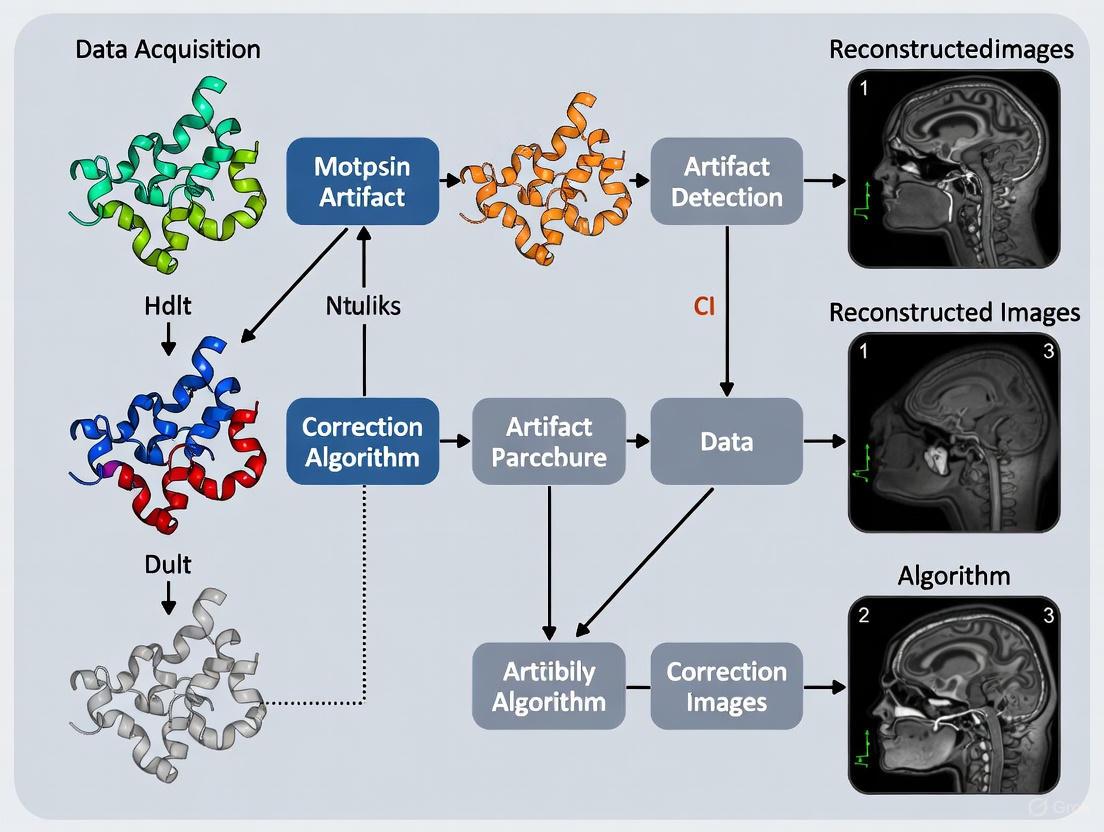
Advanced Strategies for Mitigating Motion Artifacts in Diffusion Tensor Imaging: From Acquisition to Analysis
Motion artifacts present a significant challenge in Diffusion Tensor Imaging (DTI), potentially compromising data integrity and leading to biased quantitative measures in both research and clinical settings.
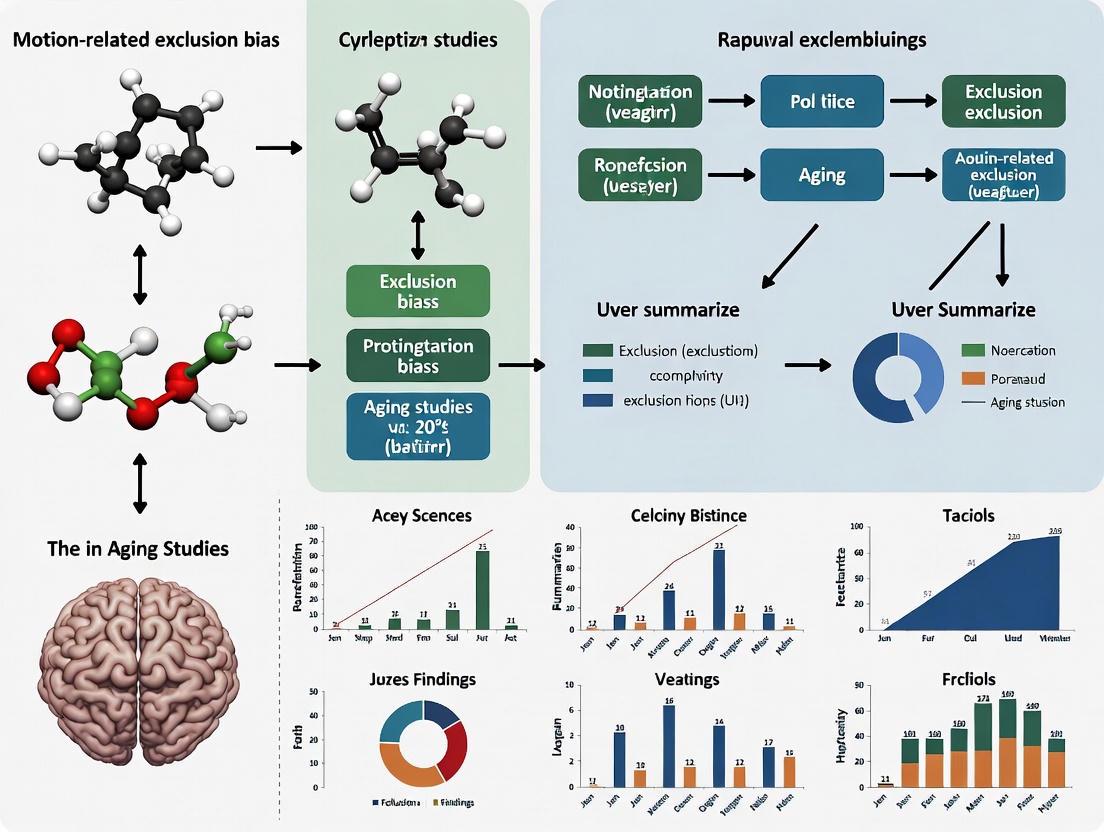
Addressing Motion-Related Exclusion Bias in Aging Research: A Foundational, Methodological, and Practical Guide
This article provides a comprehensive guide for researchers and drug development professionals on addressing motion-related exclusion bias in aging studies.
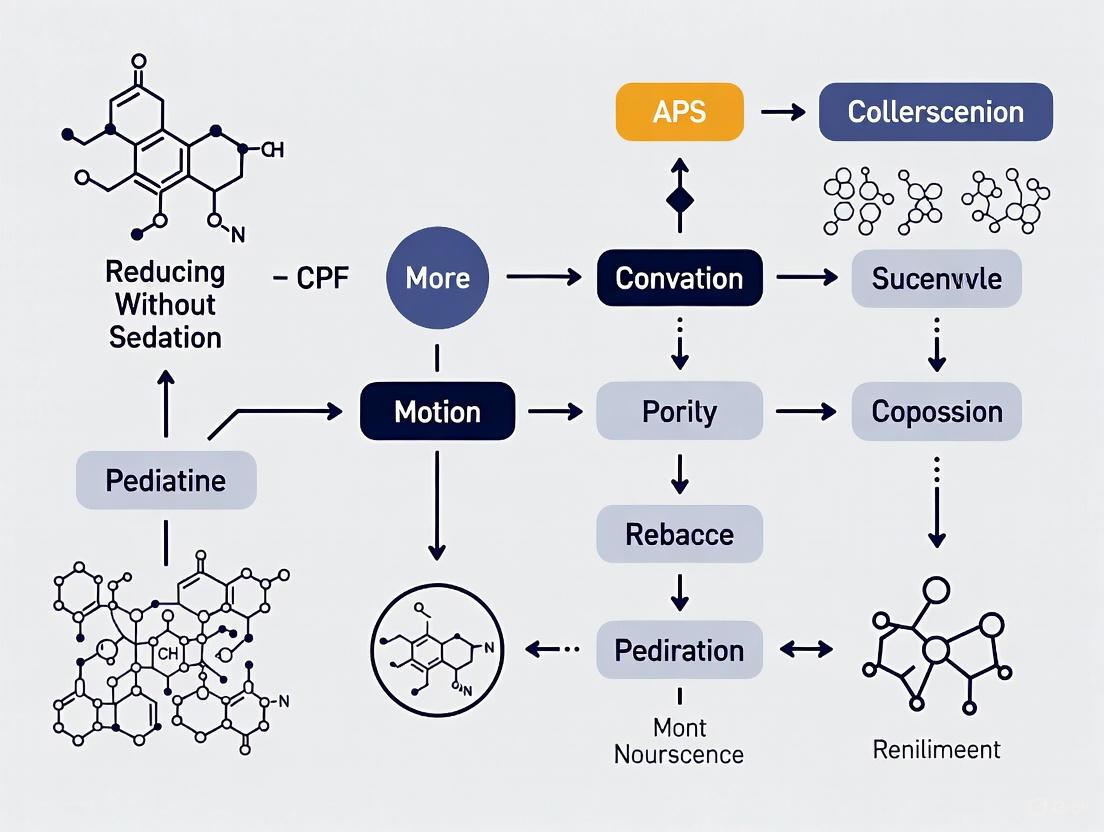
Advances in Non-Sedated Pediatric MRI: A Research-Focused Review on Motion Artifact Reduction for Enhanced Neuroimaging and Drug Development
This article synthesizes current evidence and methodologies for obtaining high-quality, motion-free pediatric MRI without sedation, a critical objective for minimizing anesthetic neurotoxicity risks and streamlining clinical trial imaging.
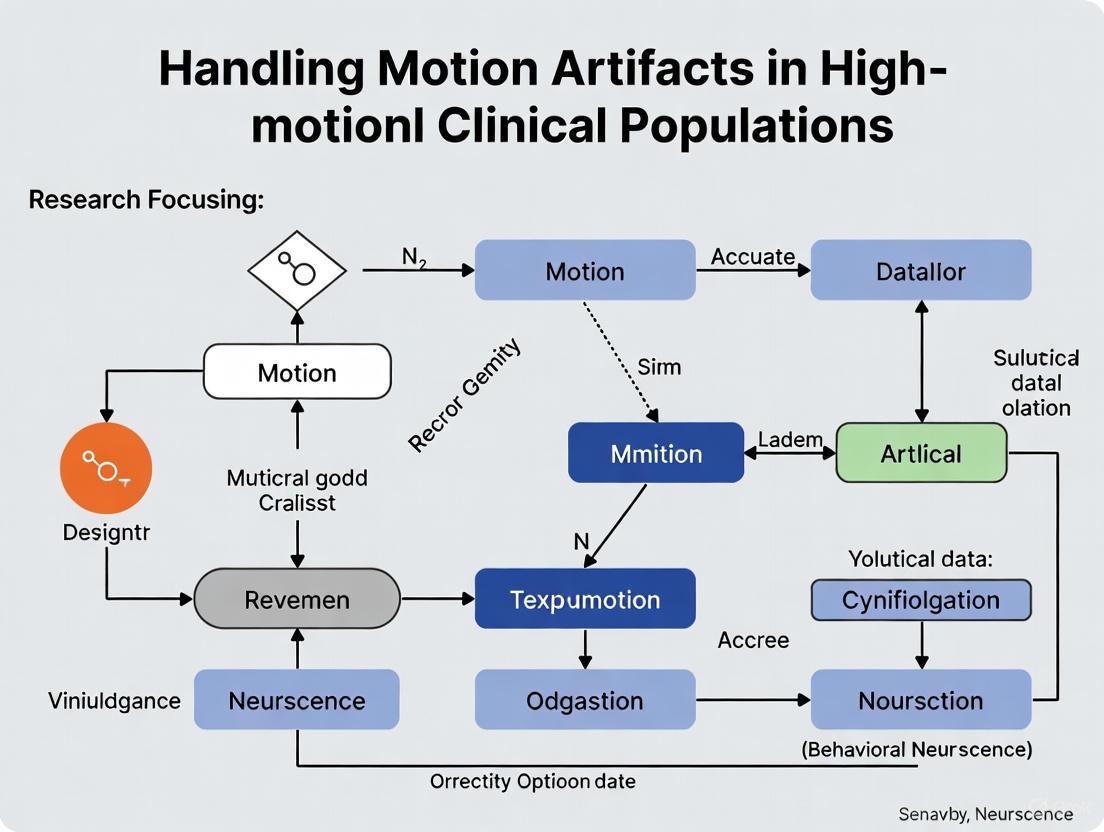
Advanced Strategies for Handling Motion Artifacts in High-Motion Clinical Populations: From Detection to AI-Driven Correction
Motion artifacts present a significant challenge in medical imaging, particularly for high-motion clinical populations such as pediatric, geriatric, and neurodegenerative disease patients.
Balancing Data Integrity and Motion Artifact Removal in 2025: Strategies for Reliable Clinical Research
This article addresses the critical challenge of balancing comprehensive data retention policies with effective motion artifact removal in clinical research and drug development.