Research Articles
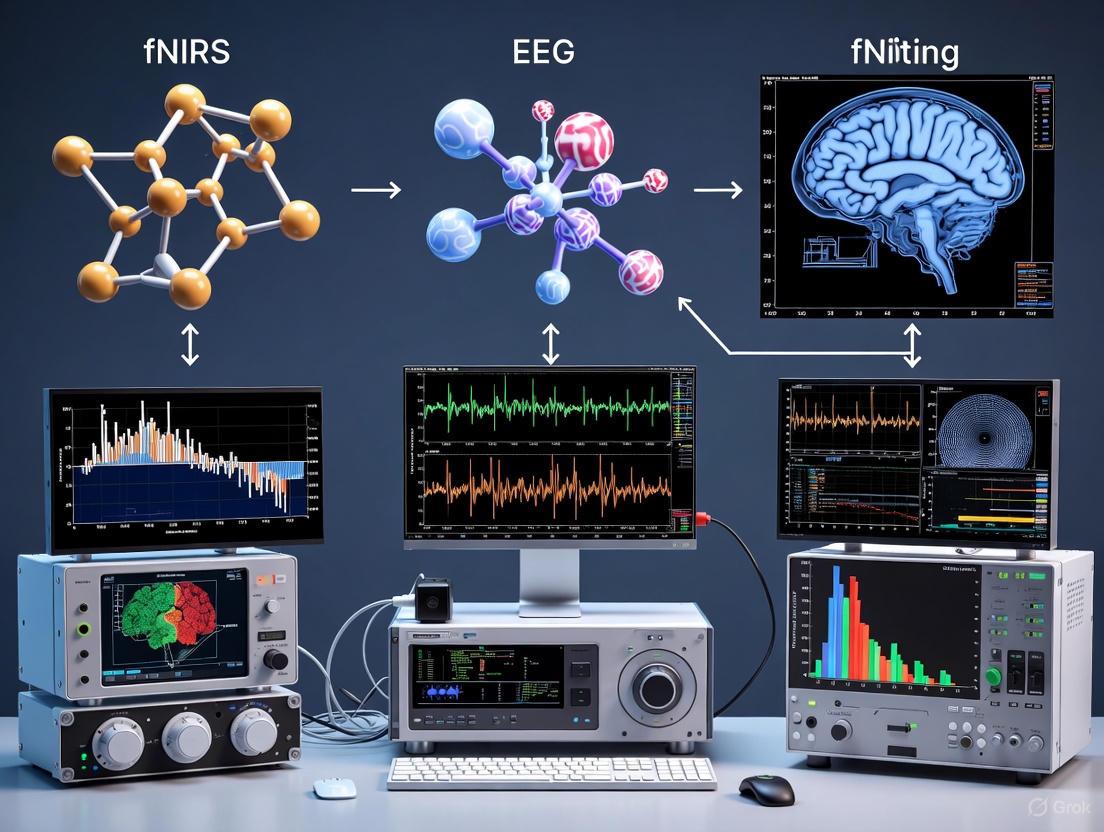
Motion Tolerance in Neuroimaging: A Comprehensive Comparison of fNIRS, EEG, and fMRI for Research and Clinical Applications
This article provides a systematic comparison of motion tolerance in functional near-infrared spectroscopy (fNIRS), electroencephalography (EEG), and functional magnetic resonance imaging (fMRI) for researchers and drug development professionals.
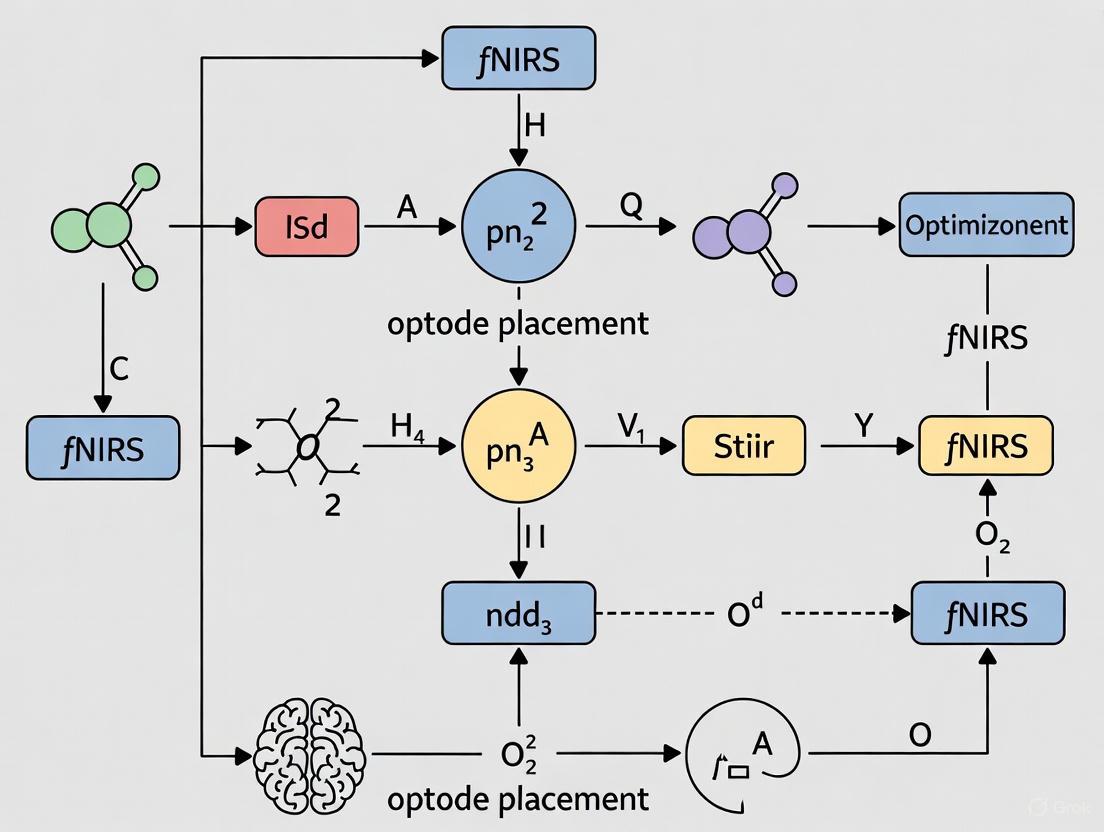
Optimizing fNIRS Spatial Resolution: A Comprehensive Guide to Advanced Optode Placement Strategies
This article provides a systematic framework for optimizing functional near-infrared spectroscopy (fNIRS) optode placement to enhance spatial resolution and data quality.
Overcoming the Hair Barrier: A Research-Focused Guide to Optimizing fNIRS Signal Quality
Functional near-infrared spectroscopy (fNIRS) offers immense potential for neuroimaging in real-world settings, but its signal quality is critically compromised by hair and skin characteristics, risking biased data and exclusion of...

Motion Artifact Correction in fNIRS vs EEG: A Comprehensive Guide for Biomedical Research
This article provides a systematic comparison of motion artifact (MA) correction techniques for functional near-infrared spectroscopy (fNIRS) and electroencephalography (EEG), two pivotal non-invasive neuroimaging tools.

Decoding Meaning from Mind: A Comprehensive Guide to Semantic Neural Decoding with Simultaneous EEG-fNIRS
This article provides a comprehensive exploration of semantic neural decoding using simultaneous electroencephalography (EEG) and functional near-infrared spectroscopy (fNIRS).
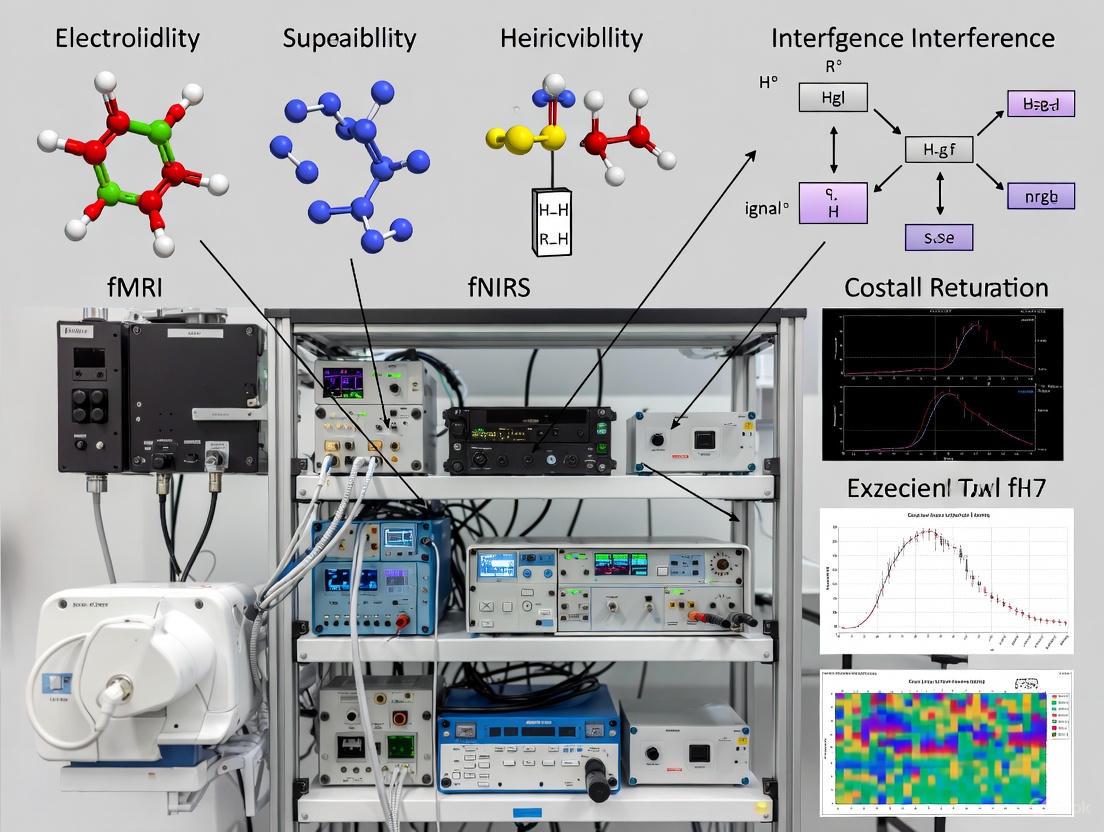
Overcoming EMI: Strategies for Robust fMRI-fNIRS Integration in Biomedical Research
The integration of functional Magnetic Resonance Imaging (fMRI) and functional Near-Infrared Spectroscopy (fNIRS) offers a powerful multimodal approach to brain imaging, combining high spatial resolution with portability and high temporal...
EEG-fNIRS Data Fusion: Techniques, Applications, and Future Directions in Biomedical Research
This comprehensive review explores data fusion techniques for integrating electroencephalography (EEG) and functional near-infrared spectroscopy (fNIRS) signals to advance biomedical research and clinical applications.
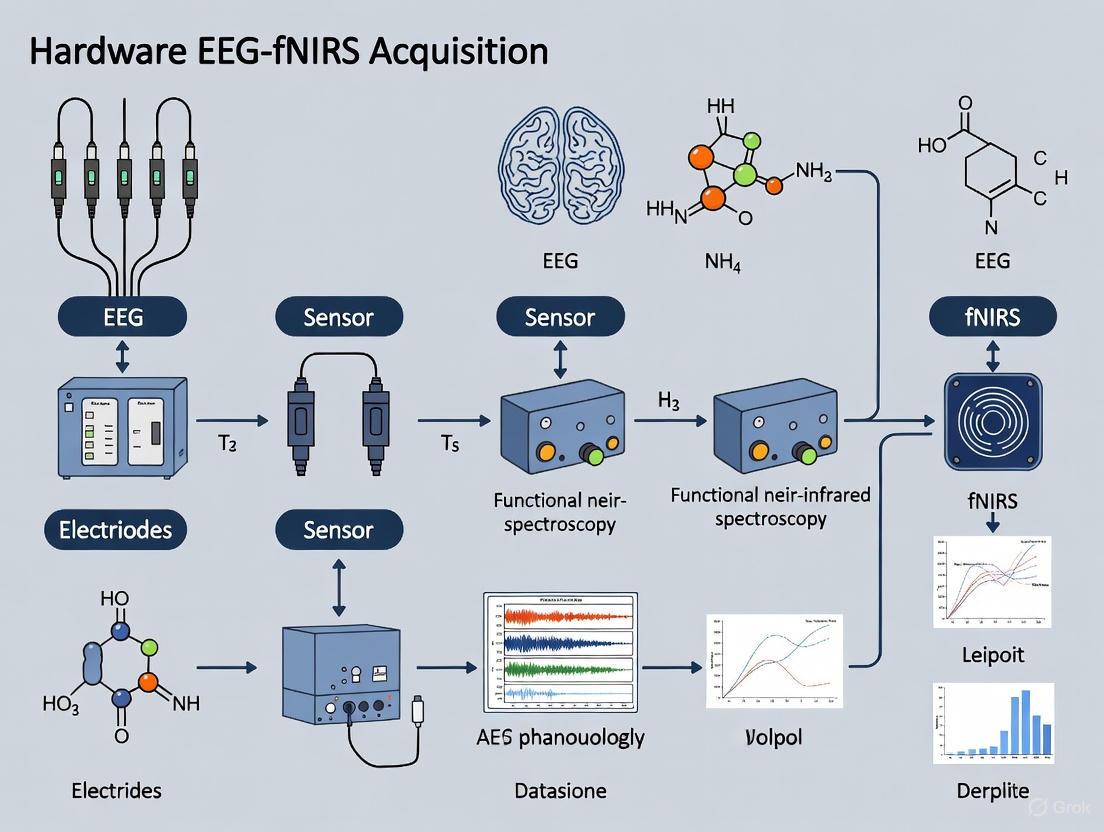
Advanced Hardware Integration for Multimodal EEG-fNIRS Acquisition: Systems, Challenges, and Future Directions
This article provides a comprehensive examination of the hardware integration strategies for multimodal EEG-fNIRS acquisition systems, tailored for researchers and drug development professionals.

Designing Effective Motor Imagery Protocols for Hybrid EEG-fNIRS Brain-Computer Interfaces in Clinical Research
This article provides a comprehensive guide for researchers and biomedical professionals on designing and implementing motor imagery (MI) task protocols for hybrid electroencephalography (EEG) and functional near-infrared spectroscopy (fNIRS) systems.
Optimizing EEG-fNIRS Sensor Placement: A Comprehensive Guide for Simultaneous Acquisition in Clinical Research
This article provides a detailed guide for researchers and drug development professionals on achieving optimal sensor placement for simultaneous EEG-fNIRS acquisition.